How to Upgrade Your Door Lock Easily (Step-by-Step Guide)

When I first walked into my first home fourteen years ago, the weight of the brass keys felt like a badge of honor. However, that feeling quickly faded when I realized the front door handle jiggled every time I turned it, and the deadbolt required a specific, frustrating “wiggle” to actually engage. Like many first-time buyers, I was so focused on the mortgage and the moving trucks that I ignored the one part of the house I touched every single day. Small mechanical frustrations in a new home can quickly turn into a sense of overwhelm, making you feel like the house is winning. Taking control of your entry points by swapping out old, worn-out hardware is a foundational step in turning a house into a functional home.
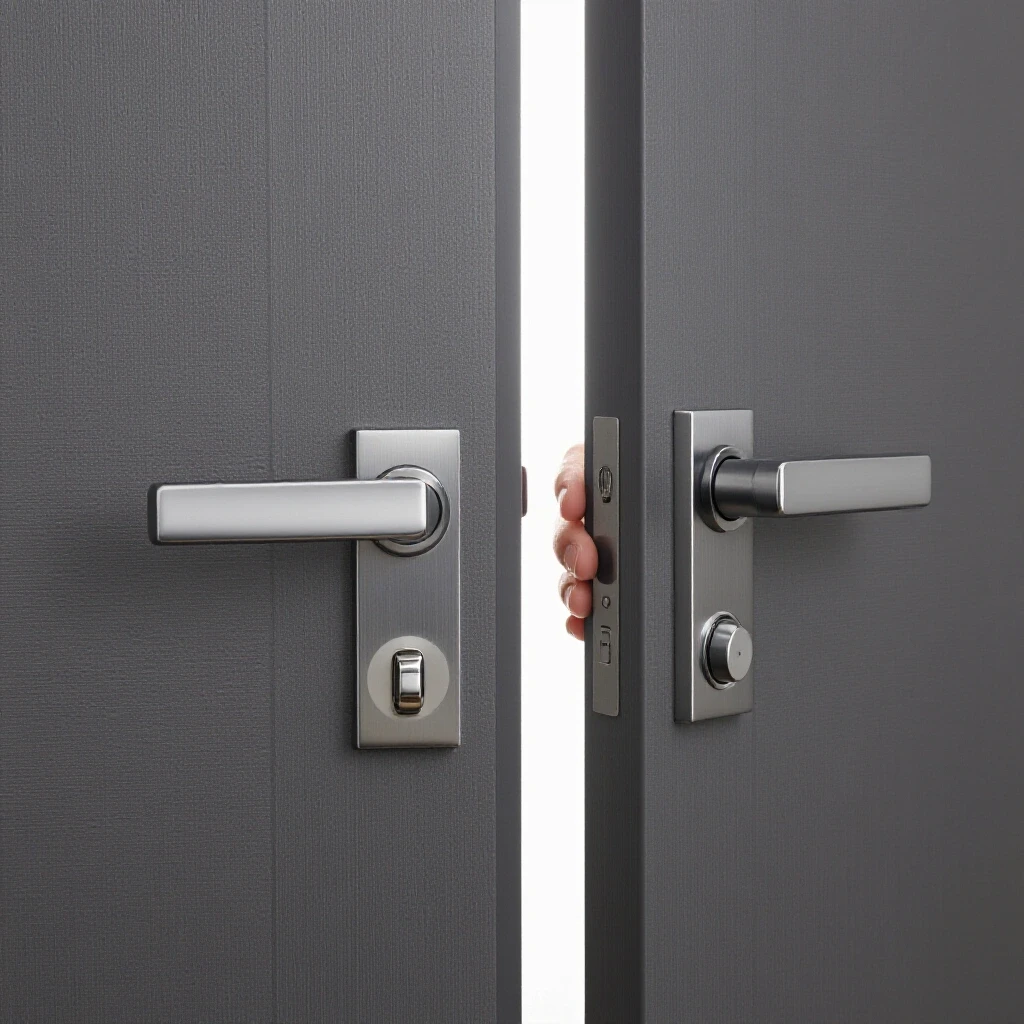
Managing the Transition to New Entryway Hardware
Swapping out old door hardware is often the first physical act of ownership for many people. It marks a transition from the previous owner’s style and wear to your own standards of comfort and function. This process involves assessing current handle conditions, measuring backsets, and selecting finishes that complement your home’s existing architecture and interior design.
In my first year of homeownership, I kept a detailed log of every small repair. I noticed that I used the front door roughly six to eight times a day. Over a year, that is nearly 3,000 uses. If a handle is sticky or a latch is misaligned, those 3,000 moments become micro-stresses that contribute to homeowner burnout. According to U.S. Census Bureau data, the median age of a home in the United States is nearly 40 years. This means the hardware on many homes is likely reaching the end of its functional life, which for residential grade hardware is typically 15 to 25 years.
Establishing a Realistic Hardware Budget
Financial planning for hardware involves more than just the price of a single deadbolt or handle. You must account for the number of exterior doors, matching interior sets for consistency, and the one-time cost of basic hand tools. Setting aside a specific fund for these updates prevents small costs from snowballing into larger budget deficits during your first year.
I recommend following the 1% to 3% rule for annual maintenance. If you bought a home for $300,000, you should expect to spend between $3,000 and $9,000 a year on upkeep. While a new set of handles might only cost $50 to $150 per door, doing the whole house at once can be a significant hit to your monthly budget. In my second home, I tracked these costs and found that replacing hardware on three exterior doors and twelve interior doors cost roughly $850. Breaking this down into quarterly tasks made it much easier to manage alongside my utility bills.
Building Your Essential Entryway Toolkit
A basic toolkit for hardware tasks is a foundational investment for any new homeowner. You do not need expensive power tools for most handle or latch replacements. A reliable screwdriver set, a tape measure, and a small level are usually enough to ensure your doors function smoothly and look professional without a lot of hassle.
- Phillips head screwdriver (Number 2 is the most common size).
- Flat head screwdriver for prying off old rose plates.
- Tape measure with 1/16-inch increments.
- A small block of wood and a hammer for gentle latch adjustments.
- Dry graphite lubricant for long-term maintenance.
Practical Steps for Replacing Exterior Door Hardware
Replacing a handleset is a manageable DIY task that significantly boosts your home’s daily functionality. The process requires removing the old plates, aligning the new latch with the strike plate, and securing the mounting screws. Proper alignment ensures the door closes firmly without needing to be pushed or pulled excessively to get it to lock.
When I moved into my third home, I realized the previous owner had painted over the strike plates. This caused the door to stick every time it rained due to humidity. By removing the old hardware and installing fresh, clean metal components, I eliminated the sticking issue immediately. It is a simple project that provides instant gratification, which is vital when you are feeling buried by other house-hunting or moving stresses.
Measuring Your Door for a Perfect Fit
Before buying any new parts, you must measure the “backset” of your door to ensure the new latch fits the existing hole. The backset is the distance from the edge of the door to the center of the pre-drilled hole. Most modern residential doors use either 2-3/8 inches or 2-3/4 inches, but older homes can vary.
- Measure from the door edge to the center of the 2-1/8 inch hole.
- Check the thickness of the door; standard exterior doors are usually 1-3/4 inches thick.
- Check the “bore hole” diameter to ensure it is the standard 2-1/8 inches.
- Note the distance between the deadbolt hole and the handle hole if you are buying a connected set.
Installing the New Deadbolt and Handle
Installing a new deadbolt involves inserting the bolt mechanism into the side of the door and then sandwiching it between the interior and exterior plates. It is a game of alignment. If the two long screws that hold the pieces together are cross-threaded or forced, the thumb-turn will feel gritty or may not turn at all.
In my 14 years of tracking home logs, I have found that the biggest mistake is over-tightening the screws. When you over-tighten, you can actually compress the door material or bind the internal gears. Tighten them until they are snug, then test the key and the thumb-turn. If they move freely, you are done. If they feel stiff, loosen the screws by a quarter-turn and try again. This small adjustment can save the hardware from wearing out prematurely.
Matching Hardware Style to Your Home’s Character
Choosing hardware that matches your home’s era and style creates a cohesive look that increases your personal pride in the property. Whether you prefer modern matte black or traditional oil-rubbed bronze, consistency across all entry points is vital. This helps select finishes that withstand weather while maintaining their visual appeal over several decades.
| Hardware Feature | Standard Grade | Premium Grade |
|---|---|---|
| Expected Lifespan | 10-15 Years | 20-30 Years |
| Material | Zinc/Aluminum | Solid Brass/Bronze |
| Finish Durability | Moderate (May flake) | High (PVD Coatings) |
| Average Cost per Door | $30 – $60 | $120 – $250 |
| DIY Difficulty | Low | Low to Moderate |
When I evaluated homes as an analyst, I often looked at the hardware as a sign of how well the house was maintained. Mismatched handles—like a chrome deadbolt paired with a brass handle—often signal “quick fixes” rather than long-term care. For a young family, choosing a finish like “Satin Nickel” is often a smart move because it hides fingerprints much better than polished finishes or dark matte colors.
Long-Term Care for Moving Door Parts
Door hardware requires occasional care to prevent sticking or squeaking as the house settles over the years. Simple tasks like tightening loose screws and applying dry graphite lubricant can extend the life of your handles by many years. Regular inspections help you catch alignment issues caused by natural house settling before they lead to hardware failure.
I make it a habit to check my door alignment every spring and fall. As the temperature changes, wood doors can expand or contract. If you find yourself having to lift the door handle to get the deadbolt to click into place, the house has likely settled. Instead of forcing the lock, you can often solve this by slightly enlarging the hole in the strike plate on the door frame with a small metal file. This prevents unnecessary stress on the internal springs of your new hardware.
Preventing Burnout During Initial Home Tasks
The first three years of homeownership are the most taxing because everything feels like an emergency. Learning to prioritize small, successful DIY projects like hardware replacement builds the confidence needed for larger tasks like deck staining or basic plumbing. Managing your energy is just as important as managing your home maintenance budget.
HUD reports suggest that many first-time buyers underestimate the time commitment of home care. I suggest the “One Project a Month” rule. Do not try to replace every handle in the house in one weekend. Start with the front door. The next month, do the back door. By breaking it down, you avoid the fatigue that leads to half-finished projects. My personal logs show that when I rushed a project, I usually had to go back and fix it six months later. Taking your time ensures the work lasts.
Conclusion and Next Steps
Updating your home’s entry hardware is one of the most effective ways to claim ownership of your new space. It solves a functional problem, improves the look of your home, and teaches you the basics of tool use and home maintenance. Start by walking around your house today and testing every handle. If it jiggles, sticks, or looks worn out, put it on your list.
- Step 1: Audit all exterior doors and note the current hardware finish and backset measurements.
- Step 2: Purchase one high-quality replacement set for your most-used entry point.
- Step 3: Set aside two hours on a Saturday morning to perform the swap, following the manufacturer’s instructions carefully.
- Step 4: Once successful, budget for the remaining doors over the next six months to maintain financial balance.
Frequently Asked Questions
What is a backset and why does it matter?
The backset is the horizontal distance from the edge of your door to the center of the hole drilled for the handle or deadbolt. It is crucial because if you buy a latch that is the wrong length, it will not align with the hole in the door. Most modern sets come with an adjustable latch that fits both common sizes (2-3/8″ and 2-3/4″), but it is always best to measure first.
Can I use the same key for all my new exterior doors?
Yes, this is called “keying alike.” When you purchase your new hardware, look for sets that have the same “Key Code” on the back of the package. If you are buying multiple sets, many home improvement stores can match them for you at the time of purchase so one key opens the front, back, and side doors.
Why does my new deadbolt feel hard to turn after installation?
This usually happens because the two halves of the lock are not perfectly aligned or the screws are too tight. Try loosening the mounting screws slightly and shifting the plates until the thumb-turn moves smoothly. If that doesn’t work, check if the hole in the door frame (the strike hole) is deep enough for the bolt to fully extend.
How often should I lubricate my door locks?
You should aim to lubricate your locks once a year. Avoid using oil-based lubricants like WD-40, as they can attract dust and gunk up the internal pins over time. Instead, use a dry graphite spray or a Teflon-based lubricant specifically designed for locks.
What should I do if my door has shifted and the lock no longer lines up?
House settling is common, especially in new builds or very old homes. If the bolt hits the strike plate instead of going into the hole, you can usually move the strike plate up or down slightly. If the shift is minor, using a small file to widen the opening of the metal strike plate is often the easiest fix.
Is it worth spending more on “Grade 1” hardware for a home?
Hardware is rated from Grade 1 (highest) to Grade 3 (basic residential). For most homes, Grade 2 is the “sweet spot” for exterior doors. It offers a significant increase in durability and weight over Grade 3 without the extreme cost and industrial look of Grade 1 hardware used in commercial buildings.
Do I need to replace the hinges when I replace the handles?
You don’t have to, but matching the hinge finish to your new handles creates a much more polished look. If your old hinges are squeaky or covered in layers of old paint, replacing them at the same time as the handle is a smart move that ensures the entire door system operates like new.
How do I know if my door is too old for a standard hardware kit?
If your home was built before 1950, your doors might have “mortise locks,” which are large rectangular boxes set into a deep pocket in the door. These require specialized hardware. If you see a standard circular hole when you remove your current handle, a modern replacement kit will work perfectly.
(This article was written by one of our staff writers, Michael Morrison. Visit our Meet the Team page to learn more about the author and their expertise.)