Effective Cat Damage Solutions for Home Interiors (Proven Tips)

Your first home is often the largest financial asset you will ever own, yet it is also a living space where your pets can unintentionally devalue your investment through daily wear and tear. After fourteen years of tracking every dollar spent on three different properties, I have learned that the most expensive repairs are often the ones you ignore for too long. When my first cat, Leo, decided the mahogany baseboards in my 1920s bungalow were his personal scratching posts, I realized that homeownership requires a proactive strategy for surface preservation.
Establishing a Maintenance Budget for Pet-Related Interior Wear
Setting aside funds specifically for surface repairs ensures that small scratches do not turn into major renovation projects. This financial framework allows homeowners to address damage to carpets, walls, and furniture proactively rather than waiting until the home’s resale value is negatively impacted. Consistent small fixes are always cheaper than total replacements.
In my decade of tracking household budgeting diaries, I have found that homeowners who ignore minor cosmetic issues spend 40% more on pre-sale renovations later. According to the U.S. Census Bureau’s American Housing Survey, interior water damage and surface wear are among the most common reasons for decreased property appraisal values. To avoid this, you must treat your home’s interior finishes as part of your preventative maintenance schedule.
Applying the 1% Rule to Interior Preservation
The 1% rule suggests homeowners save one percent of their home’s value annually for maintenance and repairs. When you own pets, a portion of this fund should be earmarked for cosmetic repairs, such as patching drywall or refinishing wood surfaces. This ensures you have the cash on hand for high-quality repair materials.
I recommend allocating at least 10% of your annual maintenance fund specifically for “aesthetic integrity.” If your home is worth $400,000, your $4,000 annual budget should include $400 for things like wood filler, touch-up paint, and textile repair tools. This small investment prevents the “deferred maintenance” look that scares away future buyers.
- Save 1% of home value annually for general upkeep.
- Allocate 0.1% specifically for interior surface restoration.
- Keep a digital log of every paint color and wood stain used in your home.
- Review your home’s surfaces every six months for signs of claw wear.
Restoring Textile Integrity and Upholstery After Feline Use
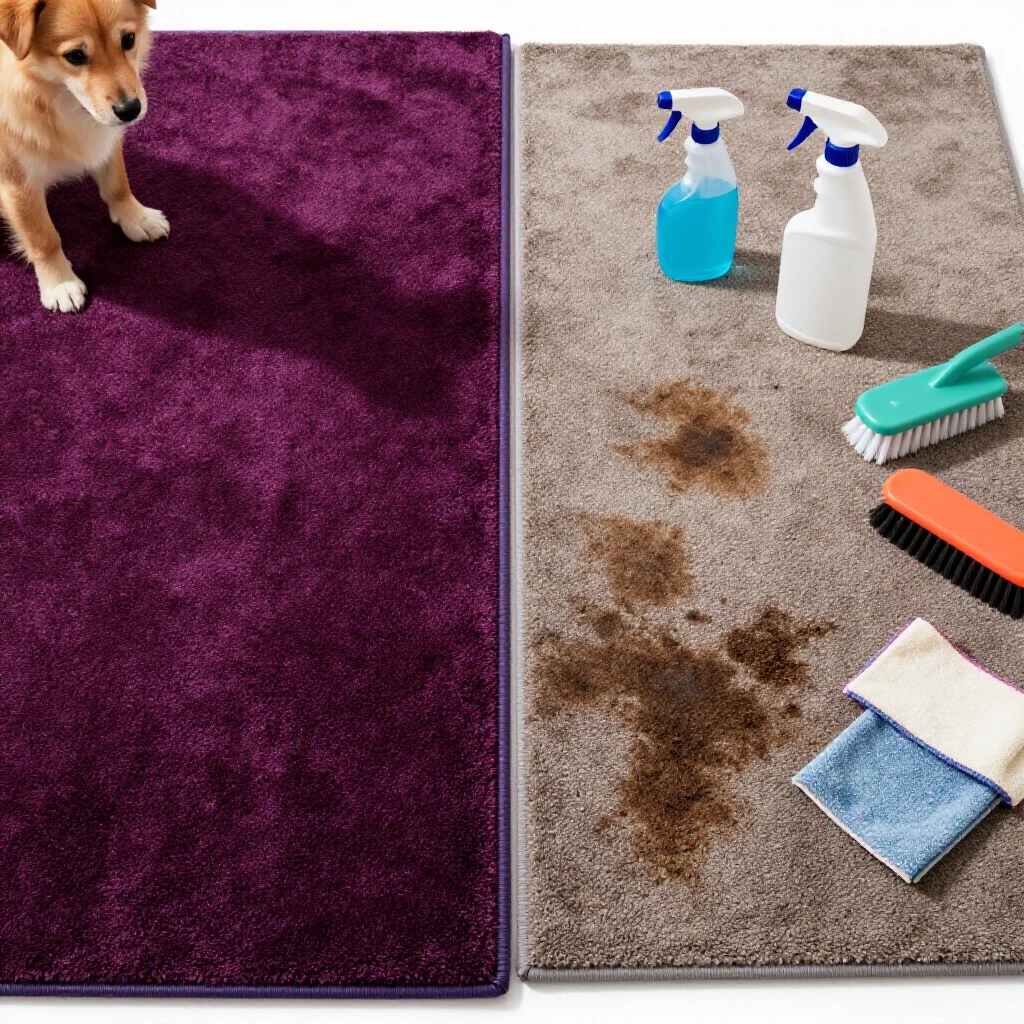
Soft surfaces like sofas, rugs, and curtains are often the first victims of a cat’s natural climbing and kneading instincts. Repairing these items requires a blend of patience and the right tools to blend the damaged fibers back into the original weave. Mastering these DIY home care techniques saves thousands on professional reupholstering.
In my second home, a contemporary townhouse, I watched a brand-new linen sofa develop unsightly snags within weeks. I felt the typical first-time homeowner anxiety, fearing I had wasted $2,000. However, I discovered that most fabric damage is superficial. By using a fine-tipped crochet hook or a specialized “snag needle,” you can pull loose threads back to the underside of the fabric, making the damage virtually invisible.
DIY Fabric Shaving and Re-weaving Techniques
Fabric shaving involves removing the “pilling” or fuzzy threads that occur when claws pull at woven materials. Re-weaving is the process of tucking longer snags back into the textile grid to restore a smooth surface. These two methods are the most effective ways to extend the life of your furniture.
- Use a battery-operated fabric shaver for small, fuzzy areas on tight-weave fabrics.
- Employ a “Snag Nab-it” tool for larger loops in sweaters or upholstery.
- Avoid cutting loose threads, as this can cause the fabric to unravel over time.
- Apply a small amount of clear fabric fray-check to the back of a repaired snag for extra security.
| Repair Type | DIY Cost | Professional Cost | Time Investment |
|---|---|---|---|
| Upholstery Snags | $5 – $15 | $150 – $300 | 30 Minutes |
| Rug Fringe Repair | $10 – $20 | $100 – $250 | 1 Hour |
| Pilling Removal | $15 – $25 | N/A | 20 Minutes |
| Leather Scratches | $20 – $40 | $200 – $500 | 2 Hours |
Remedying Scratches on Woodwork and Flooring
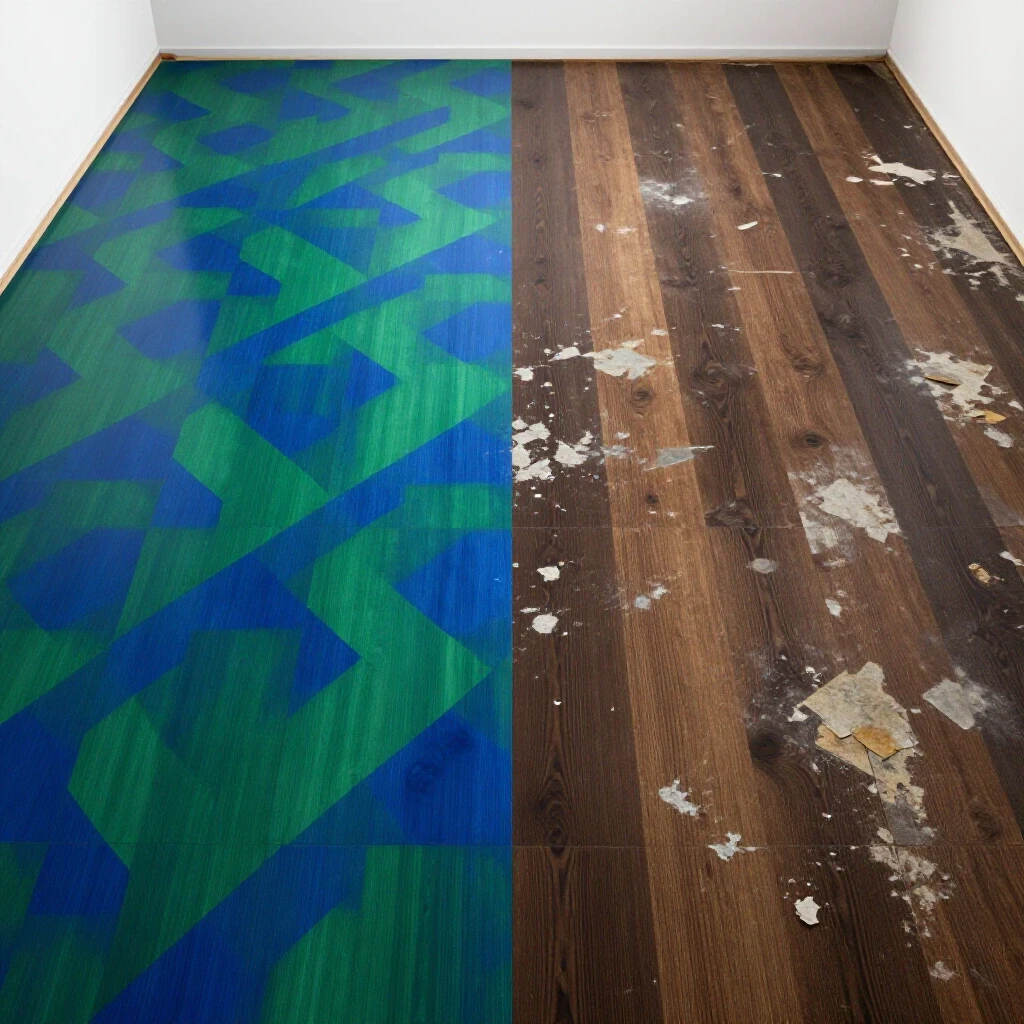
Wood surfaces are susceptible to deep gouges and surface-level scuffs from running or climbing pets. Restoring these surfaces involves matching the wood’s natural grain and color using fillers, waxes, or stains. Proper wood care is essential for maintaining the structural and aesthetic value of built-in cabinets and hardwood floors.
When I moved into my third home, the previous owners had left deep claw marks on the window sills. As a real estate analyst, I knew that visible wood damage suggests a lack of overall home care to potential inspectors. I spent a weekend learning how to use wax fill sticks. By layering different shades of brown, I was able to mimic the oak grain so well that the repairs were indistinguishable from the original wood.
Using Wood Fillers and Stain Pens for Deep Gouges
Wood fillers are paste-like substances used to bridge large gaps or holes in timber, while stain pens are used to recolor surface-level scratches. For deep gouges on baseboards or door frames, you must build the repair in layers to ensure it stays flush with the surface. This is a foundational skill for any sustainable home systems maintenance plan.
- Clean the area with mineral spirits to remove old wax or polish before repairing.
- Use a plastic putty knife to apply filler to avoid scratching the surrounding wood.
- Sand the dried filler with 220-grit sandpaper for a smooth finish.
- Finish with a matching stain pen or a wipe-on polyurethane to seal the repair.
Protecting Walls and Baseboards from Claw Marks
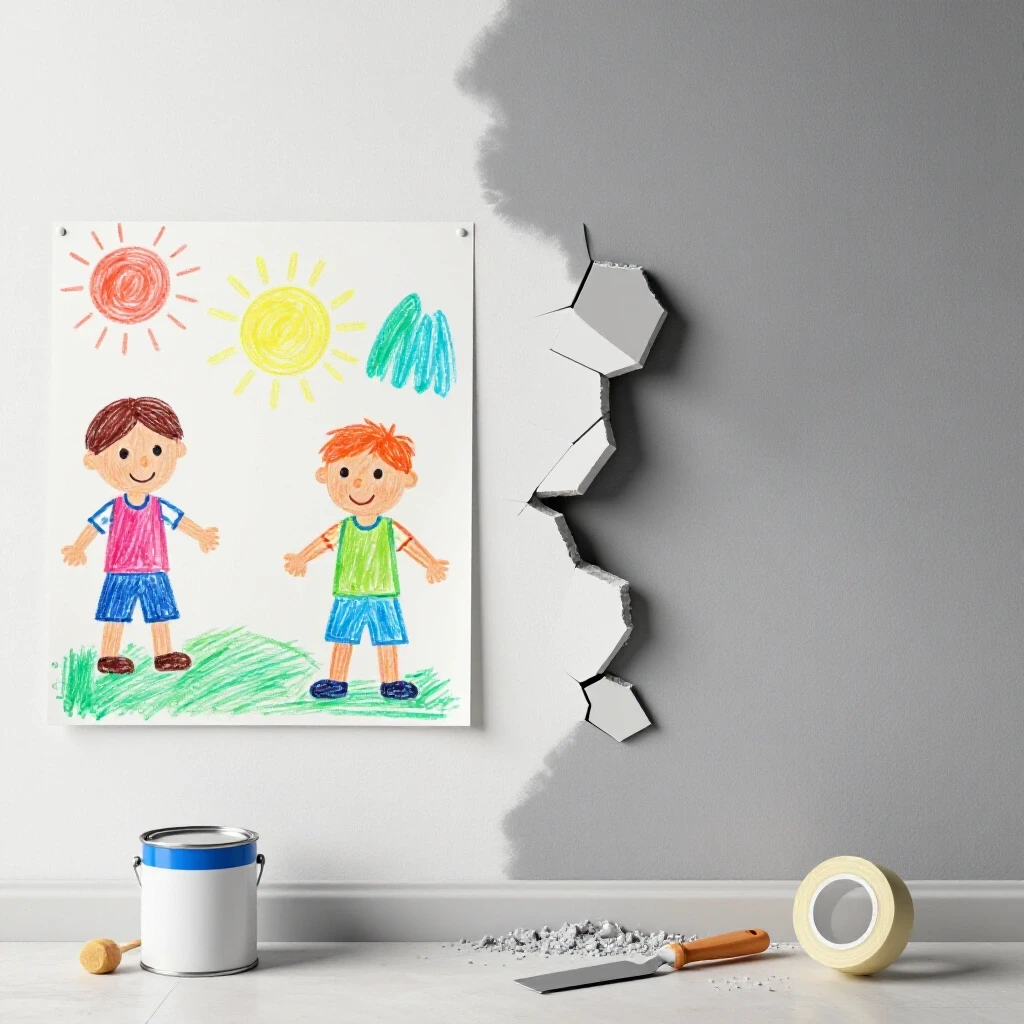
Drywall and painted trim are soft targets for pets that enjoy stretching against vertical surfaces. Remedying this damage involves more than just painting over the marks; it requires structural patching and the application of durable finishes. Choosing the right paint sheen can also act as a preventative measure against future wear.
HUD reports on housing quality often highlight that well-maintained walls are a key indicator of a home’s overall condition. In my experience, cats often target the corners of hallways or the areas near door frames. I found that applying a thin layer of joint compound to the scratched drywall, followed by a light sanding and a coat of high-quality primer, is the only way to truly erase the evidence of pet activity.
High-Gloss Paint and Physical Barriers
High-gloss or semi-gloss paints are much harder and more resistant to scratching than flat or eggshell finishes. Installing clear, adhesive-backed plastic shields on vulnerable corners can also provide a physical barrier that is easy to clean and replace. These are smart DIY planning steps that protect your home’s “thermal envelope” and interior aesthetics.
- Patch deep scratches with lightweight spackle and sand until flush.
- Use a “blocking” primer like Kilz to prevent oils from the pet’s fur from bleeding through the new paint.
- Switch to semi-gloss paint for baseboards and door casings for easier cleaning.
- Install clear corner guards on high-traffic drywall edges to prevent future gouges.
Designing for Durability: Materials That Resist Pet Wear
Long-term property preservation involves choosing interior materials that are naturally resistant to claws and fur. By selecting performance fabrics and hard-surface flooring, you reduce the frequency and cost of future repairs. This strategic DIY prioritization focuses on “hardening” the home against common sources of wear.
In my 14 years of tracking home logs, I have seen that certain materials simply do not hold up in pet-friendly households. For example, silk and loosely woven wool are magnets for damage. On the other hand, micro-suede and synthetic performance fabrics can withstand significant use without showing signs of distress. When you are house-hunting, look for homes with “pet-hardy” finishes like luxury vinyl plank (LVP) or tile.
Sisal and Performance Fabrics as Preventive Measures
Sisal is a natural fiber that is incredibly tough and can be used to wrap furniture legs or cover wall sections to provide a designated scratching area. Performance fabrics are engineered textiles that resist snags and are easy to spot-clean. Integrating these materials into your home design is a form of preventative mechanical care for your interior.
- Replace traditional rugs with low-pile or “pet-proof” synthetic options.
- Wrap the legs of wooden tables with sisal rope to protect the finish.
- Choose furniture with metal or tapered legs that are harder for pets to climb.
- Use slipcovers made of heavy canvas or denim for high-use seating areas.
| Material | Expected Lifespan (with pets) | Maintenance Level | Resilience Rating |
|---|---|---|---|
| Hardwood | 20 – 50 Years | High | Moderate |
| Luxury Vinyl Plank | 15 – 25 Years | Low | High |
| Wall-to-Wall Carpet | 5 – 8 Years | Very High | Low |
| Ceramic Tile | 50+ Years | Low | Very High |
Preserving Resale Value Through Consistent Surface Upkeep
A home that shows no signs of pet wear is significantly more attractive to buyers and can command a higher price. Consistent, small-scale repairs prevent the “compounding effect” of damage, where one small scratch leads to a general decline in the room’s appearance. This is the ultimate goal of long-term asset protection for any homeowner.
I once evaluated a property where the owners had three cats and had done zero surface maintenance for five years. The cost to replace the carpet, refinish the floors, and repaint the entire interior was estimated at $12,000. If they had spent just $200 a year on DIY home care, they could have saved nearly $11,000. This is why I stress the importance of a monthly “walk-through” to identify and fix small issues immediately.
- Conduct a monthly “scratch audit” of all wood and wall surfaces.
- Keep a “touch-up kit” in your utility closet with paint, filler, and fabric tools.
- Address snags in rugs or upholstery the moment they are discovered.
- Document your repairs in a digital home log to show future buyers the care you’ve taken.
Digital Tools and Resources for Home Upkeep
- HomeZada: A digital home management app that helps you track maintenance tasks and store photos of your home’s surfaces for insurance or resale purposes.
- ColorSnap (Sherwin-Williams): An app that allows you to match paint colors perfectly by taking a photo of your wall, ensuring your touch-ups are seamless.
- Centriq: A tool that lets you scan the labels of your appliances and home systems to get manuals and repair parts lists instantly.
- Mint or YNAB: Budgeting software that allows you to create a specific “Home Maintenance” category to track your 1% savings goal.
- YouTube (Repair Channels): Search for “drywall patch” or “wood wax repair” for visual guides on the techniques mentioned above.
Frequently Asked Questions
How do I fix a snag in a woven rug without ruining it?
Use a small crochet hook or a snag needle to pull the loose loop through to the back of the rug. Never cut the loop, as this can cause the weave to loosen and create a hole. If the rug is a flat weave, you may need to use a needle and matching thread to secure the loop on the underside.
What is the best way to hide scratches on dark wood furniture?
For surface-level scratches, a walnut or a specialized wood stain marker works best. Simply rub the walnut meat over the scratch; the natural oils and pigment will often mask the mark. For deeper gouges, use a dark-colored wax fill stick, level it with a credit card, and buff it with a soft cloth.
Can I really patch drywall myself if it has deep claw marks?
Yes, drywall repair is one of the most accessible DIY home care tasks. You will need a small tub of lightweight spackle, a 4-inch putty knife, and a fine-grit sanding sponge. Apply the spackle in thin layers, let it dry, sand it smooth, and then apply a matching coat of paint.
Which paint sheen is most resistant to pet damage?
Semi-gloss and satin finishes are the most durable. They have a higher resin content, which creates a harder “shell” when dry. This makes them much more resistant to scratching and easier to wipe clean if your pet leaves dirt or oil marks on the walls.
How much should I expect to spend on a basic home repair kit?
A comprehensive kit including wood fillers, stain pens, spackle, a putty knife, a fabric shaver, and a snag needle will cost between $50 and $100. This is a one-time investment that can save you thousands in professional repair costs over the life of your homeownership.
Is luxury vinyl plank (LVP) truly pet-proof?
While no material is 100% “proof,” LVP is highly resistant to scratches and completely waterproof. It is widely considered the best flooring option for pet owners because it mimics the look of wood without the vulnerability to claw gouges or liquid accidents.
How do I remove pet hair that is stuck deep in the carpet?
Before vacuuming, use a rubber squeegee or a specialized rubber carpet rake to pull the hair to the surface. This mechanical action loosens the fibers and makes it much easier for your vacuum to pick up the embedded fur, extending the life of your carpet.
What should I do if my cat has scratched a leather sofa?
If the scratches are light, a high-quality leather conditioner can often buff them out. For deeper marks, you may need a leather repair kit that includes a color-matched filler. Apply the filler sparingly and use a graining paper to match the texture of the surrounding leather.
How often should I check my home for pet-related wear?
I recommend a quarterly inspection. Walk through each room and look specifically at “pet-level” surfaces—the bottom 30 inches of walls, door frames, and furniture legs. Catching damage early makes the repair process much faster and more effective.
Does pet damage affect my home’s appraisal value?
Yes, visible damage to permanent fixtures like hardwood floors, baseboards, and walls can lead to a lower appraisal. An appraiser looks at the “effective age” of a home, and significant cosmetic wear can make a home appear older and less well-maintained than it actually is.
(This article was written by one of our staff writers, Michael Morrison. Visit our Meet the Team page to learn more about the author and their expertise.)