Rental Property Ownership Lessons: Design & DIY Guide (Expert Tips)

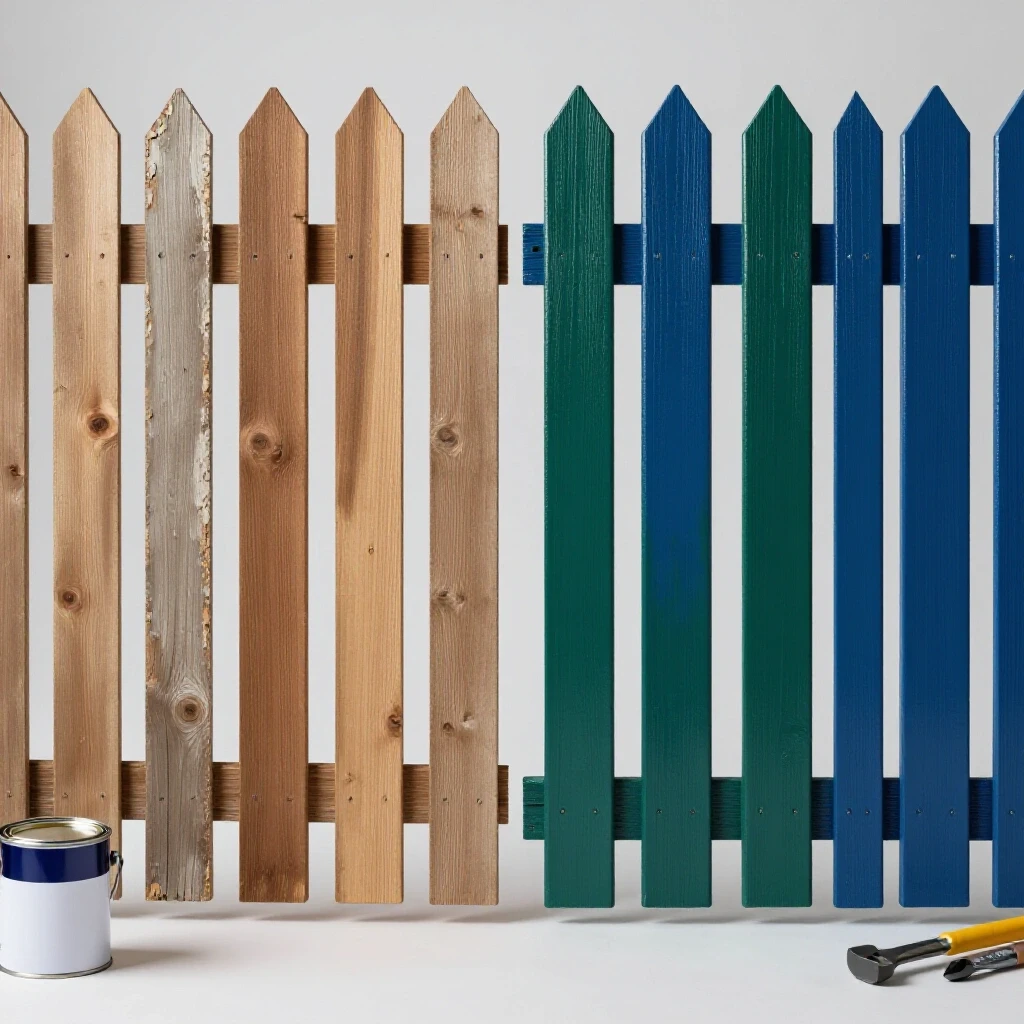
Moving into your first home is a lot like taking over a historic garden that has been neglected for a few seasons. The soil is there, and the fence still stands, but you are now the one responsible for deciding which flowers stay, which weeds go, and how to keep the whole plot from looking overgrown. You might have the map, but the actual work of making the space thrive depends on your daily attention and a few well-placed upgrades.
Transitioning to a Design-First Ownership Mindset
Setting a visual standard for your new space involves balancing your personal style with the practical needs of a functional living environment. It is the process of looking at a room not just for what it is, but for how it can best serve your daily routines while remaining visually cohesive and inviting for anyone who enters.
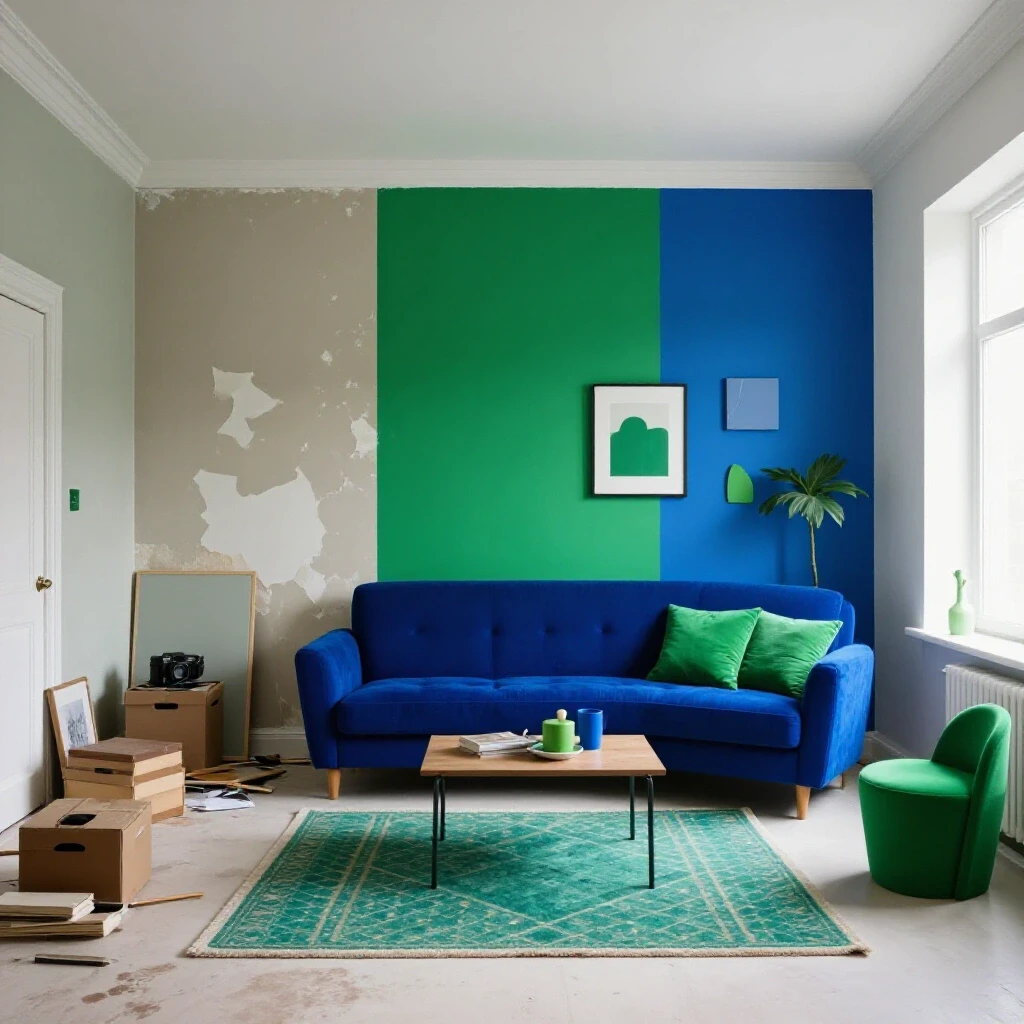
When I bought my first home—a modest 1950s ranch—I felt a massive wave of anxiety. The U.S. Census Bureau notes that the median age of a home in the United States is about 40 years, which means most of us are moving into spaces with a lot of “character” that needs updating. I spent the first three months just staring at the beige walls, unsure where to start. My first lesson was that you don’t need to knock down walls to change the energy of a room. I began by swapping out the dingy, plastic light switches for modern, matte-finish versions. It cost me less than fifty dollars, but it made the house feel like it belonged to this century.
- Start with “high-touch” areas like handles, switches, and faucets.
- Focus on one room at a time to avoid feeling overwhelmed by the whole house.
- Document the “before” state to track your progress and stay motivated.
Creating an Aesthetic Budget Diary for Your Space
A household budgeting diary is a dedicated record of every cent spent on improving the look and feel of your home, separate from your mortgage or taxes. It helps you track the costs of paint, hardware, and furniture to ensure you are spending wisely and staying within a sustainable limit for your lifestyle.
I recommend the 1% to 3% rule, which I have used across three different properties over 14 years. This rule suggests setting aside 1% to 3% of your home’s purchase price annually for design updates and surface care. If you bought a home for $300,000, having a “design fund” of $3,000 a year allows you to tackle projects like refreshing the guest room or upgrading the entryway without financial stress. According to HUD reports, regular surface maintenance can prevent the “tired” look that leads to larger, more expensive cosmetic overhauls later.
| Project Type | DIY Cost Estimate | Professional Cost (Est) | Time Investment |
|---|---|---|---|
| Interior Painting (Per Room) | $100 – $200 | $400 – $800 | 8 – 12 Hours |
| Kitchen Hardware Swap | $50 – $150 | $200 – $300 | 2 – 3 Hours |
| Entryway Lighting | $75 – $250 | $250 – $500 | 1 – 2 Hours |
| Window Treatment Install | $40 – $100 | $150 – $300 | 30 Mins/Window |
Essential Toolkits for Visual Upgrades and Care
An essential toolkit for home care is a curated collection of instruments specifically chosen to help a homeowner perform aesthetic improvements and minor functional adjustments. This goes beyond a simple hammer and nails to include items that ensure precision in decorating and efficiency in small-scale DIY tasks.
During my second home transition, I realized I was wasting hours running to the store because I didn’t have the right basic tools for simple decor changes. I now keep a “Design Kit” that has saved me countless headaches. You don’t need a garage full of power tools, but you do need a few high-quality basics.
- A laser level for perfectly straight gallery walls and shelving.
- A high-quality 2.5-inch angled sash brush for clean paint lines.
- A multi-bit screwdriver for changing out cabinet pulls and door handles.
- A digital tape measure for accurate furniture and rug sizing.
- Small touch-up jars filled with the exact paint colors used in each room.
The Impact of Lighting and Thermal Comfort on Lifestyle
Sustainable home systems include the lighting, window treatments, and climate controls that dictate the “mood” and comfort level of your property. Managing these systems effectively ensures that your home is not only beautiful but also energy-efficient and responsive to your daily needs.
Interestingly, the EPA suggests that sealing air leaks around windows and doors can improve comfort while reducing energy use. From a design perspective, this is a great time to install cellular shades or heavy drapes. In my current home, I replaced old, thin blinds with thermal-lined curtains. Not only did it make the living room look like a high-end hotel, but it also cut down on the draftiness I felt during the winter. This is a classic example of how a lifestyle-oriented design choice serves a dual purpose.
- Use “warm” light bulbs (2700K to 3000K) for living areas to create a cozy feel.
- Install smart dimmers to adjust the ambiance based on the time of day.
- Check window seals annually; a simple bead of caulk can prevent “visual” damage from moisture.
Strategic DIY Prioritization for Common Areas
Strategic DIY prioritization is the act of choosing projects based on their ability to improve the daily livability and visual appeal of the home with the least amount of technical risk. It involves focusing on “surface-level” changes that yield high emotional rewards for the homeowner.
I often see new homeowners get “decision paralysis.” They want to do everything at once. My advice is to focus on the “Path of Travel”—the areas you and your guests see the most. The entryway, the kitchen, and the main bathroom should be your priority. In my 14 years of tracking home logs, I’ve found that a fresh coat of paint in the entryway provides the biggest psychological boost for the lowest cost. It’s the first thing you see when you come home from a long day at work.
Long-Term Asset Protection through Surface Care
Surface care refers to the proactive maintenance of the visible parts of your home, such as flooring, cabinetry, and walls. By protecting these finishes, you preserve the home’s aesthetic integrity and ensure that the materials last as long as possible before needing replacement.
Most appliances and home finishes have a predictable lifespan. For example, a high-quality kitchen faucet usually lasts about 15 years, while interior paint starts to show wear after 5 to 7 years. I keep a digital log of when I last refreshed each room. This helps me anticipate when I’ll need to budget for the next round of updates.
- HVAC Vents: Clean and spray-paint metal vent covers to match your wall color.
- Caulking: Refresh bathroom caulk every 2 years to keep the space looking crisp and clean.
- Flooring: Use felt pads on all furniture to prevent scratches on hardwood or laminate.
Avoiding Homeowner Burnout with Creative Design Wins
Homeowner fatigue is the emotional exhaustion that comes from the constant feeling that there is “always something to do” or fix. Managing this involves balancing necessary chores with creative projects that bring joy and a sense of personal accomplishment to the living space.
There will be days when the “to-do” list feels like a mountain. When I hit that wall, I stop the “maintenance” tasks and do one “creative” task. Maybe I’ll frame some old travel photos or rearrange the bookshelves. These small wins remind me why I bought the house in the first place. It’s not just a set of systems to be maintained; it’s a place for your life to happen.
- Set a “No-Work” weekend once a month where you do zero home projects.
- Limit DIY projects to 4 hours on a Saturday so you still have a Sunday to rest.
- Celebrate small completions, like finishing a gallery wall, with a nice dinner at home.
Establishing Sustainable Home Maintenance Routines
A sustainable routine is a scheduled series of small, manageable tasks that prevent the home from falling into a state of visual or functional disrepair. These routines are designed to fit into a busy life without causing stress or taking up entire weekends.
The key to long-term success is consistency over intensity. I use a seasonal approach to keep my home in top shape. In the spring, I focus on the “outside-in,” checking window screens and cleaning the glass. In the fall, I focus on the “inside-out,” checking for drafts and updating interior lighting for the darker months. This prevents the “emergency” feeling that often leads to burnout for first-time owners.
- Monthly: Dust light fixtures and change air filters to keep surfaces cleaner.
- Quarterly: Deep clean high-traffic rugs and touch up scuffs on baseboards.
- Annually: Review your “Design Budget Diary” and plan for the next year’s projects.
Conclusion
Moving from the initial overwhelm of homeownership to a place of confident management takes time and a shift in perspective. By focusing on the visual and lifestyle elements of your property, you can create a space that feels like home while protecting the integrity of the structure. Start small, track your spending, and remember that your home is a work in progress. The goal isn’t a perfect house, but a home that supports the life you want to live.
FAQ
How much should I realistically save for home decor and surface updates? Following the 1% rule is a safe baseline. For a $350,000 home, aim for $3,500 annually. This covers paint, new hardware, lighting updates, and minor DIY projects that keep the home looking fresh and modern.
What are the best DIY projects for someone with no experience? Painting is the most accessible and impactful project. Beyond that, swapping out cabinet pulls, installing new light fixtures (after turning off the power), and putting up floating shelves are great ways to build confidence without risking structural damage.
How do I choose a color palette that won’t feel dated in two years? Stick to a “60-30-10” rule. Use a neutral color for 60% of the space (walls), a secondary color for 30% (upholstery/curtains), and a bold accent color for 10% (pillows/art). This makes it easy to swap the 10% when trends change.
Is it worth it to buy expensive tools for small home projects? Only buy what you need for the task at hand. A high-quality cordless drill and a solid level are worth the investment. For specialized tools you’ll only use once, like a tile saw, consider renting from a local hardware store.
How can I make my home feel more modern without a full renovation? Update your “hardware suite.” This includes door handles, cabinet knobs, and even your mailbox. Choosing a consistent finish, like brushed brass or matte black, across the whole house creates a cohesive, high-end look.
How do I handle the anxiety of something breaking in my first year? Focus on what you can control: the “surface” environment. Keep an emergency fund for major repairs, but don’t let the fear of a future leak stop you from enjoying the process of decorating your living room today.
What is the most common mistake new homeowners make with decor? Buying all their furniture at once. It’s better to live in the space for a few months to see how the light hits the rooms and how you actually use the “flow” of the house before committing to large pieces.
How often should I update my interior paint? High-traffic areas like hallways and kitchens usually need a refresh every 3 to 5 years. Bedrooms and dining rooms can often go 7 to 10 years if the paint is high quality and kept clean.
Are smart home upgrades worth the cost for a first-time owner? Focus on “utility” smart home items first, like thermostats and smart bulbs. These offer immediate lifestyle benefits and can help manage energy use, which is a win for both your comfort and your wallet.
How do I stay motivated when the list of projects feels never-ending? Keep a “Done List” alongside your “To-Do List.” Seeing how much you have already accomplished—even small things like hanging a mirror—can provide the momentum needed to tackle the next task.
(This article was written by one of our staff writers, Michael Morrison. Visit our Meet the Team page to learn more about the author and their expertise.)