How Home Design Changes After 5 Years of Ownership (Guide)

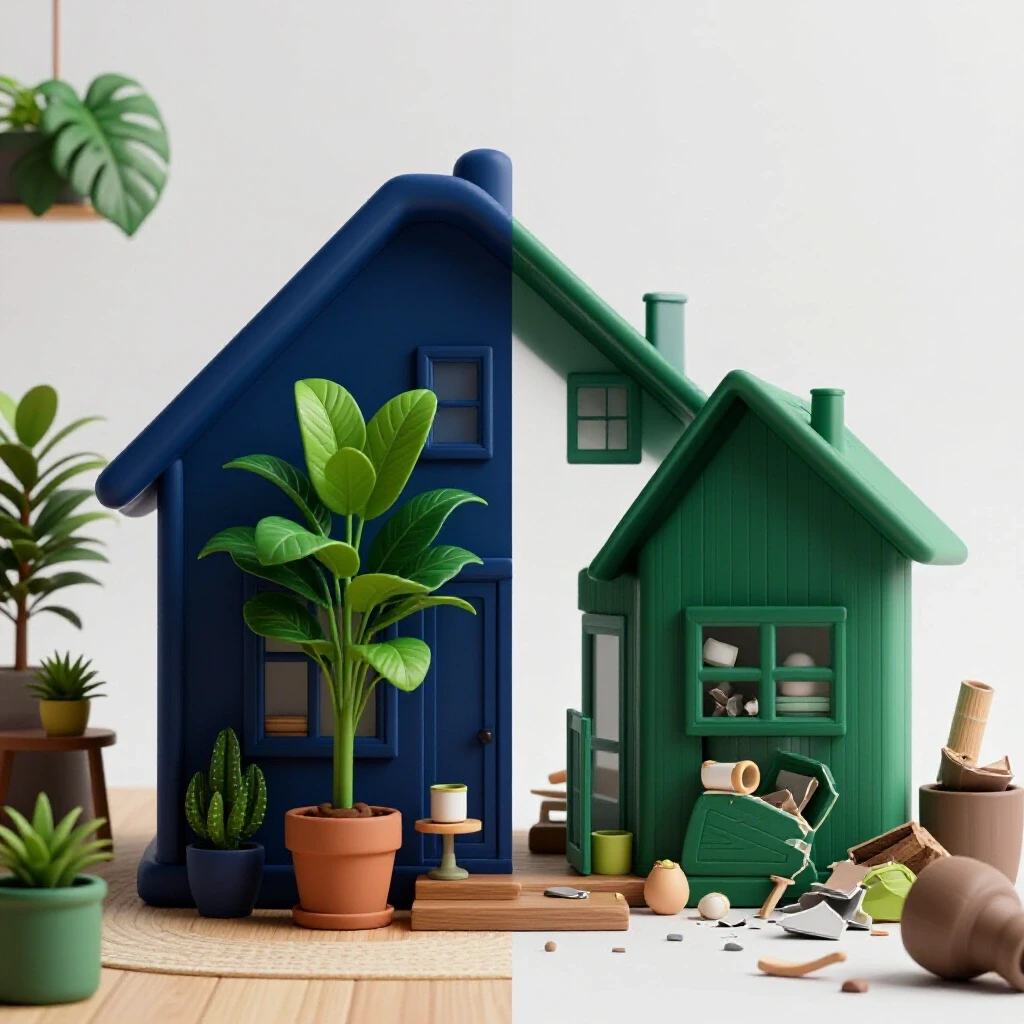
The first time I turned the key in my current front door, it was a crisp October afternoon. The air was cool, and the house felt strangely silent, like a blank notebook waiting for the first entry. I remember standing in the empty living room, looking at the beige walls and the generic light fixtures, imagining how the space would look once I finally “finished” it. Now, having tracked my progress through three different homes over fourteen years, I realize that a home is never truly finished; it simply evolves alongside you.
The journey from those first few months of ownership to the five-year milestone is a profound transition. In the beginning, every scratch on the floor feels like a tragedy, and every decor choice feels permanent. By the time you have lived in a space for half a decade, your perspective shifts from aesthetic perfection to functional harmony. You begin to understand how the light hits the kitchen table at noon and which corner of the den is the most comfortable for a rainy Sunday. This guide explores that internal transformation, focusing on how your interior environment matures through deliberate styling and hands-on projects.
The Shift from Staged Living to Lived-In Comfort
This transition marks the period where a house stops looking like a real estate listing and begins reflecting the daily habits of its occupants. It involves moving away from rigid design rules toward a layout that supports actual movement, hobbies, and rest within the four walls. Over time, the pressure to impress guests fades, replaced by a deep desire for a space that works for your specific lifestyle.
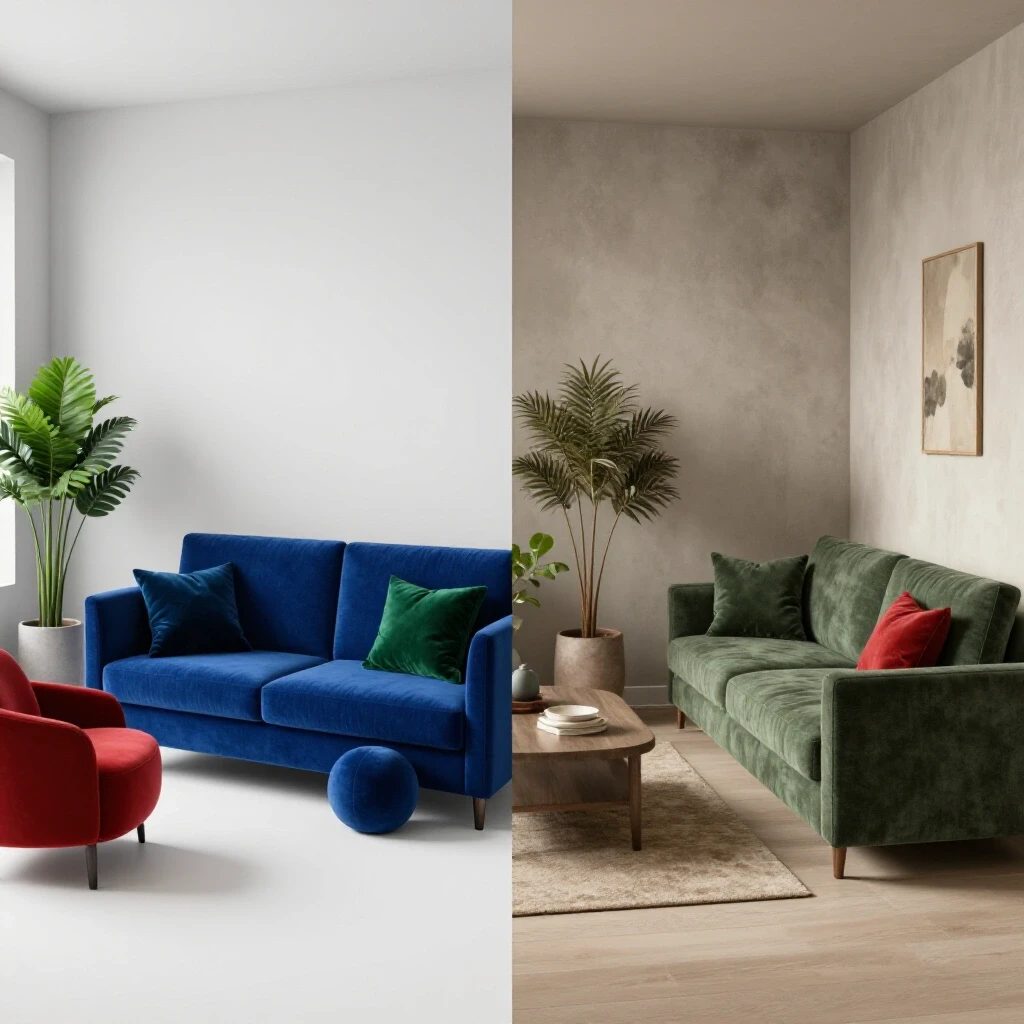
When I first moved in, I was obsessed with the “model home” look. I chose furniture based on how it looked in a catalog rather than how it felt after a long day at work. By my fifth year, I had swapped a beautiful but stiff velvet sofa for a deep, durable sectional that actually invited people to sit down. This is a common pattern I see in my logs: the first year is about the eyes, but the fifth year is about the body.
Interestingly, the U.S. Census Bureau housing surveys often show that interior satisfaction peaks around the five-year mark. This is usually because residents have finally ironed out the “friction points” of their floor plan. You stop fighting the house and start working with its natural flow. You learn that a rug needs to be larger than you initially thought, or that a certain door swing always gets in the way of a trash can.
- Year 1: Prioritizing “the look” and following trends.
- Year 3: Adjusting furniture placement for better traffic flow.
- Year 5: Investing in high-touch items like quality hardware and comfortable seating.
Adapting Interior Layouts for Changing Life Stages
Spatial evolution occurs as your personal needs shift, requiring rooms to serve multiple purposes over time. This process involves re-evaluating floor plans to accommodate new career paths, family expansions, or specialized interests that weren’t present on the day you moved in. A home must be flexible enough to grow with you, or it quickly becomes a source of stress.
In my second home, what started as a guest room slowly transformed into a dedicated home office, and eventually became a hybrid hobby space. This wasn’t a sudden overhaul but a series of small, iterative changes. I noticed that I was spending more time at a desk than hosting overnight visitors. As a result, the bed was replaced with a high-quality sleeper sofa, freeing up floor space for a larger workstation and better lighting.
This type of flexibility is a hallmark of successful long-term residency. According to HUD reports on housing trends, homeowners who adapt their existing square footage to meet new needs are significantly more likely to stay in their homes longer. Instead of looking for a new house when life changes, they look for new ways to use the rooms they already have.
- Identify underutilized corners that can serve a dual purpose.
- Use modular furniture that can be easily moved or repurposed.
- Re-evaluate room functions every twelve months to ensure they still serve your current life.
The Progression of Personal DIY Craft Projects
Early homeownership often begins with minor cosmetic fixes, but as confidence grows, projects become more integrated into the home’s character. Tracking these manual efforts shows a clear trajectory from basic aesthetic updates to complex, custom interior solutions that define the home’s unique identity. Each project adds a layer of personal history to the walls, making the space feel truly yours.
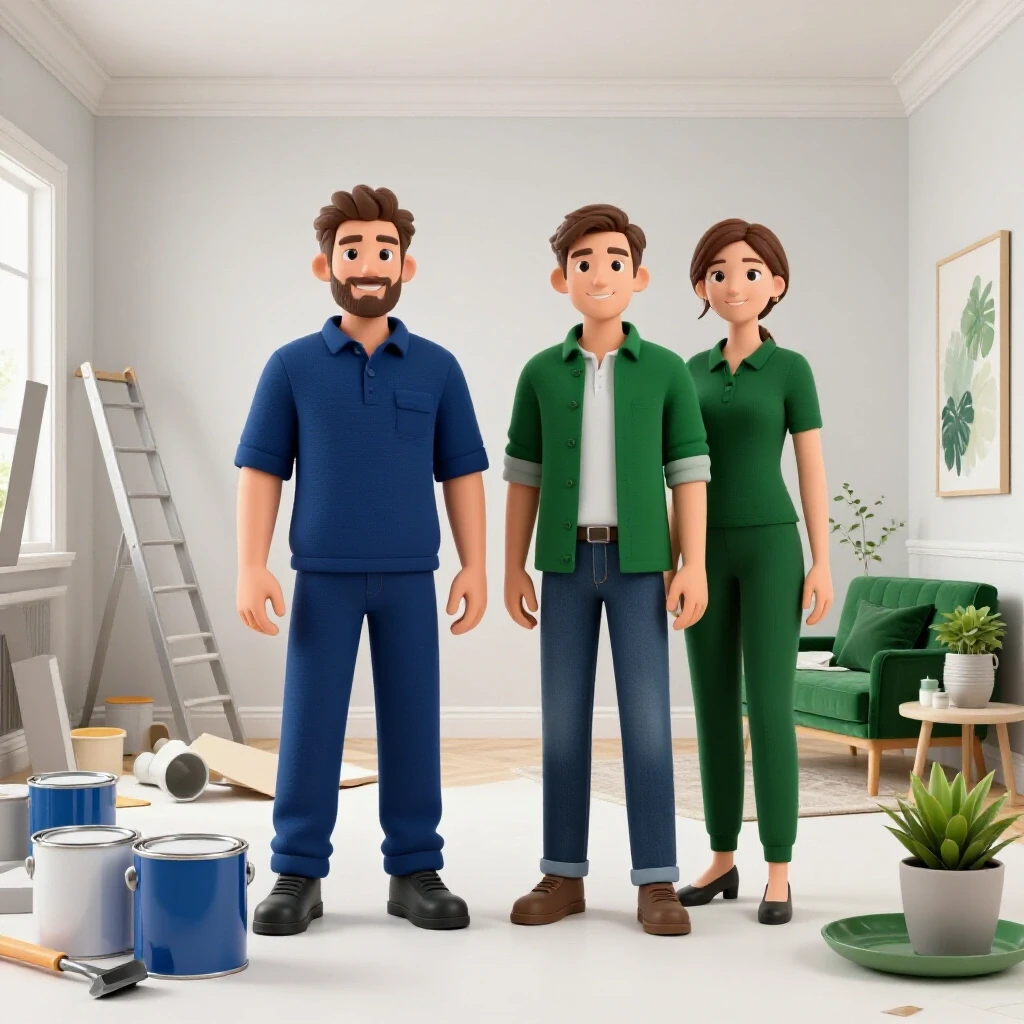
My own DIY journey started with a simple gallon of paint and a lot of anxiety. I was terrified of “ruining” the walls. Fast forward five years, and I was comfortably installing custom crown molding and building built-in bookshelves. The difference wasn’t just in the tools I owned, but in the psychological comfort I felt with the structure of the house. You start to see the interior not as a fragile box, but as a canvas for your own creativity.
Mastering the Art of Interior Paint and Texture
Paint is the most common entry point for personalizing a space, yet the approach changes as you learn how light interacts with different finishes. Over a five-year span, many homeowners move from trendy accent walls to cohesive, sophisticated palettes that unify the entire interior. This maturity in color selection helps create a sense of calm and continuity throughout the home.
I have found that my early color choices were often too bold or too influenced by what was “in” at the moment. By the time I reached the five-year mark in my current residence, I had repainted three rooms in more muted, timeless tones. I realized that a room’s color should support the furniture and art, not compete with it. Understanding the difference between eggshell, satin, and matte finishes is a skill that only comes with trial and error.
- Use matte finishes for ceilings to hide imperfections.
- Choose satin or semi-gloss for trim and doors for easier cleaning.
- Always test a large swatch on different walls to see how light changes the hue throughout the day.
Refining Decor and Furniture for Long-Term Durability
This stage of ownership focuses on moving away from temporary, “flat-pack” solutions toward high-quality pieces that withstand daily use. It is a shift in mindset that prioritizes materials, construction, and timeless design over fleeting interior trends that quickly lose their appeal. Investing in quality early on prevents the cycle of “disposable” furniture that ends up in landfills.
In my first few years, I filled my rooms with inexpensive pieces because I wanted the house to feel “full” right away. However, my logs show that by year four, most of those items were showing significant wear. The laminate was peeling, and the cushions were sagging. I began a process of “intentional replacement,” where I saved up for one high-quality piece of furniture per year.
| Feature | Early-Stage Furniture (Years 1-2) | Mature-Stage Furniture (Years 5+) |
|---|---|---|
| Material | Particle board, synthetic fabrics | Solid wood, top-grain leather, linen |
| Goal | Filling empty space quickly | Longevity and ergonomic support |
| Style | High-trend, fast-fashion | Timeless, classic silhouettes |
| Maintenance | Difficult to repair if damaged | Often repairable or gains “patina” |
Internal Systems and Aesthetic Maintenance Routines
Keeping an interior looking fresh requires more than just cleaning; it involves a systematic approach to addressing wear and tear on surfaces and fixtures. Establishing these routines ensures that the aesthetic improvements made over the years remain in peak condition despite the rigors of daily life. Proactive care prevents small scuffs from turning into a tired-looking home.
I learned the hard way that ignoring small interior issues leads to a “death by a thousand cuts” for your home’s appearance. A loose cabinet handle or a stained grout line might seem minor, but when twenty of these small things accumulate, the home starts to feel neglected. I now keep a “touch-up kit” in my utility closet, containing the exact paint colors used in every room and a few basic tools for quick fixes.
- Monthly: Check for scuffs on high-traffic walls and touch up as needed.
- Quarterly: Deep clean upholstery and condition any leather furniture.
- Annually: Inspect and tighten all cabinet hardware and door hinges.
Overcoming the Fatigue of Constant Interior Iteration
Homeowner burnout often stems from the feeling that a house is never truly “finished.” Learning to pace decor projects and celebrate the progress made over several years is essential for maintaining a positive emotional connection to your living environment and avoiding decision paralysis. It is important to remember that a home is a place to live, not just a project to manage.
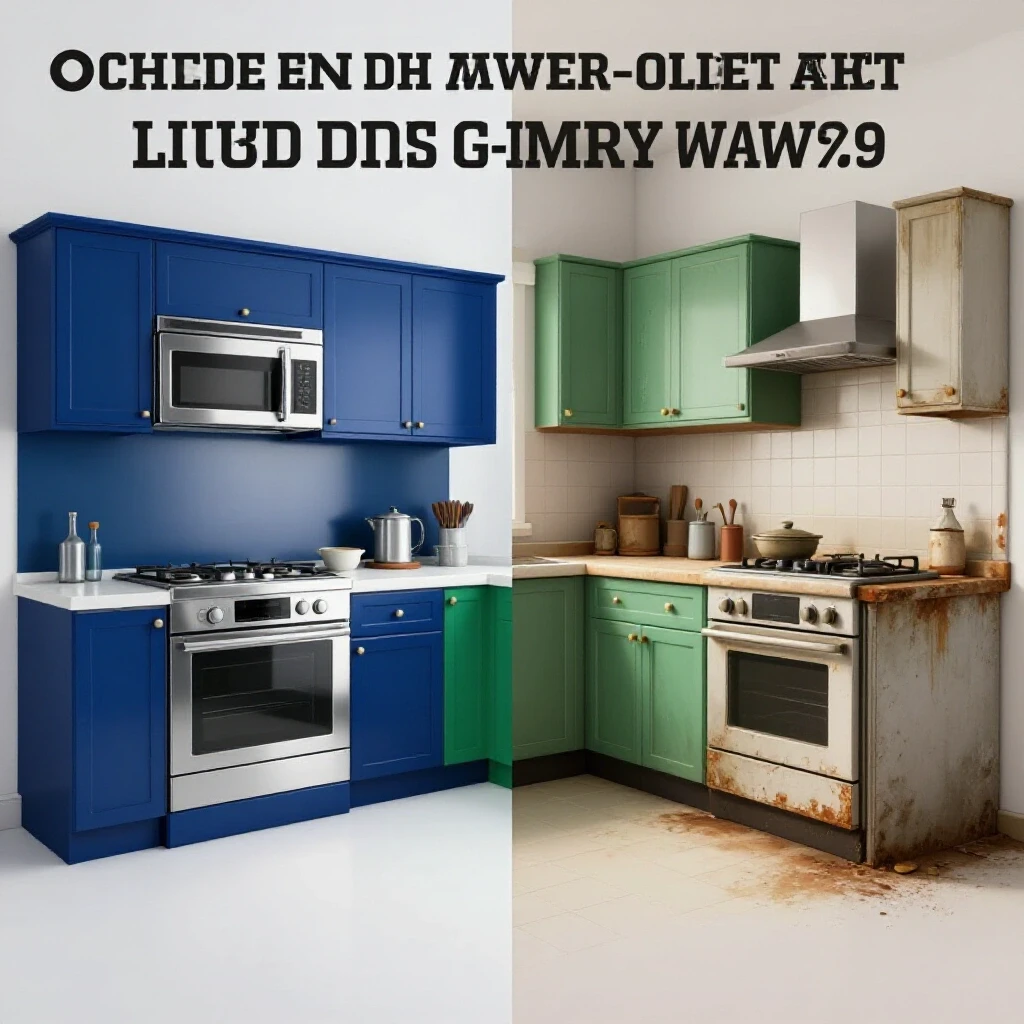
There were times in my third year where I felt overwhelmed by the list of things I still wanted to change. I felt like I was failing because my house didn’t look like the perfectly curated homes on social media. I had to step back and look at my logs to see how much I had actually accomplished. This “look back” is vital for mental health. When you see the photos of the day you moved in compared to where you are now, the progress is usually staggering.
- Take “before” photos of every room and save them in a dedicated folder.
- Limit yourself to one major interior project per season to avoid burnout.
- Schedule “no-project” months where you simply enjoy the home as it is.
Establishing a Sustainable Rhythm for Interior Care
As you cross the five-year threshold, the goal shifts from transformation to preservation. You have likely found your style, completed the major DIY projects, and settled into a layout that works. Now, the focus is on maintaining that balance. This requires a shift in how you view your time and resources.
In my experience, the most successful homeowners are those who treat their interior care like a slow-moving marathon rather than a sprint. They don’t try to change everything at once. Instead, they make small, meaningful updates that build upon the foundation they’ve already created. This sustainable approach leads to a home that feels cohesive and deeply personal.
- Review your interior goals every New Year’s Day.
- Maintain a digital log of all paint colors, fabric types, and furniture sources.
- Invest in high-quality cleaning tools that make daily maintenance less of a chore.
- Prioritize comfort and functionality over the latest interior design fads.
The five-year mark is a significant milestone. It is the point where the house stops being a “new” purchase and starts being your history. The scuff on the baseboard from your first puppy or the slightly uneven shelf you built yourself are the things that give a home soul. By following a measured, data-backed approach to your interior evolution, you can ensure that your home remains a source of pride and comfort for many years to come.
Frequently Asked Questions
How long does it typically take for a new homeowner to feel “settled” in their interior design? Most homeowners report feeling truly settled between the third and fifth year. The first two years are often spent reacting to immediate needs and learning the quirks of the space. By the third year, you usually have enough experience living in the rooms to make informed, long-term decisions about layout and decor.
Is it better to buy all my furniture at once or piece by piece? I highly recommend the piece-by-piece approach. Buying everything at once often leads to a “showroom” look that lacks personality and may not function well in the long run. Living with a room for a few months before buying major pieces allows you to understand the scale, lighting, and traffic patterns of the space.
What are the most common DIY mistakes people make in the first five years? The most common mistakes are rushing the prep work (especially in painting), choosing trends over timeless quality, and attempting complex electrical or plumbing projects without proper research. Another frequent error is over-personalizing permanent fixtures in ways that might make future changes difficult or labor-intensive.
How do I decide which interior projects to tackle myself and which to hire out? A good rule of thumb is to evaluate the “cost of failure.” If a mistake in a DIY project results in a cosmetic issue (like a bad paint job), it is usually worth trying yourself. If a mistake could cause safety issues or significant damage (like improper tile waterproofing), it is often better to hire a professional.
How can I keep my interior looking fresh without spending a lot of money on new decor? The most effective way to refresh a space is through “shopping your own home.” Moving furniture between rooms, swapping art, or changing the layout can make a space feel new. Additionally, deep cleaning, decluttering, and updating small items like light bulbs or cabinet hardware can have a significant impact.
Why does my style seem to change so much after a few years of homeownership? As you gain more experience living in your own space, your priorities shift from external validation to internal comfort. You also become more aware of what materials and colors actually make you feel good. This natural evolution is a sign that you are becoming more in tune with your environment.
How do I handle the “unfinished house” anxiety? Focus on one room at a time and set realistic deadlines. Keeping a log of the projects you have already completed can provide a sense of accomplishment. Remember that the goal of homeownership is to provide a backdrop for your life, not to create a museum-perfect environment.
What are the signs that a piece of furniture is worth investing in for the long term? Look for “honest” materials like solid wood, metal, or natural fibers. Check the joinery on drawers and the weight of the piece. If a piece can be sanded, refinished, or reupholstered, it has a much longer potential lifespan than something made of bonded leather or thin veneers.
How often should I repaint the interior of my home? High-traffic areas like hallways, kitchens, and bathrooms may need touch-ups or a fresh coat every 3 to 5 years. Bedrooms and formal living areas can often go 7 to 10 years. Using high-quality washable paint can significantly extend the time between full repaints.
What is the best way to track my home’s interior evolution? I recommend keeping a digital folder with “before and after” photos, along with a simple spreadsheet or notebook listing paint colors, dimensions of rooms, and dates of major purchases or DIY projects. This record is invaluable for matching colors later or planning future upgrades.
(This article was written by one of our staff writers, Michael Morrison. Visit our Meet the Team page to learn more about the author and their expertise.)