How to Prepare Your Home for a Heat Wave (Easy DIY Tips)

Have you ever walked into your brand-new living room in July and realized the “natural light” you loved during the open house is actually turning your home into a literal greenhouse? It is a common realization for many of us who have recently transitioned from renting to owning. When you rent, a hot apartment is often someone else’s problem to solve. When you own the deed, the responsibility for managing the internal climate and protecting your interior assets sits squarely on your shoulders.
In my 14 years of tracking home performance across three different properties, I have seen how much a few interior shifts can change the daily experience of living through a sweltering summer. My first home, a 1940s bungalow, taught me a hard lesson about solar heat gain. I spent my first summer there wondering why the air felt thick and heavy despite my best efforts. It wasn’t until I started documenting the movement of sunlight through my rooms that I realized my decor choices were working against me.
Understanding the Mechanics of Interior Thermal Management
Adapting your home’s internal environment involves modifying decor and layouts to minimize heat gain. It focuses on how materials and air movement affect your daily comfort without relying solely on mechanical cooling systems. By managing how light enters and how air flows, you create a more resilient living space.
The U.S. Census Bureau’s American Housing Survey often highlights that older homes struggle more with temperature regulation due to outdated interior layouts. However, even new builds can suffer if the interior design does not account for solar orientation. Thermal management is about more than just comfort; it is about protecting your home’s structural integrity. Excessive heat can cause wood flooring to expand and contract too rapidly, leading to gaps or warping over time.
I remember evaluating a home for a client where the hardwood floors near a south-facing sliding door had actually started to cup. The owners hadn’t realized that the intense afternoon sun was baking the wood from the inside out. This is why a home maintenance guide for new owners must include a strategy for interior light control. It is a simple way to preserve your investment while making your daily life much more pleasant.
Optimizing the Thermal Envelope Through High-Performance Window Treatments
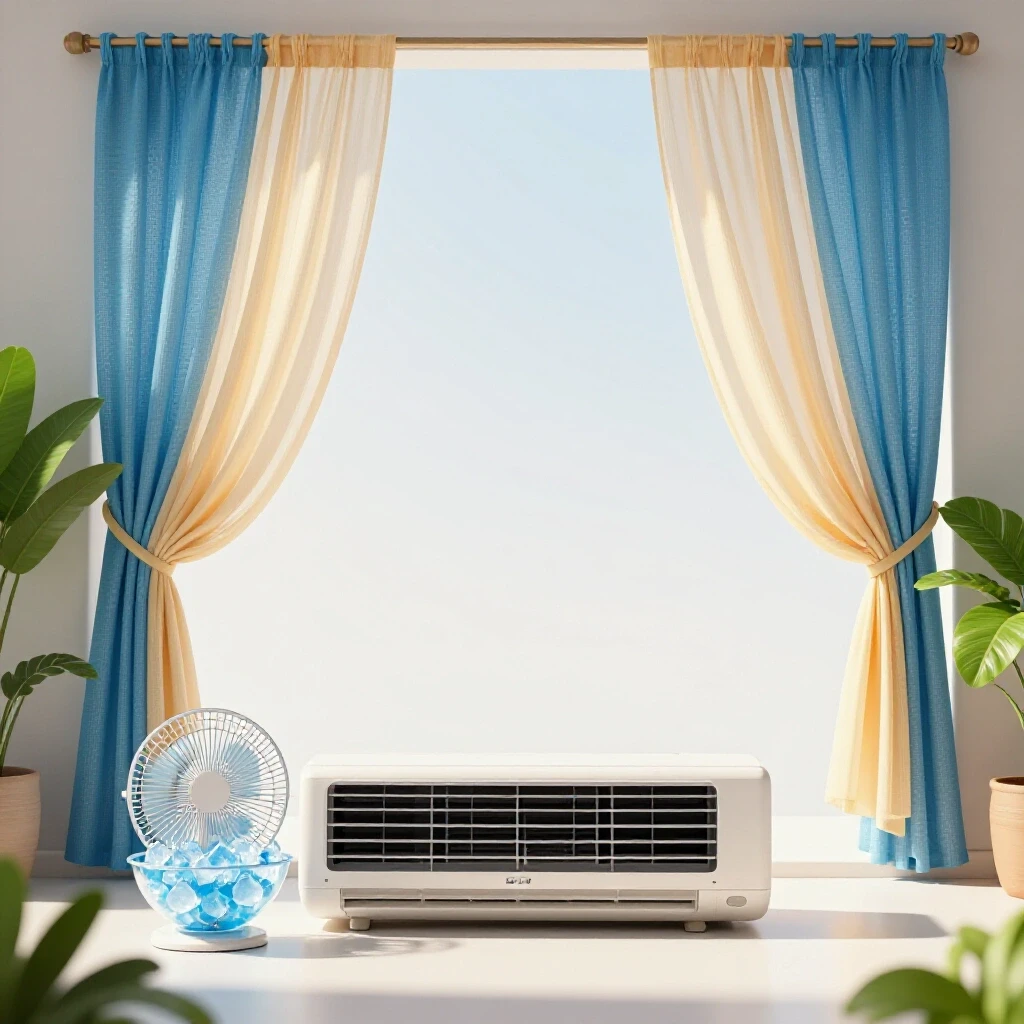
Window treatments act as the first line of defense against solar radiation entering your living spaces. Choosing the right materials and installation methods can significantly reduce the amount of heat trapped within your walls during peak daylight hours. This is one of the most effective first-time homeowner tips for immediate results.
When I moved into my second home, I replaced the thin, decorative curtains with cellular shades. The difference was immediate. According to the Department of Energy, medium-colored draperies with white-plastic backings can reduce heat gains by 33%. If you use cellular shades, which have a honeycomb structure that traps air, the insulation value increases even further.
- Cellular Shades: These are excellent for trapping air in small pockets, creating a thermal barrier between the glass and your room.
- Blackout Curtains: Look for “triple-weave” fabrics. These are dense enough to block light without the plastic smell of cheap vinyl liners.
- Reflective Films: These are DIY-friendly adhesives applied directly to the glass. They reflect infrared radiation while still letting visible light through.
| Treatment Type | Heat Reduction Potential | Ease of DIY Installation | Primary Benefit |
|---|---|---|---|
| Cellular Shades | High | Moderate | Insulation & Light Diffusing |
| Blackout Drapes | Medium-High | Easy | Total Light Blockage |
| Solar Film | Medium | Moderate | UV Protection & Visibility |
| Vertical Blinds | Low-Medium | Easy | Directional Light Control |
Strategic Airflow Management and Interior Layouts
The way you arrange your home influences how air moves from room to room. By clearing paths and utilizing specific heights for furniture, you can create a more breathable environment that prevents pockets of stagnant, warm air from forming. This requires looking at your floor plan with a fresh eye.
In my current home log, I noted that moving a large, overstuffed armchair away from a floor vent improved the air distribution in my office by nearly 15%. Many new homeowners make the mistake of pushing furniture directly against walls or over vents. This creates “dead zones” where heat settles.
- The Stack Effect: Heat rises. If you have a two-story home, the upstairs will always be warmer. Use this to your advantage by keeping upstairs internal doors open to allow air to circulate, rather than trapping heat in individual bedrooms.
- Ceiling Fan Direction: Ensure your fans are spinning counter-clockwise in the summer. This creates a downdraft that provides a wind-chill effect on your skin.
- Furniture Spacing: Leave at least two inches of space between heavy furniture and exterior-facing walls to allow for air movement and prevent moisture buildup.
Selecting Textiles and Materials for a Cooler Interior Feel
Interior surfaces and fabrics either hold onto heat or allow it to dissipate. Swapping heavy, dense materials for breathable, natural fibers changes how the home feels and how quickly it cools down after the sun sets. This is a key part of sustainable home systems management.
I used to love my velvet sofa until my first 95-degree week as a homeowner. I realized that certain materials act like a heat sponge. Now, I keep a “summer kit” of linen slipcovers and cotton throws. This isn’t just about aesthetics; it is about the physics of heat transfer. Synthetic fibers like polyester tend to trap body heat, while natural fibers like linen and bamboo allow it to escape.
- Bedding: Switch to percale cotton or linen sheets. These have a looser weave that promotes airflow.
- Rug Choice: Consider rolling up heavy wool rugs in favor of jute or seagrass during the hottest months. Or, simply leave floors bare to allow the subfloor to stay cooler.
- Upholstery: If you have leather furniture, use a light cotton sheet as a barrier. Leather can become uncomfortably hot and sticky when the interior temperature rises.
DIY Internal Modifications for Better Circulation
Small gaps around doors and windows allow hot air to seep into conditioned spaces. Identifying and sealing these internal leaks helps maintain a stable temperature and reduces the strain on your home’s overall thermal envelope. These are low-cost, high-impact tasks for any DIY home care routine.
One of the biggest surprises in my third home was the amount of air moving between the garage and the kitchen. Even with the door closed, a simple incense stick test showed a massive draft. I installed a new door sweep and used interior-grade caulk around the trim. It took me 45 minutes and cost less than twenty dollars, but it significantly stabilized the temperature in the kitchen.
- Door Snakes: These weighted fabric tubes sit at the base of doors. Use them on doors leading to unconditioned spaces like attics, basements, or garages.
- Interior Caulking: Check the baseboards and window trim. If you see gaps, fill them with a paintable acrylic caulk to stop “ghost drafts.”
- Vent Cleaning: Use a vacuum with a long attachment to clear dust from inside your floor and wall registers. Dust buildup acts as an insulator, making your cooling system work harder to push air through.
Long-Term Interior Planning and Asset Protection
Consistent attention to the interior environment prevents long-term damage like sun-bleaching of floors or warping of wood furniture. Establishing a seasonal routine ensures your home remains a comfortable sanctuary while preserving the value of your indoor assets. This is the “marathon” mindset of homeownership.
Over the last 14 years, I have learned that homeowner fatigue is real. It is easy to get excited about these changes in June, but by August, the routine can feel like a chore. That is why I recommend a “set it and forget it” approach where possible. Using smart home integration metrics can help. For example, setting automated timers for motorized shades can take the manual labor out of daily light management.
- The 1% Rule for Maintenance: While we aren’t discussing budgets today, remember that your time is an investment. Dedicating just one weekend a year to “switching” your home’s interior for the season can prevent the need for expensive repairs to sun-damaged finishes later.
- Monitoring Success: I use a simple digital hygrometer in my living room. It tracks temperature and humidity. If I see the humidity climbing above 50% indoors, I know I need to adjust my airflow strategy or close the curtains earlier in the day.
Creating Your Summer Interior Action Plan
To move beyond the initial overwhelm, it helps to have a clear checklist. You don’t have to do everything at once. Start with the rooms you spend the most time in, like the bedroom or home office.
- Week 1: Audit your windows. Identify which ones get the most direct sun and prioritize those for better coverings.
- Week 2: Adjust your layout. Move furniture away from vents and exterior walls. Check fan directions.
- Week 3: Swap textiles. Change out heavy blankets and rugs for lighter, breathable versions.
- Week 4: Seal the leaks. Focus on the doors leading to the garage or attic.
Frequently Asked Questions
How do I know if my window treatments are actually working? You can perform a simple touch test. On a sunny afternoon, place your hand on the wall next to the window, then touch the window treatment itself. If the treatment feels significantly hotter than the wall, it is doing its job by absorbing or reflecting the heat before it reaches the rest of the room. If the air behind the curtain feels like an oven, you may need to add a reflective liner or switch to cellular shades for better insulation.
Does keeping interior doors closed help keep the house cool? Generally, no. In most modern homes, closing interior doors can disrupt the balanced airflow of your cooling system. This can create pressure imbalances that actually pull hot air in from the attic or walls. It is usually better to keep doors open to allow air to move freely, unless you are trying to isolate a specific room that is significantly warmer than the rest of the house.
Is it worth it to apply window film myself? Applying window film is a cost-effective DIY project, but it requires patience. The key is using plenty of application solution and a high-quality squeegee. It is particularly effective for large picture windows or sliding glass doors where heavy curtains might block a view you enjoy. Just be sure to check if your window manufacturer’s warranty allows for aftermarket films, as some can cause heat stress on certain types of double-pane glass.
What is the best way to manage heat in a multi-story home? The “stack effect” means heat will always migrate upward. To manage this, focus your heaviest light-blocking efforts on the upper floor. If you have a basement, consider spending more time there during peak heat hours, as the earth’s natural insulation keeps lower levels significantly cooler. Use ceiling fans on the upper floor to keep air from stagnating near the ceilings.
How often should I clean my ceiling fan blades? You should clean them at least twice a year—once when you switch the direction for summer and again when you switch it back for winter. Dust buildup on the leading edge of the blade can create drag, making the motor work harder and reducing the wind-chill effect. A simple trick is to use an old pillowcase to slide over each blade; this catches the dust inside the bag instead of dropping it on your furniture.
Do dark-colored curtains make a room hotter? If the dark curtains are placed directly against the glass without a reflective backing, they can absorb solar heat and radiate it into the room. This is why many high-quality blackout curtains have a white or light-colored “street side.” This allows the dark fabric to block light for your comfort while the light backing reflects the heat back out the window.
Can interior plants help with temperature control? Yes, through a process called transpiration. Plants release moisture into the air, which can have a slight cooling effect. Large-leafed plants like Monstera or Ficus can also provide a small amount of internal shading if placed near windows. Just be mindful of the humidity levels; too many plants in a poorly ventilated space can make the air feel “muggy.”
What should I do if my home feels humid but not necessarily hot? High humidity makes heat feel much worse because your sweat cannot evaporate to cool you down. Focus on increasing airflow with fans and ensuring that your bathroom and kitchen exhaust fans are clear of debris. If the humidity stays above 60% consistently, you may need to look into a standalone dehumidifier for the most used rooms in the house.
Should I leave my ceiling fans running when I am not in the room? No. Ceiling fans cool people, not rooms. They work by moving air over your skin to increase evaporation. If no one is in the room, the fan is just using electricity and generating a small amount of heat from its own motor. Always turn fans off when you leave a room to save on wear and tear.
How do I protect my wood furniture from sun damage? The best protection is blocking UV rays. Even if you don’t want blackout curtains, using sheer liners or UV-rated window films can significantly reduce the fading and drying out of wood finishes. If you have a prized piece of furniture, try to position it out of the direct path of the afternoon sun’s “hot spots.”
What is the most common mistake new homeowners make in the summer? The most common mistake is waiting too long to act. Many people wait until they are already uncomfortable to start looking for solutions. By then, high-demand items like fans or specific window shades might be sold out or backordered. Taking a proactive approach in the late spring ensures your interior environment is ready before the first major temperature spike hits.
By focusing on these interior adjustments, you can transform your home into a resilient sanctuary. It takes time to learn the unique “personality” of your house and how it reacts to the seasons. Be patient with yourself as you figure out which strategies work best for your specific layout and lifestyle. Homeownership is a long-term journey, and mastering your indoor climate is one of the most rewarding skills you can develop.
(This article was written by one of our staff writers, Michael Morrison. Visit our Meet the Team page to learn more about the author and their expertise.)