Lawn Care Tips for Homeowners: Avoid Common Mistakes (Guide)

Imagine your yard is not a chore but a slow-motion experiment in biology and patience. Most new homeowners view their outdoor space as a static green carpet that should simply stay green, yet the reality is far more dynamic. The game-changing idea I discovered after 14 years of tracking my own property data is that your yard is a living ecosystem that responds better to consistent, small observations than to expensive, reactive “fixes.” When you stop trying to force your grass to look like a golf course and start treating it as an ongoing learning project, the stress of homeownership begins to lift.
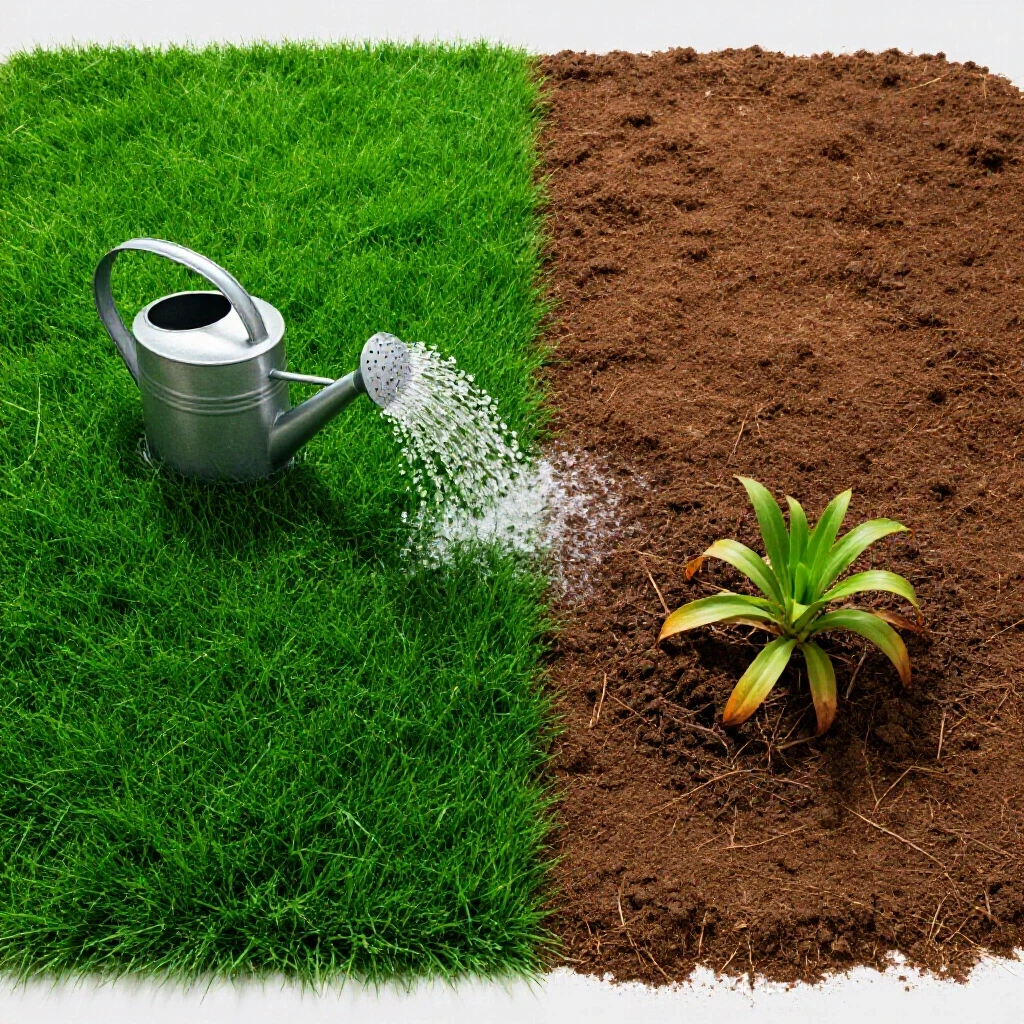
Shifting From Renter to Steward of the Soil
Moving from an apartment to a house requires a mental shift from calling a landlord to becoming the primary investigator of your own land. This transition involves taking ownership of everything from the drainage patterns in your backyard to the specific species of grass growing near your front porch.
When I bought my first home in 2010, I assumed the grass would just take care of itself. I spent the first summer watching my yard turn into a patchwork of brown straw and prickly weeds. According to U.S. Census Bureau housing surveys, many first-time buyers underestimate the time commitment of exterior upkeep, often spending less than two hours a week when four or five are required. I realized quickly that being a steward meant keeping a log of what worked and what failed. I began documenting when the first dandelions appeared and how long it took for the soil to dry out after a heavy rain. This data-driven approach turned my frustration into a manageable routine.
Why Your First Year is a Laboratory for Growth
The first twelve months in a new home are a critical period for observing how your outdoor environment reacts to the changing seasons. Instead of making massive changes immediately, use this time to identify which areas get the most sun and where water tends to pool after a storm.
During my first year, I made the mistake of planting expensive shrubs in a corner that I later realized was a natural drainage basin. They drowned within three months. By observing your property through a full cycle of spring rains and summer heat, you avoid wasting money on plants or projects that aren’t suited for your specific microclimate. This observational phase is the foundation of smart homeownership, allowing you to build a maintenance plan that works with nature rather than against it.
Establishing a Sustainable Outdoor Maintenance Budget
A sustainable budget for your exterior spaces balances the initial cost of essential tools with the recurring expenses of seeds, soil health boosters, and water. It avoids the “sticker shock” of emergency repairs by setting aside small amounts of money each month for proactive care.
Financial experts often suggest the 1% rule, where you set aside 1% of your home’s value annually for maintenance. In my experience across three different properties, about 15% to 20% of that fund usually goes toward the yard. For a $300,000 home, that is roughly $450 to $600 per year for outdoor needs. My personal logs show that in years where I skipped proactive soil testing or aeration, my “recovery” costs the following year were nearly double.
| Item | Estimated Initial DIY Cost | Annual Recurring Cost | Expected Lifespan |
|---|---|---|---|
| Basic Walk-Behind Mower | $300 – $500 | $30 – $50 (Fuel/Blade) | 8 – 12 Years |
| String Trimmer/Edger | $150 – $250 | $10 (Line) | 5 – 8 Years |
| Manual Soil Aerator | $40 – $60 | $0 | 15+ Years |
| Grass Seed & Soil Health | N/A | $100 – $200 | Seasonal |
| Hand Weeding Tools | $30 – $50 | $0 | Lifetime |
Avoiding the “Instant Curb Appeal” Financial Trap
It is tempting to spend thousands of dollars at a big-box garden center the first weekend you move in, but this often leads to high-maintenance failures. Sustainable budgeting means prioritizing the health of your existing grass and soil before adding decorative elements that require even more work.
I once spent $800 on “instant” sod to fix a bare patch, only to have it die because I hadn’t addressed the underlying soil compaction. If I had spent $50 on a manual aerator and $30 on high-quality seed, the results would have been more permanent. HUD reports suggest that well-maintained landscapes can increase property value, but the highest ROI comes from consistent health, not flashy, short-lived additions. Focus your budget on the “bones” of your yard first.
The Seasonal Rhythm of Grass and Soil Health
Understanding the seasonal cycle of your yard helps you time your efforts for maximum impact with minimum effort. Grass has specific periods of growth and dormancy, and hitting these windows is more important than the total number of hours you spend working.
In my second home, I learned that my efforts in the fall were actually more important than my work in the spring. Fall is when cool-season grasses build the root strength they need to survive the following summer. By tracking my watering bills alongside my grass health, I found that deep, infrequent watering (about one inch per week) encouraged deeper roots than daily light sprinkling. This not only saved me roughly $40 a month on my utility bill but also made my yard more drought-resistant.
Spring: The Wake-Up Call for Your Property
Spring is about cleaning up debris and preparing the soil for the growing season without overworking the land while it is still wet and vulnerable. It is a time for light raking to remove “snow mold” and checking your equipment to ensure everything is ready for the first cut.
- Inspect your mower blade; a dull blade tears grass, leading to disease.
- Clear away fallen branches and matted leaves that can suffocate new growth.
- Test your soil pH to see if you need natural amendments like lime or sulfur.
- Avoid walking on very muddy areas to prevent soil compaction.
Fall: The Foundation for Next Year’s Success
Fall is the most critical window for long-term turf resilience, as the cooler air and warm soil provide the perfect environment for root development. This is the time to fill in thin spots and provide the nutrients the grass will store over the winter.
- Aerate the soil to allow oxygen and water to reach the root zone.
- Spread high-quality seed over existing grass to thicken the canopy.
- Apply a thin layer of compost to boost organic matter in the soil.
- Continue mowing until the grass stops growing, usually after the first hard frost.
Mastering the Art of Hands-On Turf Management
Effective turf management is a skill developed through repetition and the willingness to adjust your technique based on the weather. It involves more than just cutting the grass; it is about managing the height, density, and hydration of your outdoor space.
One of the biggest mistakes I made as a new homeowner was “scalping” my grass—cutting it as short as possible so I wouldn’t have to mow as often. My logs from 2014 show that the areas I cut too short were the first to turn brown and the first to be invaded by crabgrass. I learned the “one-third rule”: never remove more than one-third of the grass blade at a time. This keeps the plant healthy and allows it to shade the soil, which prevents weed seeds from germinating.
The Essential Tool Kit for New Homeowners
You don’t need a shed full of expensive machinery to maintain a beautiful yard. A few well-chosen, high-quality hand tools and a reliable mower are enough to handle 90% of the tasks required for a standard residential lot.
- A Sharp Mower: Whether gas, electric, or manual reel, the sharpness of the blade is the most important factor.
- A Sturdy Rake: Essential for clearing debris and leveling small amounts of soil or mulch.
- A Hand Weeder: A “cobra head” or “fishtail” weeder allows you to remove the entire root of a weed without disturbing the surrounding grass.
- A Soil Probe: A simple metal rod or specialized tube that lets you check soil moisture and compaction levels.
- A Quality Hose and Sprinkler: Look for “kink-free” hoses and a sprinkler that can be adjusted to fit the shape of your yard.
Integrating Aesthetic Design With Practical Maintenance
A beautiful yard should be sustainable and manageable within the context of your daily life. Integrating design elements like mulch beds and native plants can reduce the total area of grass you need to maintain while increasing the visual appeal of your home.
In my current home, I reduced my mowing time by 30% by expanding the mulch beds around my trees and corners. This eliminated the need for difficult maneuvers with the mower and created a more “finished” look. According to EPA recommendations, using native plants in these beds reduces the need for supplemental watering and provides a habitat for local pollinators. It is a win-win for your schedule and the environment.
Using Mulch and Borders to Simplify Your Life
Strategic use of borders and mulch creates a “buffer zone” between your grass and your home’s foundation or fences. This makes trimming easier and protects your siding from damage caused by string trimmers or flying debris.
- Create a 12-inch “no-mow” zone around the house using wood chips or stone.
- Use natural cedar mulch to help retain moisture and suppress weeds in flower beds.
- Install simple plastic or metal edging to keep grass from creeping into your walkways.
- Choose mulch colors that complement your home’s exterior for a cohesive look.
Navigating the Learning Curve of Natural Weed Control
Managing weeds is a test of persistence rather than a one-time battle. By focusing on building thick, healthy grass, you naturally crowd out most weeds, reducing the need for any intervention.
I used to spend my Saturdays spraying every weed I saw, but the chemicals often stressed the surrounding grass, creating more bare spots for new weeds to grow. Now, I spend 15 minutes a week walking the yard with a hand tool. This “scouting” method allows me to catch weeds before they go to seed. If a specific area is overwhelmed, I look for the cause—usually, it is either soil that is too compacted or a spot that stays too wet. Fixing the environment is always more effective than just attacking the symptom.
Identifying Common Yard Invaders
Understanding what is growing in your yard helps you decide how to handle it. Not every non-grass plant is an enemy; some, like clover, actually pull nitrogen from the air and feed it back into your soil.
- Dandelions: Deep taproots mean they thrive in compacted soil; pull them after a rain when the ground is soft.
- Crabgrass: An annual that loves hot, thin spots; prevent it by keeping your grass tall and thick.
- Clover: Often a sign of low nitrogen; consider leaving it to help naturally fertilize your yard.
- Nutsedge: Thrives in overly wet areas; if you see this, check your drainage or reduce your watering frequency.
Protecting Your Asset: Long-Term Property Preservation
The way you manage your outdoor space has a direct impact on the structural integrity of your home. Proper grading and water management prevent moisture from seeping into your basement or cracking your foundation.
During a heavy storm in my second year of homeownership, I noticed water pooling against my foundation. My personal maintenance log noted that the soil had settled over time, creating a “negative grade” that sloped toward the house. I spent a weekend adding topsoil to create a gentle slope away from the walls. This simple, hands-on fix likely saved me thousands of dollars in foundation repair or basement waterproofing. Always ensure your downspouts extend at least five feet away from your home’s perimeter.
Monitoring Drainage and Hydrological Health
Water is the most destructive force a homeowner faces. Regularly inspecting how water moves across your property during a rainstorm is the best way to prevent long-term damage to both your yard and your house.
- Check that gutters are clear of leaves so water doesn’t overflow onto the ground next to the house.
- Ensure that your yard’s low points are far away from any structures.
- If you have a “swale” (a shallow ditch designed to move water), keep it clear of tall weeds or debris.
- Consider a rain barrel to capture runoff, which you can use to water your garden beds during dry spells.
Managing Homeowner Fatigue and Burnout
The responsibilities of maintaining a property can feel overwhelming, especially when you are balancing a career and family. It is important to set realistic expectations and realize that a perfect yard is a myth.
I have tracked my “homeowner burnout” levels over the years, and they always peak in July when the heat is high and the chores seem endless. To combat this, I give myself permission to let the grass go dormant (turn brown) during extreme heat. It isn’t dead; it’s just resting. By lowering my expectations during the hardest months, I preserve my energy for the critical fall tasks. Remember, your home is there to serve you, not the other way around.
Setting Achievable Monthly Goals
Instead of looking at a massive “to-do” list, break your outdoor tasks into small, manageable chunks. This prevents decision paralysis and ensures that the most important jobs actually get done.
- Month 1: Focus on learning your mower and finding a comfortable rhythm.
- Month 2: Identify the three biggest weed patches and tackle one per week.
- Month 3: Check your drainage during a rainstorm and note any pooling water.
- Month 4: Perform a simple soil test to plan for your fall amendments.
By the end of your first three years, these tasks will become second nature. You will find that you spend less time worrying about your yard and more time enjoying it. The “trial and error” phase is just part of the journey to becoming a confident, capable homeowner.
FAQ
How often should I really be mowing my grass? Most homeowners should mow once a week during the peak growing season (spring and early fall). However, the frequency should be based on growth rather than the calendar. Following the “one-third rule,” if your grass is four inches tall, you should cut it when it reaches about six inches. In the heat of summer, you might only need to mow every 10 to 14 days.
Is it worth it to buy an electric mower for a first home? Electric mowers have improved significantly. For typical suburban lots (less than a quarter-acre), they are excellent because they require less maintenance (no oil changes or gas) and are much quieter. If you have a larger property or very thick, tough grass, a high-quality gas mower may still provide more power and run-time.
How do I know if my grass is dead or just dormant? Dormant grass is a protective state during drought or cold; the blades turn brown, but the “crown” (the base of the plant) remains alive. To check, tug on a clump of brown grass. If it resists and feels firmly rooted, it is likely dormant. If it pulls out easily with no resistance and the roots look shriveled and gray, that section may be dead.
What is the cheapest way to improve my soil quality? Composting is the most cost-effective method. You can create “black gold” by composting your own kitchen scraps and yard waste. Additionally, “grasscycling”—leaving your grass clippings on the yard after mowing—returns valuable nitrogen to the soil for free, reducing your need for external fertilizers by up to 25%.
How much water does my yard actually need? Most grass types need about one inch of water per week, including rainfall. It is better to provide this all at once or in two deep sessions rather than light daily watering. Deep watering encourages roots to grow further into the soil, making the plants more resilient to heat and stress.
When is the best time of day to work on the yard? Early morning is ideal for both you and the plants. For watering, early morning (before 10:00 AM) allows the blades to dry before evening, which prevents fungal diseases. For mowing, wait until the dew has evaporated so the mower doesn’t clump, but try to finish before the midday heat sets in.
Should I remove all the clover and dandelions from my yard? Not necessarily. A “monoculture” of only one type of grass is often more fragile and prone to pests. Many modern homeowners are embracing “mixed” yards that include clover because it stays green during droughts and provides natural fertilizer. Dandelions are mostly an aesthetic issue; if they don’t bother you, they don’t necessarily hurt the grass.
What should I do if I have a large bare spot that won’t grow grass? First, identify the cause: is it too much shade, heavy foot traffic, or compacted soil? If it’s shade, you may need a different seed mix. If it’s traffic, consider stepping stones. For most bare spots, loosening the soil with a rake, adding a bit of compost, and spreading fresh seed in the fall will solve the problem.
Do I really need to aerate every year? If your soil is heavy clay or you have kids and pets constantly running on it, annual aeration is very beneficial. For lighter soils or yards with little traffic, every two to three years is usually sufficient. You can tell you need it if water starts to run off the surface rather than soaking in.
How do I handle “creeping” weeds from my neighbor’s yard? The best defense is a thick, healthy yard of your own. Weeds need light and space to germinate. If your grass is tall (3 to 4 inches) and dense, seeds from the neighbor’s yard will have a hard time reaching the soil and taking root. You can also create a physical barrier like a mulch border or a narrow strip of decorative stone.
(This article was written by one of our staff writers, Michael Morrison. Visit our Meet the Team page to learn more about the author and their expertise.)