How to Handle Warranty Claims on New Homes (Step-by-Step Guide)

Choosing a newly built house often starts with the dream of customizability. You get to pick the flooring, the cabinets, and the layout that fits your life perfectly. However, after fourteen years of tracking my own home logs across three different properties, I have learned that “new” does not mean “perfect.” The first year is less about relaxing and more about observing how your home breathes, settles, and reacts to the local climate.
Understanding the Builder Service Period
The initial service period is a set timeframe, usually one year, during which the builder agrees to fix specific construction defects or installation errors. This phase is crucial because it allows the structure to go through a full cycle of seasons, revealing how materials expand and contract.

In my 2021 home, I noticed that the transition from a humid summer to a dry winter caused several “nail pops” in the ceiling. These are small, circular bumps where the drywall fasteners pull away slightly as the wood framing dries out. While these look alarming to a first-time buyer, they are a standard part of the settling process. Tracking these issues in a dedicated home maintenance guide helped me present a clear list to my builder during our scheduled check-ins.
The Importance of the 11-Month Assessment
A final assessment occurs right before your basic labor and materials coverage ends, typically at the eleven-month mark. This is your last chance to have the builder address cosmetic or functional flaws that surfaced during your first year of living in the space.
Building on this, I recommend keeping a “living list” on your fridge or in a digital app. Every time a door sticks or a floorboard squeaks, write it down immediately. When I reached my eleventh month, I had a list of twelve items, including a window that wouldn’t lock and a loose piece of exterior trim. Because I had documented these over time, the repair process was smooth and efficient.
Practical DIY Adjustments After Professional Repairs
Once a builder completes their list of repairs, the homeowner often needs to step in for the finishing touches. While builders fix the structural or functional issue, they may only provide a basic patch that requires your personal touch to match your home decor.
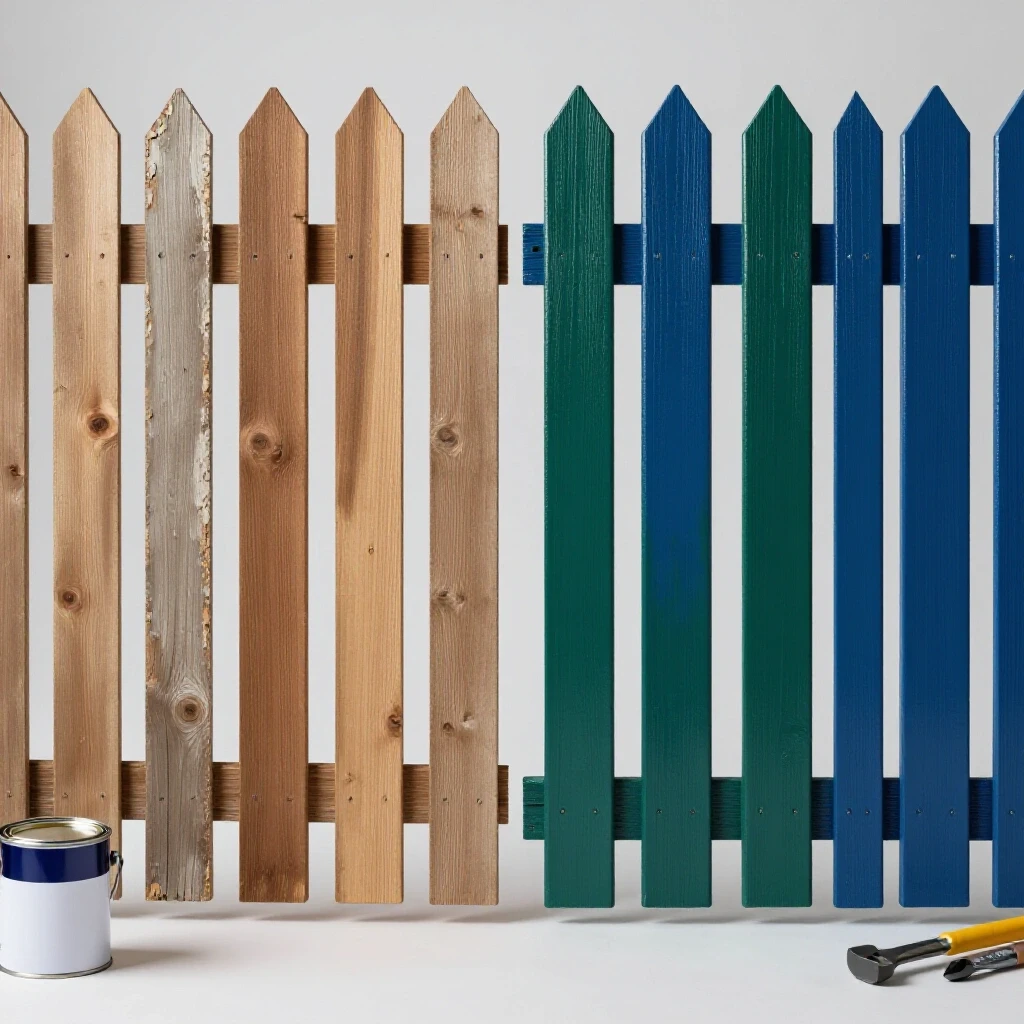
Interestingly, most builder agreements cover the repair of drywall cracks but do not include custom paint matching or repainting the entire wall. This is where your DIY home care skills become essential. After my builder patched a settlement crack in the living room, I spent a weekend sanding and repainting that section. It was a small investment of time that restored the room’s aesthetic and saved me from staring at a “patch job” for years.
Essential Toolkits for New Homeowners
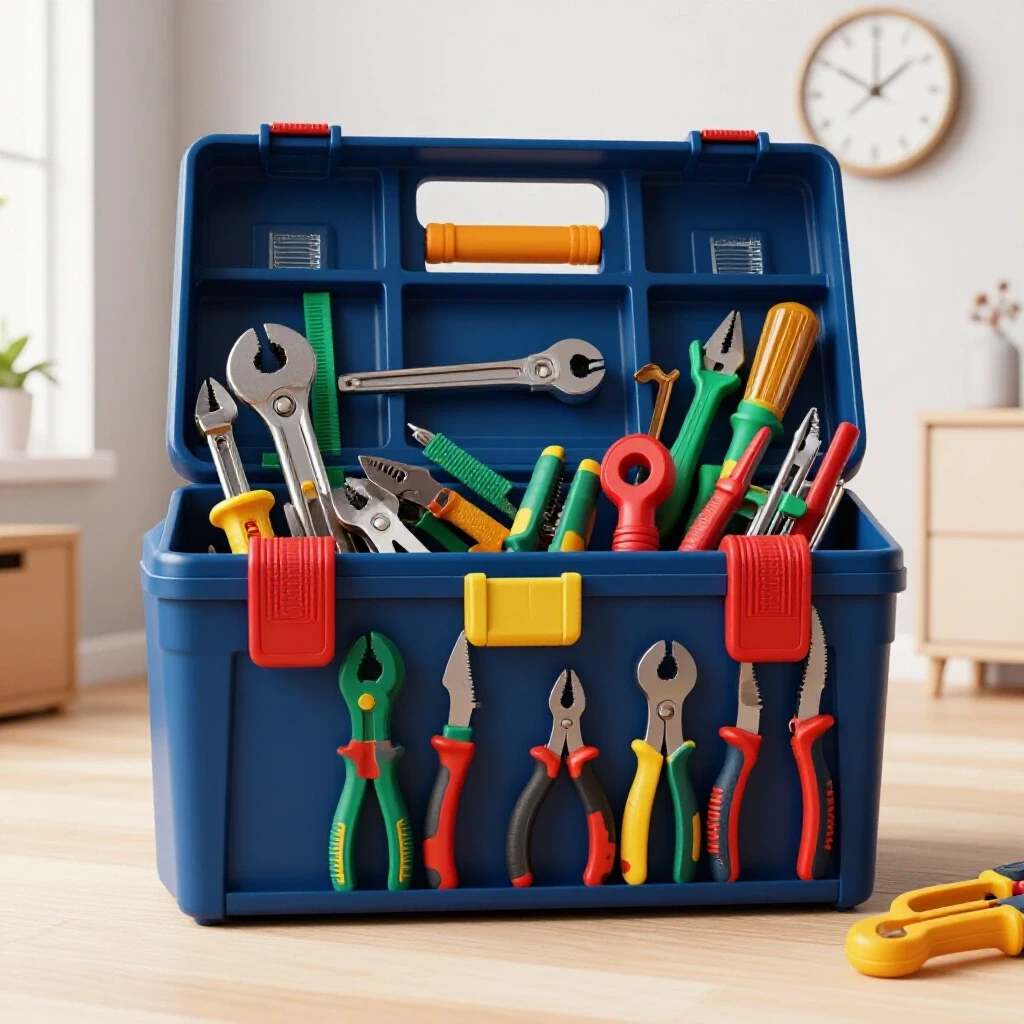
Having the right tools on hand allows you to handle the minor adjustments that don’t quite qualify for a builder service request. A basic kit should include a level, a set of screwdrivers, a hammer, and a high-quality cordless drill for small tasks like tightening cabinet hinges.
As a result of my years of logging repairs, I’ve found that 80% of my monthly maintenance involves simple tightening or cleaning. For example, new plumbing fixtures often collect construction debris in the aerators during the first few months. Knowing how to unscrew a faucet tip and rinse the screen is a foundational skill that prevents a “low water pressure” panic.
| Task | DIY Effort Level | Professional Cost Estimate | DIY Cost Estimate |
|---|---|---|---|
| Interior Paint Touch-ups | Low | $200 – $400 | $30 – $50 |
| Tightening Cabinet Hardware | Very Low | $75 – $150 | $0 |
| Recaulking Bathtub Edges | Medium | $150 – $300 | $20 – $40 |
| Changing HVAC Filters | Low | $80 – $120 | $15 – $25 |
Establishing a Household Budgeting Diary
A household budgeting diary is a detailed record of every dollar spent on your home’s operation, from utility bills to the cost of light bulbs. This practice helps you move past financial anxiety by turning “hidden costs” into predictable line items.
When I bought my first home in 2010, I was shocked by how much I spent on “small” things like lawn bags and air filters. By my third home, I used my logs to predict that I would need roughly $150 a month for general supplies and minor DIY projects. U.S. Census Bureau data suggests that homeowners spend significantly more on improvements in the first two years than in later years, so front-loading your savings is a smart move.
Benchmarking Your Utility Costs
Utility costs are the most frequent recurring expense and can vary wildly based on your home’s energy efficiency and your personal habits. Tracking these monthly allows you to spot “red flags,” such as a sudden spike in water usage that might indicate a hidden leak.
In my current home, I track my electricity usage per square foot. For a modern, well-insulated home, I aim for a balance that aligns with EPA energy-efficiency recommendations. If I see my cooling costs jump by 20% without a heatwave, I know it is time to check my HVAC filters or look for gaps in the weatherstripping.
Preventative Maintenance and System Lifespans
Preventative maintenance involves taking small, regular steps to ensure your home’s major systems, like the HVAC or water heater, run efficiently for as long as possible. This proactive approach is the best way to protect your long-term investment.
According to HUD reports, a well-maintained HVAC system can last 15 to 20 years, while a neglected one might fail in 10. I set a recurring calendar alert for the first of every quarter to inspect my systems. This simple habit has saved me from middle-of-the-night emergency calls, which are both stressful and expensive.
Appliance Replacement Horizons
Every appliance in your home has a “shelf life,” and knowing these timelines helps you plan your future savings. While your new appliances are likely covered by a manufacturer’s warranty for the first year, they won’t stay new forever.
- Dishwashers: 9 – 12 years
- Refrigerators: 10 – 15 years
- Washing Machines: 10 – 14 years
- Water Heaters: 8 – 12 years
By noting the installation dates in my home log, I can anticipate when a large expense is coming. If my water heater is ten years old, I start setting aside an extra $50 a month so I am ready when it eventually needs a replacement.
Managing the Emotional Realities of Homeownership
The transition to homeownership is as much psychological as it is financial, often involving a shift from the “carefree” mindset of a renter to the “responsible” mindset of an owner. It is normal to feel overwhelmed by the sheer volume of tasks required to keep a house in top shape.
I call this “homeowner fatigue.” In my second year of my first home, I felt like every weekend was consumed by chores. To combat this, I learned to prioritize. Not every scratch on the floor needs an immediate fix. Learning to distinguish between “structural necessity” and “cosmetic preference” is a key part of sustainable home systems management.
Creating a Sustainable Routine
A sustainable routine is a maintenance schedule that fits into your actual life without causing burnout or resentment toward your home. It involves breaking down large tasks into smaller, manageable pieces that can be done in 30 minutes or less.
- Weekly: Walk the perimeter of the house to look for debris or pests.
- Monthly: Test smoke detectors and change the furnace filter.
- Seasonally: Clean gutters and check exterior caulk for cracks.
- Annually: Flush the water heater and service the AC unit.
Following this structure allowed me to enjoy my home rather than just serving it. It turns the house from a source of stress into a stable foundation for my family’s life.
Strategic DIY Prioritization for Long-Term Value
Strategic DIY prioritization means choosing projects that offer the best return on your time and money while improving your daily living experience. Not every project you see on social media is worth the effort for a new homeowner.
I focus on “protective” DIY projects first. For example, adding a backsplash in the kitchen isn’t just about home decor; it protects the drywall from moisture and stains. Similarly, sealing your driveway or staining a new deck prevents weather damage that could lead to costly repairs later. These projects preserve the home’s value while letting you customize the look to your taste.
Energy Audits and Efficiency Upgrades
An energy audit is a professional or DIY assessment of how much energy your home consumes and where it is being wasted. Modern diagnostic apps and smart home tools make this easier than ever for the average person.
I use a smart thermostat to track my heating and cooling patterns. By analyzing this data, I discovered that my guest room was leaking air through a poorly sealed outlet. A $5 pack of foam gaskets solved the problem. These small, data-driven adjustments are the hallmark of a savvy modern homeowner.
Conclusion: Your Path to Confident Homeownership
Owning a home is a marathon, not a sprint. The first few years are about learning the language of your house and understanding how to navigate the builder’s repair process. By maintaining a detailed household budgeting diary and a consistent maintenance log, you move from a state of “reaction” to one of “proaction.”
Start small. This weekend, simply walk around your home with a notepad and look for anything that seems out of place. Check your faucet aerators, test your garage door sensors, and verify that your HVAC filters are clean. These tiny steps are the foundation of a healthy home and a balanced life. You don’t have to do everything at once; you just have to start.
Frequently Asked Questions
What should I do if my builder refuses to fix a cosmetic issue?
Most builder agreements distinguish between “structural defects” and “cosmetic flaws.” If a scratch in the flooring or a paint drip wasn’t noted on your pre-move-in walkthrough, the builder may not be required to fix it. In these cases, it is often best to handle it as a small DIY project to maintain your peace of mind.
How often should I update my home maintenance log?
I recommend a “touch-base” approach once a month. Spend 15 minutes updating any repairs you made, filing receipts for home-related purchases, and checking your upcoming seasonal tasks. This keeps the task from becoming a mountain of paperwork at the end of the year.
What is the “1% rule” for home maintenance savings?
The 1% rule suggests that you should set aside 1% of your home’s purchase price every year for maintenance and repairs. For a $400,000 home, that is $4,000 a year. While new homes may require less in the first few years, saving this amount early creates a vital safety net for when major systems eventually age out.
Are smart home gadgets worth the investment for maintenance?
Some are very useful, specifically water leak sensors and smart thermostats. A $30 leak sensor under the kitchen sink can save you thousands in flooring repairs by alerting your phone the second a pipe drips. However, avoid “gadget bloat” and focus on tools that provide actionable data.
How do I know if a crack in the wall is serious?
Small, vertical cracks or “hairline” fractures near door frames are usually just signs of the home settling. However, if you see horizontal cracks, cracks wider than a quarter-inch, or cracks that reappear quickly after being patched, these can be signs of structural movement and should be reported to the builder immediately.
Should I perform my own “one-year” inspection?
Yes, you should be your own best advocate. Use a high-powered flashlight to look at the ceiling for water stains, check every single outlet with a cheap plug-tester, and run all your appliances through a full cycle. Documenting your findings with photos makes it much easier for the builder to understand and address the issues.
Can I change my home’s layout during the first year?
While you can technically do anything you want, major structural changes or “gutting” rooms might void certain parts of your builder’s coverage. It is usually best to live in the home for at least a year to see how you actually use the space before committing to expensive renovations.
What are the most common “first-year” failures in new builds?
Based on my logs and industry trends, the most common issues are HVAC balancing (one room being too hot or cold), minor plumbing leaks at joints, drywall pops, and exterior drainage issues where soil has settled too much near the foundation.
How do I handle “homeowner burnout”?
The best way to handle burnout is to set a “no-house-work” day every week. Give yourself permission to ignore the lawn or the unpainted trim for 24 hours. Remember that your home is meant to be a place of rest, not just a list of tasks.
Is it worth learning basic plumbing and electrical skills?
Absolutely. Knowing how to shut off your main water valve or reset a tripped GFCI outlet can prevent emergencies from escalating. You don’t need to be an expert, but being a “functional” homeowner will save you time, money, and significant stress over the years.
(This article was written by one of our staff writers, Michael Morrison. Visit our Meet the Team page to learn more about the author and their expertise.)