Common Refrigerator Problems and Solutions (Homeowner Guide)

Owning a home is the most expensive way to discover that you are now the head of your own maintenance department. When I bought my first bungalow fourteen years ago, I spent weeks picking out the perfect rug for the living room, only to have my kitchen cooling unit fail three days after the housewarming party. I realized then that homeownership is less about the “perfect” aesthetic and more about how you manage the inevitable gaps between things working and things breaking.
Managing the Psychological Shift of First-Year Household Failures
The transition from renting to owning means you can no longer call a landlord when a major kitchen feature stops working. This shift requires a new mental framework where you view your home as a living system that needs constant, small adjustments to stay functional and beautiful.
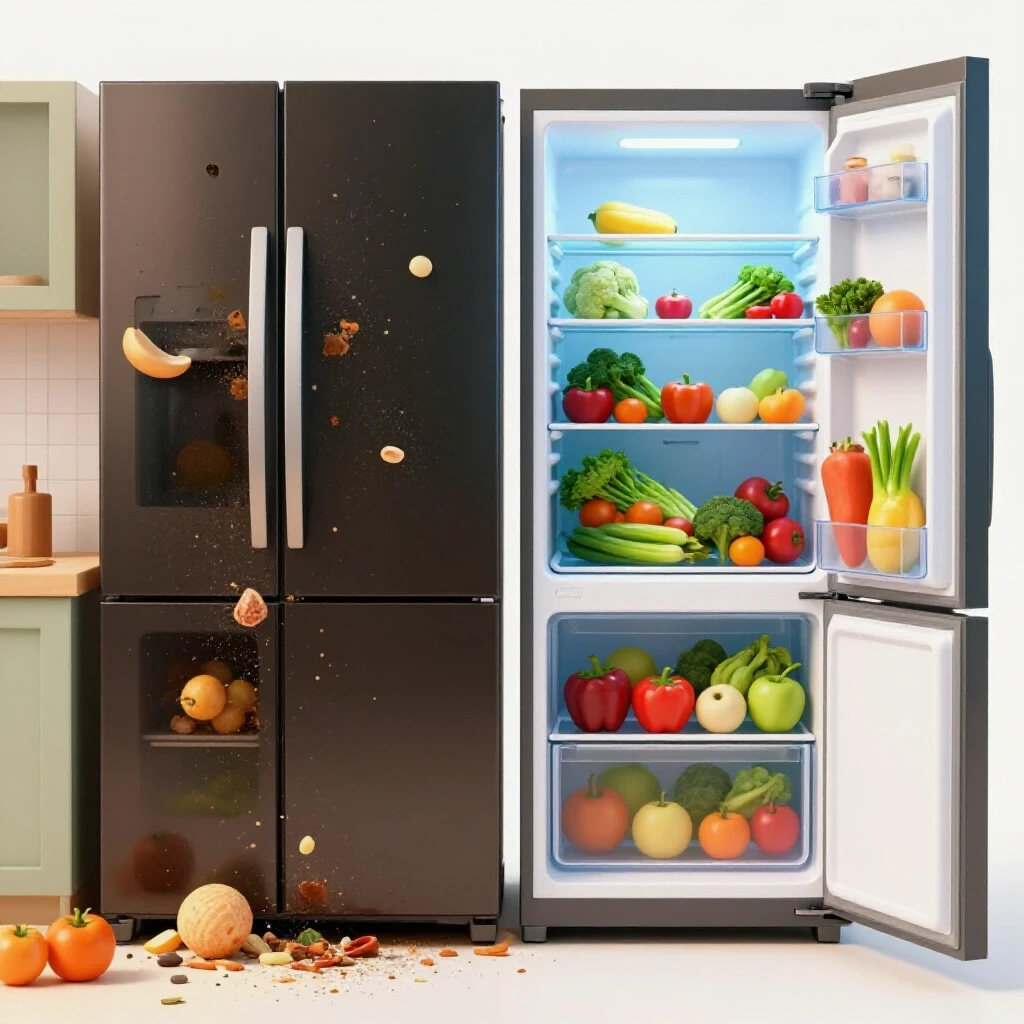
When a central appliance like a cooling unit stops performing, the initial feeling is often one of panic or failure. In my early years of tracking home logs, I noticed that most first-time owners feel a sense of “buyer’s remorse” during these moments. However, data from the U.S. Census Bureau’s American Housing Survey shows that nearly 40% of homeowners face a significant appliance issue within the first two years. You aren’t failing; you are simply participating in the standard cycle of homeownership. The goal is to move from an emotional reaction to a strategic lifestyle response that preserves your home’s visual harmony.
Financial Frameworks for Maintaining Visual Harmony
Effective household budgeting diaries help you set aside 1% to 3% of your home’s value for annual maintenance and unexpected aesthetic fixes. This fund allows you to handle the visual eyesore of a broken appliance without dipping into your daily living expenses or feeling the sting of a sudden bill.
In my second home, a 1970s split-level, I learned the hard way that a “maintenance reserve” isn’t just for roof leaks. It is for the moments when a kitchen unit becomes a giant, non-functional metal box in the middle of your design. Following the 1% rule, if your home is worth $300,000, you should aim to have $3,000 accessible for home-related surprises. This buffer changes your perspective from “How will I afford this?” to “Which budget line item does this fall under?”
| Maintenance Category | Annual Budget Benchmark | Purpose |
|---|---|---|
| Core Systems (HVAC, Roof) | 1.5% of Home Value | Long-term structural integrity |
| Interior Aesthetic Upkeep | 0.5% of Home Value | Painting, styling, and decor shifts |
| Emergency Appliance Buffer | 1.0% of Home Value | Rapid response to kitchen failures |
| Total Recommended | 3.0% of Home Value | Total peace of mind |
Creative Styling Solutions for Non-Operational Appliances
When a cooling unit fails, it becomes a large, useless box that can disrupt the flow of your kitchen. Styling solutions focus on repurposing the exterior surface or using the interior for dry storage to keep the room looking intentional and functional while you plan your next move.
If you are a young professional balancing a career, you likely don’t have time for a full kitchen remodel the moment a unit stops working. Instead of looking at a blank, broken appliance, consider these aesthetic workarounds:
- Vinyl Wraps and Contact Paper: You can find high-quality, heat-resistant vinyl in various finishes like brushed steel or matte black. This covers scratches or the “dated” look of an older unit that is no longer running.
- Chalkboard Paint Applications: Turning the front of a non-functional unit into a family message center or grocery list station makes the appliance look like a deliberate design choice.
- Magnetic Storage Solutions: Use the vertical surface for magnetic spice racks or knife strips. This draws the eye away from the appliance’s internal failure and emphasizes its utility as a storage hub.
- Internal Dry Storage: If the unit is clean and dry, use the shelving for bulky items like paper towels, large mixing bowls, or pantry overflow. This clears up counter space, which is a premium in many first homes.
Adapting Household Routines to a Changing Kitchen Landscape
A cooling unit failure forces a change in how you use your kitchen space and interact with your home. Adapting routines involves finding new ways to host guests and prepare meals that don’t rely on the central hub of the kitchen for cold storage.
During my third year of homeownership, I faced a cooling failure during a particularly busy season at work. I couldn’t immediately address the mechanical side, so I shifted my lifestyle to “dry-pantry living” for two weeks. This meant focusing on meals that used room-temperature ingredients and utilizing a small, stylish countertop cooler for essentials.
- Re-evaluate Meal Planning: Focus on “shelf-stable” aesthetics. Use decorative glass jars for grains, pasta, and root vegetables on your counters.
- Social Adjustments: If you usually host, pivot to “potluck” styles where guests bring items that don’t require your kitchen’s cooling power, or host gatherings in the living room rather than the kitchen.
- The “Cooler Lifestyle”: Invest in a high-end, aesthetically pleasing portable cooler. Some modern brands offer designs that look like furniture, which can sit in a dining room corner without ruining the vibe.
Building a Digital Home Log for Long-Term Preservation
Tracking every issue, from a minor seal tear to a total cooling failure, helps you understand the lifespan of your household systems. This data-driven approach reduces the anxiety of homeownership by making the “unknown” predictable over a five-to-ten-year horizon.
I recommend using a simple spreadsheet or a dedicated home maintenance app to log the age of every major appliance. According to HUD reports, the average lifespan of a residential cooling unit is 10 to 14 years. If you know your unit is 12 years old, you can start planning for its eventual aesthetic replacement long before it actually stops working.
- Date of Purchase/Move-in: Note the condition of the kitchen units on day one.
- Visual Changes: Log any rust, seal wear, or handle looseness.
- Utility Fluctuations: Sometimes a spike in your electric bill is the first sign that a unit is struggling, even if it looks fine.
- DIY Styling Costs: Track what you spend on contact paper or magnets to see the ROI on your aesthetic “band-aids.”
Strategic DIY Prioritization and Avoiding Burnout
Not every problem requires an immediate, expensive solution. Learning to prioritize which issues need a professional and which can be handled with a creative “lifestyle fix” is the key to avoiding homeowner burnout.
When you are 28 and just starting your career, a broken fridge feels like a catastrophe. By 40, you realize it’s just a Tuesday. The difference is prioritization. If the unit isn’t leaking water onto your hardwood floors (which causes structural damage), the “problem” is mostly one of convenience and decor.
- The 24-Hour Rule: Wait 24 hours before making a major purchase. Use that time to try a temporary styling fix.
- Assess the “Visual Tax”: If the broken unit makes you hate entering your kitchen, prioritize the aesthetic wrap or chalkboard paint immediately.
- Energy Audit: Use a simple plug-in energy monitor to see if your unit is drawing excessive power. If it is, even if it’s still “cool,” it might be costing you more in utilities than a new unit would on a monthly payment plan.
Long-Term Asset Protection and Property Value
Maintaining the visual harmony of your kitchen is essential for long-term property preservation and future resale value. Even if a unit isn’t working, a kitchen that looks well-maintained and stylish creates a better impression than one that feels neglected.
In my analysis of residential housing trends, kitchens remain the primary driver of home value. A first-time homeowner who keeps a clean, styled kitchen—even with older or non-functional appliances—is more likely to maintain the discipline needed for larger structural tasks. Think of your kitchen as the “canary in the coal mine” for your home maintenance habits.
Practical Next Steps for the New Homeowner
If you are currently staring at a kitchen unit that has decided to quit, take a deep breath. Your first step is not to pull out a credit card for a $2,000 replacement. Instead, follow this low-barrier action plan to regain control of your space.
- Clear the Exterior: Remove all old magnets, stained menus, and clutter. A clean surface immediately reduces visual stress.
- Measure the Dimensions: Know exactly how much space you have. This helps if you decide to buy a decorative “skin” or wrap.
- Check the Seals: Use the “dollar bill test.” Close the door on a dollar bill; if it pulls out easily, your seal is weak. While this is a mechanical issue, it often leads to frost buildup that ruins the interior aesthetic.
- Update Your Home Log: Record the date the cooling stopped. This is valuable data for when you eventually talk to a pro or look for a replacement.
- Set a “Styling Budget”: Allocate $50 to $100 for temporary decor. This small investment can buy you months of psychological peace while you save for a permanent solution.
FAQ: Navigating Kitchen Cooling Challenges
How do I hide a broken refrigerator that I can’t afford to replace yet? The most effective way to hide a non-functional unit is through a full vinyl wrap or contact paper. Many homeowners use a faux-stainless steel or wood-grain wrap to help the unit blend into the cabinetry. Alternatively, covering the front with large-scale magnetic art or a chalkboard panel can turn an eyesore into a feature.
Is it worth styling an old appliance, or should I just save for a new one? If your budget is tight, styling is always worth the small investment. A $30 roll of contact paper can significantly reduce the “visual clutter” and stress of a broken appliance, allowing you to save for a high-quality replacement rather than rushing into a cheap, low-end purchase out of desperation.
What is the 1% rule for home maintenance and how does it apply here? The 1% rule suggests saving 1% of your home’s total purchase price each year for upkeep. For a $250,000 home, that’s $2,500. This fund is exactly what you should draw from when a kitchen unit fails, covering everything from temporary cooling solutions to the eventual purchase of a new, energy-efficient model.
Can I use a non-working refrigerator for storage? Yes, as long as the interior is thoroughly cleaned and dried to prevent odors. It makes an excellent “dry pantry” for items like flour, sugar, or bulk paper goods. This repurposing keeps your counters clear and maintains the functional flow of your kitchen.
How do I know if my appliance issue is a “lifestyle fix” or a professional emergency? If the unit is leaking water, sparking, or causing a persistent foul odor, it is a professional emergency because it threatens the structural integrity of your floors or your safety. If it simply isn’t cold but is otherwise contained, it is a lifestyle issue that can be managed with creative styling and routine adjustments.
What are the most common visual warning signs that a cooling unit is about to fail? Look for excessive condensation on the exterior, “sweating” around the door seals, or an unusual buildup of frost inside. These signs indicate the unit is working too hard, which often precedes a total cooling failure. Logging these signs in your home diary can help you predict the failure before it happens.
How does an appliance failure affect my home’s resale value? A non-functional appliance technically lowers the value, but a kitchen that looks neglected lowers it even more. By using aesthetic workarounds like wraps or chalkboard paint, you show potential buyers (or just yourself) that the home is cared for, which preserves the overall “perceived value” of the property.
What is a “digital home log” and why do I need one for my kitchen? A digital home log is a record of your home’s history, including appliance ages, repair dates, and decor changes. Having this for your kitchen allows you to track the lifespan of your cooling units, making it easier to budget for replacements years in advance rather than being caught off guard.
Are there modern apps that help with kitchen maintenance? Yes, apps like Centriq or HomeZada allow you to take photos of your appliance’s data plate. They then provide you with manuals, parts lists, and even styling ideas specific to your model, which is incredibly helpful for first-time owners who feel overwhelmed by technical details.
How can I maintain my social life if my kitchen isn’t fully functional? Shift your hosting style toward “cold-prep” or “outdoor-focused” events. Use stylish ice chests or galvanized buckets for drinks, and focus on menu items that don’t require constant refrigeration. Your friends are there for your company, not the temperature of your appliances.
(This article was written by one of our staff writers, Michael Morrison. Visit our Meet the Team page to learn more about the author and their expertise.)