How to Avoid Common Composting Mistakes at Home (Beginner Guide)

For generations, homeowners have looked at their land not just as a place to live, but as a living system that requires care and renewal. Tending to the soil is a timeless part of owning a home. It connects us to the history of the property and ensures the ground remains healthy for years to come. When you move into your first home, you often feel a deep urge to start these traditions right away.
Transitioning to Sustainable Waste Management at Home
Setting up a system to handle organic waste is a major shift for those moving from apartments to houses. It involves moving away from the “out of sight, out of mind” trash chute and taking personal responsibility for your kitchen scraps and yard debris.
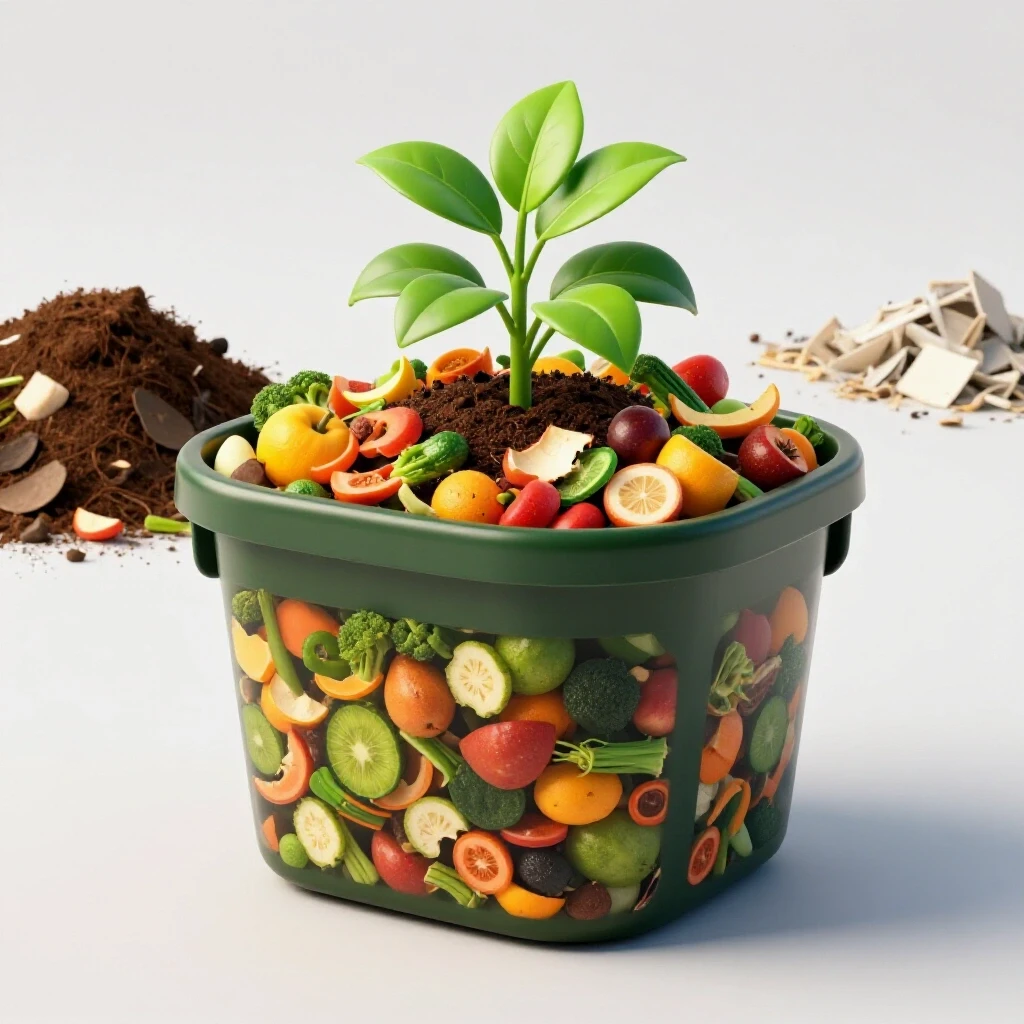
When I bought my first home in 2010, I was eager to reduce my footprint. I jumped into managing my own waste without a clear plan. Like many new owners, I felt a mix of excitement and anxiety. I wanted to be eco-friendly, but I also didn’t want my backyard to look like a landfill. Data from the U.S. Census Bureau shows that younger homeowners are increasingly focused on sustainable living. However, the reality of managing these systems daily can quickly become overwhelming if you don’t set realistic goals.
The transition is as much about your mindset as it is about the physical bin. You are no longer just a consumer; you are a manager of a small ecosystem. This requires a new routine that fits into your already busy life. If you are balancing a career or a young family, your system needs to be simple. If it takes more than five minutes a day, you likely won’t stick with it through the first year.
Designing an Effective Backyard Recycling Area
A well-placed area for organic waste ensures that your home maintenance stays organized and does not interfere with your outdoor enjoyment. This involves choosing a location that is convenient for the kitchen but far enough from the house to avoid any potential odors or pests.
In my second home, I made the error of placing my bin in a far corner of the yard. During the winter, I stopped using it because I didn’t want to trek through the snow. My logs from that year show a 40% drop in waste diversion during the cold months. Finding a “goldilocks” zone—not too close, not too far—is key for long-term success.
- Proximity: Keep the bin within 30 feet of your back door.
- Sunlight: A spot with partial sun helps speed up the breakdown process without drying everything out.
- Drainage: Ensure the ground is level and drains well to prevent soggy messes after heavy rain.
- Aesthetics: Use a simple wooden screen or a decorative lattice to hide the bin from your patio or the neighbors’ view.
Budgeting for Your First Year of Soil Care
Creating a budget for your outdoor waste system helps prevent the small, hidden costs of homeownership from adding up. While the goal is to save money on fertilizer and trash bags, there are initial investments in tools and materials that you should plan for.
Most first-time homeowners should follow the 1% rule for maintenance. This means setting aside 1% of your home’s value each year for upkeep. While a waste bin is a small part of this, it fits into your overall landscaping and soil health budget. According to HUD reports, proactive yard care can prevent issues like soil erosion or poor drainage, which are much more expensive to fix later.
| Item | DIY Estimated Cost | Professional/Store-Bought Cost | Time Investment |
|---|---|---|---|
| Collection Bin | $0 – $20 (Repurposed) | $80 – $150 | 1 Hour |
| Aeration Tool | $15 (Pitchfork) | $40 (Specialized Tool) | Ongoing |
| Finished Soil | $0 (Homemade) | $5 – $10 per bag | 6-12 Months |
| Screen/Enclosure | $30 (Pallets/Scrap) | $200+ (Pre-built) | 3 Hours |
Common Early Errors in Organic Waste Management
Many new homeowners face a steep learning curve when they first attempt to turn kitchen scraps into garden soil. These hurdles often involve a lack of balance in the materials being added or a failure to maintain the pile regularly.
One of my biggest failures in my first year was adding too many “green” materials, like grass clippings and vegetable peels, without enough “brown” materials like dried leaves or shredded paper. This led to a pile that smelled like ammonia and attracted flies. My maintenance log from that summer is full of notes about “the smell under the kitchen window.” I had to learn that a healthy pile should smell like fresh earth, not rotting food.
- The Ratio Rule: Aim for about three parts brown material to one part green material.
- Avoiding Meat and Dairy: Never put animal products in your home bin, as they cause odors and attract unwanted wildlife.
- Moisture Levels: Your pile should feel like a wrung-out sponge. If it is too dry, nothing happens. If it is too wet, it starts to stink.
- Ignoring the Pile: You must turn the material every few weeks to let air in. Without air, the process slows down significantly.
Maintaining Property Aesthetics and Neighbor Relations
Your home is likely your largest asset, and keeping it looking good is vital for its long-term value. A messy or smelly waste pile can hurt your curb appeal and even lead to complaints from neighbors or your homeowners’ association (HOA).
I have evaluated dozens of homes where the backyard was neglected due to poorly managed DIY projects. An unsightly waste area can make a potential buyer worry about how the rest of the house was maintained. To keep things looking professional, consider using repurposed wooden crates or simple DIY bins that match the style of your home. This shows that your environmental efforts are intentional and well-managed.
Interestingly, many HOAs have specific rules about outdoor storage. Before you start, check your local codes or neighborhood guidelines. Using a lid on your bin is a simple way to keep things tidy and prevent birds or squirrels from spreading scraps across your lawn. It also helps regulate the moisture levels inside.
Avoiding Homeowner Fatigue and Burnout
The first year of homeownership is exhausting. Between moving, painting, and learning how your HVAC system works, adding another chore like managing a waste pile can feel like too much. It is important to recognize the signs of burnout before you give up on your sustainability goals.
Homeowner fatigue often sets in around the six-month mark. The “new house smell” has worn off, and the reality of endless chores kicks in. If you find yourself dreading the trip to the bin, simplify your system. You don’t need a perfect, high-speed process. Even a “lazy” pile that you just leave alone will eventually turn into soil; it just takes longer.
- Start Small: Only use a small bin at first to see how much waste you actually produce.
- Automate the Routine: Keep a small, sealed container on your kitchen counter to collect scraps so you only have to go outside once every few days.
- Track Your Success: Note when you finish a batch of soil. Seeing the physical result of your work can provide a much-needed boost of motivation.
- Forgive Yourself: If the pile gets messy or you forget to turn it for a month, don’t worry. It is a forgiving process that you can always restart.
Long-Term Asset Protection Through Soil Health
Investing time in your property’s soil today pays off in the future. Healthy soil supports a lush lawn and strong trees, which can increase your home’s resale value. According to real estate trends, homes with well-maintained landscapes often sell faster and for higher prices than those with neglected yards.
In my current home, which I have owned for seven years, the areas where I have used my homemade soil are noticeably healthier. The grass is greener, and the plants are more resistant to drought. This is because organic matter helps the soil hold onto water and nutrients. By managing your waste effectively, you are essentially creating free, high-quality fertilizer that protects your landscaping investment.
Strategic DIY Prioritization for New Owners
As a new homeowner, you have to choose your battles. Not every project needs to be done in the first month. Managing your organic waste is a low-cost, high-reward task that you can easily do yourself rather than hiring a service.
When you look at your to-do list, rank tasks by their cost and their impact. Turning scraps into soil costs almost nothing but provides a steady supply of material for your garden. Compare this to a major renovation, which might cost thousands. By mastering these small, sustainable systems, you build the confidence needed for larger home repairs later on.
- Year 1: Focus on establishing the routine and finding the right location.
- Year 2: Improve the bin design and start using the soil in small flower beds.
- Year 3: Expand your system to handle more yard waste like fall leaves and small branches.
Essential Tools for the New Homeowner’s Waste System
You do not need expensive gadgets to manage your backyard waste. Most of the items you need are likely already in your garage or can be found at a local hardware store for a low price.
- A Sturdy Pitchfork: This is the best tool for turning the pile and adding air.
- A Kitchen Scraps Container: Look for one with a charcoal filter in the lid to prevent smells in the house.
- A Square-Point Shovel: Useful for moving finished soil into your garden beds.
- A Simple Watering Can: If your pile gets too dry, a quick sprinkle of water will keep the process moving.
- A Hand Trowel: Perfect for mixing small amounts of finished material into potted plants.
Conclusion and Next Steps
Starting your journey into home-based waste management is a rewarding way to settle into your new property. While the first year will have its challenges—from strange smells to the occasional pest—the long-term benefits for your garden and your budget are worth the effort. Remember to keep your system simple, stay patient with the process, and focus on progress rather than perfection.
To get started this week, find a sturdy plastic or wooden container and place it in a discreet spot in your yard. Start by adding a layer of dried leaves or shredded cardboard. Once that foundation is set, begin adding your fruit and vegetable scraps. By this time next year, you will have a rich, dark soil that you created yourself, right in your own backyard.
Frequently Asked Questions
Why does my backyard waste pile smell like rotten eggs?
A sulfur or rotten egg smell usually means the pile is too wet and lacks oxygen. This happens when the materials are packed too tightly or there is too much food waste without enough dry “browns” like leaves. To fix this, turn the pile thoroughly with a pitchfork to let air in and mix in a large amount of shredded paper or dry straw.
How can I keep mice and rats away from my outdoor bin?
Pests are usually attracted to “forbidden” items like meat, dairy, oil, or bread. Stick strictly to fruit and vegetable scraps, coffee grounds, and eggshells. Additionally, using a bin with a solid bottom or a fine wire mesh underneath can prevent rodents from digging their way into the pile from below.
Do I need to buy special worms for my backyard system?
For a standard outdoor pile, you do not need to buy worms. Local earthworms will naturally find their way into the pile from the ground once the decomposition process begins. They are attracted to the moisture and the food source. Only specialized indoor systems usually require purchasing specific types of worms.
How long does it take for kitchen scraps to turn into usable soil?
In most home systems, the process takes anywhere from six months to a year. This depends on the weather, how often you turn the pile, and what you put into it. Smaller pieces break down much faster, so chopping up large vegetable stalks or cardboard boxes can speed up the timeline significantly.
Can I continue this process during the winter months?
Yes, you can keep adding to your pile in the winter, but the breakdown process will slow down or stop entirely when the temperature drops. The pile will “wake up” again in the spring. Many homeowners find it helpful to have a larger bin in the winter so they don’t have to worry about it filling up while the contents are frozen.
What should I do if my pile is not breaking down at all?
If nothing is happening, the pile is likely too dry or lacks “green” nitrogen-rich materials. Check the moisture level; it should be damp. If it feels dry, add some water and some fresh grass clippings or kitchen scraps. This acts as “fuel” to restart the natural heating and decomposition process.
Is it safe to use the finished material on my vegetable garden?
As long as you have avoided adding pet waste, meat, or diseased plants, the finished material is excellent for vegetable gardens. It is a natural fertilizer that adds nutrients and improves soil structure. Many veteran homeowners find that their home-grown vegetables thrive much better with this homemade soil than with store-bought versions.
How do I know when the soil is ready to use?
The material is ready when it looks like dark, crumbly earth and you can no longer recognize the original scraps you put in. It should have a pleasant, earthy smell. If you still see large chunks of orange peels or eggshells, let it sit for another month or sift them out and put them back into the active pile.
Can I put weeds from my lawn into the bin?
It is generally best to avoid putting weeds into a home pile, especially if they have gone to seed. Most home systems do not get hot enough to kill weed seeds. If you add them, you might accidentally spread weeds all over your garden beds when you use the finished soil later.
Should I use a lid on my outdoor container?
Using a lid is highly recommended for first-time homeowners. It helps keep the moisture level consistent by blocking heavy rain, and it prevents the pile from drying out in the sun. It also keeps the area looking tidy and prevents animals from rooting through the scraps, which helps maintain good relations with your neighbors.
(This article was written by one of our staff writers, Michael Morrison. Visit our Meet the Team page to learn more about the author and their expertise.)