What to Expect When Buying a House in Spring (Essential Guide)

Moving into a new home is a whirlwind of emotions. One day you are celebrating with champagne on the floor of an empty living room, and the next you are staring at a mysterious puddle under the kitchen sink. For many of us in the 25 to 40 age range, this transition happens right as our careers and family lives are hitting their busiest strides. I remember my first home clearly. It was a modest place with great bones, but I quickly learned that the “feeling” of a home changes significantly as the days get longer and the trees begin to bloom.

As a homeowner for 14 years across three different properties, I have spent a lot of time tracking how a house behaves. I keep detailed logs of every repair, utility bill, and design change. What I have found is that the time of year you move in dictates your first set of priorities. When you settle in during the warmer, brighter months, you see the property in its most honest light. You notice how the sun hits the breakfast nook at 7:00 AM and where the mud from the yard ends up after a sudden rain. These early observations are the foundation of a successful home maintenance guide.
Understanding How Natural Light Shapes Your Interior Design
Natural light analysis involves observing how the sun moves through your rooms during the day to inform your choice of paint colors, furniture placement, and window treatments. This process helps you avoid buying decor that looks great in the store but dull in your specific living space.
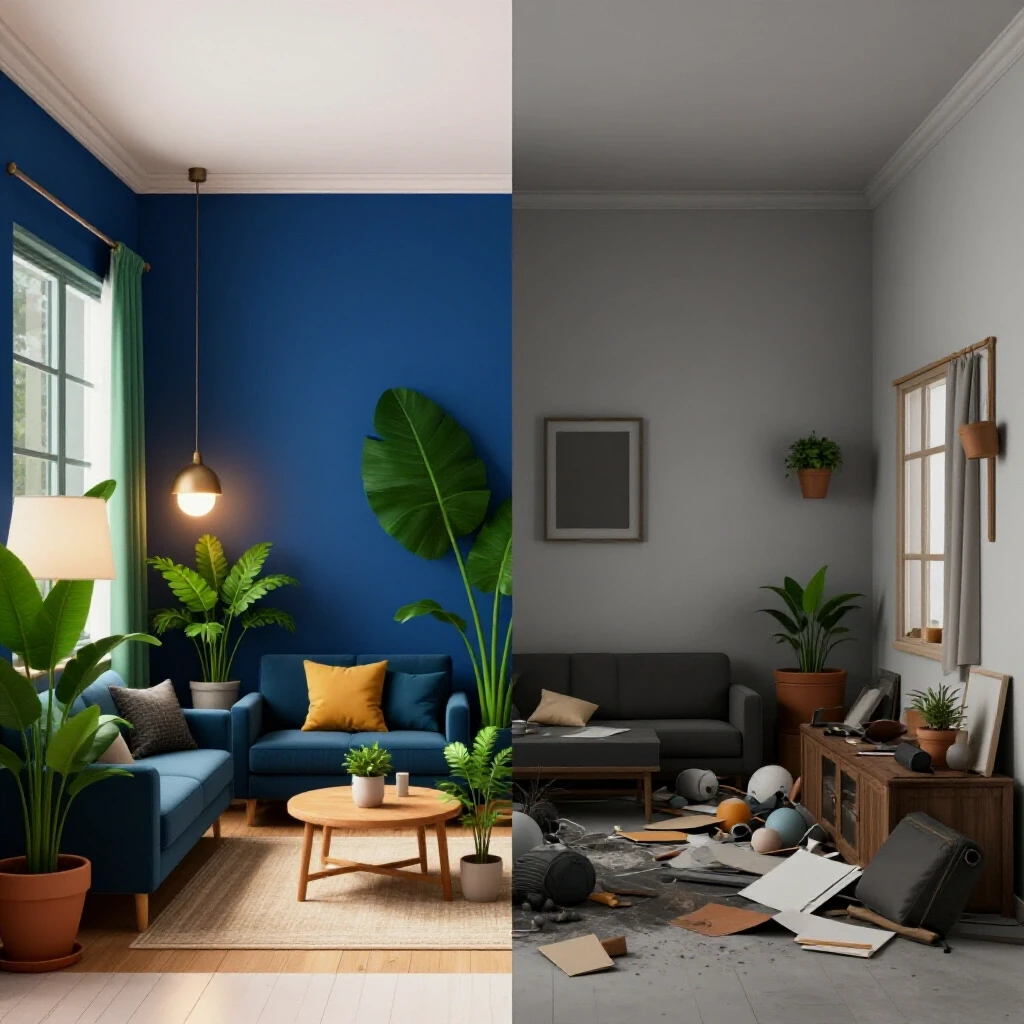
When I moved into my second home, I noticed something interesting about the “golden hour.” The living room was flooded with a warm, orange glow every afternoon. I had originally planned to paint the walls a cool gray, but that light would have made the room look muddy and lifeless. By watching the light for two weeks, I chose a warm white instead. This is a key first-time homeowner tip: do not rush into painting. The way the sun interacts with your walls changes from morning to evening.
You should also look at how light affects your furniture. U.S. Census Bureau housing surveys often show that homeowners spend thousands on interior updates in their first three years. To protect that investment, notice which areas get direct, harsh sunlight. This can fade fabric and damage wood finishes over time. I use a simple “light log” for the first month. I mark which rooms are brightest at noon and which are dark by 4:00 PM. This helps me decide where to put my home office and where I need heavy curtains to keep the house cool.
- Morning Light: Best for kitchens and breakfast areas to help you wake up.
- Mid-day Light: Often the harshest; consider solar shades for south-facing windows.
- Evening Light: Creates a cozy atmosphere in bedrooms or dens but can cause screen glare on TVs.
Scheduling Interior Renovations During Mild Weather Windows
Strategic DIY prioritization means choosing projects that benefit from open windows and moderate temperatures, such as painting or floor refinishing. This allows for better ventilation and faster drying times without overworking your heating or cooling systems.
The best time to tackle messy indoor projects is when you can keep the house open to the breeze. In my 14 years of logs, I found that painting the interior in the late spring or early fall saved me money on electricity. I didn’t have to run the air conditioning to get rid of the paint fumes. If you are planning to refinish hardwood floors, the humidity levels during these months are usually ideal. High humidity can cause wood to swell, while very dry air can cause it to shrink too quickly.
Building on this, you should look at the “flow” of your home. When the weather is nice, you likely move between the indoors and outdoors more often. This is the perfect time to evaluate your flooring. Is the carpet near the back door getting stained? Does the transition from the kitchen to the deck feel natural? In one of my previous homes, I noticed that we were constantly tracking grass into the living room. I decided to install a small tile landing at the entry. This simple DIY home care step saved my carpets and reduced my cleaning time by half.
| Project Type | DIY Cost (Est.) | Professional Cost (Est.) | Time Commitment |
|---|---|---|---|
| Interior Painting (Per Room) | $150 – $300 | $600 – $1,200 | 1 – 2 Days |
| Installing Tile Entryway | $200 – $500 | $800 – $1,500 | 2 – 3 Days |
| Sealing Windows/Doors | $50 – $100 | $300 – $500 | 4 – 6 Hours |
| Deck Staining | $150 – $400 | $700 – $1,500 | 2 – 3 Days |
Creating a Functional Entryway for Mud and Moisture
A functional entryway is a designated zone designed to catch dirt, water, and debris before it enters the main living areas of the home. This involves using durable materials like tile or vinyl and adding storage for shoes and outdoor gear.
One of the most common homeownership realities is the “mud problem.” As the ground thaws and spring rains arrive, your entryway becomes a battleground. I noticed in my third home that the front door opened directly onto light-colored hardwood. Within three months, the finish was starting to dull from the grit brought in on our shoes. To fix this, I created a “staging area.” This included a heavy-duty coir mat outside and a washable rug inside.
If you have a family or pets, this area is even more critical. I recommend looking into “hydrological mitigation” on a small scale. This just means making sure water doesn’t sit on your floors. Use a boot tray with stones to allow wet shoes to drain without touching the ground. This prevents mold growth and preserves your subfloor. According to EPA energy-efficiency recommendations, keeping your home dry is also the first step in maintaining good indoor air quality.
- Evaluate the Floor: Choose non-slip, waterproof materials like luxury vinyl plank or porcelain tile.
- Add Vertical Storage: Use hooks for jackets and bags to keep them off the floor.
- Use Double Matting: Place one scraper mat outside and one absorbent mat inside.
- Lighting: Ensure the area is well-lit so you can see any spills or dirt immediately.
The Financial Framework of Long-Term Upkeep
Establishing a household budgeting diary involves tracking every dollar spent on repairs and maintenance to build a realistic “maintenance reserve.” Most experts suggest saving 1% to 3% of your home’s value annually for these costs.
When I first became a homeowner, I didn’t have a maintenance fund. When my water heater leaked six months in, I had to use a credit card. Since then, I have followed the 1% rule. If your home is worth $400,000, you should aim to have $4,000 set aside for repairs. My logs show that I spend about $0.50 to $1.00 per square foot each year on basic upkeep. This includes filters, mulch, light bulbs, and small tool purchases.
Interestingly, your utility costs will fluctuate as the seasons change. I track my bills in a spreadsheet to spot “spikes.” If my water bill jumps in May, I know I might have a leak in the irrigation system or a running toilet. Tracking these metrics helps you move from a “reactive” state—where you only fix things when they break—to a “proactive” state. This transition is essential for reducing the anxiety that many new homeowners feel.
- Year 1 Focus: Building the emergency fund and buying basic tools.
- Year 2 Focus: Cosmetic updates and minor DIY improvements.
- Year 3 Focus: Major system servicing (HVAC deep clean, roof inspection).
Evaluating System Health and Energy Efficiency
A sustainable home system check involves inspecting your HVAC, insulation, and windows to ensure the house is running efficiently. This reduces your carbon footprint and lowers your monthly utility bills.
As the weather warms up, it is the perfect time to perform a “thermal envelope” check. This means looking for places where cool air might escape once you turn on the air conditioning. I use a simple incense stick or a damp hand to feel for drafts around window frames and door sills. Sealing these leaks with caulk or weatherstripping is one of the most effective DIY home care tasks you can do. It often pays for itself in just one season.
I also recommend a “mechanical audit” every spring. Check your air filters; if they are gray or fuzzy, replace them. I noticed that when I changed my filters every 90 days, my energy bills stayed about 10% lower than my neighbors with similar houses. Also, take a look at your outdoor AC unit. Ensure there are no leaves or weeds blocking the airflow. If the unit can’t “breathe,” it has to work harder and will burn out faster.
- Check Air Filters: Replace every 30-90 days depending on pets and allergies.
- Inspect Window Seals: Use silicone caulk to fill gaps in the frames.
- Test Smoke Detectors: Change batteries and clear dust from the sensors.
- Clean Gutters: Ensure water flows away from the foundation to prevent basement leaks.
Managing Homeowner Fatigue and Long-Term Asset Protection
Homeowner fatigue is the feeling of being overwhelmed by the endless list of chores and repairs required to maintain a property. Managing this involves setting realistic goals and recognizing that you don’t have to do everything in the first year.
It is easy to get burned out when you first move in. You want the house to look perfect immediately. However, my 14-year journey has taught me that a home is a marathon, not a sprint. I use a “High-Impact, Low-Effort” matrix to decide what to work on. If a project takes two hours but makes the house look much better—like pressure washing the front walkway—I do it first. If a project is expensive and purely cosmetic, I wait.
Protecting your asset also means keeping a “digital home log.” I use a simple folder on my computer to save photos of my appliance serial numbers, receipts for repairs, and paint color codes. This makes life much easier when something breaks. Instead of crawling behind the washing machine to find the model number, I just check my phone. This level of organization reduces the mental load of homeownership and helps you feel in control.
- Tool Tip: Buy a high-quality cordless drill and a basic socket set first.
- App Tip: Use a notes app to keep a running list of “Home Depot Needs” so you don’t make multiple trips.
- Scheduling Tip: Do one “big” chore a month rather than trying to do ten in a weekend.
Establishing Sustainable Maintenance Routines
A maintenance routine is a recurring schedule of tasks designed to prevent major failures and extend the life of your home’s components. This includes seasonal checks of the roof, plumbing, and electrical systems.
Building on my personal logs, I have found that the most successful homeowners are those who treat their house like a car. You wouldn’t drive 20,000 miles without an oil change, so don’t let your house go a full year without a checkup. In the spring, I focus on the “exterior skin” of the house. I walk around the perimeter and look for cracks in the foundation or peeling paint. Catching a small crack now can save you $10,000 in foundation repairs later.
As a result of these routines, I have avoided every major “emergency” in my last two homes. While my friends were dealing with flooded basements or broken AC units in July, I was enjoying my backyard. The “What I Noticed” factor is key here: pay attention to the small changes. Is a door sticking that used to swing freely? Is there a new water spot on the ceiling after a storm? These are your home’s ways of talking to you.
| System | Expected Lifespan | Warning Signs of Failure | Annual Maintenance Task |
|---|---|---|---|
| HVAC System | 15 – 20 Years | Strange noises, uneven cooling | Clean coils and change filters |
| Water Heater | 10 – 15 Years | Rusty water, popping sounds | Flush the tank to remove sediment |
| Roof (Shingle) | 20 – 25 Years | Curled shingles, grit in gutters | Inspect for storm damage |
| Dishwasher | 9 – 12 Years | Poor drainage, dishes stay dirty | Clean the filter and spray arms |
Conclusion and Next Steps
Taking ownership of your first home is a major life milestone that comes with a steep learning curve. By focusing on the visual and functional changes that occur during the brighter, warmer months, you can set yourself up for long-term success. Start by observing the light and layout of your home before making big design choices. Establish a solid financial cushion using the 1% rule, and don’t be afraid to tackle small DIY projects that improve your energy efficiency.
Your next steps should be simple. First, create a digital folder for your home records. Second, walk through your house today and note which rooms feel the most comfortable and which ones need better light or air. Finally, buy a basic toolkit if you don’t have one. Homeownership is a journey of constant learning, and by staying proactive, you can turn your house into a true sanctuary.
Frequently Asked Questions
Why does the interior paint color look different in my new home than it did in the store?
Paint colors are heavily influenced by the “Color Rendering Index” of your light bulbs and the natural sunlight entering the room. Sunlight in the morning is cooler (bluer), while afternoon light is warmer (redder). This is why I recommend painting large swatches on different walls and watching them for 24 hours before deciding.
How much should I actually save for home repairs in my first year?
The standard rule is 1% of the home’s purchase price. However, if you bought an older home (built before 1980), I suggest aiming for 2% to 3%. My personal logs show that the first year often has “hidden” costs like buying a lawnmower, window treatments, or fixing small plumbing leaks that the inspector might have missed.
What are the most important tools for a first-time homeowner?
You don’t need a full workshop immediately. Start with a 16-ounce hammer, a set of screwdrivers (Phillips and flathead), a 25-foot tape measure, a level, an adjustable wrench, and a cordless drill. These tools will allow you to handle 80% of basic DIY home care tasks like hanging pictures or tightening cabinet hinges.
How can I tell if my home is energy efficient without a professional audit?
Look for “ghost breezes” near outlets, baseboards, and windows. On a windy day, hold a lit incense stick near these areas; if the smoke blows sideways, you have a leak. Also, check your attic insulation. If you can see the wooden floor joists, you likely need more insulation to meet modern EPA standards.
Is it better to DIY a project or hire a professional?
This depends on the “Risk vs. Skill” ratio. If a mistake could lead to a fire (electrical) or a flood (major plumbing), hire a pro. If the mistake is just an ugly paint job or a crooked shelf, try it yourself. My rule of thumb is that if the tool required costs more than $200 and I will only use it once, I hire a professional.
Why is the mudroom or entryway so important in the spring?
Spring brings a mix of rain and melting snow, which creates grit. This grit acts like sandpaper on your hardwood or laminate floors. By creating a dedicated transition zone with mats and shoe storage, you prevent this debris from scratching your expensive flooring and reduce the time you spend cleaning.
How do I stop feeling overwhelmed by my home maintenance checklist?
Break the list down into seasons. Don’t worry about the furnace in July or the lawnmower in December. Pick three high-priority tasks for the current month and ignore the rest. Homeowner burnout is real, and the best way to fight it is to accept that the house will never be “finished.”
What should I look for during my first spring walk-around of the property?
Check for “negative grade,” which is when the dirt slopes toward your house instead of away from it. This causes water to pool against the foundation. Also, look for cracks in the siding or gaps where pests could enter. Catching these small issues early is the key to sustainable home systems.
Can smart home technology actually save me money?
Yes, specifically smart thermostats. I noticed a 12% drop in my cooling costs when I switched to a thermostat that learns my schedule. It stops cooling the house when I’m at work and starts again 30 minutes before I get home. It’s a low-effort way to improve your household budgeting diary.
How do I know when it’s time to replace an appliance versus repairing it?
Use the “50% Rule.” If the repair cost is more than 50% of the price of a new appliance, and the unit is more than half-way through its expected lifespan (see the table above), it is usually better to replace it with a more energy-efficient model.
(This article was written by one of our staff writers, Michael Morrison. Visit our Meet the Team page to learn more about the author and their expertise.)