Water Softener Results: What to Expect After Installation (Guide)

Have you ever noticed a strange, metallic aftertaste in your morning coffee or a film on your glass of water? When I moved into my second home, a 1970s ranch-style house, that was the first thing I noticed. As a homeowner for over 14 years, I have tracked every repair, utility bill, and home improvement project in a detailed log. One of the most significant shifts in my home maintenance journey occurred when I decided to address the quality of the water flowing through my pipes. For many first-time homeowners, the focus is often on the roof or the HVAC system, but the water you use daily has a profound impact on your home’s interior and your long-term budget.
Navigating the Transition to Proactive Home Management
This section covers the shift from being a renter to a homeowner who is responsible for every drop of water in the building. It explains why moving from a reactive mindset to a proactive one is essential for protecting your largest financial asset and ensuring your daily comfort.
When you rent, you rarely think about the mineral content of your water. If a faucet gets crusty, you call the landlord. As a homeowner, that crusty faucet is a signal that your plumbing and appliances are under stress. According to the U.S. Census Bureau’s American Housing Survey, maintenance and repairs are among the top concerns for new buyers, yet many overlook the invisible systems. In my first home, I waited until a showerhead completely clogged before I realized I had a problem. That delay cost me money and time.
Establishing a home maintenance guide for yourself starts with understanding your baseline. You need to know what is normal for your home so you can spot when something goes wrong. This is especially true for your water system. I recommend keeping a digital log of how your fixtures look and how your appliances sound. This record-keeping helps you move beyond the initial overwhelm of homeownership and into a state of sustainable home care.
Tracking the Visible Changes to Interior Surfaces
This part of the guide focuses on the aesthetic and physical changes you will see on your fixtures and surfaces after installing a water treatment system. It details how mineral buildup affects the “look and feel” of your kitchen and bathrooms over time.
One of the most immediate “before and after” observations I recorded in my logs involved the glass shower doors in my primary bathroom. Before I installed a treatment system, I spent hours every weekend scrubbing white, cloudy spots that refused to budge. After the installation, those spots virtually disappeared. This isn’t just about beauty; it is about preservation. Those minerals can eventually pit and damage the finish on high-end faucets and stone countertops.
Interestingly, the impact extends to your kitchen as well. I noticed that my dishwasher, which used to leave a white haze on my glasses, suddenly started producing clear results. This change reduces the need for harsh cleaning agents, which aligns with modern sustainable home systems. By reducing the friction and abrasion caused by mineral-heavy water, you are essentially extending the “showroom” life of your home’s interior design.
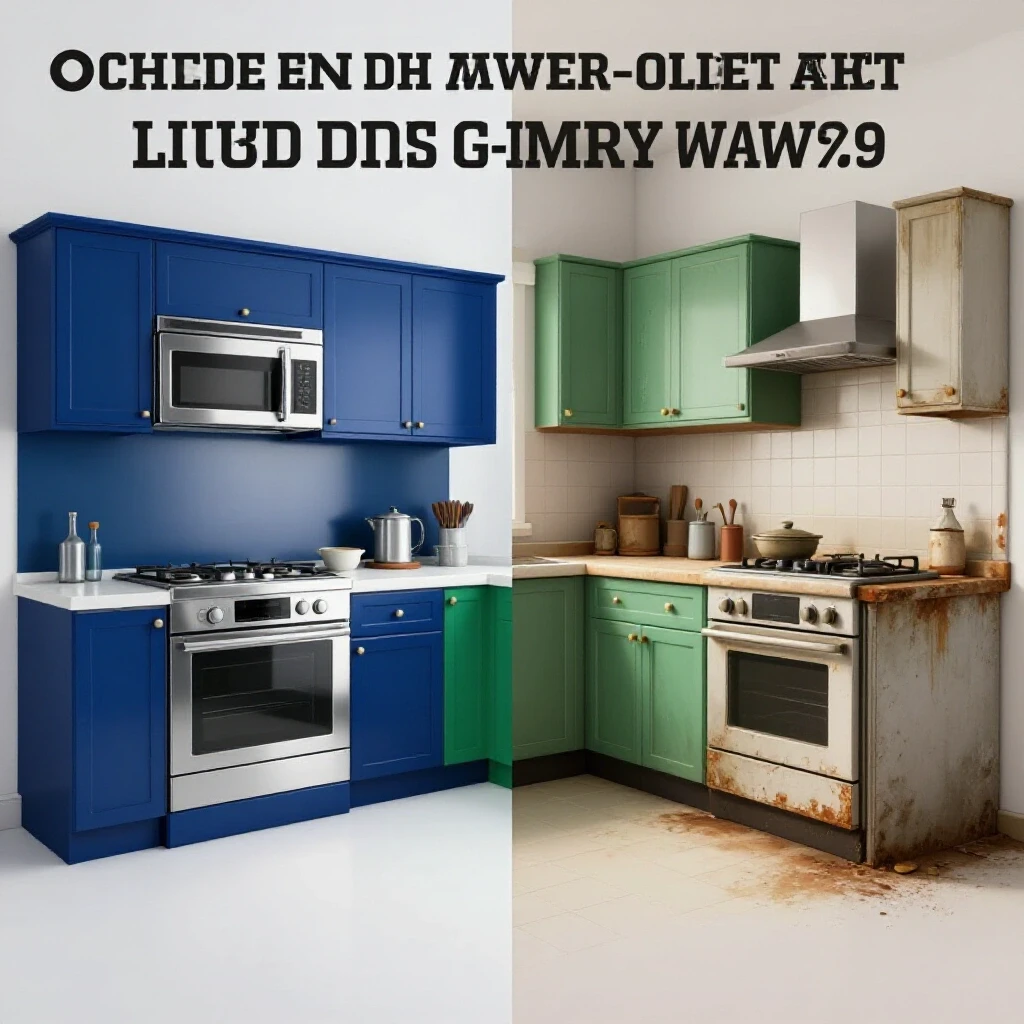
Observed Surface Improvements Over 12 Months
| Surface Type | Before Treatment (Heavy Mineral Load) | After Treatment (Softened Water) |
|---|---|---|
| Glass Shower Doors | Weekly scrubbing required; permanent clouding. | Monthly light wipe-down; glass remains clear. |
| Kitchen Faucets | Hard white crust at the base and aerator. | No visible buildup; water flow remains steady. |
| Tile Grout | Discoloration and orange/white staining. | Colors remain vibrant; less scrubbing needed. |
| Stainless Steel Sinks | Water spots visible within minutes of use. | Fewer spots; easier to buff to a shine. |
The Impact of Water Quality on Fabric Longevity and Laundry
This section explores how treated water interacts with your clothing, linens, and towels. It provides an honest look at how lifestyle adjustments in the laundry room can lead to long-term savings on household goods.
In my sixth year of homeownership, I started tracking the replacement cycle of our bath towels. With untreated water, towels became scratchy and stiff within six months, regardless of the detergent used. This happens because minerals get trapped in the fibers, making them less absorbent and more abrasive. Once I began my “water test” with a softening system, the difference was undeniable. The towels stayed soft for much longer, which directly impacted our household budgeting diary by reducing the frequency of textile replacements.
This also applies to your wardrobe. Dark clothes tend to hold onto mineral deposits, which can make them look faded or “dusty” after just a few washes. By adjusting the water quality, you are protecting the investment you’ve made in your clothing. From a real estate analyst’s perspective, these small, recurring savings on consumables and household goods add up. Over a decade, extending the life of your linens and clothes by 20% can save a family thousands of dollars.
Practical Realities of DIY Water System Installation
This section breaks down the steps and considerations for a homeowner looking to install a water treatment unit themselves. it focuses on the time investment, necessary tools, and the mental preparation required for a successful project.
Installing a water softening system is a common “level two” DIY task. It is more complex than painting a room but less daunting than rewiring a circuit. In my experience, the key is preparation. You aren’t just “hooking up a machine”; you are integrating a new component into your home’s hydrological system. Before you start, you must locate your main water shut-off valve and ensure you have enough space near your water heater or entry point.
I spent about six hours on my first installation. A large portion of that time was spent running to the hardware store for the correct fittings. For a first-time homeowner, I suggest blocking off an entire Saturday. Don’t rush. Rushing leads to leaks, and as I learned the hard way in my second home, a small drip behind a wall can lead to a major repair bill months later. Use a digital home log to photograph your pipe layout before you cut anything.
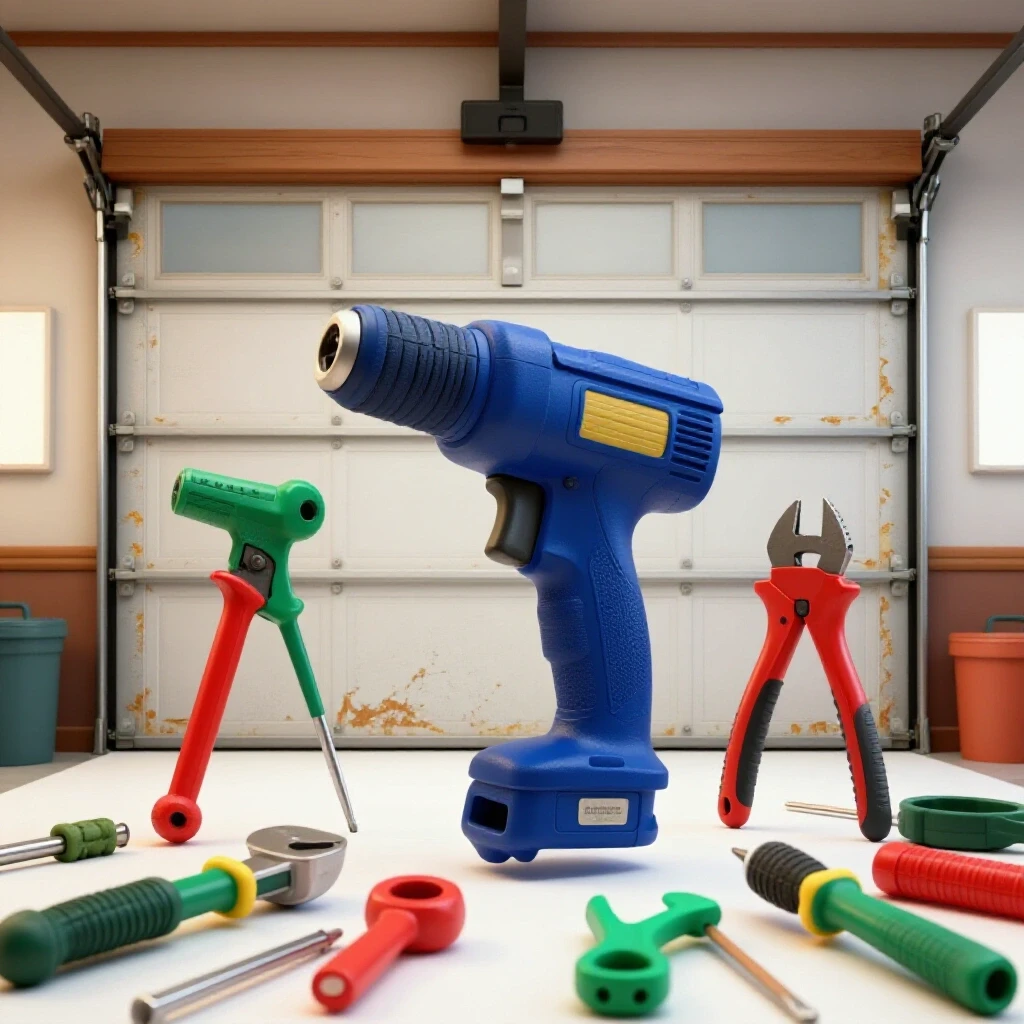
Essential DIY Tool Kit for Installation
- Pipe Cutter: Specifically designed for the type of pipe in your home (copper, PEX, or PVC).
- Adjustable Wrenches: You will need two—one to hold the fitting and one to turn.
- Deburring Tool: To smooth the edges of cut pipes for a leak-proof seal.
- Measuring Tape: Accuracy is vital when fitting a bypass valve.
- Bucket and Rags: To catch the inevitable “residual water” left in the lines.
- Silicone Grease: To lubricate O-rings and prevent future leaks.
Long-Term Asset Protection and Appliance Lifespans
This section details how managing water quality protects your major appliances, such as water heaters and dishwashers. It uses data to show the financial benefits of preventative mechanical care.
As a real estate analyst, I look at the “replacement horizon” of every major system. A standard water heater should last 10 to 12 years. However, HUD reports and my own logs show that in areas with high mineral content, that lifespan can be cut in half. Minerals settle at the bottom of the tank, creating an insulating layer that forces the heater to work harder. This not only increases your utility costs but also leads to premature tank failure.
When I tracked my utility bills after installing a softener, I saw a 5-7% decrease in the energy used for water heating. While that might seem small, it represents a significant ROI when combined with the avoided cost of a $1,500 water heater replacement. This is the essence of smart homeownership: spending a little today to avoid a massive expense tomorrow.
Expected Lifespan of Appliances (With vs. Without Treatment)
- Water Heater: 12-15 years (Treated) vs. 6-8 years (Untreated)
- Dishwasher: 10 years (Treated) vs. 5-7 years (Untreated)
- Washing Machine: 11 years (Treated) vs. 7-8 years (Untreated)
- Faucets/Fixtures: 15+ years (Treated) vs. 5-10 years (Untreated)
Managing Homeowner Fatigue and Maintenance Schedules
This section addresses the psychological side of homeownership, specifically how to manage recurring tasks like adding salt to a softener without feeling overwhelmed. It provides a framework for sustainable routines.
One of the biggest pain points for new homeowners is the “never-ending checklist.” After the excitement of the first year wears off, maintenance can feel like a chore. To avoid homeowner burnout, I treat my water system maintenance like a “passive” task. I set a recurring calendar alert to check the salt levels once a month. It takes five minutes, but it ensures the system continues to protect my home.
If you feel anxious about failing to maintain your home, remember the 1% rule: expect to spend at least 1% of your home’s value on maintenance each year. By investing in a water treatment system, you are actually lowering the “friction” of other chores. Cleaning takes less time, and repairs happen less often. This creates a more sustainable lifestyle, allowing you to enjoy your home rather than just serving it.
Establishing a Sustainable Home Maintenance Routine
This section provides a step-by-step action plan for integrating water care into your broader home management strategy. It emphasizes the importance of consistency and documentation.
To truly see the benefits of your efforts, you need to be consistent. I recommend a “Seasonal Home Audit.” Every three months, walk through your home and look at your fixtures, check the salt in your brine tank, and look for any small leaks. This proactive approach is what separates a stressed homeowner from a confident one.
- Month 1: Install the system and take “baseline” photos of your faucets and showerheads.
- Month 3: Check salt levels and observe changes in laundry softness and soap lather.
- Month 6: Inspect the water heater for any signs of sediment or scale at the drain valve.
- Year 1: Review your utility logs to see if your heating costs have stabilized or decreased.
Conclusion: The Long-Term Value of Clear Results
Moving into your first home is a massive transition. It is easy to get bogged down in the high-cost items, but the quality of your water is a foundational element that touches everything from your morning coffee to the longevity of your plumbing. My 14 years of tracking have shown that addressing water quality isn’t just a luxury; it is a strategic move for any homeowner.
By taking the time to understand how water affects your surfaces, fabrics, and appliances, you are building a more resilient home. You are reducing the time you spend on chores and the money you spend on replacements. Start small, document your progress, and remember that homeownership is a marathon, not a sprint. The “results” of your efforts will show up in a cleaner home, lower bills, and a lot less stress.
Frequently Asked Questions
How do I know if my new home needs a water treatment system?
Look for physical signs like white, crusty buildup on faucets, spotting on dishes after a dishwasher cycle, or a lack of bubbles when using soap. You can also check your local city water report or use a simple home test kit to check for mineral levels. If you notice your skin feels dry or your hair feels “coated” after a shower, these are also strong indicators.
Can I really install a water softener myself as a beginner?
Yes, if you are comfortable with basic tools and following instructions. Most modern systems are designed for DIYers and use “push-to-connect” fittings that don’t require soldering. However, if your plumbing is in a hard-to-reach area or if you have older lead or galvanized pipes, hiring a professional might be worth the peace of mind to avoid structural damage.
How much salt will I actually use on a monthly basis?
For an average family of four, you can expect to go through about one 40-pound bag of salt per month. This can vary based on your water usage and the initial mineral levels in your area. I recommend keeping two bags on hand so you never run out unexpectedly, which could cause the system to stop working.
Will a water softener affect my monthly utility bills?
While the system itself uses a small amount of electricity, you will likely see a decrease in your gas or electric bill related to water heating. Treated water allows your water heater to operate more efficiently without a layer of scale. Additionally, you will find yourself using significantly less soap, detergent, and cleaning chemicals, which helps your household budget.
Does softened water feel different when showering?
Yes, many people describe the feeling as “slippery” or “silky.” This is because the minerals that normally react with soap to create “soap scum” are removed. This allows the soap to rinse off completely, leaving your skin feeling cleaner. It can take a week or two to get used to the sensation, but most homeowners eventually prefer it.
How do I maintain the system once it is installed?
The primary task is adding salt to the brine tank. Once a year, you should also check for “salt bridges,” which are hard crusts of salt that form in the tank and prevent the system from regenerating. Some homeowners also choose to use a specialized cleaner once a year to keep the internal resin beads efficient.
What happens if I forget to add salt?
The system will stop softening the water, and you will gradually notice the return of spots on your dishes and scale on your faucets. Once you add salt and manually trigger a “regeneration” cycle, the system will return to normal operation. It won’t damage the unit, but it will temporarily stop protecting your home’s surfaces.
Is there a specific type of salt I should use?
Most systems work best with high-purity pellet salt or solar salt. Avoid using rock salt, as it contains impurities that can clog the tank over time. Some homeowners prefer potassium chloride if they want to avoid sodium, though it is generally more expensive and harder to find.
How long does a water softening system typically last?
A well-maintained unit can last between 10 and 15 years. The internal resin is the most important component and can eventually wear out, but the valves and tanks are usually quite durable. Including the system in your annual home inspection ensures you catch any minor issues before they lead to a total system failure.
Will this help with the “rotten egg” smell in my water?
While a standard softener is primarily for mineral removal, it can sometimes help with minor odor issues. However, if you have a strong sulfur smell, you may need an additional filtration component specifically designed for odor. Always identify the specific cause of the smell before assuming a softener will fix it.
(This article was written by one of our staff writers, Michael Morrison. Visit our Meet the Team page to learn more about the author and their expertise.)