How to Transform Your Basement Into a Livable Space (Guide)

Incorporating lifestyle needs into a new home often means looking beneath your feet to find hidden potential. When I bought my first house fourteen years ago, the lower level was nothing more than a concrete box used for storing old boxes and holiday decorations. I quickly realized that as a first-time homeowner, every square foot of my property was an asset that I was paying for through my mortgage and taxes. To get the most out of my investment, I had to learn how to turn that cold, dark space into a warm, functional environment that my family would actually want to use.
The transition from renting to owning is often a shock to the system. You move from a situation where a landlord handles the “big stuff” to a reality where you are the primary operator of a complex machine. My personal logs from my first three years of homeownership show that I spent nearly 200 hours just learning how my home breathed, leaked, and held heat. One of the most significant lessons I learned was that the success of a home project isn’t just about the finished look; it is about how that space improves your daily life.
Transitioning to Active Property Management
Moving from a rental to a home you own requires a shift in how you view every square inch of the building. It is no longer just a place to sleep; it is a resource that requires active management and a long-term vision for comfort. This mental shift helps you move past the initial anxiety of repairs and into a proactive mindset where you improve the home’s utility.
In my first year of owning a 1950s ranch, I felt paralyzed by the sheer number of tasks. I would walk into the lower level and see only problems. However, U.S. Census Bureau housing surveys show that most homeowners find their stride after the 18-month mark. I started keeping a household budgeting diary that tracked not just money, but also the time I spent on DIY home care. This helped me see that small, consistent efforts in aesthetic updates and organization were more effective than waiting for a massive renovation.
- Establish a “Home Base” area for tools and manuals.
- Set a schedule for monthly walk-throughs of the entire property.
- Use a digital log to track filter changes and system ages.
- Prioritize tasks that improve daily comfort first.
Maximizing Underused Lower-Level Areas
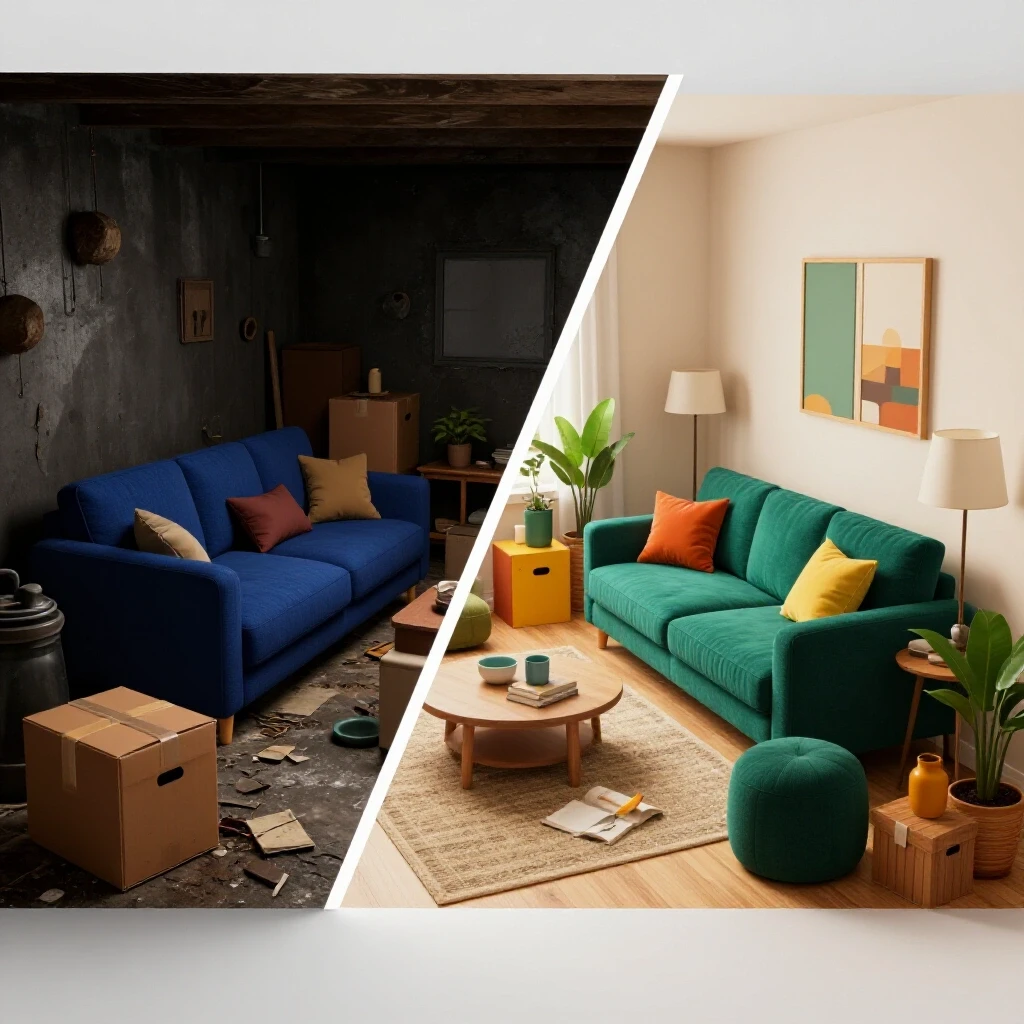
Turning a dark, unfinished area into a vibrant room involves more than just moving furniture. It requires a focus on light, warmth, and purpose-driven design to ensure the space feels like a natural extension of the upper floors rather than a separate, cold entity. When done correctly, this adds usable square footage that supports hobbies, work, or relaxation.
I remember my first attempt at making our subterranean room feel “livable.” I simply threw down an old rug and a couch. It didn’t work. The room felt damp and looked like a cave. According to HUD reports, the key to successful interior transformations is addressing the sensory experience: light, sound, and touch. I had to learn how to use craft-based customizations, like building custom wood frames for mirrors to bounce light around the room. This made the space feel twice as large without changing the footprint.
| Feature | Impact on Usability | DIY Effort Level |
|---|---|---|
| Layered Lighting | Eliminates dark corners and improves mood | Moderate |
| Modular Flooring | Provides warmth and soft underfoot feel | Low |
| Wall Textiles | Dampens echoes and adds visual warmth | Low |
| Built-in Shelving | Maximizes storage and reduces clutter | High |
Essential DIY Techniques for Interior Enhancements
Mastering basic craft skills allows homeowners to personalize their environment without waiting for outside help. Simple tasks like painting, installing modular flooring, or adding custom shelving can drastically change the atmosphere and utility of a subterranean room. These skills build confidence and help you feel more connected to the physical structure of your home.
One of the best first-time homeowner tips I can offer is to start small with your DIY home care. In my second home, I decided to tackle the lower-level walls. I learned that using a high-quality, light-reflecting paint could change the entire vibe of the room. My logs show that a weekend spent on painting and installing simple trim saved me weeks of waiting for a professional. More importantly, it gave me a sense of ownership that a hired crew never could.
- Painting for Depth: Use satin or semi-gloss finishes to help light travel.
- Modular Carpet Tiles: These are easy to replace if one gets stained or worn.
- Command Center Setup: Create a dedicated zone for crafts or office work.
- Lighting Upgrades: Replace old bulbs with “daylight” spectrum LEDs to mimic sun.
Maintaining Comfort in Your New Functional Zone
A finished lower level requires consistent attention to airflow and temperature to remain inviting. Understanding how your home’s mechanical systems interact with the ground-level environment is key to preventing that “basement feel” and keeping the air fresh. This ensures that the time and effort you put into decor aren’t wasted by an uncomfortable atmosphere.
In my 14 years of tracking home data, I’ve noticed that temperature swings are the biggest deterrent to using a lower-level space. My personal utility logs showed a 15% spike in energy use when I didn’t manage the airflow correctly in the winter. I started using smart home integration metrics to monitor the humidity and temperature in my subterranean office. By simply adjusting the vent directions and using a small air purifier, I created a climate that felt identical to the main floor.
- Check air filters every 60 to 90 days to ensure proper airflow.
- Use area rugs with thick pads to insulate against cold floors.
- Keep furniture away from exterior walls to allow air to circulate.
- Install a smart thermostat with remote sensors for balanced heating.
The Role of Aesthetics in Long-Term Satisfaction
Creating a home that looks good is about more than just vanity; it is about psychological well-being. A well-decorated space reduces stress and makes the responsibilities of homeownership feel worth the effort. Choosing the right colors, textures, and furniture layouts can turn a utilitarian area into a sanctuary for your family.
When I evaluated a series of homes for a residential real estate analysis, the ones with the highest “owner satisfaction” weren’t the most expensive. They were the ones where the owners had used personalized touches to make the house feel like a home. In my own journey, adding a “hobby corner” in my lower level with custom-built workbenches and bright task lighting changed how I spent my Tuesday nights. It wasn’t just a basement anymore; it was my workshop.
- Color Palettes: Stick to light neutrals with bold accents to maintain a bright feel.
- Zones: Use furniture to define different areas, like a “movie zone” or “gym zone.”
- Greenery: Use low-light plants or high-quality artificial greens to bring life downstairs.
- Textile Layers: Mix wool, cotton, and linen to create a rich, cozy atmosphere.
Sustainable Home Systems and Energy Audits
Managing a home efficiently means looking at how energy moves through the building envelope. For lower-level spaces, this often involves sealing small gaps and ensuring the heating and cooling systems aren’t working harder than they need to. A sustainable approach saves money and reduces the wear and tear on your major appliances.
I performed a DIY energy audit on my third home using a simple thermal leak detector. I found that a significant amount of cold air was seeping in through the gaps where the upper floor met the foundation. By using simple craft materials like foam sealants and weatherstripping, I stabilized the temperature in my lower-level living area. This proactive maintenance is a hallmark of a seasoned homeowner.
| System | Expected Lifespan | Maintenance Task | Frequency |
|---|---|---|---|
| HVAC Unit | 15–20 Years | Professional Tune-up | Annually |
| Water Heater | 8–12 Years | Flush Sediment | Annually |
| Sump Pump | 7–10 Years | Test Operation | Every 6 Months |
| LED Lighting | 15+ Years | Dust Fixtures | Every 6 Months |
Managing Homeowner Fatigue and Burnout
Avoiding burnout is essential when managing a property, especially for young professionals or families. By creating spaces that promote relaxation and hobbies, you balance the “work” of homeownership with the “reward” of a home that truly serves your family’s emotional and physical needs. Recognizing when you are overwhelmed is the first step toward a more sustainable routine.
In my fifth year of homeownership, I hit a wall. Every weekend felt like a chore list. I realized I was focusing too much on “fixing” and not enough on “living.” I decided to dedicate my transformed lower level as a “no-work zone.” No laptops, no toolboxes, just books and games. This boundary saved my relationship with my home. According to national trends, homeowners who create dedicated relaxation spaces are 30% more likely to stay in their homes long-term.
- The 80/20 Rule: Focus on the 20% of tasks that provide 80% of the comfort.
- Seasonal Sprints: Group major tasks into two weekends a year to free up the rest.
- Reward Systems: After finishing a DIY project, spend a weekend just enjoying the space.
- Community Building: Share tools and tips with neighbors to reduce the individual burden.
Long-Term Asset Protection and Planning
Protecting your home means looking five to ten years into the future. By maintaining a household budgeting diary and a maintenance log, you can predict when systems will need attention before they fail. This strategic planning prevents the financial anxiety that often plagues first-time buyers and allows for a more relaxed lifestyle.
My 14-year log has taught me that the “Outcome” of a well-maintained home is peace of mind. I no longer jump when the furnace kicks on or worry when it rains. I know the state of my subterranean living space because I’ve spent the time to understand it. Sustainable home systems aren’t built overnight; they are the result of small, consistent actions taken by a homeowner who cares about the details.
- Save 1% of your home’s value annually for a maintenance reserve.
- Keep a “Home History” folder with receipts and warranties.
- Review your home insurance coverage every two years.
- Plan one “aesthetic” project per year to keep the home feeling fresh.
Practical Next Steps for Your New Home
Taking the first step toward a functional lower-level space doesn’t have to be overwhelming. Start by simply clearing out the clutter and observing how the light hits the room at different times of the day. This observational phase is crucial for making smart design choices later on.
Once you have a clear space, pick one small DIY home care project. Maybe it’s painting a single accent wall or installing a new light fixture. These small wins build the momentum you need to tackle larger interior enhancements. Remember, the goal of homeownership is to create a space that reflects your lifestyle and supports your growth as a person and a family.
Frequently Asked Questions
How can I make my lower-level room feel less like a basement? Focus on lighting and flooring. Use LED bulbs that mimic natural sunlight and avoid “cool” blue tones. Install modular carpet tiles or large area rugs with thick padding to provide warmth and sound insulation. Adding vertical elements like floor-to-ceiling curtains can also make the ceilings feel higher.
What is the best way to track my home maintenance tasks? I recommend a mix of a digital calendar for recurring reminders and a physical or digital log for “event-based” tasks. Use your calendar for monthly filter changes and your log to record the date and details of larger projects, like painting or appliance repairs.
How much time should I realistically spend on home upkeep each week? For most new homeowners, spending two to four hours a week on “active” maintenance is a solid benchmark. This includes cleaning, small repairs, and organizing. Grouping larger tasks into one “Home Saturday” a month can also help keep your weekdays free for work and family.
What are the signs that my lower-level air quality needs attention? If the air feels “heavy,” smells musty, or if you notice condensation on the windows, your airflow is likely restricted. Using a hygrometer to monitor humidity levels (aim for 30-50%) and ensuring your HVAC vents are open and unobstructed can solve most of these issues.
Can I really do DIY projects if I have no experience? Yes. Start with “non-structural” crafts like painting, changing hardware, or assembling modular furniture. There are countless verified tutorials online. The key is to have the right tools—a basic kit with a level, a drill, and a good measuring tape is all you need to start.
How do I prioritize which room to improve first? Focus on the room where you spend the most time or the room that causes the most stress. If your lower level is currently a “dumping ground” for clutter, clearing it out and adding basic organization will provide an immediate psychological boost.
What should I include in my household budgeting diary? Track your monthly utility costs, any tools or materials you buy for DIY projects, and the cost of any professional services. Over time, this data will help you spot trends, such as seasonal utility spikes, and help you plan for future improvements.
How do I handle the anxiety of something expensive breaking? The best antidote to anxiety is a plan. Establish an emergency fund specifically for home repairs. Aim for a target of $3,000 to $5,000 as a starting point. Knowing you have the funds to handle a sudden appliance failure makes the reality of homeownership much less stressful.
What is the most common mistake first-time homeowners make with their basements? Many people treat the lower level as a separate entity from the rest of the house. They use cheaper materials or neglect the decor. To make the space truly functional, treat it with the same aesthetic care as your living room. Consistent flooring and paint colors help the whole house feel cohesive.
How do I keep my home systems sustainable over the long term? Sustainability comes from regular inspections. Check your water heater for leaks, clean your dryer vent, and ensure your gutters are clear. These simple, low-cost tasks prevent major system failures and extend the life of your home’s most expensive components.
(This article was written by one of our staff writers, Michael Morrison. Visit our Meet the Team page to learn more about the author and their expertise.)