Essential Power Tool Safety Tips for Homeowners (Guide)

Focusing on aesthetics is often the first instinct for any new homeowner. When I walked into my first house fourteen years ago, I didn’t see the aging HVAC system or the slightly uneven subfloor; I saw a blank canvas for custom shelving and modern trim. Like many in the 25–40 age bracket, I was eager to make the space my own. However, that enthusiasm quickly collided with the reality of operating heavy machinery without a plan. My personal logs from that era are filled with notes on “lessons learned the hard way,” mostly involving minor mishaps that could have been avoided with a bit more respect for the equipment in my hands.
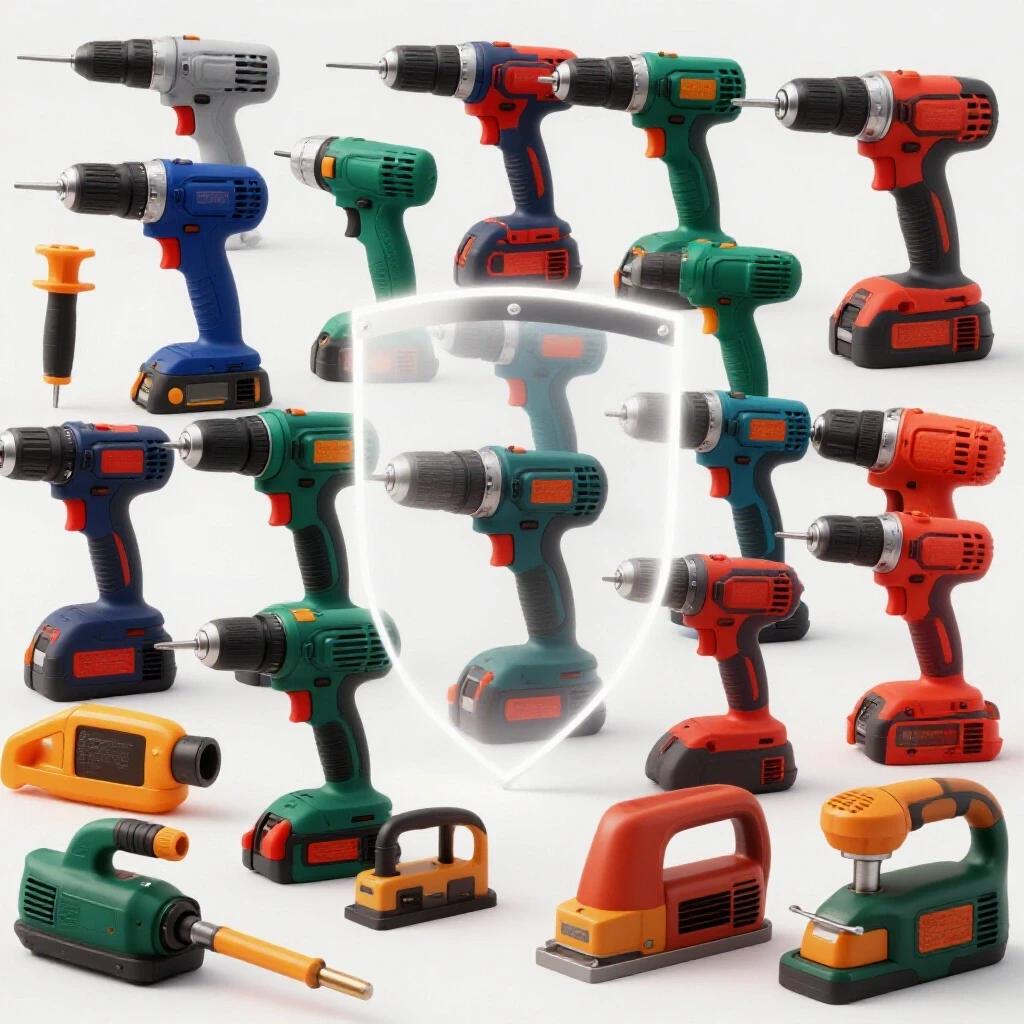
Transitioning from Renter to Active Home Maintainer
Taking ownership of a property means moving from a passive observer to the primary person responsible for every mechanical and structural element of the building. This shift requires a new mindset regarding how we interact with the hardware needed to keep a house running.
In my first year of homeownership, I underestimated the sheer volume of small tasks that required more than just a screwdriver. According to U.S. Census Bureau housing surveys, the average homeowner spends significant time on DIY improvements within the first two years. I was no exception. I quickly realized that while I owned the tools, I hadn’t yet mastered the mindfulness required to use them. My early journals show I often rushed through tasks to save time, only to realize that haste is the primary enemy of a safe workspace.
The Financial Reality of Home Upkeep
The “1% to 3% rule” suggests setting aside a percentage of your home’s value annually for maintenance, which provides the budget for both tools and professional help. For a $350,000 home, that is $3,500 to $10,500 per year.
When you start buying equipment to handle these tasks yourself, it is tempting to go for the cheapest options. However, my data shows that investing in quality gear—and the protective equipment that goes with it—actually lowers long-term costs by preventing ruined materials. In 2012, I tried to save $20 by skipping a sturdy workbench. I ended up scarring a $200 piece of butcher block because my workspace shifted during a cut.
| Project Type | DIY Estimated Cost | Professional Cost | Risk Level |
|---|---|---|---|
| Interior Trim Work | $150 (Materials) | $800 – $1,200 | Moderate |
| Deck Board Replacement | $300 (Materials) | $1,500 – $2,000 | High |
| Hanging Heavy Shelving | $50 (Hardware) | $250 – $400 | Low |
| Minor Fence Repair | $100 (Materials) | $500 – $700 | Moderate |
Building a Responsible Foundation with Workshop Equipment
Operating high-speed machinery requires a dedicated environment where variables like lighting, stability, and clutter are strictly controlled to prevent operational errors.
In my second home, I learned that a cluttered floor is a primary hazard when using corded equipment. I once stepped on a scrap piece of copper pipe while operating a circular saw. The resulting stumble didn’t lead to an injury, but it did cause a jagged, ruined cut on a cabinet I was building. Since then, my logs include a “pre-flight checklist” for every project. This includes clearing a three-foot radius around my feet and ensuring my work surface is bolted down or weighted.
The Critical Role of Eye and Ear Protection
Personal protective equipment is not an optional accessory; it is a fundamental component of the tool itself that guards against immediate and cumulative physical strain.
I used to think that a single cut didn’t justify putting on goggles. My 2016 maintenance log contains a frustrating entry about spending two hours flushing sawdust out of my eye because I was “just making one quick trim.” Now, I follow a strict “eyes on, ears on” policy. Modern housing data suggests that many home-related accidents occur during “quick fixes” where the user felt the task was too small to merit full precautions.
- Always wear impact-resistant glasses, even for manual tasks like hammering.
- Use earplugs or muffs for any tool that exceeds 85 decibels.
- Avoid loose clothing or jewelry that can get caught in rotating parts.
- Ensure your footwear has non-slip soles and closed toes.
Strategic DIY Prioritization and Risk Management
Not every home project is a candidate for a “do-it-yourself” approach, and recognizing your current skill level is a vital part of protecting your investment.
As a real estate analyst, I look at homes through the lens of long-term value. A poorly executed DIY project can actually decrease a home’s appraisal value. In my third home, I decided to outsource the installation of a large deck because the torque required for the structural fasteners was beyond my comfort zone at the time. I tracked the ROI and found that the professional finish added more to my equity than I would have saved by struggling through it myself.
Avoiding the Pitfalls of Corded and Battery-Powered Devices
Understanding the limitations of your power source prevents common errors like overextending a reach or losing control due to a dying battery.
Corded tools offer consistent power but create tripping hazards. Battery-powered tools offer freedom but can be unexpectedly heavy, leading to wrist fatigue. In my experience, the weight of a high-capacity battery can change the balance of a drill or saw mid-cut. I once misjudged the weight of a cordless circular saw and ended up “diving” into the wood deeper than intended.
- Check cord integrity for frays before every use.
- Route cords behind you and away from the cutting path.
- Remove batteries before changing blades or bits.
- Store batteries in a cool, dry place to prevent chemical degradation.
Long-Term Asset Protection Through Proper Tool Usage
Using the wrong attachment for a task is a frequent mistake that leads to equipment “kickback” and damaged home materials.
A common rookie mistake I made was using a general-purpose blade for fine finish work. My logs from 2011 show I ruined three expensive baseboards because the blade teeth were too aggressive, causing the wood to splinter. This isn’t just about safety; it’s about the “thermal envelope” and structural integrity of your home. Using the wrong drill bit can crack a ceramic tile or a piece of siding, leading to moisture intrusion—a problem that HUD reports highlight as a leading cause of home deterioration.
Why Correct Blade Selection Prevents Kickback
Kickback occurs when a blade binds in the material and thrusts the tool back toward the operator, a situation usually caused by dull or incorrect teeth.
When the blade isn’t right for the job, you tend to push harder. This extra force is exactly what leads to losing control. I now keep a log of how many “hours of use” each blade has. If I feel any resistance, I stop and replace the blade. It is cheaper to buy a $15 blade than to replace a $50 piece of hardwood or, worse, deal with the shock of a tool jumping out of your hands.
- Cross-cut blades: Used for cutting across the grain to prevent splintering.
- Rip blades: Designed for cutting with the grain with fewer, larger teeth.
- Carbide-tipped bits: Necessary for masonry or tile to prevent overheating.
- Fine-tooth blades: Essential for PVC or thin plastics to avoid shattering.
Managing Homeowner Fatigue and Operational Mindfulness
Mental exhaustion is a significant factor in workshop errors, particularly for young professionals balancing a career with home renovations.
I have found that most of my mistakes happened after 8:00 PM. After a full day of analyzing housing data, my brain wasn’t sharp enough to handle a miter saw. In my current home, I have a “sundown rule”: no power tools after dark. When you are tired, your reaction time slows, and you are more likely to take shortcuts, like holding a piece of wood with your hand instead of a clamp.
Identifying the Warning Signs of DIY Burnout
Homeowner fatigue manifests as a lack of interest in following steps correctly or a feeling of “just wanting to get it over with.”
If you find yourself rushing or skipping the setup of your safety gear, it is time to put the tools away. My maintenance logs show that projects finished during periods of high stress often had to be redone later. This doubles your cost and your time investment. Taking a break isn’t a sign of failure; it’s a strategic move to protect your home and yourself.
- Irritability with simple assembly steps.
- Forgetting where you placed your measuring tape or pencil.
- A desire to skip “unnecessary” steps like clamping.
- Physical tension in the shoulders or neck.
Establishing a Digital Home Log and Maintenance Schedule
Keeping a detailed record of your home’s systems and the work you perform on them is the best way to stay organized and avoid the anxiety of the unknown.
I use a simple spreadsheet to track everything from the age of my water heater to the last time I sharpened my lawnmower blades. This data-driven approach removes the guesswork. For example, knowing that my HVAC filters were changed exactly 60 days ago prevents me from having to climb into the attic “just to check.” It also creates a “house Bible” that is incredibly valuable when it comes time to sell.
Annual Maintenance Reserve Benchmarks
Tracking your spending against national averages helps you understand if your DIY efforts are actually saving you money.
| System | Expected Lifespan | Annual Maintenance Task | Estimated DIY Time |
|---|---|---|---|
| HVAC System | 15 – 20 Years | Filter change & coil cleaning | 1 Hour |
| Water Heater | 8 – 12 Years | Flush sediment from tank | 2 Hours |
| Roof (Shingle) | 20 – 25 Years | Debris removal & pipe boot check | 3 Hours |
| Gutters | 20 – 30 Years | Clean and check pitch | 4 Hours |
Conclusion: Taking the First Step Toward Mastery
The transition into homeownership is a marathon, not a sprint. My fourteen years of tracking data have shown me that the most successful homeowners aren’t the ones who know everything on day one, but the ones who are willing to learn from their early blunders. Start small. Before you tackle a major renovation, practice your tool handling on scrap wood. Build a simple birdhouse or a basic shelf. These low-stakes projects allow you to build the muscle memory and “operational mindfulness” needed for larger tasks.
By respecting the equipment and maintaining a clean, stable workspace, you move from being overwhelmed to being in control. Your home is likely your largest financial asset; treating the tools used to maintain it with the proper care is the best way to ensure that asset grows in value over time.
Frequently Asked Questions
What is the most common mistake new homeowners make with power tools?
The most frequent error is failing to secure the workpiece properly. Many people try to hold the wood with one hand while operating a saw with the other. This significantly increases the risk of the tool slipping or the wood binding. Always use clamps or a dedicated vise to keep your hands away from the “line of fire.”
Why does the type of wood I am cutting matter for safety?
Different densities and grain patterns react differently to blades. Hardwoods like oak can cause more resistance and heat, increasing the chance of kickback. Wet or pressure-treated lumber can “pinch” a blade as the internal tension is released during a cut. Understanding these properties allows you to adjust your pace and grip accordingly.
How do I know if my power tool blade needs to be replaced?
If you see smoke, smell burning wood, or have to apply significant pressure to move the tool forward, the blade is dull. A sharp blade should do the work for you. Pushing a dull blade is a major cause of losing control of the equipment.
Is battery-powered equipment safer than corded equipment?
Neither is inherently “safer,” as they present different risks. Corded tools have a persistent trip hazard and the risk of cutting the power line. Battery tools are often heavier and can lose torque unexpectedly as the charge drops, which might cause the user to compensate with unsafe body positioning.
What should be in a basic home maintenance toolkit?
For a first-time owner, start with a high-quality cordless drill, a level, a set of screwdrivers, a hammer, and a utility knife. As you progress, add a miter saw or circular saw, but only after you have practiced basic manual repairs and feel comfortable with the weight and force of motorized gear.
How can I prevent “kickback” when using a circular saw?
Kickback is prevented by ensuring the wood is supported in a way that the cut “opens up” rather than “closing in” on the blade. Never cut between two supports; instead, cut on the overhanging end of a board so the waste piece falls away freely.
Does wearing gloves make using power tools safer?
Actually, for tools with rotating parts like drills or table saws, gloves can be a hazard. The fabric can get caught in the spinning mechanism and pull your hand in. Gloves are best for handling raw lumber or using manual tools like shovels and hammers.
How do I manage the anxiety of using a powerful tool for the first time?
Education is the best remedy for anxiety. Read the manual from cover to cover, watch reputable demonstration videos, and perform several “dry runs” with the tool unplugged or the battery removed. This helps you get a feel for the weight and the trigger tension before any actual cutting begins.
What is the best way to store tools to keep them in good condition?
Keep them in a climate-controlled space if possible to prevent rust on metal surfaces and degradation of battery cells. Using the original blow-molded cases or a dedicated tool chest protects the sensitive alignment of blades and guards from being bumped or bent.
When should I stop a DIY project and call a professional?
If a project involves the main electrical panel, structural load-bearing walls, or complex gas lines, it is usually time to call a pro. Additionally, if you feel a sense of dread or find yourself “guessing” at the next step, stop immediately. The cost of a professional is always lower than the cost of fixing a major structural error.
(This article was written by one of our staff writers, Michael Morrison. Visit our Meet the Team page to learn more about the author and their expertise.)