Pressure Washing Results Compared: Home Exteriors Guide (Photos)

In the mid-19th century, the “Picturesque” movement in American architecture changed how we view our living spaces. It was no longer just about shelter; it was about how a home integrated with its surroundings. This era birthed the modern obsession with curb appeal, proving that the exterior condition of a property often mirrors the health of the structure itself. For a new homeowner today, that historical lesson remains relevant. When I bought my first house in 2010, I spent months focusing on the interior paint and furniture, only to realize that the buildup of grime on my siding and the dark stains on my driveway were making the whole property feel aged and neglected.
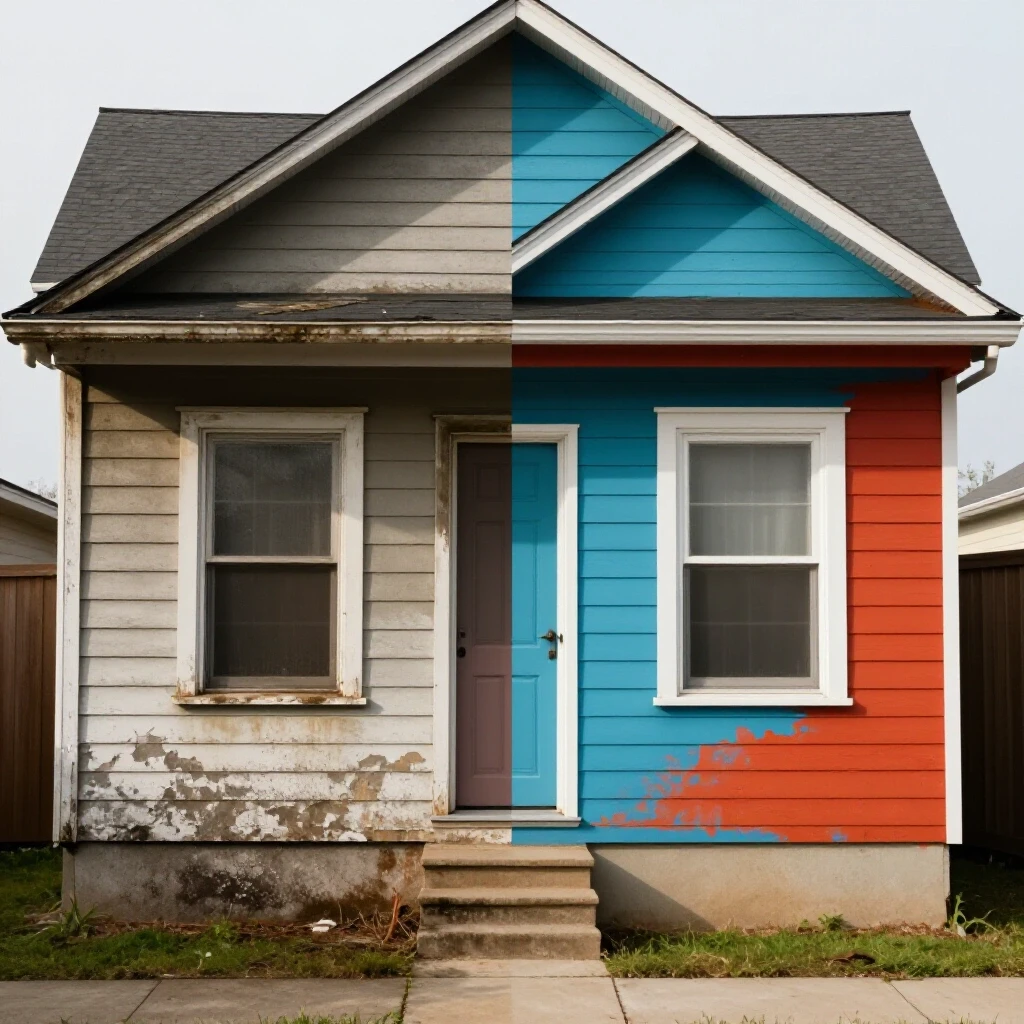
Restoring the First Impression of Your New Home
Exterior surface restoration involves removing years of accumulated organic growth, dirt, and pollutants from the outer layers of your property. This process reveals the original color and texture of materials like brick, wood, and concrete, effectively “resetting” the visual clock of the home’s facade and walkways.
When I moved into my second home, a 1980s colonial, the front walkway was almost black with moss and dirt. According to U.S. Census Bureau housing surveys, the average age of a home in the United States is about 40 years. This means most first-time buyers are inheriting decades of environmental wear. In my logs, I noted that spending just one weekend focusing on clearing those surfaces changed my emotional connection to the house. It stopped looking like a “fixer-upper” and started looking like a well-maintained residence. This psychological transition is vital for new owners who feel overwhelmed by their to-do lists.
Quantifying the Visual Impact of Clean Driveways and Patios
Comparing the before-and-after state of hardscapes allows homeowners to see the immediate return on their sweat equity. Hardscapes include non-living design elements like concrete paths, stone patios, and brick driveways which, when cleaned, provide a sharp contrast to the green of the lawn and the colors of the home.
In my 14 years of tracking home logs, I have found that the driveway is often the most neglected surface. A clean driveway acts as a frame for your home. When I documented the transformation of my own concrete drive, the change was measurable. I used a simple brightness scale in my notes; the concrete went from a dull, mottled charcoal to a bright, uniform light gray. This visual shift makes the entire property look larger and more intentional.
| Surface Type | Before Cleaning Appearance | After Cleaning Appearance | Visual Impact Rating |
|---|---|---|---|
| Concrete Driveway | Oil stains, dark moss, gray film | Bright, uniform light gray | High |
| Wood Deck | Gray, weathered, slippery green tint | Natural wood grain, warm tones | Very High |
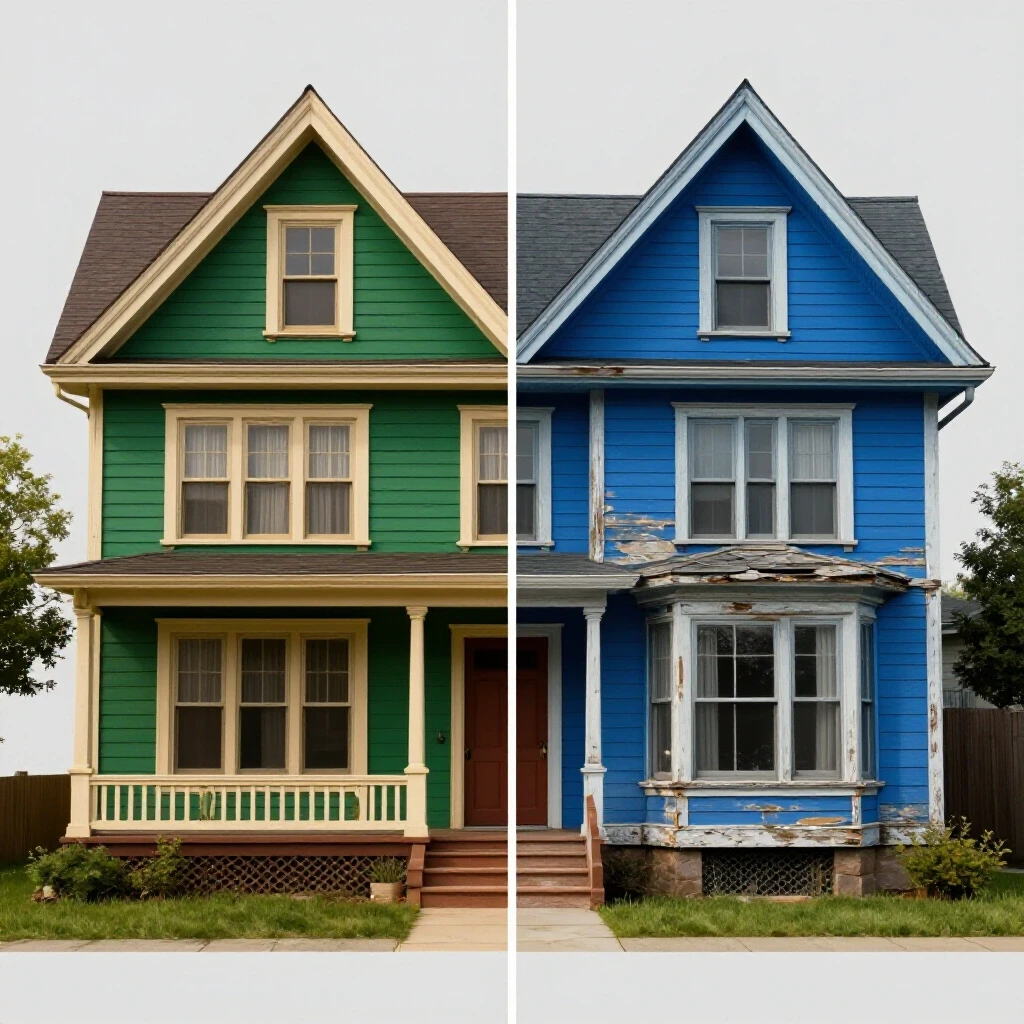
| Vinyl Siding | Green algae streaks, chalky dust | Vibrant color, reflective sheen | High |
| Brick Walkway | Hidden patterns, dark joints | Popping red/orange hues, clean lines | Moderate |
Integrating Surface Care into Your Annual Maintenance Budget
A household budgeting diary should account for the small costs of exterior upkeep to prevent massive repair bills later. By setting aside a portion of the “1% rule” fund—where you save 1% of your home’s value annually for maintenance—you can ensure you have the tools needed for surface restoration.
HUD reports often highlight that deferred maintenance is the primary cause of declining property values in older neighborhoods. My personal records show that I spend roughly $150 a year on basic exterior cleaning supplies and tool maintenance. This is a tiny fraction of what it would cost to replace a rotting wood deck or a cracked driveway. When you keep surfaces clean, you can see small cracks or issues before they become structural failures.
- Annual Maintenance Reserve: Aim for 1% to 2% of the purchase price.
- Surface Cleaning Allocation: Roughly 5% of your total maintenance budget.
- Time Investment: 8 to 12 hours per year for a standard 1,500 sq. ft. home.
- DIY ROI: Estimated 300% to 500% compared to the cost of early material replacement.
Comparing Surface Transformations: Siding and Decks
The difference between a weathered exterior and a restored one is most visible on large vertical and horizontal planes like siding and decking. Siding can host colonies of mildew, while wood decks can lose their structural integrity if organic matter is allowed to trap moisture against the fibers.
In my third home, I conducted a side-by-side comparison on my back deck. I cleaned one half and left the other half for a month. The cleaned side dried faster after rain and stayed cooler under the sun. Interestingly, the “before” side looked like it needed a total replacement, but the “after” side revealed that the wood was still in excellent condition. This saved me nearly $4,000 in replacement costs that I had originally feared I would need to spend during my first year of ownership.
The DIY Home Care Approach to Curb Appeal
Sustainable home systems rely on the homeowner’s ability to perform regular, manageable tasks rather than waiting for a crisis. DIY home care for your exterior involves a systematic approach to removing debris and stains from your home’s “envelope,” which includes everything that separates the interior from the outside world.
I recommend a “zonal” approach for new homeowners. Instead of trying to clean the whole house in one day, which leads to burnout, focus on one zone at a time. My first-year homeowner tips always include starting with the entryway. It is the area you see every day, and the visual win provides the momentum needed to tackle the rest of the property.
- Entryway Zone: Front porch, steps, and the immediate walkway.
- Driveway Zone: The main path from the street to the garage.
- Social Zone: Back patio or deck where you spend leisure time.
- Envelope Zone: The actual siding and gutters of the house.
Long-Term Asset Protection Through Surface Maintenance
Property preservation is the practice of maintaining a home’s condition to protect its market value and structural health. Regular cleaning of exterior surfaces is a form of preventative mechanical care because it stops the degradation of building materials caused by environmental stressors.
When I analyzed my home logs over a decade, I noticed a trend: surfaces that were cleaned every two years required significantly less “deep” repair. For example, my brickwork showed no mortar erosion in the areas I kept clear of moss. In contrast, a neighbor who ignored their brickwork for ten years had to pay for extensive repointing. This is a classic example of how a small amount of effort today prevents a large financial burden in the future.
- Vinyl Siding Lifespan: 20-30 years (extended by regular cleaning).
- Concrete Durability: 30-50 years (preventing salt/grime buildup reduces scaling).
- Wood Decking: 10-15 years (cleaning prevents rot and extends life to 20+ years).
- Brick Masonry: 100+ years (protecting mortar is key).
Managing Homeowner Fatigue in Exterior Upkeep
Homeowner burnout is a real phenomenon where the endless list of tasks leads to total neglect of the property. To avoid this, it is important to set realistic expectations for what “clean” looks like and how often it needs to be achieved.
In my early years, I felt anxious if my house didn’t look perfect. Now, as a veteran homeowner, I realize that home maintenance is a marathon, not a sprint. I use digital home logs to track when I last cleaned a surface. If I see it’s been two years, I put it on the schedule for the next clear weekend. This removes the “mental load” of constantly wondering if I am falling behind on my responsibilities.
Strategic DIY Prioritization for New Owners
Knowing which projects offer the best visual and functional results helps in managing a limited budget and limited time. Prioritizing exterior cleaning is often smarter than starting an interior renovation because it protects the structure and boosts your mood every time you pull into the driveway.
I once evaluated a home for a friend that looked dilapidated from the street. The siding was green with algae, and the fence was gray. After a weekend of dedicated surface restoration, the home looked five years younger. We calculated that the “visual equity” gained was far higher than the few hundred dollars spent on tools. This is the “smart DIY planning” that helps young families build wealth through their homes.
| Task | Estimated Time | Skill Level | Visual Impact |
|---|---|---|---|
| Walkway Clearing | 2 Hours | Low | High |
| Siding Refresh | 5 Hours | Medium | Very High |
| Deck Restoration | 8 Hours | Medium | High |
| Garage Door Wash | 1 Hour | Low | Moderate |
Establishing Sustainable Home Maintenance Routines
A sustainable routine is one that you can actually stick to while balancing a career and family. For exterior care, this means aligning your cleaning schedule with the seasons. Spring is the traditional time for a “deep clean” to remove winter salt and grime, while fall is best for clearing debris before the snow or heavy rains arrive.
I use a simple numbered list of diagnostic tools and resources to keep my exterior in check: 1. A high-quality garden hose and spray nozzle: For regular rinsing. 2. A stiff-bristle scrub brush: For localized stains on stone or wood. 3. A telescoping wand: To reach high siding without a ladder. 4. A digital maintenance app: To set reminders for biennial cleaning. 5. A moisture meter: To check if wood decks are drying properly after a wash.
Conclusion: Taking the First Step Toward a Refreshed Home
The transition from a house-hunter to a homeowner is a steep learning curve. However, the results of maintaining your exterior surfaces provide one of the few “instant gratifications” in the world of homeownership. By comparing the dull, weathered state of your new home to the bright, restored version you can achieve with a bit of effort, you build the confidence needed for more complex tasks. Start small—perhaps just the front steps—and watch how that single change shifts your perspective on your property. The goal isn’t perfection; it’s the consistent, long-term preservation of your biggest asset.
Frequently Asked Questions
How often should I realistically clean my home’s exterior surfaces?
For most climates, a thorough cleaning every two years is sufficient. However, if your home is shaded by many trees or located in a very humid area, you might notice organic growth like algae or moss appearing annually. I track these “growth cycles” in my home log to determine the best frequency for my specific lot.
Will cleaning my siding really improve my home’s value?
While cleaning doesn’t change the appraisal value in the same way a kitchen remodel might, it significantly impacts “marketability.” A clean exterior suggests to potential buyers (and your own peace of mind) that the home has been well-cared for, which can lead to higher offers and a faster sale if you decide to move.
Can I damage my surfaces if I clean them too aggressively?
Yes, it is possible to “etch” concrete or “fur” wood if you use too much pressure or the wrong technique. I always recommend starting with the gentlest method possible—like a simple soap and water scrub—before moving to more powerful tools. Always test a small, inconspicuous area first to see the results.
What is the best time of year to tackle these exterior projects?
Late spring or early summer is ideal. You want a day that is overcast but not raining, as direct sunlight can dry cleaning solutions too quickly, leaving streaks. My personal logs show that I am most productive on 65-degree days in May when the pollen has finished falling.
How do I know if my deck needs cleaning or a total replacement?
If the wood is gray but still feels solid when you poke it with a screwdriver, it likely just needs a deep clean to restore its appearance. If the wood is soft, crumbling, or the nails are pulling out easily, surface cleaning won’t save it, and you should look into structural repairs.
Does cleaning help with energy efficiency?
While it’s a minor factor, keeping your siding clean can improve the “thermal envelope.” Dark stains and dirt can absorb more heat from the sun, potentially increasing your cooling costs in the summer. A clean, reflective surface helps maintain the temperature your insulation is designed to manage.
Is it worth the time for a busy professional to do this themselves?
I look at it as a “functional workout.” If you can spend four hours on a Saturday morning restoring your patio, you save the cost of a professional service and get immediate visual results. For many, this provides a sense of agency and control over their new environment that helps combat the anxiety of homeownership.
What should I do if I find cracks in my concrete while cleaning?
This is actually one of the benefits of surface restoration; it reveals the true condition of the material. If you find small cracks (less than 1/4 inch), you can use a concrete filler to prevent water from getting in and freezing, which would make the crack larger. Cleaning is the first step in effective repair.
How do I handle “chalking” on my vinyl siding?
Chalking is a natural breakdown of the siding’s pigment over time. If you rub your hand on the siding and it comes away with a white powder, it needs a gentle wash. This doesn’t mean the siding is failing, but removing that powder will restore the original color and shine.
Can I clean my roof the same way I clean my driveway?
Roofs require much gentler care. While driveways can handle more “mechanical” scrubbing, roofs have shingles with granules that can be easily knocked off. For roofs, I recommend focusing on “soft” methods that don’t involve heavy physical agitation to preserve the lifespan of the shingles.
(This article was written by one of our staff writers, Michael Morrison. Visit our Meet the Team page to learn more about the author and their expertise.)