Avoiding Common Appliance Buying Mistakes (Expert Comparison Guide)

Have you ever wondered why a premium price tag doesn’t always prevent a mid-summer refrigerator failure or a cracked stone countertop? After 13 years as a supply chain analyst evaluating home goods for my own properties, I have learned that the most expensive choice is rarely the most durable one. We often buy based on the luster of a showroom floor, yet the real value of an investment is hidden in the technical specifications and the fine print of service agreements.
Evaluating Technical Standards for Long-Term Home Reliability
Technical standards are the measurable benchmarks that define how a material or machine will perform under stress over several years. Organizations like ASTM International and the National Association of Home Builders (NAHB) provide these metrics so consumers can compare products objectively rather than relying on marketing claims. Understanding these ratings is the first step in a successful home material comparison.
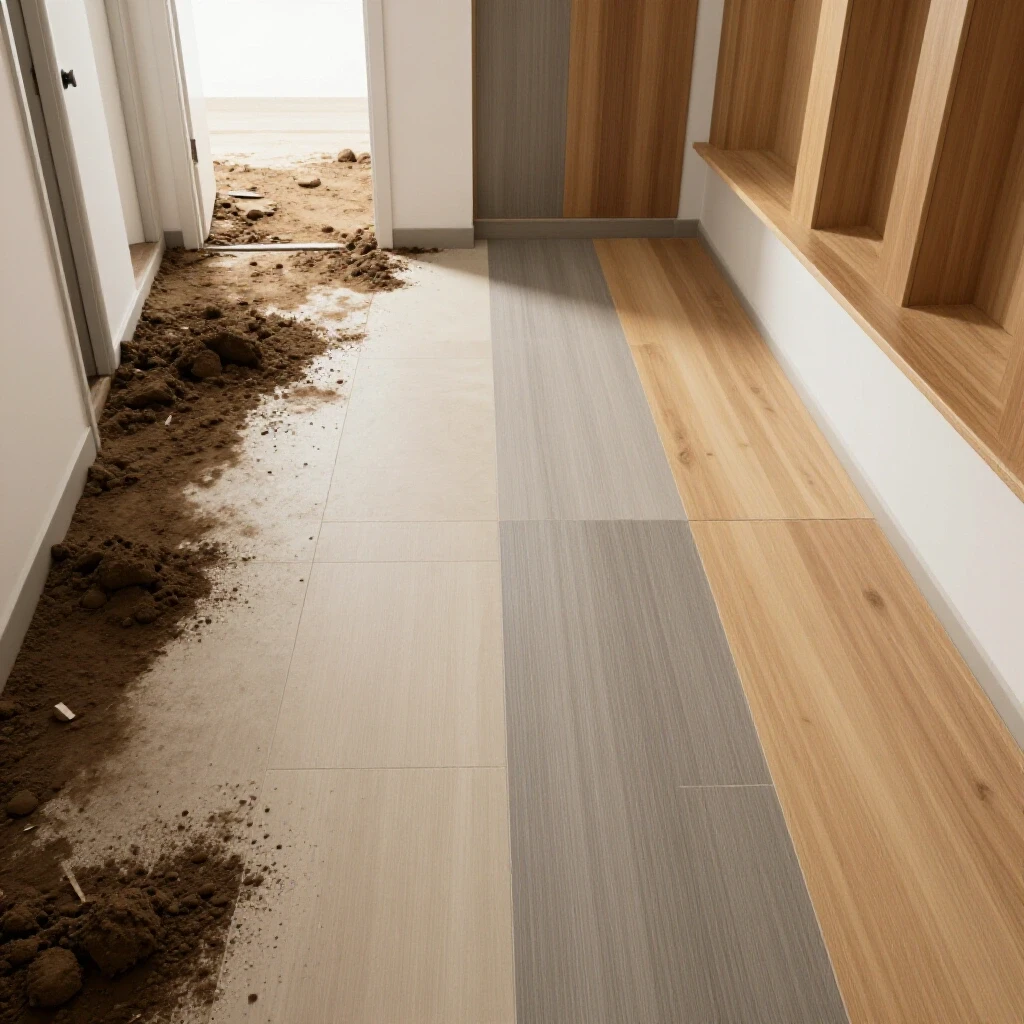
In my professional work, I use these standards to predict the “mean time between failures” for mechanical systems and the “wear life” of surfaces. When I renovated my third property, I didn’t just look at the color of the flooring; I looked at the wear-layer thickness and the Janka hardness rating. These numbers tell a story that a sales brochure won’t. They reveal whether a product is built for a quiet museum or a home with two dogs and a busy kitchen.
- ASTM C97: Measures the absorption and bulk specific gravity of natural building stone.
- ASTM F1700: The standard specification for solid vinyl floor tile, defining wear-layer requirements.
- NAHB Expected Life Expectancy: A guide for how long major household components should last under normal conditions.
Why Higher Upfront Costs Don’t Always Guarantee Durability
The relationship between price and performance is not linear; often, you are paying for aesthetic trends rather than structural integrity. A trade-off analysis is necessary to determine if a higher price translates into a longer lifespan or simply a more prestigious brand name. In many cases, mid-tier products offer the best balance of durability vs maintenance cost.
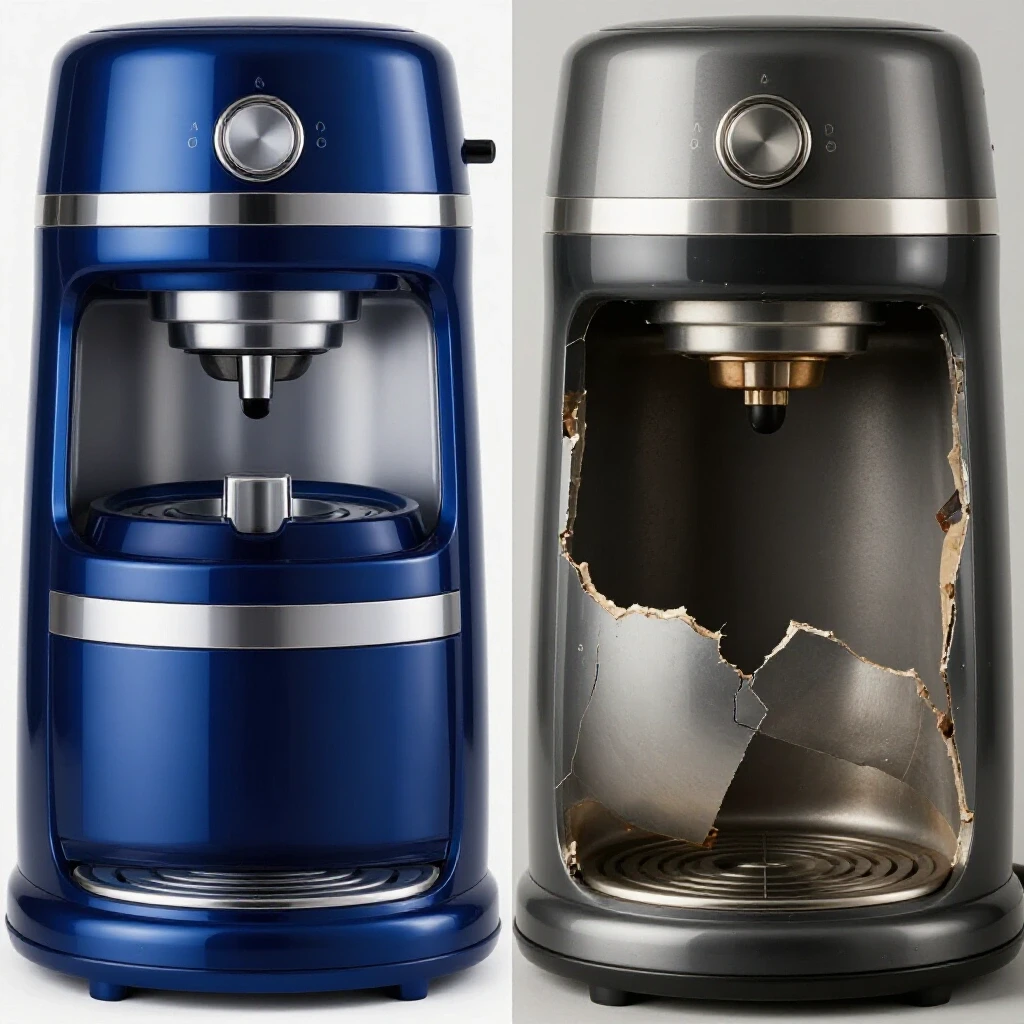
During a kitchen remodel four years ago, I faced a choice between a high-end designer range and a professional-grade model with fewer digital features. The designer model cost 40% more, but its technical material specifications showed it used thinner gauge steel and more plastic connectors in the door hinges. I chose the simpler, sturdier model. Interestingly, the “smarter” model I rejected has since been flagged in consumer logs for frequent control board failures caused by heat exposure—a common oversight in high-end home materials.
Upfront Cost vs. 15-Year Maintenance Outlay
| Material/Appliance Type | Initial Cost (Relative) | Maintenance Frequency | 15-Year Total Cost |
|---|---|---|---|
| Quartz Countertops | High | Very Low | Moderate |
| Granite (High Porosity) | Moderate | Annual Sealing | High |
| Luxury Vinyl Plank (20 mil) | Low | Minimal | Low |
| Solid Hardwood | High | Every 5-7 Years | Very High |
| High-Tech Fridge | Very High | Frequent | Extreme |
| Standard Efficiency Fridge | Moderate | Rare | Moderate |
The Material Science of Home Surfaces: Hardness and Porosity
Material science is the study of how the physical structure of a substance—like its density or chemical bonds—affects its performance. In a home setting, we focus on Mohs hardness (scratch resistance) and porosity (stain resistance). These metrics are the foundation of any appliance buying guide or material evaluation because they dictate your daily cleaning routine.
I once installed a beautiful marble vanity in a guest bathroom, ignoring the high porosity rate of the stone. Within two years, a forgotten bottle of pH-imbalanced soap left a permanent etch mark. If I had consulted the technical specs, I would have seen that marble has a Mohs hardness of only 3, compared to quartz which sits at a 7. This experience taught me that “natural” doesn’t mean “tough.”
- Mohs Hardness Scale: A 1-10 scale where higher numbers indicate better scratch resistance (e.g., Diamond is 10, Talc is 1).
- Porosity Rate: The percentage of a material’s volume that is open space, determining how easily it absorbs liquids.
- Wear Layer (Mils): Measured in thousandths of an inch, this determines the longevity of the pattern on synthetic flooring.
- Thermal Shock Resistance: The ability of a material (like a cooktop) to withstand rapid temperature changes without cracking.
Maintenance Cycles and Lifetime Cost Calculations
Life-cycle costing is a method of calculating the total expense of an item from the day you buy it until the day you scrap it. This includes the purchase price, energy usage, cleaning supplies, and the inevitable repairs that occur after the initial coverage expires. A product that is $500 cheaper today might cost you $2,000 more over a decade in specialized labor and parts.
When I evaluate appliances, I look at the availability of the supply chain for replacement parts. If a machine requires a proprietary sensor that is only manufactured in one factory globally, your maintenance costs will spike during a shortage. I prefer materials and machines that follow universal sizing and connection standards. This makes it easier to find local technicians who can perform routine service without charging a “specialist” premium.
- Calculate the Acquisition Cost: Include shipping, taxes, and basic installation.
- Estimate Annual Maintenance: Factor in filters, specialized cleaners, or professional sealing.
- Project Repair Costs: Research the average cost of common failures (like a dishwasher pump) and multiply by the expected frequency.
- Factor in Energy/Water Usage: Use the EnergyGuide label to estimate annual utility impacts.
- Determine Residual Value: Will this material add to the home’s resale value, or will it be an eyesore in ten years?
Navigating Manufacturer Coverage and Service Limitations
The gap between a consumer’s expectations and the actual terms of a service agreement is where most purchasing frustrations begin. Many homeowners assume a “ten-year warranty” covers everything, but usually, it only applies to a single, unlikely-to-fail component like a compressor or a stainless steel tub. The parts that actually break, such as sensors, gaskets, and control boards, are often only covered for 12 months.
In my first home, I bought a high-capacity washing machine that promised a lifetime of service. When the drain pump failed in month 14, I discovered the “limited” nature of the agreement. The labor alone cost half the price of a new machine. This lesson taught me to read the “Exclusions” section of every contract first. If the document excludes “normal wear and tear” without defining it, you are essentially buying a product with very little long-term protection.
- Full vs. Limited Coverage: A “full” agreement must meet federal standards, including the right to a refund or replacement after failed repair attempts.
- In-Home Service vs. Carry-in: For large appliances, ensure the agreement covers the cost of a technician coming to your house.
- Cosmetic Exclusions: Most stone and flooring agreements do not cover scratches, chips, or fading caused by sunlight.
- Transferability: If you sell your home, can the new owner benefit from the remaining coverage? This adds significant resale value.
Installation Demands and Structural Requirements
The technical performance of a material is only as good as its installation. High-end home materials often have strict tolerances for “levelness” and “flatness.” For example, large-format porcelain tile requires a floor that doesn’t deflect more than 1/360th of the span, or the tiles will likely crack underfoot.
I have seen many homeowners spend thousands on premium hardwood only to have it buckle because they didn’t allow the wood to acclimate to the home’s humidity for the required 72 hours. Similarly, high-BTU gas ranges often require a larger gas line and a more powerful ventilation hood than standard models. If you don’t account for these infrastructure upgrades, the appliance won’t perform as advertised, and you may even void your service contract.
- Subfloor Deflection: The amount a floor bends under weight; critical for stone and tile longevity.
- Electrical Load: High-performance ovens may require a 40-amp or 50-amp circuit, which might necessitate a panel upgrade.
- Plumbing Pressure: Certain high-end shower systems require specific PSI levels and drain diameters to function.
- Environmental Acclimation: The process of letting materials reach the temperature and moisture levels of the room before installation.
Practical Material Comparison: Quartz vs. Granite
One of the most frequent trade-off analyses I perform is between engineered quartz and natural granite. Both are high-end home materials, but their technical specs lead to very different lifestyles. Quartz is a composite of roughly 90-94% crushed stone and 6-10% resin. This makes it non-porous, meaning it never needs to be sealed.
Granite, being a natural stone, has varying levels of porosity. While it is more heat-resistant than quartz (the resin in quartz can melt at around 300°F), granite requires periodic sealing to prevent bacteria growth and staining. In my current kitchen, I chose quartz because my lifestyle doesn’t allow for an annual sealing schedule. I traded the ability to put a hot pan directly on the counter for the convenience of zero liquid absorption.
Side-by-Side Material Performance Specifications
| Feature | Engineered Quartz | Natural Granite |
|---|---|---|
| Mohs Hardness | 7 | 6 – 7 |
| Porosity Rate | <0.05% (Non-porous) | 0.01% – 0.40% (Porous) |
| Heat Resistance | Moderate (Up to 300°F) | High (Up to 1200°F) |
| Stain Resistance | Excellent | Variable (Requires Sealer) |
| Maintenance | Soap and Water | Specialized Cleaners + Sealer |
Lessons from My Procurement Logs: The Real-World Test
Over the last decade, I have kept a detailed log of every major purchase for my properties. One entry from 2018 stands out. I had to choose between Luxury Vinyl Plank (LVP) and engineered hardwood for a basement renovation. The LVP was significantly cheaper, but I was worried about the “plastic” feel. However, the technical specs for the LVP showed a 20-mil wear layer and a 100% waterproof core.
Two years later, a pipe burst. The LVP was unclicked, dried, and reinstalled with zero damage. Had I chosen the engineered hardwood, the moisture would have caused the plywood layers to delaminate, requiring a total replacement. This is a prime example of how matching a material to the environmental risks of a room is more important than the upfront price.
- Test Samples Aggressively: I use a “scratch and stain” kit on every sample. I leave red wine, mustard, and coffee on the surface for 24 hours.
- Check the “Mils”: For any synthetic flooring, never go below a 12-mil wear layer for residential use; 20-mil is preferred for high-traffic areas.
- Verify the Origin: Sourcing impacts quality. I’ve found that materials sourced from regions with strict environmental and manufacturing oversight tend to have fewer “out-of-box” defects.
- Read the Installation Manual Before Buying: This tells you the hidden costs, like specialized underlayments or specific adhesive types.
Final Recommendations for a Confident Purchase
Making a confident decision requires moving past the “look” of a product and into its data. When you are standing in a store, ask for the technical spec sheet. If the salesperson cannot provide it, that is a red flag. A reputable manufacturer is proud of their ASTM ratings and will make them easily accessible.
Remember that your home is a system. An appliance or material that works in a showroom might not work in your specific environment. Consider your local water hardness, your home’s humidity levels, and your own willingness to perform maintenance. By focusing on the trade-off analysis of cost, durability, and maintenance, you can avoid the common pitfalls that lead to buyer’s remorse.
- Prioritize Mechanical Simplicity: Fewer moving parts and fewer “smart” features usually lead to a longer lifespan.
- Invest in the “Bones”: Spend more on things that are hard to replace (like flooring and countertops) and less on things that are easily swapped (like light fixtures or faucets).
- Keep a Maintenance Log: Documenting when you seal your stone or clean your fridge coils can help you spot patterns before a major failure occurs.
- Validate the Service Network: Before buying a major appliance, call a local independent repair shop and ask if they can get parts for that specific brand.
Frequently Asked Questions
Does a longer coverage period mean the product is better built?
Not necessarily. A long agreement often only covers the least likely parts to fail. It is a marketing tool used to provide a sense of security. You should look at the “exclusions” and the “labor” coverage to determine the true value of the protection.
What is the most durable flooring for a home with pets?
Based on technical material specifications, Luxury Vinyl Plank (LVP) with a 20-mil wear layer or porcelain tile are the top choices. LVP offers scratch resistance and is waterproof, while porcelain tile has a very high Mohs hardness and near-zero absorption.
Is quartz really maintenance-free?
While quartz is non-porous and doesn’t need sealing, it is not “indestructible.” It can be chipped by heavy impacts and can be damaged by extreme heat or harsh chemicals like bleach and oven cleaner. It is “low maintenance,” not “no maintenance.”
Why do high-end appliances seem to break more often than basic ones?
Complexity is the enemy of durability. High-end machines often include delicate sensors, touchscreens, and complex computer boards that are sensitive to heat and power surges. Basic models use mechanical switches and simpler motors that have been refined over decades.
How can I tell if a stone countertop needs to be resealed?
The “water drop test” is the most reliable method. Place a few drops of water on the surface. If the water beads up, the sealer is intact. If the stone darkens and absorbs the water within a few minutes, it is time to apply a new coat of sealer.
What does “Janka Hardness” actually measure?
The Janka test measures the force required to embed a 0.444-inch steel ball halfway into a piece of wood. It is the industry standard for determining how well a wood species will resist dents and wear. For example, Ipe is much harder than Pine.
Are “smart” home features worth the extra cost?
From a supply chain and durability perspective, smart features often shorten the lifespan of an appliance. Software can become obsolete, and the electronics are often the first part to fail. Only pay for smart features if they provide a specific functional benefit you will use daily.
Is it better to buy an extended service plan?
If the appliance is technically complex or has a history of expensive part failures, a plan can be a good hedge. However, for simple machines or durable materials, the cost of the plan often exceeds the statistical likelihood of a repair. Always check if your credit card provides an extra year of coverage for free.
How does “wear layer” affect the life of my floor?
The wear layer is the clear top coating that protects the photographic image of the floor. Once the wear layer is gone, the floor will quickly show permanent damage. A 6-mil layer might last 5 years, while a 20-mil layer can last 20 years or more in a residential setting.
What is the difference between porcelain and ceramic tile?
Porcelain is a denser, less porous version of ceramic. According to industry standards, porcelain must have a water absorption rate of 0.5% or less. This makes it more durable and frost-resistant, making it suitable for both indoor and outdoor use.
(This article was written by one of our staff writers, Andrew Morrison. Visit our Meet the Team page to learn more about the author and their expertise.)