Best Planter Materials for Freeze Resistance (Expert Guide)

Water expands by roughly 9% when it turns from a liquid into a solid. This simple physical change exerts enough pressure to shatter engine blocks, and it is the primary reason many high-end outdoor containers fail within a single winter season. As a supply chain analyst, I have spent 13 years looking at how technical specifications on a datasheet translate to real-world performance. I have seen how a material that looks robust in a showroom can crumble when the temperature drops below zero.
In 2012, I managed the material procurement for a property in a region known for its harsh “freeze-thaw” cycles. These are periods where the temperature swings above and below freezing repeatedly. I chose heavy, cast-stone vessels for the exterior, assuming their weight and thickness would guarantee a long life. By the second spring, 40% of those units showed deep hairline fractures and surface peeling. This failure led me to apply the same rigorous trade-off analysis I use for flooring and appliances to the materials we use for outdoor structures.
Understanding how different materials respond to environmental stress is the only way to ensure your investment lasts more than a few seasons. If you are comparing options for your home, you need to look past the surface and evaluate the engineering behind the product.
Why Porosity and Thermal Shock Resistance Define Long-Term Value
Porosity refers to the volume of open spaces within a material that can hold air or water. In the context of outdoor durability, a high porosity rate is often a precursor to structural failure in cold climates.
When we talk about material science for outdoor vessels, we look at how water moves through a substrate. Porous materials act like sponges, pulling moisture into their internal structure. When that moisture freezes, the 9% expansion creates internal tension. If the material does not have enough tensile strength to resist this pressure, it cracks. This process is often measured by ASTM C67, which tests the absorption and weather resistance of masonry units.
The Science of Water Absorption Rates in Porous Media
Water absorption is the measure of how much liquid a material can soak up relative to its dry weight. This metric is vital because it determines the potential for internal ice formation.
Materials with an absorption rate of less than 0.5% are generally considered “impervious” and are much more likely to survive repeated freezing. Materials with rates above 3% are at high risk. When I evaluate a home material comparison, I look for these specific percentages in the technical data sheets. Understanding this “what” and “why” helps you see that a higher upfront price for a low-porosity material is actually an insurance policy against replacement costs.
- Impervious: Less than 0.5% absorption (High freeze resistance)
- Vitreous: 0.5% to 3% absorption (Moderate resistance)
- Semi-vitreous: 3% to 7% absorption (Low resistance)
- Non-vitreous: More than 7% absorption (Not freeze-stable)
Evaluating Traditional Ceramics: From Terracotta to Glazed Stoneware
Ceramic materials are made from clay that is fired at high temperatures, but their performance in the cold varies wildly based on their density. The firing temperature determines the final porosity of the clay body.
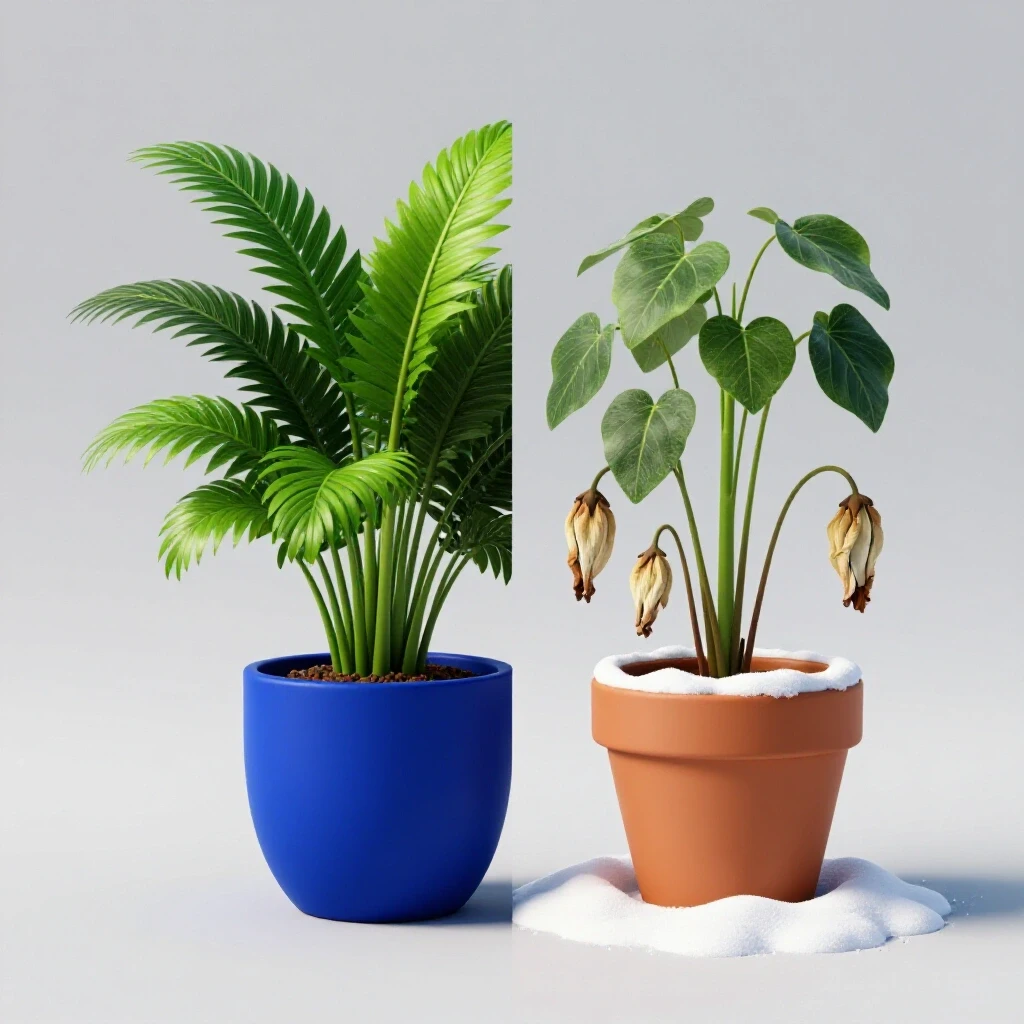
In my own testing over the years, I have found that traditional terracotta is the most vulnerable to winter damage. Because it is fired at lower temperatures, it remains highly porous. Water seeps into the walls, freezes, and causes the material to flake off in layers. This is known as “spalling.” Interestingly, even expensive glazed ceramics can fail if the glaze is only applied to the exterior. If water enters the unglazed bottom, it gets trapped behind the glaze. When it freezes, it “pops” the glaze off the surface.
The Risk of Glaze Delamination and Spalling
Delamination occurs when the outer protective layer of a material separates from the core. This is a common failure point for mid-range glazed vessels.
When I analyze the durability vs maintenance cost of ceramics, I look for “high-fired” or “stoneware” designations. These are fired at temperatures exceeding 2,200 degrees Fahrenheit, which vitrifies the clay. Vitrification turns the clay into a glass-like state, making it nearly waterproof. While these units cost more, their 15-year maintenance outlay is lower because they do not require indoor storage during winter.
Concrete and Stone: Compressive Strength vs. Freeze-Thaw Cycles
Concrete is often seen as the gold standard for durability, but its performance depends on its mix design and reinforcement. It has high compressive strength but very low tensile strength.
Standard concrete is naturally porous. Without proper sealing or air-entrainment—a process where microscopic air bubbles are added to the mix—concrete will develop micro-cracks. In my professional experience, I have seen cast-stone containers that looked like solid rock fall apart because they lacked these technical features. ASTM C666 is the industry standard for testing concrete’s resistance to rapid freezing and thawing, and it is a specification worth asking for when buying high-end stone materials.
Understanding Air-Entrained Concrete Performance
Air-entrainment provides “relief valves” for expanding ice within the concrete. These tiny bubbles give the water a place to expand without putting pressure on the concrete structure.
If you are looking at concrete materials, you must determine if they are “Gore-Tex” for your garden or just heavy sponges. High-performance concrete (HPC) or glass-fiber reinforced concrete (GFRC) offers much better durability. GFRC uses glass fibers to increase tensile strength, which helps the material resist the internal pressure of freezing water. This technical material specification is a key indicator of long-term value.
Synthetic Performance: How Resin and Fiberglass Handle Thermal Expansion
Synthetic materials like high-density polyethylene (HDPE) and fiberglass do not absorb water, which eliminates the risk of internal ice pressure. However, they face a different challenge: thermal expansion.
Thermal expansion is the tendency of a material to change its shape or volume in response to a change in temperature. Plastics expand and contract much more than stone or ceramic. In my 13 years of trade-off analysis, I have found that high-quality resins are often the most practical choice for homeowners who want zero maintenance. They are flexible enough to “give” when the contents freeze, preventing the walls from bursting.
Comparing Tensile Strength and UV Stability
Tensile strength is the ability of a material to withstand being pulled apart. In winter, this is what keeps a container from splitting when ice pushes against the walls.
Fiberglass is a composite material that offers an incredible strength-to-weight ratio. It uses a polymer resin reinforced with glass fibers, making it very stiff and resistant to deformation. However, you must check for UV-stabilization. Without it, the sun will break down the resin over time, making it brittle. A brittle container will crack in the cold not because of water absorption, but because it can no longer handle the physical stress of thermal movement.
Comparing Metal and Wood Stability in Extreme Cold
Metal and wood represent two opposite ends of the material science spectrum. One is highly conductive and rigid, while the other is organic and flexible.
Metal containers, such as those made from powder-coated steel or aluminum, are impervious to water. Their main failure point in winter is not cracking, but oxidation and joint failure. If water gets into the seams and freezes, it can prying the metal plates apart. Wood, on the other hand, is naturally porous. It expands and contracts with moisture levels. My procurement logs show that hardwoods like Ipe or Teak perform best because their high natural oil content acts as a built-in water repellent.
Technical Specifications for Metal and Wood
- Aluminum: Naturally rust-resistant; high thermal conductivity; low expansion risk.
- Corten Steel: Develops a protective rust layer; very high tensile strength; heavy.
- Teak/Ipe: Janka hardness ratings above 2,000 lbf; naturally oily; resists rot and splitting.
- Pressure-Treated Softwood: High absorption; prone to warping and splitting in freeze-thaw cycles.
Trade-Off Analysis: Technical Specifications and Lifecycle Costs
Choosing the right material requires weighing the upfront cost against the expected lifespan and the effort required to maintain it. A cheaper material that lasts three years is often more expensive over a decade than a premium material that lasts twenty.
In the table below, I have summarized the performance data based on industry standards and my own long-term observations. This side-by-side material performance specification helps clarify why certain materials are priced higher.
| Material Type | Absorption Rate | Freeze Resistance | 15-Year Maintenance | Durability Score |
|---|---|---|---|---|
| Terracotta | 10% – 15% | Very Low | High (Replacement) | 2/10 |
| Glazed Stoneware | 0.5% – 2% | High | Low | 8/10 |
| Standard Concrete | 5% – 8% | Moderate | Medium (Sealing) | 5/10 |
| GFRC Concrete | 1% – 3% | Very High | Low | 9/10 |
| Fiberglass | 0% | Excellent | Very Low | 9/10 |
| Powder-Coated Alum | 0% | Excellent | Low (Touch-ups) | 9/10 |
| Cedar / Softwood | High | Low | High (Staining) | 3/10 |
Sourcing and Selection Guide for Cold Environments
When you are in the process of updating your home exterior, you need a systematic way to evaluate your options. Do not rely on the “frost-proof” label alone, as this is not a regulated term. Instead, look for technical data.
- Request the Spec Sheet: Ask for the water absorption percentage. If it is over 3%, it is not a true four-season material for cold climates.
- Check for Drainage Engineering: Ensure the drainage holes are at the lowest point and are large enough (at least 1 inch) to prevent water from pooling and freezing at the base.
- Perform a “Ring Test”: For ceramics, tap the side with a knuckle. A sharp “ping” suggests a dense, high-fired material. A dull “thud” often indicates a porous, low-fired clay.
- Evaluate the Wall Thickness: For concrete and stone, a thickness of at least 1.5 inches (38mm) is generally required to withstand the pressure of expanding ice.
- Look for UV Inhibitors: If buying resin or plastic, confirm the material is UV-rated to prevent cold-weather brittleness.
Why Higher Upfront Costs Don’t Always Guarantee Durability
It is a common mistake to assume that the most expensive item is the most durable. In my years of supply chain analysis, I have found that “luxury” often refers to the finish rather than the structural integrity.
For example, a hand-painted Italian ceramic pot may cost five times more than a commercial-grade fiberglass unit. However, the fiberglass unit will likely outlast the ceramic one in a Chicago winter by a decade. The trade-off here is between aesthetic prestige and technical performance. If your goal is long-term value and low maintenance, the technical material specifications must take priority over the brand name or origin of manufacture.
- High-End Mistake: Buying based on weight. Weight does not equal strength; density and low absorption do.
- High-End Mistake: Ignoring the warranty. Most warranties for outdoor vessels exclude “freeze damage,” which tells you exactly how much the manufacturer trusts the material.
Conclusion: Making a Confident Purchasing Decision
Selecting materials for an outdoor environment requires a shift from aesthetic thinking to engineering thinking. By focusing on porosity, tensile strength, and thermal expansion, you can avoid the cycle of seasonal replacement. I always recommend prioritizing materials with an absorption rate below 2% and those that offer some degree of flex or reinforced tensile strength.
Your next step should be to look at the specific climate data for your area. If you experience more than 20 freeze-thaw cycles per year, you should strictly stick to “impervious” materials like fiberglass, metal, or high-fired stoneware. This evidence-based approach ensures your home investment remains a source of pride rather than a recurring line item in your maintenance budget.
FAQ: Technical Performance of Outdoor Materials
What is the most durable material for sub-zero temperatures?
Fiberglass and high-density resins are technically the most durable because they have 0% water absorption. They cannot suffer from internal ice expansion. For a more traditional look, high-fired stoneware or glass-fiber reinforced concrete (GFRC) are the best performers among masonry options.
Does “frost-resistant” mean the same thing as “frost-proof”?
No. These terms are often used for marketing. “Frost-resistant” usually means the material can handle a light freeze. “Frost-proof” implies it can survive a deep, sustained freeze. Always check the ASTM absorption ratings to be sure, as these are objective measurements.
Can I leave glazed ceramic outside all winter?
Only if it is “high-fired” stoneware with a vitrified body. If the clay underneath the glaze is porous, water will eventually seep in, freeze, and cause the glaze to flake off. If the bottom of the pot is unglazed, it is at higher risk.
Why did my concrete container crack if it’s so thick?
Concrete is strong in compression (holding weight) but weak in tension (stretching). When ice expands inside the pores of the concrete, it pulls the material apart. Without air-entrainment or fiber reinforcement, even thick concrete will eventually succumb to these internal forces.
How do I know if a wood container will survive the snow?
Look at the Janka hardness scale and the natural oil content. Hardwoods like Teak, Ipe, and Mahogany have high oil content that naturally repels water. Softwoods like pine or cedar are much more porous and will require annual sealing to prevent splitting.
Is metal a good choice for cold climates?
Yes, metals like aluminum and galvanized steel are excellent for cold because they don’t absorb water. However, you must ensure the joints are welded rather than just glued or bolted, as ice can expand in the gaps of mechanical joints and weaken the structure.
What is the “spalling” I see on my stone vessels?
Spalling is the flaking or peeling of the surface layer. It happens when water gets trapped just below the surface and freezes. It is a sign that the material is too porous for the environment or was not properly sealed.
How does UV exposure affect winter durability?
Sunlight breaks down the chemical bonds in many plastics and resins (photo-degradation). This makes the material brittle. A brittle material cannot expand when the soil inside it freezes, leading to cracks that appear during the first cold snap.
Should I seal my outdoor containers?
For porous materials like concrete, terracotta, or wood, a high-quality silane or siloxane-based sealer can significantly reduce water absorption. This lowers the risk of freeze damage, though it must be reapplied every 1-3 years.
What is ASTM C1026?
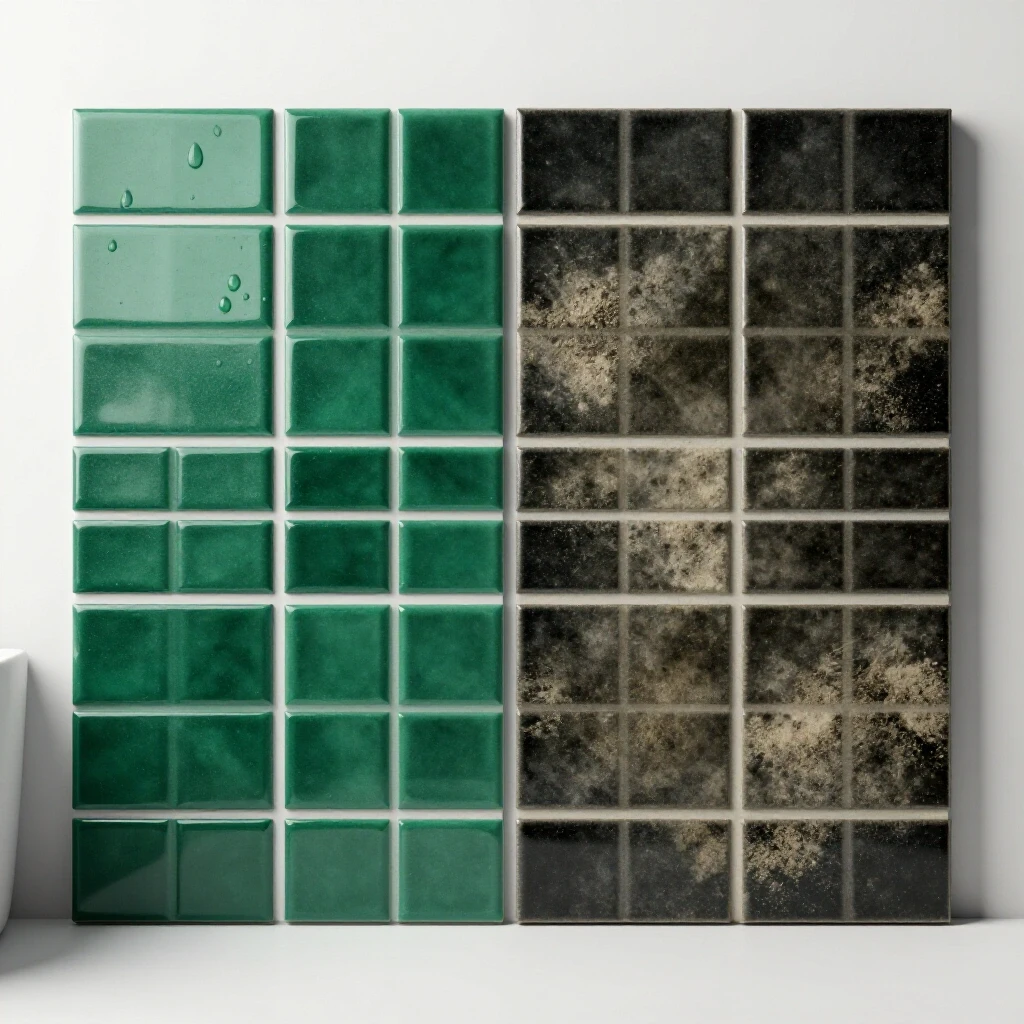
This is the standard test method for measuring the resistance of ceramic tile to freeze-thaw cycling. While originally for tiles, many high-end outdoor vessel manufacturers use this test to prove their products can survive extreme temperature swings without cracking.
(This article was written by one of our staff writers, Andrew Morrison. Visit our Meet the Team page to learn more about the author and their expertise.)