How to Declutter Your Attic for Better Storage (Expert Guide)

Focusing on the future of your home starts with addressing the spaces you cannot see. For many of us, the uppermost floor of our house becomes a silent weight that contributes to daily mental fatigue. We often think of our living rooms or kitchens as the primary sources of stress, but the overflow stored in the rafters acts as a logistical bottleneck for the entire household. By streamlining this high-level storage area, we create a ripple effect that simplifies every other room in the house.
In my 11 years working in operations and logistics, I have learned that a home is much like a warehouse. If the “long-term storage” zone is a chaotic mess, the “active” zones will eventually fail. My own family faced this when our top-floor storage became so packed that we stopped putting things away entirely, leading to piles of clutter in our hallways. We needed a sustainable system that worked for busy parents and children alike, moving away from complex bins toward a model of low-friction management.
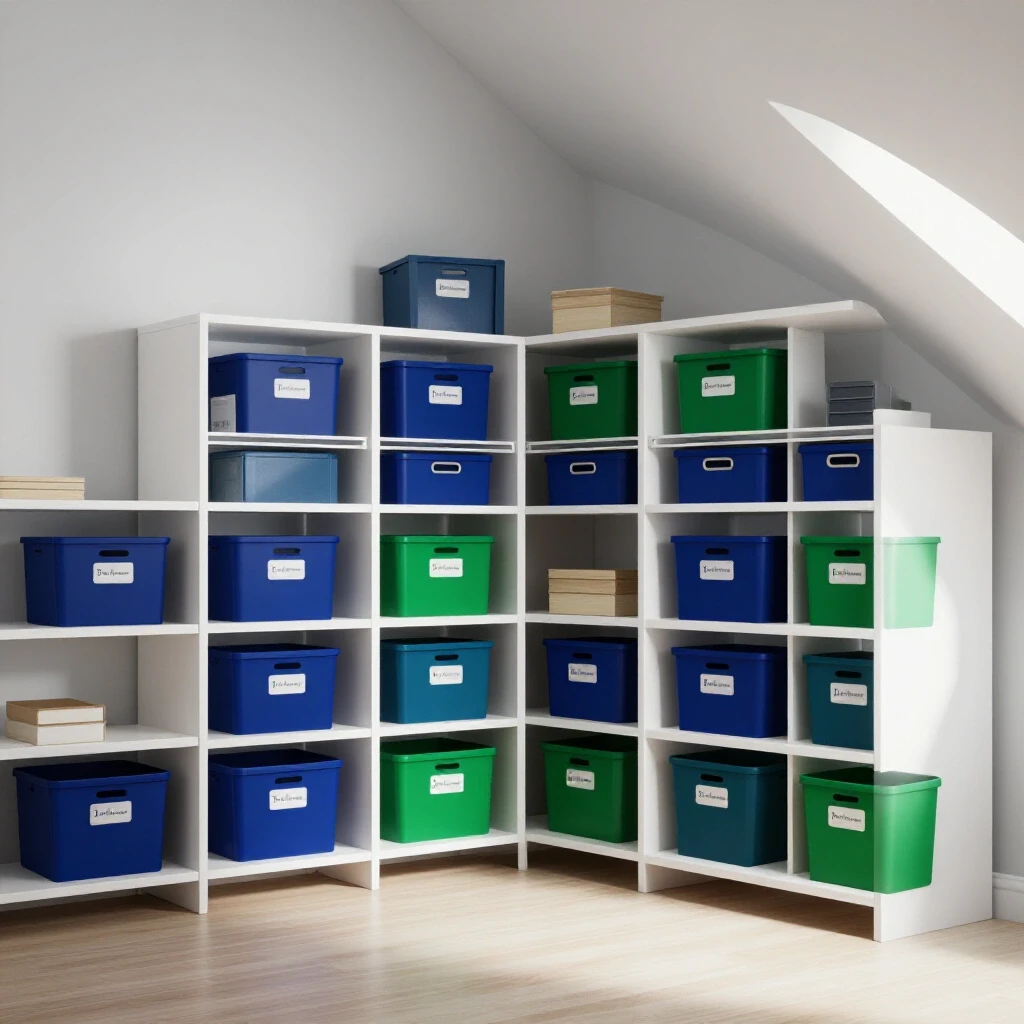
The Psychological Toll of Hidden Household Backlogs
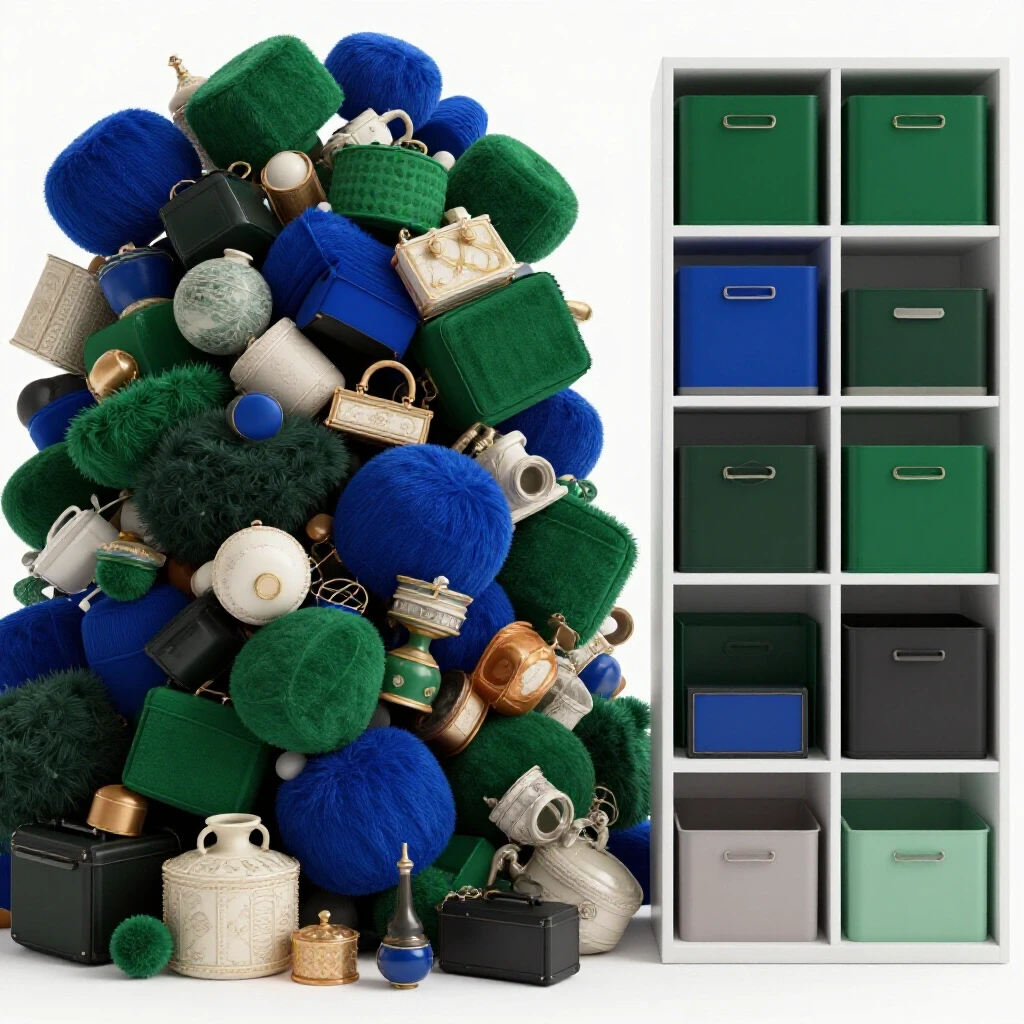
Hidden backlogs are the items we tuck away in high-level storage areas to deal with later, creating a mental “open loop” that drains our energy. Even when we cannot see the clutter behind the attic door, our brains register the unfinished task, leading to a state of chronic low-level stress.
Environmental psychology research suggests that visual complexity and physical clutter increase cortisol levels, particularly in parents. When I began clearing our upper storage level, I was surprised by how much “decision fatigue” I had been carrying. Every box of old holiday decor or outgrown clothing represented a decision I had deferred. In logistics, we call this “stagnant inventory.” In a home, it is a primary source of mental load.
To combat this, we must understand the concept of cognitive load in relation to our spaces. A clear, organized storage area allows the brain to rest because it knows exactly where everything is. The goal is not a “perfect” space, but a functional one that supports your daily life rather than detracting from it.
Why High-Friction Systems Lead to Rapid Clutter Reversion
High-friction systems are storage methods that require too many steps to maintain, such as heavy lids, complex stacking, or hard-to-reach shelves. When a system is difficult to use, family members will naturally avoid it, leading to “surface clutter” where items are left on the floor or tables.
I once bought a set of beautiful, matching bins with complicated latching mechanisms for our top floor. Within two weeks, my kids had left their seasonal gear in the hallway because opening the bins was too much work. We realized that for a system to last, it must have a low “Retrieval Friction Score.” This means minimizing the physical and mental steps needed to put something away or take it out.
| Storage Method | Physical Steps | Mental Effort | Sustainability Rating |
|---|---|---|---|
| Lidded Totes (Stacked) | 4-6 | High | Low |
| Open-Front Bins | 1 | Low | High |
| Labeled Shelving | 2 | Medium | High |
| Vacuum Bags | 5+ | High | Very Low |
Analyzing Spatial Capacity and Retrieval Friction
Spatial capacity is the total volume of items a storage area can hold without becoming inaccessible, while retrieval friction is the effort required to get an item out. Understanding these two metrics is essential for creating a home organization system that does not fall apart after a few days.
In my professional work, we measure “flow rates”—how fast items move in and out of a space. In a home, the upper storage level often has a very low flow rate. Items go in, but they rarely come out. This creates a “dead zone” that limits the overall capacity of your home. To fix this, we must intentionally design the space for easier access.
Measuring Your Current Storage Efficiency
Before moving a single box, you should perform a diagnostic audit of your upper storage level. This involves looking at how much of the floor space is usable and how many items are currently “buried” under other things. A healthy storage area should never exceed 80% capacity to allow for movement and sorting.
- Item Density: Aim for no more than 3 boxes stacked vertically.
- Aisle Width: Maintain at least 24 inches of walking space between rows.
- Visibility: 70% of your stored items should be visible from the main walkway.
By tracking these metrics, you can identify exactly why your previous attempts at organizing failed. Usually, it is because the density was too high, making it impossible to find anything without moving five other things first.
A Logical Framework for Sorting Upper-Level Contents
A sorting framework is a systematic process for evaluating items based on their utility and emotional weight. It moves the decluttering process away from “should I keep this?” to a more objective analysis of “does this serve our current life?”
During our family’s sorting project, I used a “High-Speed Sorting Matrix.” We didn’t look at every individual item at first. Instead, we sorted by broad categories. This reduced the number of decisions we had to make per hour, which is the best way to avoid the exhaustion that usually stops a decluttering project in its tracks.
The 30-Minute Sorting Interval
One of the biggest mistakes busy parents make is trying to spend an entire weekend sorting their upper storage. This leads to burnout. Instead, use 30-minute time-blocks. This “sprint” method keeps your energy high and prevents the space from becoming a disaster zone for days on end.
- Stage 1: The Macro-Sort (Minutes 1-10). Group items into large categories like “Holiday,” “Memorabilia,” or “Seasonal Gear.”
- Stage 2: The Utility Filter (Minutes 11-20). Ask if the item has been used in the last 24 months. If not, it is likely stagnant inventory.
- Stage 3: The Zone Placement (Minutes 21-30). Move the “keep” items into their designated zones and remove the “outflow” items from the room immediately.
Reducing System Friction with Low-Maintenance Storage Gear
Low-maintenance gear consists of containers and shelving that prioritize ease of use over aesthetics. For a busy family, the best storage solutions are those that require the least amount of effort to interact with on a Tuesday night after a long work day.
I found that switching from solid-colored bins to clear, heavy-duty totes was a game-changer. In logistics, “visual management” is key. If you can see what is inside a container without opening it, you save mental energy and time. We also moved away from stacking bins and toward sturdy, adjustable shelving units. This allowed us to pull out one box without disturbing the others.
Selecting the Right Containers for Family Life
When choosing gear for your top-floor storage, consider the “One-Hand Rule.” If you cannot access the contents with one hand while holding a flashlight or another box, the friction is too high.
- Clear Totes: Essential for visual identification.
- Uniform Sizes: Allows for better shelf utilization and easier stacking.
- Gasket Seals: Protects items from dust and moisture in the upper levels of the home.
- Large Labels: Use bold, black text on a white background for high contrast.
Designing Zoning Maps for the Top-Floor Storage Area
Zoning maps are physical plans that designate where specific categories of items live. By creating a map, you ensure that every family member knows where things go, which prevents the “just put it anywhere” habit that leads to clutter.
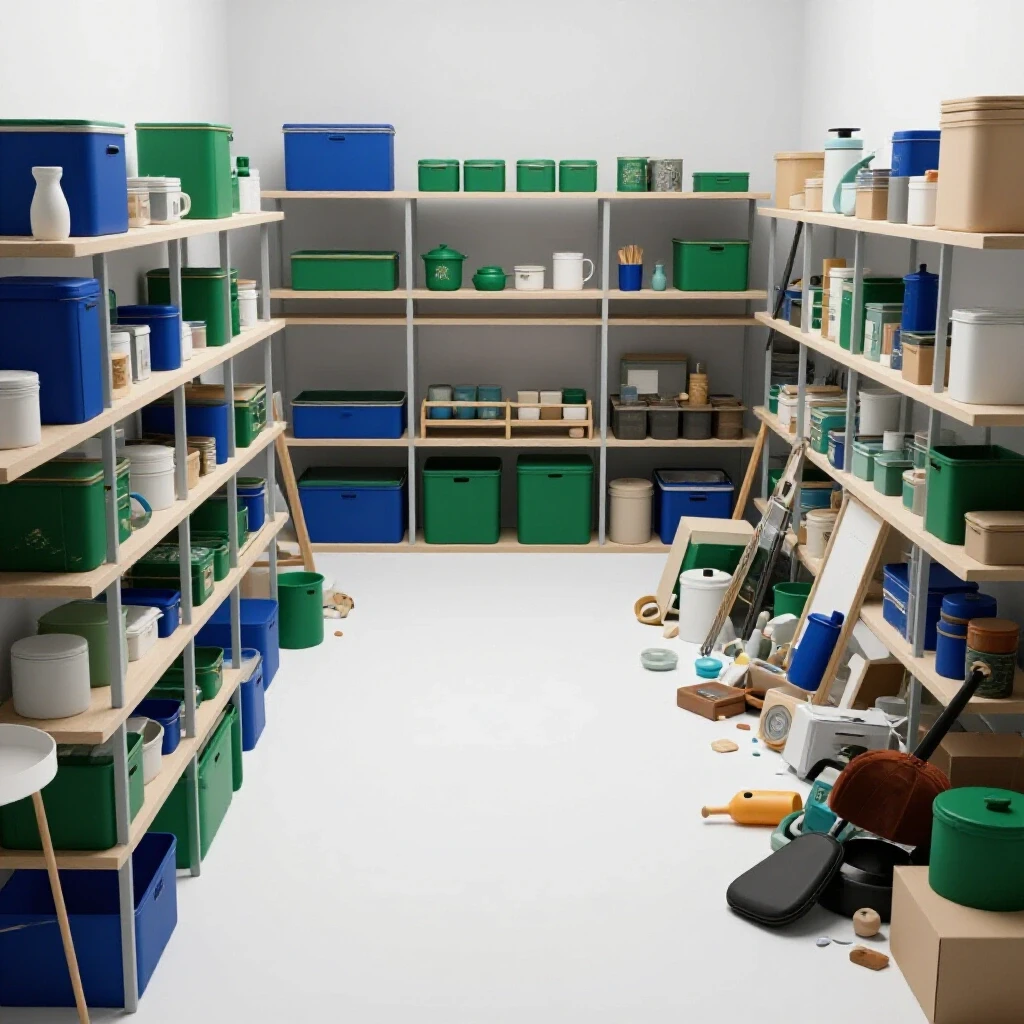
In our home, we divided the upper storage into four distinct zones based on how often we needed the items. This is a common practice in warehouse management called “ABC Analysis.” Items used most often (Zone A) are placed near the entrance, while items used least often (Zone D) are placed in the furthest corners.
Creating Your Household Zoning Plan
A simple zoning map can be drawn on a piece of paper and taped to the back of the attic door. This provides a visual reference that reduces the cognitive load of “searching” for things.
- Zone A (High Frequency): Suitcases, seasonal sports gear, and frequently used craft supplies.
- Zone B (Seasonal): Holiday decorations and winter/summer clothing rotations.
- Zone C (Long-term/Sentimental): Tax records, baby keepsakes, and family archives.
- Zone D (Deep Storage): Items kept for very specific, rare occasions.
| Zone | Frequency of Use | Placement Strategy |
|---|---|---|
| Zone A | Monthly | Eye-level, near the door |
| Zone B | Twice a Year | Mid-shelf, accessible |
| Zone C | Annually | High or low shelves |
| Zone D | Every 2-5 Years | Furthest corners |
Establishing Sustainable Maintenance Habits for the Whole Family
Maintenance habits are the small, daily or weekly actions that prevent your storage systems from degrading. The best system in the world will fail if there is no plan for “inflow control”—the process of managing new items entering the home.
One thing that surprised me during our project was how many “orphaned” items we found. These were things that didn’t have a home, so they were just tossed into the upper storage area. To prevent this, we established a “One In, One Out” rule for the attic. If a new box of holiday decor comes in, an old one must go out. This keeps our total volume stable.
The Five-Minute Monthly Audit
To keep our upper storage level functional, I perform a five-minute walk-through once a month. I am not cleaning; I am checking for “system drift.” System drift happens when items start to migrate out of their zones or when lids are left off bins.
- Check for Surface Clutter: Are there items sitting on the floor that should be in bins?
- Verify Labels: Are the labels still accurate, or have the contents changed?
- Assess Volume: Is the area reaching that 80% capacity limit?
- Reset Zones: Spend 60 seconds moving any misplaced items back to their designated zones.
Overcoming the “Sentimental Trap” in Storage
The most difficult part of clearing out the uppermost level of a home is dealing with sentimental items. We often keep things not because we need them, but because we fear losing the memory associated with them. This leads to “emotional clutter,” which is the hardest type to manage.
During my own project, I found my old college notebooks and childhood trophies. I realized they were taking up valuable “real estate” that my family needed for our current life. I decided to keep only the top 10% of these items—the ones that truly sparked a memory—and repurposed the rest. For example, I took photos of the trophies and kept one meaningful medal. This reduced the volume significantly while preserving the history.
Strategies for High-Speed Sentimental Sorting
- The “Container Limit” Method: Designate one specific bin for memorabilia. Once it is full, you must remove something to add something new.
- The Photo Shortcut: If you are keeping an item just to remember it, take a high-quality digital photo and let the physical object go.
- The “Legacy” Filter: Ask yourself, “Would my children actually want to inherit this specific box of papers?” If the answer is no, it is likely clutter.
Utilizing Modern Technology for Inventory Management
In modern logistics, we use digital tracking to know exactly where every pallet is located. You can apply a simplified version of this to your home storage. There are now “smart label” systems that allow you to scan a QR code on a bin to see a list of its contents on your phone.
This technology is a lifesaver for busy parents. Instead of climbing into the rafters to see if the “Halloween” bin contains the kids’ costumes, you can check from your living room. This reduces the “retrieval friction” to almost zero.
- Smart QR Labels: Stick these on each bin and link them to an app.
- Digital Photo Logs: Take a photo of the inside of a bin before closing it and save it to a “Home Storage” folder on your phone.
- Shared Inventory Sheets: Use a simple cloud-based spreadsheet that both parents can access to track where large items are stored.
Common Mistakes That Cause Storage Systems to Fail
Even with the best intentions, many families fall into traps that cause their organization to crumble within weeks. Recognizing these mistakes is the first step toward building a truly sustainable system.
- Buying Bins First: Never buy containers before you have sorted and purged. You will end up with bins you don’t need or that don’t fit your items.
- Oversizing Containers: Large bins become “black holes” where items at the bottom are forgotten. Use medium-sized totes that are easy for one person to carry.
- Ignoring Lighting: If your upper storage area is dark and creepy, you will avoid going there. Install bright, battery-powered LED lights to make the space feel like a functional part of the home.
- Labeling by “Vibe”: Avoid vague labels like “Misc” or “Stuff.” Be specific: “Kids’ Winter Boots” or “Extra Bed Linens.”
The Long-Term Benefits of a Streamlined Upper Level
When you finally clear the backlog in your uppermost storage area, the physical change is only part of the reward. The real benefit is the reduction in daily stress. You no longer have to worry about where things are, and you stop losing time searching for seasonal items.
This project taught me that a tidy home isn’t about being “perfect.” It is about creating a “low-friction” environment where it is easier to be organized than it is to be messy. By applying these logistical principles, you can build a system that your family can actually maintain, even during your busiest weeks.
Practical Next Steps for Your Storage Project
- Schedule your first 30-minute sprint. Don’t wait for a free weekend; just start with one corner.
- Purchase clear, uniform bins. Only do this after you know exactly what you are keeping.
- Draft a simple zoning map. Decide where “Zone A” will be located for your most-used items.
- Install better lighting. This is the fastest way to make the space feel manageable.
Frequently Asked Questions
How do I decide what to keep when everything feels important? Use the “24-Month Rule.” If an item has not been used or looked at in two years, it is likely not essential to your current life. For sentimental items, use the “Container Limit” method to keep only the most meaningful pieces.
What is the best way to label bins so the whole family understands? Use a high-contrast labeling system with large, printed text. Avoid cursive or small handwriting. Label at least two sides of the bin so the contents are visible even if the bin is turned.
How can I prevent my top-floor storage from becoming a “dumping ground” again? Establish a “Processing Station” near the entrance. Items cannot just be tossed in; they must be placed in their designated zone immediately. If a zone is full, you must remove an old item before adding a new one.
Is it worth investing in expensive shelving for an attic space? Yes. Sturdy, adjustable shelving reduces retrieval friction by preventing you from having to stack and unstack heavy bins. This is the single best way to ensure your organization system lasts.
How do I get my kids or spouse to follow the new system? Make the system as “low-friction” as possible. If it takes more than two steps to put something away, they won’t do it. Use open-front bins for their gear and keep their most-used items in Zone A.
What should I do with items that are still useful but we no longer need? Focus on creative reuse or donation. Many local charities can use outgrown clothing or old household goods. By giving these items a new life elsewhere, you remove the “guilt” of letting them go.
How often should I “re-organize” the upper storage area? If the system is designed correctly, you should never have to do a full “re-organization.” Instead, perform a five-minute monthly audit to reset the zones and check for system drift.
What is the “80% Rule” in home storage? In logistics, a warehouse is considered “full” at 80% capacity. This is because you need the remaining 20% of the space to move items around, sort new arrivals, and maintain clear walkways. Never pack your storage area to the ceiling.
How do I handle large, bulky items like holiday trees or sports equipment? Create a specific “Oversized Zone” on the floor or on heavy-duty lower shelves. Use straps or hooks to keep these items secure and prevent them from leaning into your walkways.
What if my upper storage area is difficult to access (like a pull-down ladder)? If access is difficult, the “Retrieval Friction” is naturally high. In this case, only store items that are used once a year (Zone C or D). Keep anything used more frequently in a more accessible part of the home.
Can I use cardboard boxes instead of plastic bins? Cardboard is prone to breaking down, attracting pests, and absorbing moisture. For long-term storage in the upper levels of a home, clear plastic totes with gasket seals are a much more sustainable and protective choice.
How do I manage “digital clutter” like old photos or documents found in the attic? Set up a “Digitization Station” during one of your 30-minute sprints. Scan important documents and photos into a cloud-based storage system, then shred the originals unless they are legally required or deeply sentimental.
(This article was written by one of our staff writers, Christopher Bennett. Visit our Meet the Team page to learn more about the author and their expertise.)