How to Fix Bathroom Caulk Failure and Restore Joint Seals (Guide)

When my children were younger, bath time was less of a cleaning ritual and more of a localized flood. Water would crest over the sides of the tub, soaking the floor and the edges where the tile met the porcelain. I remember watching those tiny waves and realizing that the only thing standing between that water and the structural subfloor was a thin, flexible line of sealant. If that barrier failed, the moisture would find its way into the walls, leading to the kind of hidden rot that ruins budgets.
In my 18 years as a construction project coordinator, I have seen how small maintenance oversights can spiral into expensive repairs. Whether you are currently navigating a whole-house remodel or just trying to keep your current home in top shape, understanding how to manage these small seals is vital. It is not just about aesthetics; it is about protecting your investment. This guide focuses on the systematic process of identifying, removing, and replacing compromised joint fillers to ensure your wet areas remain watertight.
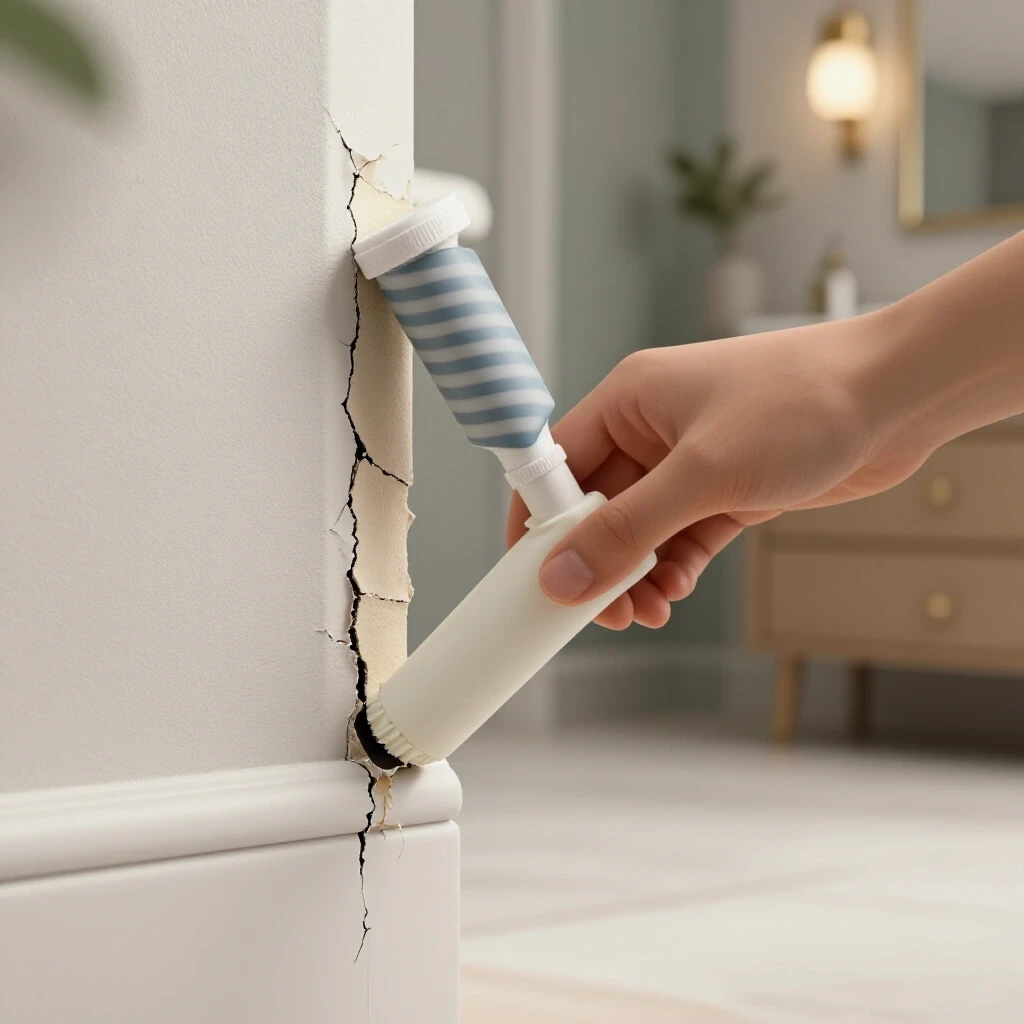
Spotting Issues with Compromised Joint Seals
Recognizing when the flexible barriers around your fixtures have reached the end of their lifespan is the first step in home maintenance. This involves looking for visible separation, discoloration, or hardening of the material that prevents it from blocking water. When these lines fail, they often pull away from the wall or the tub, leaving a gap where moisture can seep in.
During one of my own home renovations, I noticed a tiny black speck in the corner of my shower’s base. I initially thought it was just surface dirt, but upon closer inspection, the sealant had lost its elasticity and was pulling away from the tile. This is a classic sign of age. Most flexible sealants have a lifespan of five to ten years, depending on the quality of the material and the humidity levels in the room.
- Look for “alligatoring,” which is a pattern of small cracks on the surface.
- Check for peeling edges where the material no longer grips the surface.
- Watch for persistent mold that grows behind the sealant rather than on top of it.
- Press on the material to see if it is still flexible or if it has become brittle.
Identifying these issues early prevents water from reaching the wall studs or the floor joists. In the world of residential renovation planning, catching a failing seal early is the difference between a twenty-dollar fix and a three-thousand-dollar mold remediation project.
Determining the Scope of Maintenance and Repair
Assessing whether you need a simple touch-up or a full strip-and-replace of all sanitary joints is a critical planning step. This stage sets the timeline for the project and ensures you have all necessary supplies before you begin. You must decide if the failure is localized to one corner or if the entire perimeter of the fixture needs attention.
In my professional experience, “patching” an old seal rarely works. New material does not bond well to old material. If you see failure in one area, it is usually best to treat the entire line as a single unit of work. This ensures a uniform look and a consistent chemical bond across the entire joint.
| Property Age | Contingency Buffer | Common Hidden Issues |
|---|---|---|
| 0-10 Years | 5-10% | Poor initial application or settling. |
| 11-30 Years | 15% | Mildew buildup behind the sealant line. |
| 31+ Years | 20%+ | Substrate rot or large gaps between fixtures. |
As seen in the table above, older homes often require more significant preparation. If your home is over thirty years old, you should expect to find larger gaps behind the old material. These gaps might require additional backing materials to support the new seal. Planning for these surprises helps you avoid the frustration of mid-project hardware store runs.
Estimating the Cost of Restoring Watertight Barriers
Using industry standards to project the financial and time investment required for sealant maintenance is essential for any homeowner. This includes the cost of removal tools, cleaning agents, and high-quality flexible materials compared to the potential cost of water damage. While this is a small-scale task, treating it with the same rigor as a kitchen remodel budget keeps your home finances on track.
According to RSMeans construction estimating resources, the cost of materials for this type of work is relatively low, but the value is found in the labor and precision. If you were to hire a professional, you would likely pay a minimum service fee that far exceeds the cost of the materials.
- High-quality silicone sealant: $10 – $20 per tube.
- Sealant removal tool or utility knife: $5 – $15.
- Cleaning supplies (isopropyl alcohol or specialized removers): $5 – $10.
- Backer rod (for large gaps): $5.
By doing this work yourself, you are essentially saving the $150 to $300 a handyman might charge for a few hours of work. More importantly, you are ensuring the job is done with the level of detail required to prevent future leaks. I always recommend buying one more tube of sealant than you think you need; there is nothing worse than running out mid-bead.
Executing the Removal of Old Joint Fillers
The physical process of stripping away hardened or moldy materials from the gap between the fixture and the wall is the most labor-intensive part. Proper removal ensures the new material can bond directly to the substrate for a lasting seal. If even a small amount of old residue remains, the new bead will likely peel away within months.
I remember a project where a subcontractor tried to save time by simply applying new silicone over the old, failing layer. Within three weeks, the new layer began to bubble and lift. We had to strip everything back to the beginning. To avoid this, use a plastic scraper or a dedicated removal tool to lift the old material. Avoid metal scrapers on acrylic tubs, as they can leave permanent scratches.
- Slice through the top and bottom edges of the old bead using a utility knife.
- Use a pull-tool to lift the material out of the joint in long strips.
- Scrape away stubborn bits with a plastic putty knife.
- Vacuum the debris out of the gap to ensure a clear workspace.
This phase requires patience. It is not about force; it is about precision. If the old material is particularly stubborn, specialized chemical softeners can be used to break the bond, making it easier to pull away without damaging the surrounding tile or the fixture itself.
Preparing the Substrate for Optimal Adhesion
Cleaning and drying the gaps where the new sealant will be applied ensures a strong chemical bond. This step involves removing soap scum, old residue, and moisture that could cause the new bead to fail prematurely. If the surface is damp or greasy, the sealant will simply sit on top of the grime rather than sticking to the surface.
In my 18 years of oversight, I have found that preparation is 90% of the job. After the old material is gone, the area must be disinfected. If there was mold present, a mixture of bleach and water or a specialized mold killer should be applied and allowed to dry completely. Moisture trapped behind a new seal is a recipe for internal rot.
- Wipe the joint with a lint-free cloth soaked in isopropyl alcohol.
- Ensure all traces of old silicone oil are removed, as nothing sticks to silicone except more silicone.
- Use a hairdryer on a low setting to ensure the gap is bone-dry.
- Check for any loose grout or tiles that might need attention before sealing.
Once the area is clean and dry, you have a “clean slate.” This is the moment to inspect the structural integrity of the joint. If the gap is wider than a quarter-inch, you should insert a foam backer rod. This provides a firm surface for the sealant to rest against and prevents “three-point bonding,” which can cause the bead to tear as the house naturally shifts.
Applying New Flexible Sealants for Long-Term Durability
The technique of laying a consistent bead of material and smoothing it creates a concave surface that sheds water. This requires steady hands and specific movements to avoid air pockets or thin spots. A common mistake is applying too much material, which leads to a messy finish and wasted product.
When I renovated my second home, I practiced my “beading” technique on a piece of cardboard before touching the shower. The goal is to “pull” the caulk gun toward you at a steady speed while maintaining even pressure on the trigger. This creates a uniform line that fills the depth of the joint.
- Cut the nozzle of the tube at a 45-degree angle.
- Keep the hole small; you can always make it bigger, but you cannot make it smaller.
- Apply a continuous bead along the entire length of the joint.
- Smooth the bead with a gloved finger dipped in water or a dedicated smoothing tool.
The smoothing process, often called “tooling,” pushes the material into the gap and creates that clean, professional look. Do not wait too long to smooth the bead, as silicone begins to “skin over” within a few minutes. Work in sections of three to four feet at a time to ensure the material remains workable.
Quality Benchmarks and Post-Maintenance Review
A systematic check of the cured sealant ensures there are no gaps or pinholes that could allow water to bypass the barrier. This phase also includes monitoring the area during regular use to verify that the water stays where it belongs. Most high-quality materials require at least 24 hours to cure before they can be exposed to water.
In my professional coordination roles, I always implemented a “dry period” on my schedules. If a bathroom was being resealed on a Tuesday, no one was allowed to use that shower until Thursday morning. This patience pays off in the form of a seal that lasts for years rather than months.
| Task Phase | Estimated Time | Success Metric |
|---|---|---|
| Removal | 1-2 Hours | Substrate is bare and smooth to the touch. |
| Preparation | 30 Mins | Surface is dry and free of chemical residue. |
| Application | 1 Hour | Bead is consistent with no visible air bubbles. |
| Curing | 24 Hours | Material is firm and non-tacky. |
After the 24-hour mark, perform a visual inspection. Look for any areas where the material might have shrunk or pulled away as it dried. If you find a gap, clean that specific spot and apply a small amount of fresh material. Once you are satisfied, the project is complete, and your home is protected from the daily “floods” of family life.
Navigating Common Challenges and Scope Creep
Even a small project like resealing a tub can encounter hurdles. You might find that the drywall behind the old seal is soft, indicating a long-term leak. Or you might discover that the previous homeowner used an incompatible material that is nearly impossible to remove. These are the “hidden structural surprises” that can frustrate any homeowner.
If you find soft drywall, stop and assess. You may need to let the area dry out for several days before proceeding. In my experience, rushing to cover up a problem only hides it; it does not fix it. Being a successful home remodeling planner means knowing when to pause and address the underlying issue.
- If the gap is too large, use a backer rod to save on material.
- If the old residue won’t come off, use a chemical silicone remover.
- If the tile is loose, fix the grout before applying the sealant.
- If you see black mold, treat it thoroughly before sealing it in.
By following these steps, you minimize the risk of contractor disputes because you are the one in control of the quality. You also avoid the budget overruns that come from ignoring small leaks until they become major structural repairs. This proactive approach is the hallmark of an experienced homeowner.
Practical Next Steps for Your Home
Now that you understand the mechanics of maintaining these vital water barriers, you can take immediate action. Start by inspecting every wet area in your home. Check the kitchen sink, the base of the toilets, the shower corners, and the bathtub perimeter. Identify which areas show signs of degradation and prioritize them based on how often they are used.
- Gather your tools: a utility knife, plastic scraper, isopropyl alcohol, and high-quality silicone.
- Clear the area of all personal items and ensure the room is well-ventilated.
- Allocate a full weekend for the project to allow for proper cleaning and curing times.
- Document your work with photos to keep a record of your home maintenance history.
Maintaining your home’s watertight integrity is a continuous process. By taking the time to do it correctly now, you are protecting the beauty and the value of your renovation for years to come. It is a small task with a massive impact on the longevity of your living space.
Frequently Asked Questions
How can I tell if my sealant is actually failing? Check for visible cracks, peeling, or areas where the material has pulled away from the wall or tub. If you see dark spots behind the clear or white bead, it is likely mold growing in a gap, which indicates the seal is no longer watertight.
Do I really have to remove all the old material? Yes. New sealant will not bond effectively to old, cured material. If you leave old residue, the new bead will likely fail within a few months, leading to more work in the long run.
How long should I wait before using the shower again? Most professionals recommend waiting at least 24 hours. Some high-performance materials claim to be “water-ready” in 30 minutes, but for a permanent bond, a full day of curing is much safer.
What is the best way to get a smooth, professional-looking bead? Apply a consistent amount of pressure on the caulk gun and move at a steady pace. Use a gloved finger dipped in water or a specialized smoothing tool to level the bead immediately after applying it.
Can I use the same sealant for my kitchen and my bathroom? Generally, yes, as long as it is a high-quality 100% silicone sealant labeled for “kitchen and bath.” These products contain antimicrobial agents that resist mold and mildew growth.
Why is my new sealant turning yellow? Yellowing usually happens due to exposure to certain chemicals, cleaners, or a lack of light in internal bathrooms. It can also occur if the material was past its expiration date when applied.
What should I do if the gap between my tub and the wall is very wide? For gaps wider than a quarter-inch, you should use a foam backer rod. This provides support for the sealant and ensures it only bonds to the two sides of the joint, which allows for better flexibility.
Is it okay to use a hair dryer to speed up the drying process? You can use a hair dryer to dry the joint before applying the sealant to ensure no moisture is trapped. However, do not use it to speed up the curing of the sealant itself, as this can cause the material to crack.
Can I just put a new layer over the mold? No. Sealing over mold will not kill it; it will only hide it while it continues to eat away at your drywall or subfloor. Always treat mold with a disinfectant and ensure the area is clean before resealing.
What tools are safest for an acrylic or fiberglass tub? Avoid metal utility knives or scrapers directly on the tub surface. Use plastic scraping tools or a chemical sealant remover to avoid leaving permanent scratches on the finish.
(This article was written by one of our staff writers, David Langford. Visit our Meet the Team page to learn more about the author and their expertise.)