Post-Renovation Cleanup Costs Explained (Budgeting Guide)

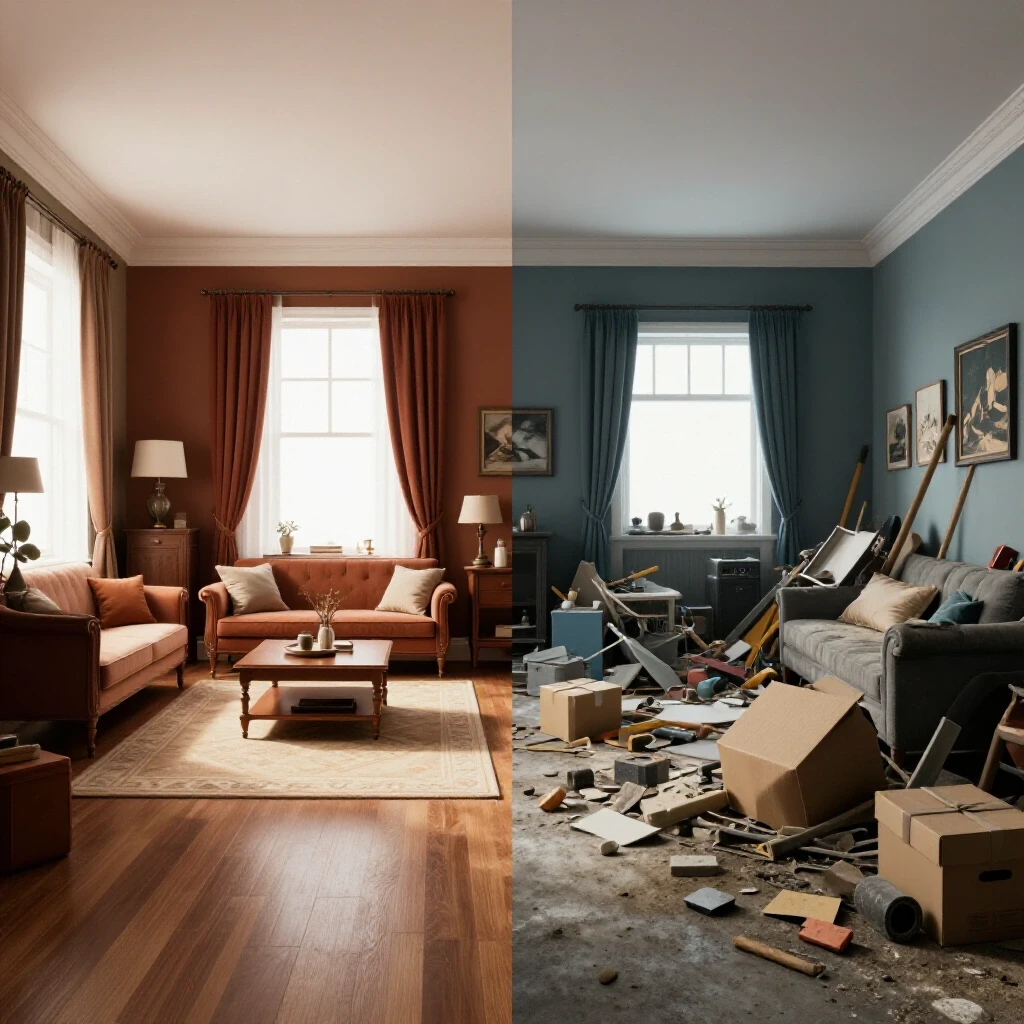
Imagine walking into your newly renovated kitchen. The quartz countertops shine under the LED lights, and the custom cabinetry looks exactly like the photos you saved on your phone. You reach for a glass to celebrate, but as you open the cabinet, a thin layer of white powder coats your hand. You look at the floor and see footprints in fine dust that seem to reappear minutes after you sweep.
This is the moment many homeowners realize their budget didn’t account for the final stage of a project. During my 18 years as a project coordinator, I have seen many people spend their last dollar on the perfect backsplash, only to find they have no funds left for professional sanitation or specialized debris removal. These overlooked expenses can easily add thousands to a residential renovation planning process if they are not tracked from the start.
The Hidden Financial Impact of Post-Construction Sanitation
Post-construction sanitation refers to the often-ignored expenses required to return a living space to a habitable state after major work. It includes specialized labor, industrial-grade equipment rentals, and high-efficiency filtration supplies that are rarely included in a general contractor’s initial base bid or standard scope of work.
When you are gathering home remodeling tips, you will hear a lot about the cost of tile or plumbing. You rarely hear about the cost of removing the microscopic residue left behind by those trades. In my own 1920s bungalow renovation, I estimated the “cleaning” would take me a weekend. I was wrong. The fine plaster dust had settled into the pores of the wood floors and inside the window tracks. I ended up spending nearly $1,500 on specialized HEPA vacuums and professional-grade micro-fiber supplies that I had completely forgotten to put in my spreadsheet.
Why Standard Estimates Often Miss Fine Particulate Removal
Fine particulate removal involves capturing microscopic debris like drywall dust or sawdust that settles in HVAC ducts and behind cabinetry. Standard estimates usually cover “broom cleaning,” which only addresses large debris, leaving homeowners to fund the deep cleaning necessary for health and comfort.
Most contractors use a “broom clean” standard. This means they will pick up the wood scraps, sweep the floor, and take away the empty boxes. However, the air in your home is still filled with dust. If you don’t account for air scrubbers or duct cleaning in your kitchen remodel budget, you might be breathing in construction debris for months. I recommend adding a specific line item for “Final Interior Restoration” that accounts for 3% to 5% of your total project cost.
Estimating Protective Measures and Surface Preservation
Surface preservation involves the proactive use of materials to shield existing finishes from damage during the construction process. This includes heavy-duty floor protection, adhesive window films, and zip-wall systems designed to contain dust within the active work zone and prevent cross-contamination to other rooms.
During a whole-house remodel, the movement of tools and workers can destroy a finished floor in days. I once managed a project where the homeowner forgot to budget for floor protection. They assumed the contractor would bring it. The contractor assumed the homeowner didn’t want to pay for it. After a week of heavy foot traffic, the existing hardwood floors needed a full refinish, costing an extra $4,000.
Why Temporary Barriers Are Not Optional
Temporary barriers are physical partitions made of plastic sheeting or tension poles used to isolate the construction zone from the rest of the house. They are essential for protecting your HVAC system and furniture from fine dust, which can travel through the smallest gaps in a doorway.
Many people think a few sheets of plastic and some masking tape will do the job. In reality, a professional-grade dust containment system is a significant expense. You need heavy-duty poly-sheeting and specialized zippers for access. Based on data from residential building standards, failing to seal off a room can increase your final restoration costs by 20% because the dust will settle in every carpet and curtain in the house.
| Protection Type | Purpose | Estimated Cost (Per Room) |
|---|---|---|
| Ram Board | Heavy-duty floor protection | $100 – $200 |
| Zip-Wall Systems | Dust containment barriers | $150 – $300 |
| HEPA Air Scrubber | Removing airborne particles | $200 – $400 (Rental) |
| Vent Covers | Protecting HVAC ducts | $20 – $50 |
Managing Interior Waste and Debris Logistics
Interior waste logistics involves the systematic removal of construction leftovers, including material offcuts, packaging, and hazardous dust. This process requires planning for disposal fees and the labor needed to transport heavy or bulky items from the interior of the home to a collection point.
We often remember the big dumpster in the driveway, but we forget the smaller costs. Think about the boxes your appliances come in, the plastic wrap on your cabinets, and the scraps of carpet padding. These items take up a massive amount of volume. If your dumpster is already full of old drywall, where do these things go? I have seen homeowners get hit with “overfill” fees from dumpster companies that can range from $75 to $150 per occurrence.
Handling Fine Residue and Material Disposal
Fine residue disposal refers to the specialized cleaning of surfaces to remove chemical films or adhesive leftovers from new materials. This often requires specific solvents and high-frequency cleaning cycles to ensure that the new finishes are not permanently clouded or damaged by construction byproducts.
In a bathroom remodel, the grout haze on new tile is a classic example of a forgotten expense. If it isn’t cleaned with the right acidic solution at the right time, it can harden. Removing it later requires more labor and more expensive chemicals. When I look at RSMeans construction estimating resources, the labor for “final wipe-down” is often listed separately from the installation. If you don’t see it in your bid, you are the one who will be paying for it later.
Contractor Management and Site Cleanliness Standards
Contractor management in this context involves setting clear expectations for how a job site is maintained daily. This includes defining who is responsible for trash removal, dust control, and the final deep clean, ensuring these tasks are documented in the legal agreement to avoid disputes.
One of the biggest pain points for homeowners is the “messy contractor.” To avoid this, your contractor management guide should include a “Site Hygiene” clause. I always tell my clients to ask for a “daily sweep” in the contract. This prevents the buildup of dust that eventually migrates into your vents. If a contractor refuses to agree to daily cleaning, it is a red flag that they may not value the final quality of your home’s interior environment.
Setting Benchmarks for Daily Site Hygiene
Daily site hygiene benchmarks are specific, measurable goals for cleanliness that a contractor must meet at the end of every workday. This might include vacuuming with a HEPA filter, removing all food waste to prevent pests, and ensuring all walkways are clear of tripping hazards.
I recommend using a simple checklist for your site management. This keeps everyone on the same page. In my professional experience, projects with a clean site have 15% fewer accidents and higher morale among the crew. It also makes the final restoration much cheaper because you aren’t dealing with weeks of ground-in dirt.
- Daily Goal: All large debris removed and floors swept.
- Weekly Goal: All trash hauled away and protective coverings inspected for tears.
- Phase Goal: HEPA vacuuming of all surfaces before moving from “rough-in” to “finish” work.
Why Hidden Structural Surprises Impact Final Restoration
Hidden structural surprises are unforeseen issues like mold, rot, or outdated wiring found behind walls during demolition. These discoveries not only blow the budget for repairs but also create massive amounts of hazardous dust and debris that require specialized, expensive removal processes.
When you find mold behind a bathroom wall, you aren’t just paying for a new stud. You are paying for a mold remediation team. They will set up “negative air pressure” zones to keep spores from spreading. This is a perfect example of a cost that people forget until they are in the middle of it. This is why a 15% to 25% contingency fund is non-negotiable for older homes.
Formulating a Real Contingency Plan for Debris
A debris contingency plan is a portion of your budget specifically set aside for the removal of unexpected materials. This covers things like lead-based paint chips, asbestos-containing floor tiles, or simply a larger volume of trash than originally anticipated.
In my second full-home renovation, we found three layers of old flooring under the kitchen linoleum. That was three times the weight and volume I had budgeted for disposal. Because I had a solid contingency plan, I didn’t have to sacrifice the light fixtures I wanted to pay for the extra dumpster.
| Property Age | Recommended Contingency | Reason for Higher Buffer |
|---|---|---|
| New Construction (<10 years) | 10% – 12% | Mostly minor design changes or material delays. |
| Mid-Age (10-40 years) | 15% – 18% | Possible outdated wiring or minor plumbing leaks. |
| Historic (>40 years) | 20% – 25% | High risk of mold, lead, asbestos, and structural rot. |
The Critical Path: When to Schedule the Final Clean
Critical path scheduling is a project management technique that identifies the sequence of essential tasks that must be completed on time for the project to finish. In remodeling, the final sanitation must be the very last item on the path to ensure dust does not settle on clean surfaces.
Timing is everything. If you bring in a cleaning crew while the painters are still doing touch-ups, you are wasting money. The painters will create more dust, and you will have to pay for the cleaning twice. I always build in a “float time” of two days between the final contractor walkthrough and the day the furniture arrives. This allows the air to settle and gives the cleaning team a clear, empty space to work.
Managing the Transition from Construction to Occupancy
The transition phase is the period between the “punch-list” completion and the moment you move back into the space. This is the time to perform post-occupancy evaluations, ensuring that all systems are working and that the air quality is safe for your family.
During this phase, I recommend running your HVAC system with high-quality filters and changing them every 48 hours for the first week. You will be shocked at how much dust those filters catch, even after a professional has cleaned the house. This is a small, inexpensive step that protects your lungs and your expensive heating and cooling equipment.
- Change HVAC filters: Immediately after the final sweep.
- Wipe down walls: Use a damp microfiber cloth to catch static dust.
- Vacuum inside cabinets: Use a brush attachment to reach the corners.
- Clean window tracks: This is where most construction dust hides.
Project Management Tools for Tracking Overlooked Costs
Modern project management tools help homeowners track every penny spent on supplies and labor that fall outside the main contract. Using digital blueprints and scheduling apps allows you to see where delays are happening and how they might increase your site maintenance costs.
I suggest using a simple spreadsheet or a dedicated home renovation app to track “incidentals.” This includes the rolls of tape, the boxes of heavy-duty trash bags, and the specialized cleaners you buy at the hardware store. These small purchases can easily add up to $500 over a three-month project.
- Trello or Asana: Great for creating checklists for site hygiene.
- Google Sheets: Best for real-time budget tracking and contingency monitoring.
- MagicPlan: Useful for measuring spaces to calculate how much floor protection you need.
- Construction Cost Calculators: Use these to verify if your contractor’s debris removal fee is fair.
Resolving the Final Punch-List and Sanitation Disputes
A punch-list is a document created at the end of a project that lists all the small tasks, repairs, and cleaning items that must be finished before the final payment is made. It is your primary tool for ensuring the contractor leaves the house in the agreed-upon condition.
If you find that the windows are covered in paint overspray or the bathtub is full of grout dust, do not sign off on the project. This is part of the work. I have seen many homeowners feel “bad” about asking a contractor to clean up. Don’t. You are paying for a finished product, and a finished product is a clean one. Use your milestone payment schedule to hold back the final 5% to 10% until the site meets your standards.
Actionable Benchmarks for Milestone Payments
Milestone payments are scheduled installments paid to the contractor as specific phases of the project are completed. Linking the final payment to a “White Glove Inspection” ensures that the contractor has a financial incentive to manage the mess they made.
- Demolition Milestone: 10% paid only after all debris is hauled away.
- Rough-in Milestone: 20% paid after the site is HEPA-vacuumed.
- Final Milestone: The last 10% is held until all surfaces are free of dust and residue.
Conclusion: Planning for a Truly Finished Home
A successful remodel is not just about the new walls and shiny fixtures; it is about the health and comfort of the people living inside. By acknowledging the reality of post-project sanitation and surface protection, you can avoid the financial shock that hits many homeowners in the final week.
Start by adding a “Restoration” category to your budget today. Factor in the cost of high-quality barriers, specialized cleaning labor, and the extra disposal fees that always seem to appear. When you plan for the mess, you are actually planning for the moment you can finally sit down in your new space and breathe a sigh of relief—in clean, dust-free air.
Frequently Asked Questions
How much should I budget for professional post-construction cleaning?
For a standard kitchen or bathroom, expect to spend between $300 and $800 for a professional deep clean. For a whole-house remodel, this can range from $1,500 to $3,000 depending on the square footage and the amount of fine dust. This is separate from the contractor’s “broom clean” service.
What is the difference between “broom clean” and “deep clean”?
“Broom clean” means the contractor has removed large debris, swept the floors, and wiped down the major surfaces. “Deep clean” involves HEPA vacuuming, wiping inside all drawers and cabinets, cleaning window tracks, scrubbing grout haze, and removing fine dust from walls and ceilings.
Should I clean my air ducts after a renovation?
Yes, absolutely. Even with the best dust barriers, fine particulates often enter the return air vents. Cleaning the ducts prevents this dust from being blown back into your clean rooms and protects your HVAC motor from premature wear.
Can I save money by doing the final sanitation myself?
You can, but it is physically demanding and requires specialized equipment. You will need a vacuum with a certified HEPA filter, as standard household vacuums often blow fine construction dust right back out the exhaust. It usually takes a homeowner three times longer than a professional crew.
How do I protect my hardwood floors during construction?
Do not just use thin plastic. Use a heavy-duty product like Ram Board or thick Masonite sheets. Tape the seams with “breathing” tape to prevent moisture from getting trapped under the protection, which can damage the wood finish.
When is the best time to schedule the final clean?
Schedule it after all “dust-producing” work is done, including the final sanding of any trim or touch-up painting. Ideally, this should happen 24 to 48 hours after the last contractor leaves to allow airborne dust to settle.
What are the signs that a contractor isn’t managing dust well?
If you see dust on surfaces in rooms that are not being renovated, your barriers are failing. Other signs include “tracking” (footprints of white dust leaving the work zone) and a lack of floor protection in hallways leading to the work area.
How do I handle hazardous materials like lead or asbestos dust?
If your home was built before 1978, you must assume lead is present. Never attempt to clean lead or asbestos dust yourself. You must hire a certified remediation specialist who follows EPA Lead-Safe guidelines to ensure your home is safe for occupancy.
What is a “grout haze,” and how do I get rid of it?
Grout haze is a dull film left on tiles after the grout is applied. It must be removed within 24 to 72 hours using a specific grout haze remover. If left too long, it can become a permanent part of the tile’s texture.
Does the 15-25% contingency fund cover cleaning?
Yes, your contingency should cover any unexpected cleaning costs, such as extra dumpster fees or specialized mold remediation. It acts as a safety net so you don’t have to cut corners on the quality of your home’s final restoration.
(This article was written by one of our staff writers, David Langford. Visit our Meet the Team page to learn more about the author and their expertise.)