How to Repair Bathroom Tile Grout That Lasts (Step-by-Step Guide)

The first time I encountered a major structural failure in a 1920s bungalow, it didn’t start with a bang. It started with a hairline fracture in the joint between two floor tiles near the bathtub. At the time, I assumed it was a cosmetic issue, a simple byproduct of the house settling over a century. However, when I pulled the tile six months later, I found the subfloor had reached a moisture saturation point of 30%, leading to advanced wood decay. That experience taught me that the narrow lines between your bathroom tiles are not just decorative; they are the primary defense for your home’s skeletal system.
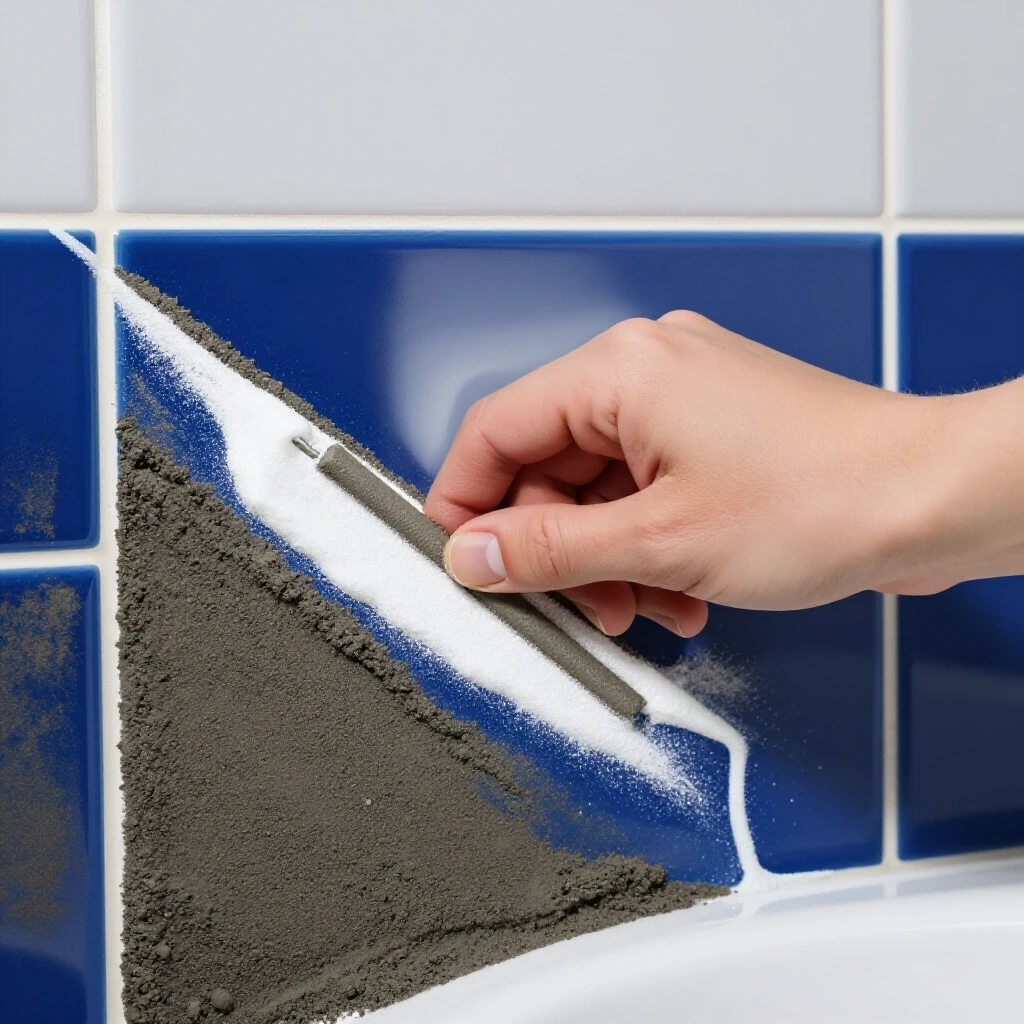
Understanding the Building Science of Porous Joint Materials
This section explains how water moves through cement-based materials and why these joints often fail in high-moisture environments. Understanding these physical properties helps you identify why a repair might not have lasted in the past.
Building science is the study of how heat, air, and moisture move through a structure. In a bathroom, the most critical concept is capillary action. This is the ability of a liquid to flow into narrow spaces without the assistance of, or even in opposition to, external forces like gravity. Because standard cementitious grout is porous, it acts like a hard sponge, pulling water deep into the wall or floor assembly.
When moisture sits in these pores, it can lead to efflorescence. This is a crystalline deposit of salts left on the surface after water evaporates. If you see white, powdery crusts on your tile joints, it is a sign that water is migrating through the material. Over time, this hydraulic pressure can weaken the bond between the tile and the substrate, causing the filler to crumble or crack.
Systematic Diagnostics for Bathroom Tile Integrity
This phase involves using specific tools and visual cues to determine if a joint requires a simple touch-up or a deep-reaching restoration. Identifying the root cause of failure prevents you from repeating the same ineffective repairs.
Before picking up a tool, you must assess the current state of the bathroom. I use a pinless moisture meter to check the density of the walls behind the tile. A reading above 15% to 20% moisture content in a tiled wall suggests that water is already trapped behind the surface. If you apply new material over a wet substrate, the trapped vapor will eventually push the new repair out.
| Symptom | Probable Root Cause | Recommended Action |
|---|---|---|
| Hairline cracks in corners | Structural movement or lack of flexible sealant | Replace with color-matched silicone |
| Powdery, soft grout | Improper water-to-powder mixing ratio | Remove and replace with fortified grout |
| Dark, persistent staining | Sealant failure and organic growth | Deep clean, dry thoroughly, and reseal |
| Tile “tenting” or lifting | Substrate expansion or lack of expansion joints | Full removal of joint and re-evaluation of substrate |
Essential Equipment for Durable Joint Restoration
Having the correct mechanical tools ensures that you remove enough old material to create a strong mechanical bond for the new application. Using the wrong tools often leads to chipped tiles or shallow repairs that fail within weeks.
- Carbide-Tipped Grout Saw: A hand tool used for manual removal of old material without vibrating the tiles loose.
- Oscillating Multi-Tool with Diamond Blade: Best for larger floor areas, providing precision removal while minimizing dust when paired with a vacuum.
- Pinless Moisture Meter: Used to verify that the substrate is dry (below 12%) before applying new materials.
- HEPA-Filtered Vacuum: Essential for removing fine silica dust from the deep recesses of the joints.
- High-Density Grout Sponge: Designed with rounded edges to prevent “digging out” the joint during the cleaning phase.
Preparing the Substrate for Maximum Adhesion
This process involves the mechanical removal of old, failing material to ensure the new filler has a clean, stable surface to grip. Skipping this step is the most common reason for repair failure in older homes.
You cannot simply smear new grout over old grout. For a repair to last, you must remove at least 1/8 inch of the existing material. This creates enough “bite” for the new mixture. I prefer using a manual carbide saw for wall tiles to maintain control and avoid damaging the glaze on the tile edges.
Once the old material is removed, the vacuum becomes your most important tool. Even a microscopic layer of dust will act as a bond-breaker. After vacuuming, wipe the joints with a damp (not soaking) sponge. This lightly pre-hydrates the tile edges, preventing them from sucking the moisture out of your new mix too quickly, which can lead to “chalky” grout that lacks structural strength.
Selecting and Mixing High-Performance Materials
Choosing the right chemistry for your specific bathroom environment determines the longevity of the repair. Modern additives can significantly improve the water resistance and flexibility of traditional cement products.
For most residential bathrooms, I recommend a polymer-modified unsanded grout for joints narrower than 1/8 inch, and sanded grout for wider joints. The sand acts as an aggregate, providing structural stability and preventing shrinkage as the material cures. In areas with extreme moisture exposure, such as the floor of a walk-in shower, an epoxy-based product is often more durable, though it requires much faster execution.
When mixing, always follow the manufacturer’s water-to-powder ratio exactly. I use a small digital scale to measure by weight rather than volume. The consistency should resemble stiff peanut butter. If the mix is too runny, the resulting joint will be weak and prone to pinholes. If it is too dry, it will not fully penetrate the depth of the joint, leading to air pockets and future cracking.
The Execution: Application and Curing Protocols
Applying the material correctly requires specific angles and pressures to ensure the joint is packed solid from the bottom up. Proper curing is the final step in ensuring the repair withstands daily use.
- Hold your rubber grout float at a 45-degree angle to the tile joints.
- Press the material firmly into the gaps; the goal is to displace all air.
- Work in small sections (about 10 square feet) to prevent the material from “setting up” on the tile face.
- Use a damp, well-wrung sponge to wipe the excess. If the sponge is too wet, you will wash out the pigment and weaken the cement.
- Allow the material to cure for at least 24 to 48 hours before exposing it to any moisture.
Building science tells us that cement products cure through a chemical reaction called hydration, not just by “drying out.” If the bathroom is extremely dry, I sometimes lightly mist the new joints with water after 24 hours to ensure the chemical reaction completes fully. This results in a much harder, more durable finish.
Long-Term Protection and Maintenance Schedules
Once the repair is cured, applying a high-quality sealant is the final line of defense against moisture intrusion. Regular monitoring prevents small issues from escalating into structural damage.
There are two main types of sealers: topical and penetrating. Topical sealers sit on top and can peel over time. For older homes, I exclusively use penetrating (impregnating) sealers. These soak into the pores and chemically bond with the grout, making it hydrophobic without changing the appearance. This prevents the capillary action discussed earlier.
Preventative Maintenance Schedule
- Monthly: Visual inspection for hairline cracks or “soft” spots in the joints.
- Quarterly: Perform a “water bead test.” Drop a few beads of water on the joint; if they soak in within 30 seconds, it is time to reseal.
- Annually: Deep clean joints with a pH-neutral cleaner to remove soap scum that can trap moisture against the sealant.
- Bi-Annually: Re-apply a high-quality penetrating sealer to all floor and wall joints.
When to Stop: Identifying Structural Limits
Not every grout failure can be fixed with a fresh bag of mix. Recognizing when the underlying structure is compromised is vital for preventing expensive mistakes.
If you notice that multiple tiles are cracking in a straight line across a room, this usually indicates a “telegraphing” crack from the concrete slab or a failing joist beneath the subfloor. In these cases, no amount of grout repair will last. The movement will simply crack the new material within weeks.
Similarly, if the tile sounds hollow when tapped with a plastic mallet (a “drumbly” sound), the thin-set mortar has detached from the substrate. This requires removing the tile entirely to address the bond failure. For homeowners, knowing the difference between a surface-level joint issue and a structural bond failure saves thousands in wasted repair attempts.
Frequently Asked Questions
Why does my new grout keep cracking in the corners of the shower? Corners are “change of plane” joints where two different surfaces meet. Because houses expand and contract with temperature and humidity, these joints experience the most movement. You should never use grout in corners; instead, use a 100% silicone caulk that matches the color of your grout. Silicone is flexible and can handle the movement without cracking.
How long should I wait after a repair before I can take a shower? Most standard cement-based products require 48 to 72 hours to cure sufficiently for water exposure. Using the shower too early can wash out the cement particles before they have bonded, leading to a soft, porous joint that will fail within a year. Always check the manufacturer’s technical data sheet for specific “time to service” metrics.
Can I put new grout over old grout if I just need a color refresh? No. This is a common mistake that leads to “spalling,” where the thin top layer flakes off. Grout needs a mechanical bond, which requires depth. You must remove at least 1/8 inch of the old material to provide enough surface area for the new mix to adhere.
Is epoxy grout better than standard grout for bathroom floors? Epoxy is much more durable, stain-resistant, and waterproof. However, it is significantly harder to work with because it sets very quickly and can leave a permanent haze on the tiles if not cleaned perfectly during installation. For most DIY repairs, a high-quality polymer-modified cement grout is more manageable and sufficiently durable if sealed correctly.
What is the best way to clean grout without damaging the sealer? Avoid acidic cleaners like vinegar or bleach, as these can break down the chemical bonds in both the sealer and the grout itself. Use a pH-neutral stone and tile cleaner. If you have mold, use a specialized enzymatic cleaner that kills the spores without eroding the cementitious material.
How do I know if my grout is sanded or unsanded? Look at the width of the joint. If the gap is wider than 1/8 inch, it is almost certainly sanded grout, as the sand prevents shrinkage. If the lines are very thin (like a pencil lead), it is likely unsanded. You can also feel the texture; sanded grout feels like fine sandpaper, while unsanded feels smooth like dried clay.
Does sealing grout make it 100% waterproof? No. Sealing makes the material “water-resistant” and hydrophobic, meaning it slows down the rate at which water is absorbed. It does not turn the grout into an impermeable barrier like plastic. This is why proper slope-to-drain and a functional waterproofing membrane behind the tile are still the most important factors in bathroom longevity.
Why is my grout turning white or getting a crusty buildup? This is likely efflorescence, caused by water traveling through the substrate and carrying minerals to the surface. It is a diagnostic sign that moisture is getting behind your tiles, possibly through a leak in the plumbing or a failure in the caulking around the tub spout or handle escutcheons.
Can I use a dremel to remove old grout? Yes, but use extreme caution. High-speed rotary tools can easily jump out of the joint and scar the surface of your tile. I recommend using a specialized grout removal bit and a steady hand. For beginners, an oscillating tool or a manual hand saw offers much more control and less risk of permanent tile damage.
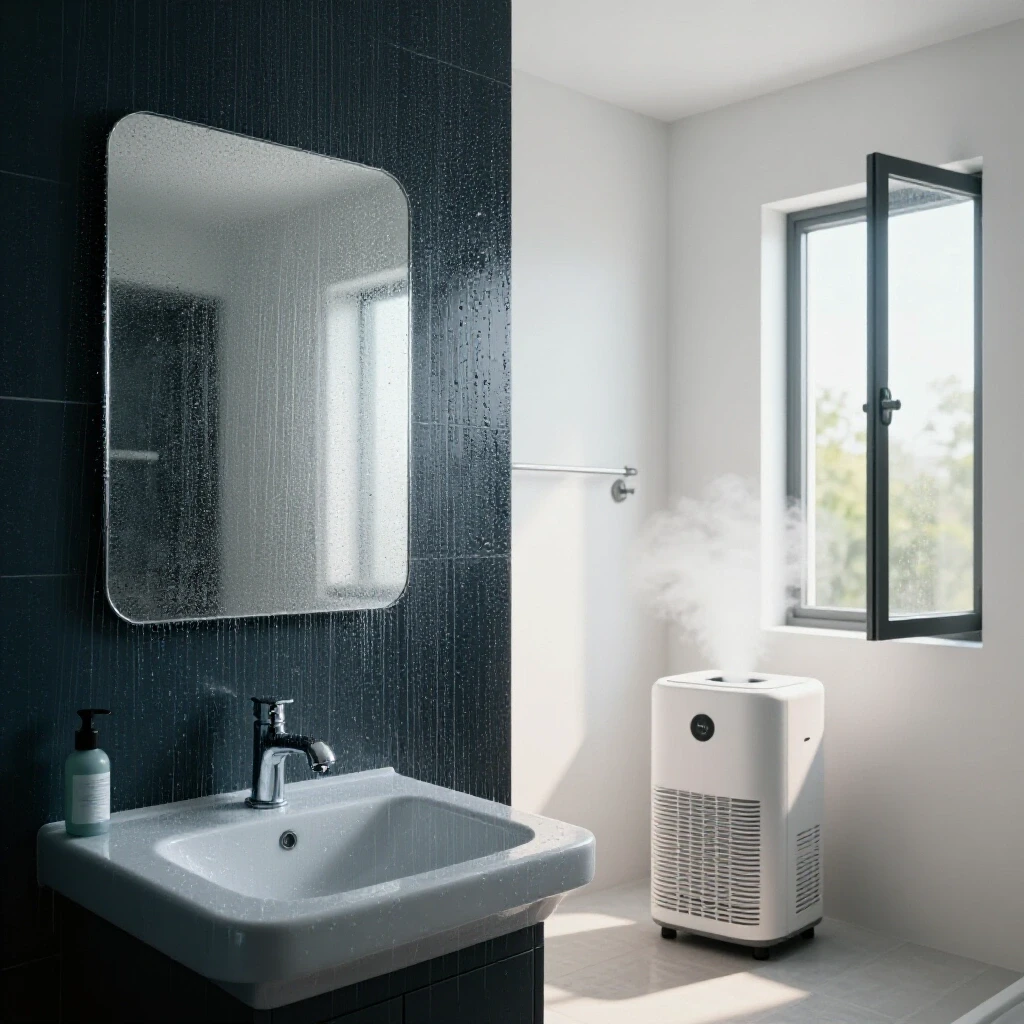
What moisture meter reading is “safe” for starting a repair? For wood substrates behind the tile, you want a reading below 12%. For concrete or cement board, the reading should be at the lower end of the “dry” scale on your specific meter. If the meter shows “amber” or “red” zones, you must use a fan or dehumidifier to dry the area for several days before proceeding with the repair.
(This article was written by one of our staff writers, Daniel Whitaker. Visit our Meet the Team page to learn more about the author and their expertise.)