How to Fix Bathroom Tile Hollow Sound (Step-by-Step Guide)

You are kneeling on the bathroom floor of a 1940s colonial, performing a routine cleaning of the grout lines. As you shift your weight, your plastic scrub brush handle accidentally knocks against a large porcelain tile near the tub. Instead of the dull, solid thud you expect from a stone-like surface, a sharp, echoing “clack” rings out. It sounds thin, almost like a drumhead, signaling that something has changed in the hidden layers beneath your feet.
Understanding the Mechanics of Tile Adhesion
Building science focuses on the physical relationship between different materials within a structure. In a bathroom, tile adhesion relies on a mechanical bond where thin-set mortar interlocks with the microscopic pores of both the tile and the underlying substrate. When this bond is broken or was never properly established, air pockets form, leading to a distinct change in acoustic resonance when the surface is tapped.

My 17 years in facility maintenance taught me that these echoing pockets are rarely a result of a single event. In older legacy properties, the shift from thick mortar beds to modern thin-set applications created different failure points. A mechanical bond can fail due to substrate movement, improper mortar coverage, or environmental stressors like moisture. Understanding the “what” and “why” of these bonds is essential for structural protection and early residential diagnostics.
Thin-set mortar is not just glue; it is a cementitious product that undergoes a chemical reaction to harden. If the mortar dries too quickly—a common issue in drafty older homes—it cannot “wet out” the back of the tile. This results in a weak interface. Over time, the everyday stresses of walking or thermal expansion cause the tile to detach from the bed, leaving a void that acts as a miniature echo chamber.
Essential Tools for Acoustic Void Detection
Residential diagnostics require specific tools to move beyond guesswork and identify the exact boundaries of a failing bond. A systematic approach uses both low-tech acoustic tools and high-tech moisture detection sensors to build a complete picture of the floor or wall’s health. These tools allow you to map out the affected area without performing invasive or destructive testing.
- A sounding rod or a heavy metal coin: These are used to tap the center and corners of every tile to listen for changes in pitch.
- Non-invasive moisture meter: This measures the moisture content percentage in the substrate behind the tile, which should ideally be below 12% for wood-based subfloors.
- Digital calipers: These help measure grout width consistency, as narrowing or widening gaps can indicate lateral movement in the home’s framing.
- Infrared thermal camera: This tool can detect temperature differentials that suggest air pockets or hidden dampness behind a vertical wall assembly.
- Suction cup tile puller: This is used to safely apply upward pressure to a suspected loose tile to see if there is any vertical deflection.
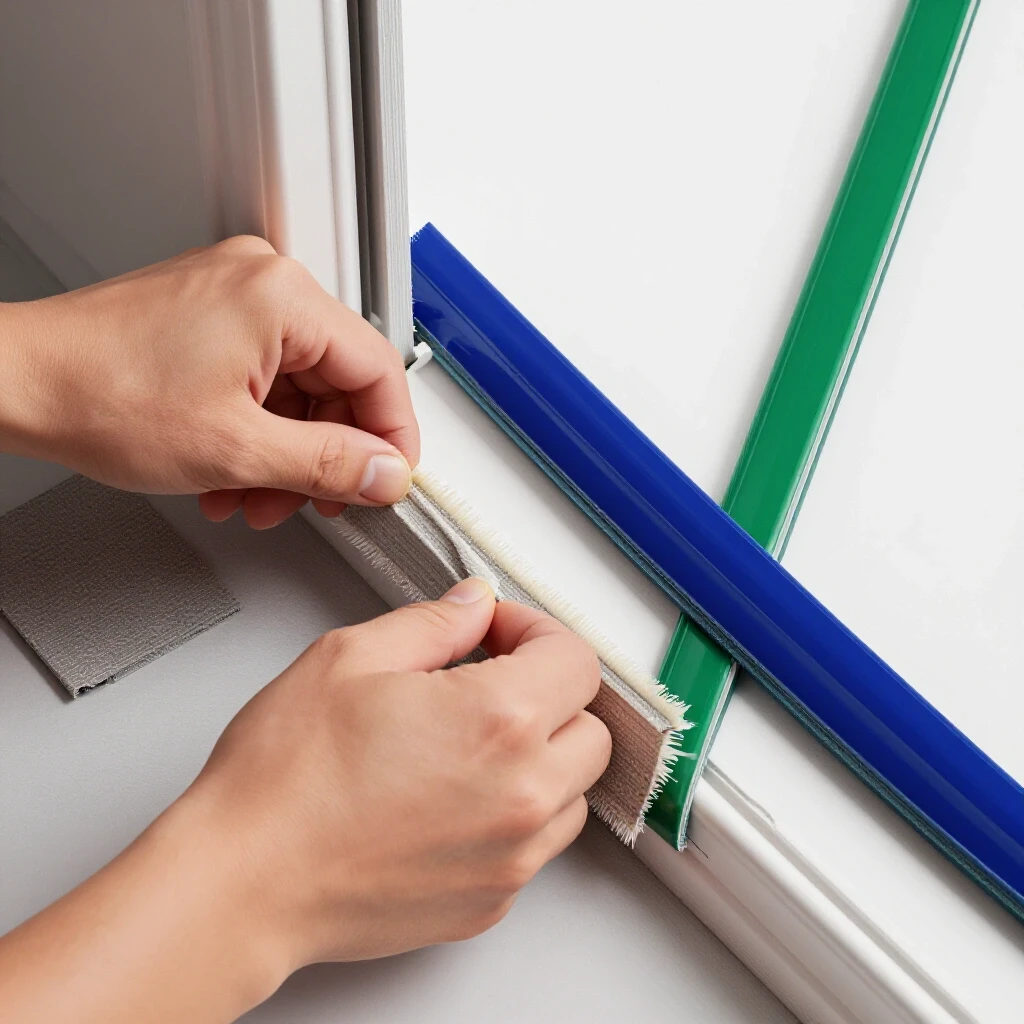
In my facility logs, I often recorded the “tap-map” of a room before starting repairs. By using a simple piece of painter’s tape to mark every spot that sounded hollow, I could visualize whether the failure was localized to one area or systemic across the entire floor. This step is a vital part of any home maintenance checklist for those managing older properties.
Systematic Inspection and Mapping Procedures
A systematic property assessment involves more than just noticing a single odd sound; it requires a repeatable process to determine the scope of the issue. By following a grid pattern across the bathroom, you can identify if the delamination is concentrated near water sources or distributed randomly. This data is crucial for deciding between a localized fix and a full replacement.
- Start at the doorway and move toward the furthest wall, tapping the center of each tile.
- Note the pitch: A high-pitched, hollow ring indicates a shallow void, while a deeper, muffled echo often suggests the substrate itself is detached from the joists.
- Check the “four corners” of every tile, as bond failure often starts at the edges where grout is most likely to crack.
- Observe the grout lines for “powdering” or fine cracks, which often accompany tiles that have lost their mechanical bond.
During a diagnostic session in a 1950s ranch, I discovered that a series of echoing tiles followed the exact path of a buried heating pipe. The thermal expansion of the pipe was causing the subfloor to flex, breaking the bond of the mortar above it. Without a systematic tap-test, the homeowner might have simply replaced the tiles without addressing the underlying thermal stress.
Root Causes of Substrate Separation
Identifying the root cause of a resonant void is the most important step in preventative home care. While it is tempting to just “glue it back down,” the failure is often a symptom of a larger environmental or structural issue. By categorizing these causes, you can apply the correct building science principle to the repair, ensuring the fix lasts as long as the house.
| Symptom | Potential Root Cause | Building Science Principle |
|---|---|---|
| Hollow sound at tile corners | “Spot bonding” or poor coverage | Lack of 95% mortar contact required for wet areas. |
| Echoing across multiple tiles | Subfloor deflection (bouncing) | Structural joist spacing exceeds L/360 deflection limits. |
| Resonant sound near tub edge | Moisture intrusion/wicking | Capillary action drawing water into the substrate. |
| Hollow sound with cracked grout | Thermal expansion/contraction | Lack of perimeter expansion joints in the tile assembly. |
| Sudden echo after years of silence | Foundation settling | Lateral and vertical movement breaking the cementitious bond. |
In legacy homes, I frequently see “spot bonding,” where an installer puts five dots of mortar on a tile instead of using a notched trowel. This leaves massive air gaps. While it looks fine initially, these voids eventually lead to cracked tiles because there is no structural support under the center of the porcelain.
Why Moisture Control Matters in Tile Longevity
Moisture detection is a primary pillar of structural protection in any bathroom. Water can travel through cracked grout via capillary action—the ability of a liquid to flow in narrow spaces without the assistance of external forces. Once water gets behind the tile, it can soften the substrate or cause the thin-set to undergo a process called leaching, which weakens the bond.
If your inspection reveals echoing tiles near a shower or sink, the moisture content of the surrounding area must be verified. A moisture meter reading above 15% to 20% in a wooden subfloor is a red flag. It suggests that the hollow sound is not just a bonding error, but a sign that the underlying structure is becoming compromised.
In one facility I managed, a resonant floor was the only warning sign of a slow leak from a toilet flange. The water had saturated the plywood, causing it to swell and pull away from the tile mortar. By catching the “echo” early, we saved the joists from rot, turning a potential five-figure floor replacement into a simple plumbing repair and a few new tiles.
Physical Troubleshooting and Repair Sequences
When you identify a localized area of delamination, the repair must focus on restoring the mechanical bond. This is a delicate process in older homes where the original materials may no longer be available. The goal is to stabilize the area without damaging the surrounding “healthy” tiles, which requires a steady hand and the right sequence of actions.
- Remove the surrounding grout: Use a manual grout saw or an oscillating tool with a diamond blade to isolate the echoing tile. This prevents vibrations from breaking the bond of adjacent tiles.
- Lift the tile carefully: If the bond is completely gone, a suction cup may lift it. If not, a thin putty knife can be used to gently pry the edges.
- Clean the substrate: You must remove the old, hardened thin-set from both the floor and the back of the tile to create a flat surface for the new bond.
- Check for “back-buttering”: When reinstalling, apply a thin layer of mortar to the back of the tile and the floor to ensure 100% coverage.
- Maintain expansion gaps: Ensure there is a 1/8 inch gap at the perimeter of the room, filled with flexible caulk instead of hard grout, to allow for house movement.
The temperature during repair is critical. Most mortars require a minimum of 50 degrees Fahrenheit to cure properly. In older, unheated bathrooms, I’ve seen repairs fail within weeks because the mortar “freeze-dried” rather than chemically curing, leading to the return of that familiar hollow ring.
DIY vs. Professional Scope Limits
Knowing when to call a professional is a hallmark of an experienced homeowner. While a few loose tiles are a manageable DIY task, systemic failure across a large area often points to structural issues that require specialized equipment. Pushing beyond your skill level can result in further damage to the building envelope.
- DIY Scope: 1-5 loose tiles, localized echoing near a dry wall, or replacing cracked grout lines.
- Professional Scope: More than 25% of the floor sounds hollow, signs of significant subfloor rot, or resonant voids appearing on a ceiling below the bathroom.
- Warning Sign: If you remove a tile and find “black mold” or crumbling wood, the project has moved from a cosmetic repair to a structural remediation.
I always recommend that homeowners check the “deflection” of their floor before starting a major tile project. If you jump on the floor and the China in the next room rattles, your floor has too much flex. No amount of new mortar will stop tiles from sounding hollow if the wooden structure underneath is moving like a trampoline.
Multi-Year Prevention and Maintenance Schedule
Preventative home care is about consistency. For older properties, a bathroom should be inspected every six months to catch bond failures before they lead to cracked porcelain. This proactive approach saves thousands of dollars by addressing small voids before they expand into a full-room failure.
- Bi-Annually: Perform a “coin-tap” test on all floor tiles, focusing on the area around the toilet and tub.
- Annually: Inspect grout for pinholes or cracks. Re-seal grout lines to prevent capillary water action.
- Every 5 Years: Check the perimeter caulking. If it has hardened or pulled away, replace it with high-quality silicone to maintain expansion joints.
- Every 10 Years: Use a moisture meter to check for “silent” leaks behind tiled shower walls, especially in legacy homes with original plumbing.
By keeping a log of these inspections, you can track the “health” of your bathroom. If a tile that sounded solid last year now has a slight ring, you know that the house is shifting or a bond is starting to fail. This early warning allows for a targeted, low-cost intervention.
Real-World Facility Log: The Case of the Echoing Enclosure
During my time maintaining a 1920s estate, I encountered a bathroom where the wall tiles sounded hollow in a perfect horizontal line, about three feet off the floor. The homeowner feared a major leak. However, my residential diagnostics revealed a different story.
Using a thermal camera, I saw no signs of moisture. When I removed one tile, I found that the original “button board” (a precursor to drywall) had pulled away from the studs because the nails had rusted through. The hollow sound wasn’t a tile failure; it was a wall-to-stud failure. We were able to secure the wall from the backside through an adjacent closet, saving the original, irreplaceable 1920s tile work. This experience reinforced the idea that the “echo” is just a clue—you must follow the evidence to the root cause.
Conclusion: Taking the First Steps
If you’ve discovered a resonant void in your bathroom, don’t panic, but don’t ignore it either. Start by mapping the area with painter’s tape and a simple tapping tool. Check for signs of moisture and assess whether the issue is localized or widespread. By applying these building science principles and following a systematic inspection, you protect your home’s structural integrity and avoid the “surprise” of a major repair bill. Your next step should be a thorough “tap-test” of the entire room to establish your baseline.
Frequently Asked Questions
Why does my tile sound hollow even though it isn’t cracked?
A hollow sound indicates a lack of bond between the tile and the substrate, often caused by air pockets or “voids.” The tile can remain uncracked for a long time because the surrounding grout and tiles hold it in place. However, without a solid base, the tile is susceptible to cracking under the weight of a footfall or a dropped object.
Can I fix a single echoing tile without removing it?
There are “injectable” adhesives designed for this purpose. You drill a small hole in the grout line and pump a thin, high-strength bonding agent under the tile. While this can work for minor voids, it doesn’t address the root cause, such as moisture or subfloor flex, and may not provide 100% coverage.
Is a hollow-sounding tile always a sign of a leak?
No, it is often a sign of poor installation or natural house settling. However, if the echoing is concentrated around a tub, shower, or toilet, you should use a moisture meter to rule out water intrusion. Moisture can weaken the mortar, leading to bond failure.
What is the “80/95 rule” in tiling?
In building science and industry standards, dry areas (like a hallway) require at least 80% mortar coverage on the back of the tile. Wet areas (like a shower or bathroom floor) require 95% coverage to ensure there are no continuous paths for water to collect and sit behind the tile.
How do I know if my subfloor is too bouncy for tile?
You can perform a simple deflection test. Place a bowl of water on the floor and walk past it. If the water surface ripples significantly, the floor may have too much “flex” for a rigid cementitious bond. This movement is a primary cause of delamination and resonant voids in older homes.
Does the age of the house affect how tiles sound?
Yes. Older homes often used “mud-set” beds (thick layers of concrete), which sound very solid and deep. Modern homes use “thin-set” on backer board, which naturally has a slightly higher pitch. You are looking for a change in pitch between adjacent tiles, rather than a specific universal sound.
Can extreme weather cause tiles to lose their bond?
Rapid changes in humidity and temperature can cause the wood framing of a house to expand or contract. If the tile installation lacks “expansion joints” (flexible caulk at the edges), this pressure can cause the tiles to “tent” or pop loose from the mortar bed.
What should I do if I find mold under a loose tile?
If you find mold, you must address the moisture source immediately. Small areas can be cleaned with an antimicrobial solution, but if the substrate (like plywood or drywall) is soft or crumbling, it must be replaced. Covering mold with new tile will only allow the rot to continue.
Why is grout cracking often found near echoing tiles?
Grout is rigid. When a tile loses its bond and begins to move—even microscopically—it puts stress on the grout lines. Cracking or powdering grout is often the first visual symptom that a mechanical bond has failed underneath.
Is it normal for new tile to sound hollow?
Ideally, no. If a brand-new installation has many hollow spots, it usually points to improper troweling techniques or the mortar drying too fast during the install. It is best to address this with the installer immediately before the grout is fully cured.
(This article was written by one of our staff writers, Daniel Whitaker. Visit our Meet the Team page to learn more about the author and their expertise.)