Blackout Curtain Costs Breakdown: Pricing & Savings Guide (Expert Review)

Focusing on affordability is the cornerstone of any successful home project. As a financial planner who has managed multiple personal renovations, I have learned that the smallest details often cause the largest budget leaks. When I first began tracking my home improvement expenses in a detailed spreadsheet, I realized that window treatments were frequently overlooked or underestimated. Achieving a dark, light-controlled environment for better rest requires more than just buying a piece of fabric; it requires a calculated approach to materials, hardware, and installation.
Establishing a Financial Framework for Light-Blocking Upgrades
A financial framework is a structured plan that outlines how much capital you can safely allocate to a project without compromising your emergency savings or retirement goals. It involves setting a hard ceiling based on your current cash flow and the projected value the improvement adds to your daily life.
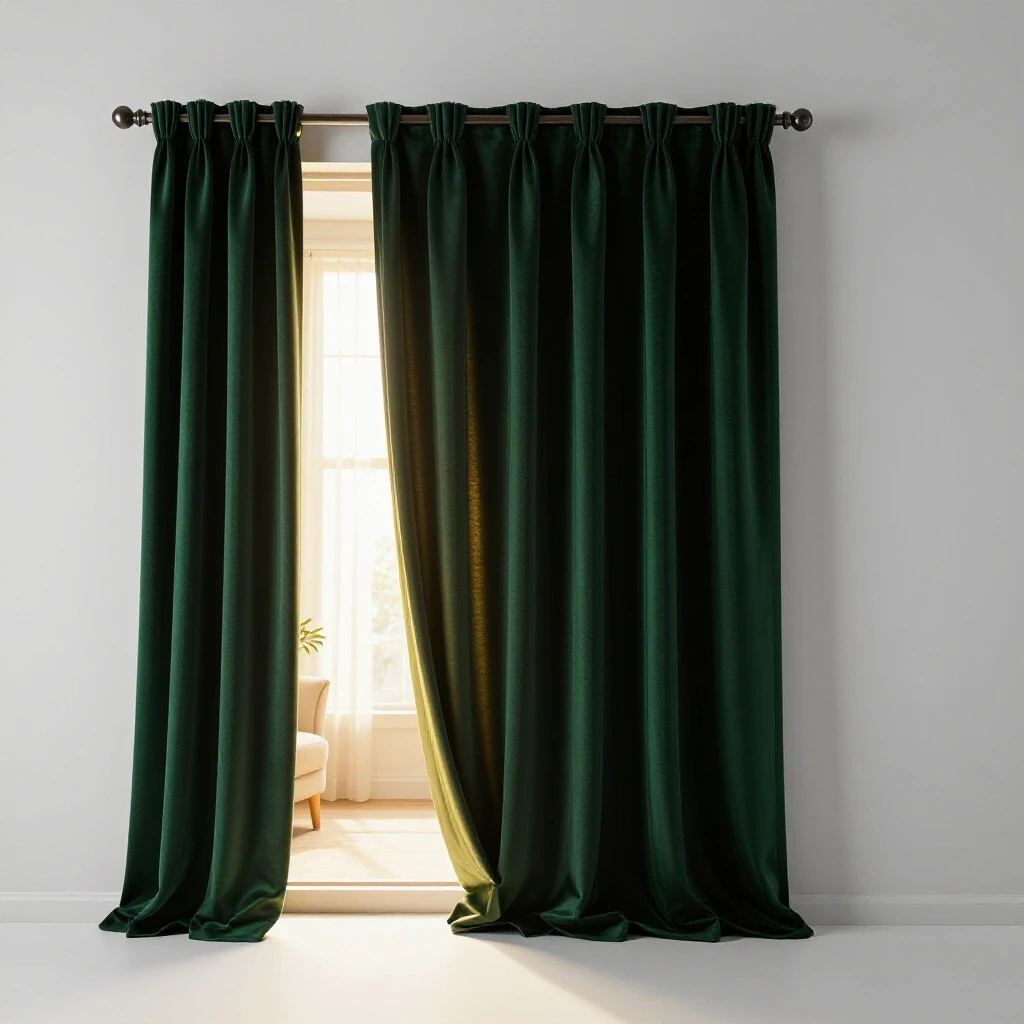
In my decade of tracking home-related expenses, I have seen homeowners treat window upgrades as an afterthought. This is a mistake. To avoid financial strain, you must treat these light-blocking solutions as a line-item in your home renovation budget. I recommend a “Lifestyle ROI” approach. While these panels may not increase your home’s appraisal value as much as a kitchen remodel, the value they provide in daily utility is high. I suggest allocating no more than 1% of your total home value to all window treatments combined to ensure you are not over-improving for your neighborhood.
Understanding Lifestyle Value vs. Resale ROI
Lifestyle value refers to the non-monetary benefit you receive from an upgrade, such as improved rest, while resale ROI is the percentage of the project cost you recover when selling the home. Balancing these two helps you decide whether to choose high-end custom panels or mid-range standard options.
When I analyzed my own remodeling expense tracker, I found that high-quality light-blocking panels (rated at 95-100% light reduction) offered the highest lifestyle satisfaction for the lowest relative cost. According to Remodeling Magazine’s Cost vs. Value reports, interior finishes often have a lower direct recovery rate than structural changes. Therefore, I advise my clients to focus on mid-range materials that provide the desired light-blocking effect without the “luxury” price tag that buyers may not pay for later.
- Set a 10-15% contingency buffer for hardware and mounting supplies.
- Compare the cost of standard sizes ($25-$60) versus custom sizes ($100+).
- Track the “cost per night” over a five-year period to justify the expense.
Analyzing the Line-Item Costs of Light-Blocking Fabrics
A line-item cost breakdown is a granular list of every individual expense associated with a project, from the primary material to the smallest screw. This method prevents “budget creep,” where small, unrecorded purchases eventually lead to a significant deficit in your project funds.
The primary driver of cost in light-controlled window treatments is the fabric weight, measured in Grams per Square Meter (GSM). In my experience, panels ranging from 200 to 600 GSM offer the best balance of light-blocking performance and price. Heavier fabrics (400-600 GSM) typically cost between $60 and $120 per panel, whereas lighter options (200-300 GSM) may fall in the $25 to $50 range.
The Impact of Fabric Density on Project Estimates
Fabric density, or GSM, determines how much light the material can physically block and how the curtain hangs. Higher GSM fabrics are usually triple-weaved or have a dedicated thermal lining, which increases the manufacturing cost but improves the light-reduction rating.
When I built my first light-reduction budget, I didn’t realize that 600 GSM panels require more robust (and expensive) mounting hardware. If you choose a heavy, 100% light-blocking fabric, you must also budget for heavy-duty rods. My spreadsheets show that failing to account for this can lead to a 20% variance in your initial estimate.
| Fabric Weight (GSM) | Light Blocking % | Estimated Cost (Per Panel) | Hardware Requirement |
|---|---|---|---|
| 200 – 300 | 85% – 95% | $25 – $45 | Standard Rod |
| 300 – 450 | 95% – 98% | $45 – $80 | Reinforced Rod |
| 450 – 600 | 99% – 100% | $80 – $120 | Heavy-Duty/Double Rod |
Estimating Hardware and Installation Fees
Hardware and installation fees encompass the physical components needed to hang the panels and the labor costs if you hire a professional. Hardware includes rods, brackets, rings, and wall anchors, while labor is the hourly rate paid to an installer.
I once consulted with a client who bought beautiful $100 panels but forgot to budget for the rods. They ended up spending another $150 on high-quality hardware because the cheap rods they had could not support the weight of the 500 GSM fabric. To maintain a strict cost vs value home improvement strategy, you should estimate hardware at approximately 25-30% of your fabric cost.
Rod-Pocket vs. Grommet Hanging Systems
A rod-pocket system involves a sewn channel at the top of the fabric, while a grommet system uses metal rings embedded in the fabric. Each has different cost implications for both the initial purchase and the type of rod required.
Grommet systems are often easier to slide but can allow small amounts of light to leak through the top. Rod-pocket systems offer a tighter seal against the rod, which is better for light blocking but can be harder to move daily. From a financial perspective, grommet panels are often mass-produced and cheaper, while rod-pockets may require more fabric and higher-end tailoring, increasing the price by 10-15%.
- Standard Rods: $15 – $40
- Heavy-Duty Rods: $50 – $120
- Wall Anchors/Mounting Kit: $5 – $15
- Professional Labor: $50 – $100 per hour (usually 1-2 hours for a standard room)
Regional Labor Rate Indexing for Home Improvements
Regional labor rate indexing is the practice of adjusting your budget based on the local cost of living and the average hourly wage for contractors in your specific area. Labor costs in major metropolitan areas can be 20-50% higher than in rural regions.
If you are not planning a DIY installation, you must consult local labor statistics. The U.S. Bureau of Labor Statistics provides data on “Installation, Maintenance, and Repair Occupations” that can help you gauge a fair price. In my personal remodeling portfolios, I use a regional multiplier. For example, if the national average for a handyman is $60 per hour, I might multiply that by 1.25 if I am working in a high-cost city like San Francisco or New York.
Factoring in Municipal and Permit Fees
While simple window treatments rarely require a permit, larger renovations involving structural window changes do. Municipal fees are the costs charged by your local government to review and approve home improvement plans to ensure they meet safety codes.
If your light-blocking project is part of a larger bedroom remodel, check your local building department’s fee schedule. In some jurisdictions, a “minor repair” permit can cost between $50 and $150. Ignoring these can lead to fines that far outweigh the original permit cost. I always include a line for “Permits/Fees” in my financial planning for homeowners to ensure no surprises.
Real-World Case Study: The Fletcher Bedroom Ledger
A case study provides a practical look at how a budget performs in the real world. By comparing a projected budget to the actual final expenditure, we can identify where most homeowners lose track of their finances.
In 2021, I updated the window treatments in two bedrooms. I projected a cost of $400 based on online prices. However, the actual cost ended up being $545. The variance came from two areas: I needed specialized wall anchors because of my home’s older plaster walls, and I opted for a higher GSM fabric once I saw the 200 GSM panels in person. This 36% increase is exactly why I preach the importance of a contingency fund.
Breakdown of Projected vs. Actual Expenses
This table reflects the data from my personal remodeling ledger. It highlights the importance of tracking every small purchase, including tax and shipping, which many people forget to include in their initial spreadsheets.
| Item Description | Projected Budget | Actual Expenditure | Variance |
|---|---|---|---|
| 4 Fabric Panels (500 GSM) | $240.00 | $320.00 | +$80.00 |
| 2 Heavy-Duty Rods | $100.00 | $120.00 | +$20.00 |
| Mounting Hardware | $20.00 | $45.00 | +$25.00 |
| Shipping & Taxes | $40.00 | $60.00 | +$20.00 |
| Total Project Cost | $400.00 | $545.00 | +$145.00 |
Actionable Budgeting Tools and Financial Tracking
Using specialized tools can help you maintain discipline throughout your home improvement journey. These resources allow you to visualize your spending and make adjustments before you run out of money.
I recommend using a simple spreadsheet or a dedicated remodeling expense tracker. By entering your “Estimated” costs in one column and “Actual” costs in another, you can see exactly where your money is going. This data is invaluable for your next project, as it helps you refine your estimating skills.
- Spreadsheet Templates: Create a Google Sheet or Excel file with categories for Materials, Hardware, Labor, and Contingency.
- Material Price Indexes: Use online marketplaces to find the average price of 400 GSM fabric in your area.
- Regional Labor Calculators: Check sites like ProMatcher or local handyman listings to find the going rate for installation.
- Lending Criteria Reviews: If you are using a Home Equity Line of Credit (HELOC), ensure your project fits within the lender’s guidelines for “home improvement.”
Conclusion: Next Steps for Cost-Conscious Planners
Achieving a dark, restful environment through light-blocking panels is a smart investment if managed with financial discipline. Start by measuring your windows accurately to avoid the high cost of custom orders. Next, determine the fabric weight you need; 400 GSM is often the “sweet spot” for performance and price. Finally, set up your tracking spreadsheet and include a 15% buffer for those inevitable hidden costs like wall anchors or shipping fees. By following these data-driven steps, you can improve your home’s utility without creating financial stress.
Frequently Asked Questions
What is the average cost per panel for high-quality light-blocking fabric?
The cost typically ranges from $25 for basic 200 GSM panels to $120 for heavy 600 GSM panels. Most cost-conscious homeowners find the best value in the $50 to $80 range, which usually provides 98% light reduction and decent durability.
How much should I budget for hardware when hanging heavy panels?
You should allocate approximately 25% to 30% of your total fabric cost to hardware. Heavy-duty rods are necessary for fabrics over 400 GSM to prevent sagging, which can cost between $50 and $120 depending on the width of the window.
Is professional installation worth the cost for window treatments?
If you are comfortable using a drill and a level, DIY installation can save you $100 to $200 in labor fees. However, if you have difficult wall materials like plaster or brick, hiring a professional can prevent costly damage to your walls.
Does fabric weight (GSM) really affect the price that much?
Yes, GSM directly impacts the amount of raw material used. A 600 GSM panel uses three times the fabric weight of a 200 GSM panel. This results in higher manufacturing and shipping costs, which are passed on to the consumer.
How can I avoid over-improving my home with expensive window upgrades?
Stick to the 1% rule: your total window treatment budget for the entire house should not exceed 1% of the home’s market value. Use standard-sized panels whenever possible, as custom tailoring can double or triple the price without adding significant resale value.
What are the most common hidden costs in these projects?
The most frequent hidden costs include specialized wall anchors for heavy panels, shipping fees for oversized rods, and the “oops” factor of measuring incorrectly and having to pay for return shipping or restocking fees.
Should I choose rod-pocket or grommet styles for better light blocking?
From a cost perspective, grommet styles are often cheaper due to mass production. However, rod-pocket styles generally provide a better light seal at the top of the window. If 100% light blocking is your goal, the slightly higher cost of rod-pockets may be worth the lifestyle ROI.
How do I track these expenses in my home renovation budget?
Use a simple table that separates “Material,” “Hardware,” and “Labor.” Record every receipt as soon as the purchase is made. This prevents small $10 hardware store trips from disappearing and skewing your final cost analysis.
Can I get 100% light blocking with cheap panels?
It is rare. Cheaper panels (under $30) are usually lower GSM and may only block 85-90% of light. To reach 100%, you typically need a triple-weave fabric or a separate blackout lining, which increases the price to the $60-$100 range.
Will these window treatments increase my home’s resale value?
While they are often considered personal property and may move with the seller, high-quality, neutral-colored light-blocking panels can increase “curb appeal” and make a bedroom feel more move-in ready, which can lead to faster offers.
(This article was written by one of our staff writers, Steven Fletcher. Visit our Meet the Team page to learn more about the author and their expertise.)