How to Build a Breakfast Bar for Better Mealtime Flow (Step-by-Step)

Adding a casual dining extension to your kitchen can transform the way your family interacts without the need for a full-scale structural overhaul. This simple modification bridges the gap between a high-traffic prep area and a social hub, creating a dedicated space where conversations happen naturally while the coffee brews or dinner simmers.
Defining the Scope of a Kitchen Counter Extension
A kitchen counter extension is a horizontal surface added to existing cabinetry or walls to create extra workspace or seating. It involves selecting materials that match or complement the current kitchen while ensuring the support structure is stable and secure for daily use. Defining this scope early prevents “scope creep,” where a simple project accidentally expands into a costly floor-plan change.
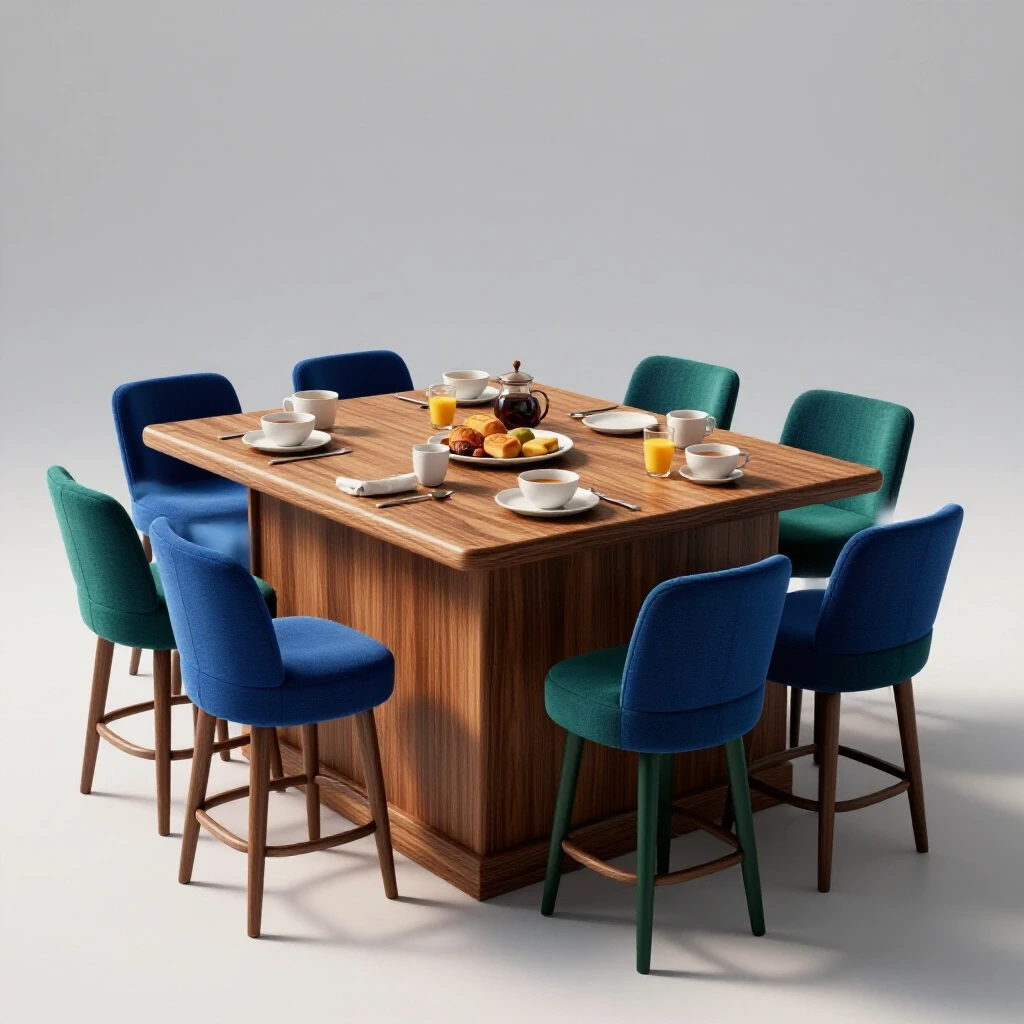
When I coordinated my first full-home renovation, I learned that even small additions need a clear “Scope of Work” document. This document should list exactly what you are building, the dimensions, and the materials. For a seating ledge, your scope should include the surface material, the support system (like heavy-duty brackets), and the finishing supplies.
By keeping the scope limited to a non-structural, non-plumbing addition, you avoid the need for complex permits in most jurisdictions. However, you must still ensure the addition does not block “egress”—the clear path required for people to move safely through the house. I always recommend checking that your new ledge leaves at least 36 inches of walkway space to meet standard residential building codes.
- Identify the exact location for the extension.
- Measure the desired height (usually 36 inches for counter height or 42 inches for bar height).
- Determine the depth needed for comfortable seating (typically 12 to 18 inches).
- List all materials required to avoid multiple trips to the store.
Estimating Costs for Casual Seating Additions
Budgeting for a DIY project requires calculating material quantities, tool rentals, and finishing supplies. Using standardized cost data helps homeowners set realistic expectations for expenses like lumber, fasteners, and protective coatings, preventing mid-project financial strain. Even a small project can go over budget if you don’t account for the “small” things like sandpaper or specialized drill bits.
In my experience using RSMeans data for residential projects, the cost of a DIY counter extension can vary significantly based on the surface material. While a custom stone slab might be expensive, a solid wood butcher block is often more budget-friendly and easier to install with standard tools. I suggest adding a 15% contingency buffer to your estimate to cover mistakes or price fluctuations.
Below is a conceptual cost breakdown based on average residential material prices.
| Category | Estimated Cost (Low) | Estimated Cost (High) | Contingency (15%) |
|---|---|---|---|
| Support Brackets (Heavy Duty) | $45 | $130 | $19 |
| Surface Material (Wood/Butcher Block) | $160 | $650 | $97 |
| Sanding and Finishing Supplies | $35 | $75 | $11 |
| Fasteners and Adhesives | $20 | $45 | $7 |
| Total Estimated Project Cost | $260 | $900 | $134 |
Sequencing the Build for Minimal Disruption
Construction sequencing is the chronological order of tasks required to complete a project. For a kitchen ledge, this starts with precise measurements, followed by site protection, support installation, and finally the surface mounting and finishing to ensure a clean result. Proper sequencing prevents you from having to redo work, such as finishing a surface before it has been properly fitted.
In my 18 years of oversight, I have seen many homeowners rush to buy the “pretty” parts before the structural supports are ready. This leads to clutter and potential damage to expensive materials. Follow a “Critical Path” schedule to keep the project moving efficiently.
- Site Survey: Check the wall for studs using a reliable stud finder.
- Procurement: Buy all materials at once to ensure color and grain consistency.
- Support Installation: Mount brackets or legs, ensuring they are perfectly “level” (horizontal) and “plumb” (vertical).
- Dry Fit: Place the surface on the supports without fasteners to check the fit and clearance.
- Finishing: Sand and seal the surface in a well-ventilated area before final installation.
- Final Assembly: Secure the surface to the supports and apply any necessary caulk or trim.
Designing for Visual and Spatial Harmony
Visual integration ensures that new additions look like they belong in the original design. This involves matching wood grains, paint colors, or edge profiles while maintaining proper “clearance”—the necessary walking space around the new seating area to avoid traffic jams. A well-designed extension feels like a natural part of the room rather than an afterthought.
During my second personal home remodel, I added a butcher block ledge to a kitchen with existing granite counters. To make it look intentional, I matched the thickness of the wood to the thickness of the stone. This created a visual “datum line” that tied the two different materials together.
You should also consider “knee space.” If you are planning for seating, the National Kitchen and Bath Association (NKBA) recommends a 15-inch knee depth for a 36-inch high counter. If you skimp on this measurement, the seating will be uncomfortable, and the extension will likely go unused.
- Match the Edge: If your current counters have a rounded edge, use a router to give your new ledge a similar profile.
- Color Coordination: Use a stain that picks up the secondary colors in your existing flooring or cabinetry.
- Scale and Proportion: Ensure the extension isn’t so large that it overwhelms the kitchen or so small that it looks out of place.
Why Hidden Structural Surprises Matter in DIY
Even in a simple DIY build, you must account for what lies behind the drywall. Structural integrity is the foundation of any renovation, and failing to secure a heavy counter extension to the wall’s framing can lead to collapse or damage. Finding a hidden pipe or a lack of studs where you planned to mount a bracket can quickly change your strategy.
In one project I managed, we planned to mount a heavy oak ledge to a kitchen wall. Upon opening a small “exploration hole,” we discovered the wall was framed with non-standard spacing. We had to install a horizontal “ledger board” to provide a secure mounting point. This added two hours to the job but saved the project from a structural failure later.
Before you start, use a high-quality stud finder to map out the framing. If your house is older, you might encounter “lath and plaster” walls, which are much harder to anchor into than modern drywall. Always verify your mounting points before you purchase your final materials.
Execution Strategies and Quality Control
Quality control in DIY projects means checking for level surfaces, secure attachments, and smooth finishes at every stage. Proper execution prevents common issues like wobbly ledges or uneven seams, ensuring the new dining area is safe and durable. It is much easier to fix a level issue during the bracket installation than after the countertop is glued down.
I recommend using a “Quality Control Checklist” for each phase of the build. For example, once the supports are in, place a four-foot level across them. If there is a gap, use thin wood “shims” to level the surface. These small adjustments are the difference between a professional-looking result and a DIY mistake.
- Check for Level: Use a long level to ensure the surface doesn’t slope, which could cause items to roll off.
- Verify Stability: Apply downward pressure to the supports to ensure there is no flex or movement.
- Smooth the Surface: Sand through progressively finer grits (80, 120, 220) to ensure a snag-free finish.
- Seal the Edges: Pay extra attention to sealing the end grain of wood, as this is where moisture is most likely to enter.
Managing the Impact on Household Dining Patterns
Post-occupancy evaluation looks at how a physical change affects daily life. Adding a casual eating spot often shifts family interactions from formal dining rooms to the kitchen, encouraging more conversation during meal preparation and creating a multi-functional space for work or snacks. This change in “flow” is often the most significant benefit of the project.
After I finished the seating ledge in my own home, I noticed my children started doing their homework at the counter while I prepared dinner. Previously, they were in a separate room. This “proximity effect” is a common outcome of adding casual seating. It breaks down the barrier between the “work” of cooking and the “life” of the family.
Interestingly, research into kitchen design shows that casual seating areas often become the primary dining spot for breakfast and lunch. This reduces the wear and tear on formal dining furniture and makes cleanup much faster. When planning your build, think about how the location of the ledge will influence these daily routines.
Project Management Tools for the Homeowner
Managing a renovation, even a small one, is easier with the right digital and physical tools. These resources help you track your budget, visualize the design, and stay on schedule. Using these tools reduces the mental load and helps you communicate your vision if you do decide to hire a helper for a specific task.
- Digital Sketching Apps: Use simple floor-planning apps to visualize how the extension affects the room’s footprint.
- Budget Spreadsheets: Track every receipt to ensure your 15% contingency is holding up.
- Leveling Apps: While a physical level is better, phone apps can provide a quick check during the planning phase.
- Note-Taking Apps: Keep photos of your wall studs and measurements in one place for quick reference at the hardware store.
Key Takeaways for a Successful Build
Successful residential renovation planning relies on preparation and realistic expectations. By focusing on a manageable project like a seating extension, you can gain confidence in your ability to oversee larger home improvements in the future. Remember that the goal is not just to add a piece of wood to a wall, but to improve the utility and feel of your home.
- Plan for Clearance: Never sacrifice walking space for a larger seating area.
- Secure the Structure: Always anchor your supports directly into the wall studs.
- Finish Before Installing: It is much easier to sand and seal a board on saw horses than in your kitchen.
- Evaluate the Flow: Consider how the new seating will change how you move through the kitchen during busy mornings.
By following these grounded strategies, you can minimize the stress of remodeling and ensure your new casual dining area is a lasting, functional addition to your home.
Frequently Asked Questions
How much weight can a standard kitchen ledge support?
A ledge supported by heavy-duty steel brackets anchored into wall studs can typically hold 50 to 100 pounds per bracket. However, this depends entirely on the quality of the wall framing and the fasteners used. Always check the manufacturer’s rating for your specific brackets and ensure they are screwed directly into the center of the studs.
What is the ideal height for a casual seating extension?
Most homeowners choose between counter height (36 inches) and bar height (42 inches). Counter height is more versatile as it extends your existing workspace, while bar height provides a clearer visual separation between the kitchen and the dining area. Ensure your stools match the height you choose: 24-inch stools for counters and 30-inch stools for bars.
Do I need a permit to add a small counter extension?
In most cases, a non-structural, DIY wood ledge that does not involve moving walls, plumbing, or electricity does not require a building permit. However, local codes vary, and if you are in a condo or a historical district, you should check with your homeowners’ association or local building department first.
How do I match the new wood to my existing cabinets?
The best way to match finishes is to take a cabinet door or a piece of trim to a dedicated paint and stain store. They can often create a custom stain match. Always test the stain on a scrap piece of the same wood species you are using for the ledge, as different woods absorb color differently.
What is the best material for a DIY kitchen ledge?
Solid wood or butcher block is the most popular choice for DIYers because it can be cut, sanded, and finished with basic power tools. It adds warmth to the kitchen and is relatively easy to maintain. Stone or quartz is much heavier and usually requires professional templates and installation.
How much “overhang” is safe for a counter without extra legs?
For a standard 1.5-inch thick wood top, you can typically have an overhang of 6 to 10 inches without additional support. If your extension is deeper than 10 inches, you must use brackets or legs to prevent the surface from tipping or sagging over time.
How do I find studs through thick kitchen backsplashes?
Finding studs through tile or thick backsplashes can be difficult. Use a high-strength neodymium magnet to find the screws in the drywall above or below the backsplash to track the stud line. Alternatively, you can use a deep-scanning stud finder designed for multiple material layers.
What should I do if my walls aren’t perfectly straight?
Walls are rarely perfectly flat. When fitting your counter extension, you may need to “scribe” the back edge. This involves holding the board against the wall, using a compass to trace the wall’s curves onto the wood, and then trimming the wood to match the wall’s profile for a seamless fit.
How do I prevent the wood from warping?
Wood warps when one side dries faster than the other. To prevent this, you must seal both the top and the bottom of the extension with the same number of coats of finish. This ensures that moisture enters and leaves the wood at an even rate on both sides.
Can I install a ledge over a radiator?
You can, but you must leave enough space for heat to circulate. Use heat-resistant materials and ensure there is at least a 6-inch gap between the top of the radiator and the bottom of the ledge. Be aware that the heat may cause wood to dry out and crack more quickly, so regular oiling or sealing is necessary.
(This article was written by one of our staff writers, David Langford. Visit our Meet the Team page to learn more about the author and their expertise.)