How to Fix a Broken Toilet Handle Easily (Step-by-Step Guide)

A single malfunctioning toilet can waste up to 200 gallons of water per day, often without the homeowner realizing there is a problem until the water bill arrives or a mechanical part snaps completely. In my 17 years of maintaining older properties, I have seen how the smallest mechanical failures, like a faulty flush lever, can lead to significant system inefficiency. For a prevention-focused homeowner, understanding the simple mechanics of the trip lever is the first step in avoiding unnecessary plumbing stress and protecting the structural integrity of the home’s water system.
During my time as a facilities technician, I managed a legacy estate built in the 1920s. The plumbing was a mix of original cast iron and mid-century updates. I quickly learned that older systems do not fail all at once; they give you subtle warnings. A lever that feels “mushy” or a handle that sticks in the down position are early indicators of material fatigue. By addressing these issues early, I prevented hundreds of emergency calls. This guide focuses on the systematic diagnosis and restoration of the flush actuator assembly to ensure your home remains efficient and dry.
The Mechanics of the Gravity-Flush Actuator
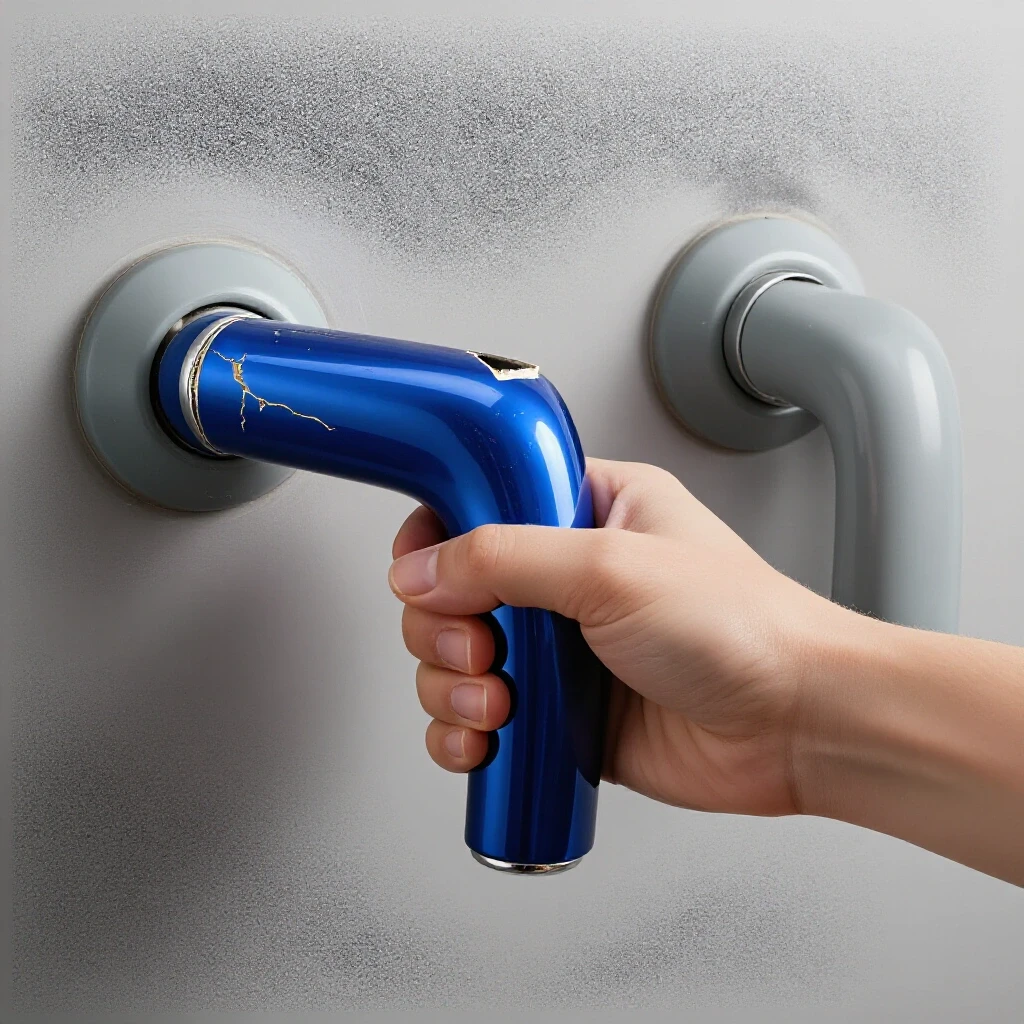
The flush lever assembly is a simple machine that utilizes mechanical advantage to lift a heavy column of water by opening a seal at the bottom of the tank. It consists of an external handle, a mounting nut, an internal arm, and a connection point for the lift chain. Understanding this lever system helps you diagnose why the mechanism feels heavy or fails to reset correctly.
Building science, in the context of residential plumbing, involves understanding how water pressure and mechanical force interact within a closed system. The flush lever operates on the principle of leverage, where a small amount of force applied to the handle translates into a larger lifting force on the flapper. If the fulcrum—the point where the handle meets the tank—is compromised by mineral buildup or corrosion, the entire system loses efficiency. This results in the user applying more force, which eventually leads to the arm snapping or the handle stripping.
Material Fatigue and Chemical Corrosion
Material fatigue is the progressive structural damage that occurs when a component is subjected to cyclic loading, such as the daily use of a toilet handle. In older homes, these components are often made of brass or chrome-plated plastic, both of which react differently to the chemical environment inside a toilet tank.
Chlorine and other water treatment chemicals can accelerate the degradation of plastic arms, making them brittle over time. Conversely, brass arms may suffer from “dezincification,” a process where zinc is leached out of the alloy, leaving a porous, weakened copper structure. When I inspect a legacy property, I look for white, powdery deposits on metal arms or hairline cracks in plastic ones. These are clear signs that the component’s service life is nearing its end and replacement is necessary to prevent a total failure.
Diagnostic Procedures for Actuator Malfunctions
A systematic diagnostic approach allows a homeowner to identify the root cause of a mechanical failure before purchasing replacement parts. By observing the movement of the lever and the response of the internal flapper, you can determine if the issue is a loose connection, a broken arm, or a tension problem.
Before opening the tank, I always perform a “feel test.” A functional lever should have a crisp, resisted movement that returns to its original position immediately upon release. If the handle spins freely, the internal nut has likely backed off or the handle’s square shank has stripped. If the handle is stuck, the pivot point is likely seized with calcium deposits. Use the following table to match symptoms with their technical causes.
| Symptom | Primary Root Cause | Secondary Factor |
|---|---|---|
| Handle rotates 360 degrees | Stripped handle shank | Loose mounting nut |
| Handle sticks in “down” position | Pivot point friction | Overtightened mounting nut |
| Lever moves but no flush occurs | Disconnected lift chain | Snapped actuator arm |
| Handle feels “mushy” or soft | Bending actuator arm | High water level resistance |
| Constant “ghost flushing” | Chain snagging on lever | Improper chain length |
Testing the Mounting Nut Integrity
The mounting nut is a critical component that secures the lever to the tank wall. Interestingly, almost all toilet tank nuts are “reverse-threaded,” meaning they loosen by turning clockwise and tighten by turning counter-clockwise. This design prevents the nut from loosening during the natural downward motion of a flush.
In my experience, many homeowners accidentally break the handle assembly by trying to tighten the nut in the wrong direction. I recommend checking the nut for hand-tightness every six months as part of your home maintenance checklist. If the nut is plastic, it can become brittle; if it is metal, it can seize. A simple quarter-turn with a wrench is usually all that is needed to restore stability to a wobbly handle.
Tools and Materials for Mechanical Restoration
Performing a precise mechanical repair requires a specific set of tools designed to work with delicate porcelain and various types of hardware. Using the wrong tool, such as over-sized pliers on a plastic nut, can lead to cracked tanks or stripped threads, escalating a simple fix into a much larger problem.
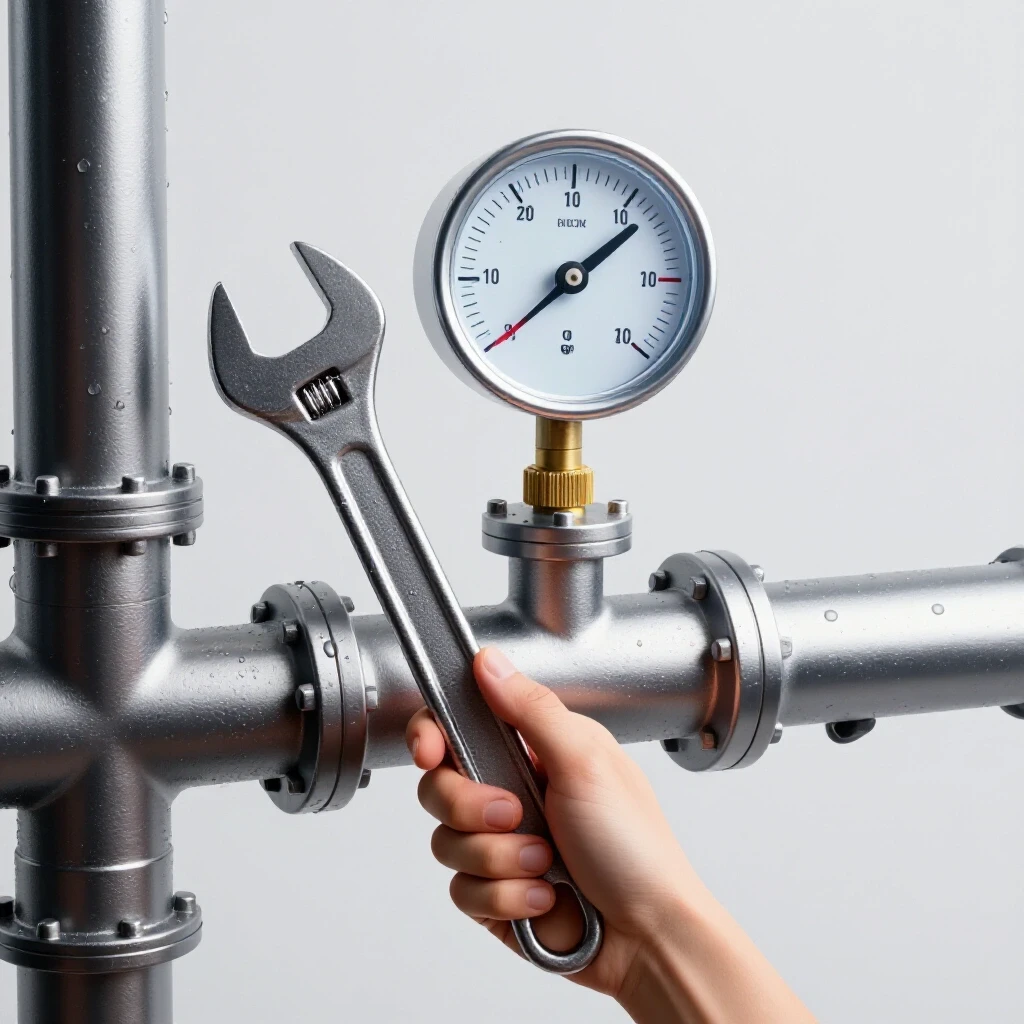
When I prepare for a plumbing diagnostic, I organize my kit to ensure I can handle both metal and plastic components. For a lever restoration, you do not need a vast array of equipment, but the quality of the tools matters. I prefer using smooth-jawed wrenches to avoid scarring the finish on the external handle.
- Adjustable Smooth-Jaw Wrench: Used for loosening and tightening the mounting nut without damaging the porcelain or the hardware finish.
- Needle-Nose Pliers: Essential for adjusting the small links in the lift chain and securing the cotter pin or clip.
- Scrub Brush or Steel Wool: Used to remove mineral deposits and scale from the tank wall where the lever mounts.
- Replacement Lever Assembly: Ensure the arm length and angle match your specific tank dimensions (standard, side-mount, or angle-mount).
- Distilled White Vinegar: A safe, mild acid used to dissolve calcium and magnesium buildup on existing hardware.
Executing the Component Replacement
Replacing a malfunctioning flush lever involves a sequence of steps that prioritize the protection of the porcelain tank and the correct calibration of the internal lift mechanism. A successful repair ensures that the flapper seals perfectly every time, preventing leaks and protecting your home from water waste.
The process begins with removing the old hardware. After unscrewing the reverse-threaded nut, I always take a moment to clean the mounting hole. Over years of use, “biofilm” and mineral scale can build up, preventing a new lever from seating flush against the tank. This can cause the handle to wiggle, which eventually leads to the new part failing prematurely.
Adjusting the Fulcrum and Chain Tension
The most common mistake in this repair is improper chain adjustment. If the chain is too tight, the flapper will not seat fully, causing a constant leak. If it is too loose, the lever will not lift the flapper high enough to initiate a full flush. The goal is to achieve a specific amount of “slack” in the line.
- Standard Slack Measurement: Aim for 1/8 to 1/2 inch of slack in the chain when the handle is at rest.
- Alignment Check: Ensure the lever arm is positioned directly over the flapper. If the arm is too long, it may hit the tank lid; if it is too short, it will pull the flapper at an angle.
- Torque Specifications: Tighten the mounting nut to “finger tight” plus a 1/4 turn. Never over-tighten, as the expansion and contraction of the tank due to water temperature changes can crack the porcelain if the nut is too rigid.
Long-Term Maintenance and System Protection
Preventative home care involves more than just fixing what is broken; it requires a strategy to extend the life of all mechanical systems. By implementing a regular inspection schedule, you can catch signs of wear in the flush mechanism before it results in a non-functional bathroom.
In my facility logs, I tracked the lifespan of various actuator materials. I found that in homes with high mineral content in the water (hard water), brass components lasted significantly longer than plastic ones, provided they were cleaned annually. I recommend a “drop-in” cleaning approach using only manufacturer-approved cleaners, as harsh chemical pucks can degrade the rubber seals and plastic arms within months.
Seasonal Maintenance Checklist
To maintain your home’s plumbing efficiency, integrate these checks into your seasonal routine. This proactive approach reduces the risk of sudden failures and helps you monitor the health of your legacy property’s infrastructure.
- Quarterly: Inspect the handle for any “play” or wobbling. Tighten the reverse-threaded nut if necessary.
- Bi-Annually: Lift the tank lid and check the actuator arm for signs of corrosion (green patina on brass) or stress whitening on plastic.
- Annually: Disconnect the chain and soak the lever’s pivot point in vinegar to remove mineral scale.
- Post-Repair: Perform a “dye test” by adding food coloring to the tank. If color appears in the bowl after 15 minutes without flushing, the chain tension is likely preventing a proper seal.
| Task | Frequency | Estimated Time | Tool Required |
|---|---|---|---|
| Handle Stability Check | Every 3 Months | 1 Minute | None |
| Internal Arm Inspection | Every 6 Months | 2 Minutes | Flashlight |
| Pivot Point Descaling | Yearly | 15 Minutes | Vinegar/Brush |
| Chain Tension Calibration | After any repair | 5 Minutes | Needle-nose pliers |
Safety and Regulatory Standards
When performing any residential plumbing repair, it is vital to adhere to safety guidelines provided by the Consumer Product Safety Commission (CPSC) and local plumbing codes. While a lever replacement is a minor task, it involves working with heavy porcelain and water systems that must remain sanitary.
Always ensure the tank lid is placed in a safe, carpeted area while you work. These lids are heavy, slippery when wet, and nearly impossible to replace for older, discontinued toilet models. Additionally, verify that any replacement parts are “lead-free” compliant, especially in older homes where water quality is a primary concern. Following these basic safety protocols protects both the technician and the property.
Frequently Asked Questions
Why is my toilet handle so hard to push down?
This is usually caused by a buildup of calcium and magnesium deposits inside the mounting nut or on the pivot point of the lever. Over time, these minerals create friction that resists the rotation of the handle. You can often resolve this by loosening the nut and cleaning the assembly with vinegar and a stiff brush.
Is the nut on the inside of the tank always reverse-threaded?
In nearly 95% of modern and legacy toilets, the nut is reverse-threaded (left-handed threads). This means you must turn it clockwise to loosen it. This design ensures that the action of pushing down on the handle to flush actually works to keep the nut tight rather than unscrewing it.
What should I do if the new lever arm hits the tank lid?
If the arm is hitting the lid, it is likely the wrong model for your tank or it needs to be bent slightly. Many metal actuator arms are designed to be gently contoured to clear obstructions. However, if you have a plastic arm, you cannot bend it; you must ensure you have purchased a “side-mount” or “front-mount” specific lever.
How much slack should be in the chain?
There should be approximately 1/8 to 1/2 inch of slack. If the chain is taut, it will lift the flapper slightly off its seat, causing a constant leak. If there is too much slack, the lever will hit the top of its travel before the flapper is lifted high enough to stay open for the full flush cycle.
Can I use a universal replacement kit for an older toilet?
Most “universal” kits work well for standard gravity-flush toilets. However, if you have a legacy property with a unique tank shape or a high-profile designer toilet, you may need an OEM (Original Equipment Manufacturer) part. Measure the length of your existing arm before going to the hardware store.
Why does my handle stay down after I flush?
This is typically caused by a weak or missing return spring (in some models) or excessive friction in the mounting hole. It can also happen if the chain is too long and gets caught under the flapper, holding the lever down. Clean the pivot point and check for chain snags.
Should I choose a plastic or metal replacement arm?
Metal arms, particularly solid brass, are more durable and can be bent to fit specific tank shapes. Plastic arms are corrosion-resistant but can become brittle over time. In older homes with high-pressure systems or heavy usage, I generally recommend a high-quality brass arm for its longevity.
Does a broken handle cause the toilet to run constantly?
Indirectly, yes. If the handle is stuck or the chain is improperly adjusted, the flapper will not seal. This allows water to leak from the tank into the bowl continuously, which triggers the fill valve to run. Fixing the lever mechanism is often the solution to a “running” toilet.
How do I know if the handle shank is stripped?
If you turn the handle and the external part moves but the internal arm does not, the square hole in the handle or the square shank on the arm has likely rounded off. This is a common failure in plastic handles and requires a full replacement of the lever assembly.
Can I fix a snapped plastic arm with glue?
I do not recommend repairing a snapped actuator arm with adhesive. The constant torque and exposure to water will cause the bond to fail very quickly. Given the low cost of a replacement lever, a full component swap is the only reliable way to ensure the system functions correctly.
What is the “dye test” and when should I do it?
A dye test involves putting a few drops of food coloring in the tank and waiting to see if it seeps into the bowl without flushing. You should perform this after any lever or chain adjustment to ensure your “easy fix” hasn’t inadvertently created a slow leak by tensioning the chain too tightly.
(This article was written by one of our staff writers, Daniel Whitaker. Visit our Meet the Team page to learn more about the author and their expertise.)