How to Fix a Broken Vent Cover: Home Repair Guide (Step-by-Step)

I once spent twenty minutes apologizing to a 1920s floor joist after a rusted-out metal register gave way under my boot. There is a specific kind of slapstick comedy found only in older homes, where a simple walk across the hallway can turn into an unexpected structural integrity test. In my seventeen years of maintaining legacy properties, I have learned that the smallest components often dictate the daily comfort and visual rhythm of a living space. Replacing a damaged or outdated floor or wall register is not just about aesthetics; it is about selecting hardware that matches the physical demands of your home’s traffic patterns and architectural history.
Assessing the Structural Integrity of Interior Hardware
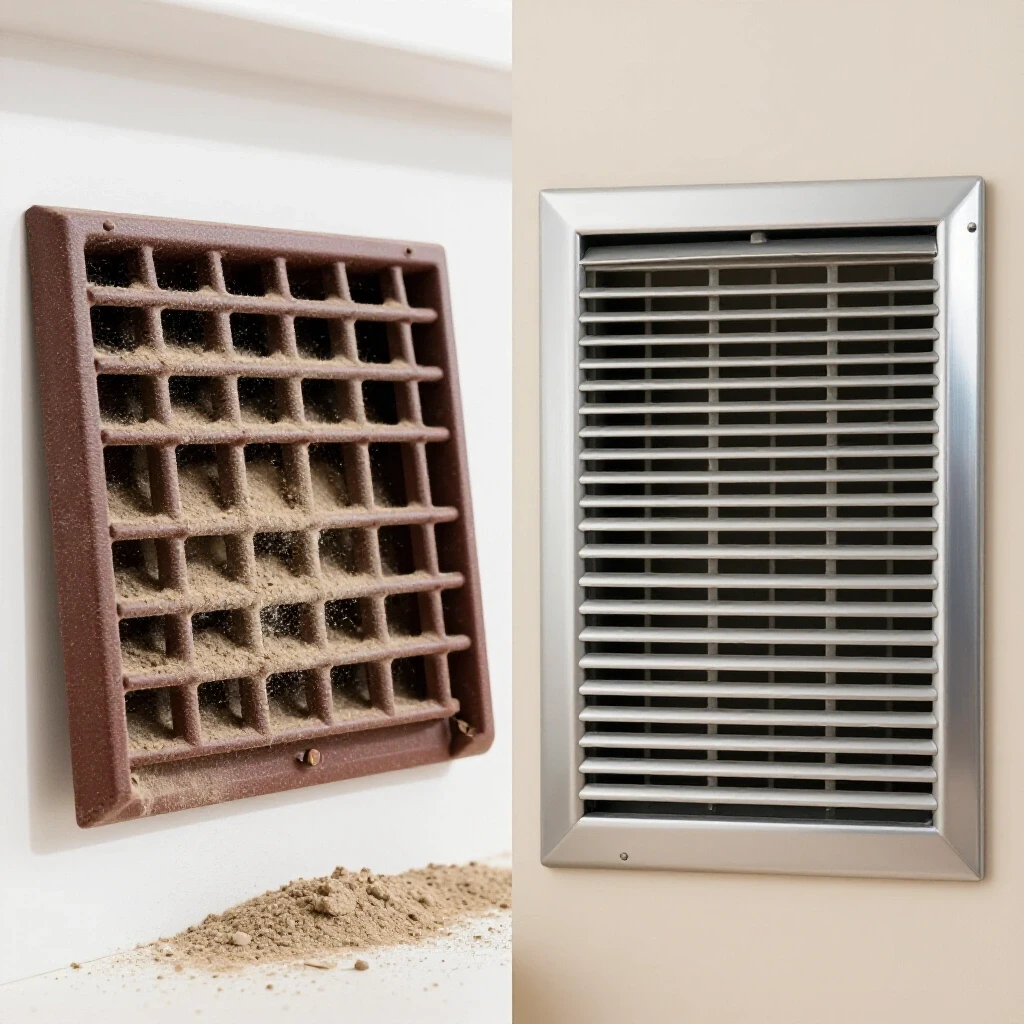
Residential diagnostics begin with a physical evaluation of the hardware’s current state and its impact on the surrounding surfaces. This process involves checking for material fatigue, such as bent fins or cracked frames, which can impede the functionality of the louvers and create uneven surfaces. Understanding the “what” and “why” of hardware failure helps prevent secondary damage to flooring or wall finishes.
When I approach a residential diagnostics task, I look for signs of mechanical wear that indicate a need for replacement. In older homes, original stamped steel covers often suffer from “metal fatigue” due to decades of foot traffic. This isn’t just a cosmetic issue; a sagging register can cause tripping or allow small objects to fall into the void below. Building science tells us that the interface between a rigid metal cover and a flexible wood floor is a point of constant stress. Over time, the fasteners may loosen as the wood expands and contracts, leading to the rattling sounds many homeowners find frustrating.
- Remove the existing hardware to inspect the underlying frame.
- Check for debris or dust accumulation that might indicate a poor seal.
- Evaluate the condition of the screw holes in the subfloor or drywall.
- Verify that the damper mechanism still moves freely without binding.
Material Selection for Durability and Visual Harmony
Choosing the right material for a replacement register requires balancing the physical properties of the substance with the aesthetic requirements of the room. Materials like cast iron, heavy-gauge steel, solid wood, and high-impact polymers each offer different levels of resistance to deflection and environmental wear. Selecting based on material science ensures the hardware lasts as long as the home itself.
In my experience, the material you choose should be dictated by the location of the opening. For high-traffic floor areas, I prefer heavy-gauge steel or cast iron. These materials offer high “compressive strength,” meaning they can support the weight of a person without deforming. Stamped steel is common but can be thin; I look for “heavy-duty” specifications to ensure the fins won’t bend. In contrast, for wall or ceiling placements, lightweight aluminum or high-grade polymers are often better because they put less strain on the mounting hardware.
- Cast Iron: Offers maximum durability and a classic look for historic properties but requires a deep “lip” to sit flush.
- Solid Wood: Ideal for matching hardwood floors; usually made of oak, maple, or cherry. These are often “flush-mount,” meaning they are installed during the flooring process.
- Plated Brass: Provides a high-end finish but can show scratches or “patina” over time if used in floor applications.
- Powder-Coated Steel: Highly resistant to moisture and scratching, making it a standard for modern home maintenance checklists.
| Material Type | Best Application | Durability Rating | Finish Longevity |
|---|---|---|---|
| Heavy-Gauge Steel | High-traffic floors | High | Excellent |
| Solid Oak | Hardwood floor integration | Medium-High | Variable (needs sealing) |
| Cast Aluminum | Walls and Ceilings | Medium | High |
| Decorative Resin | Low-traffic walls | Low-Medium | High |
The Precision of Measurement in Residential Hardware
A successful installation relies entirely on the accuracy of the initial measurements, specifically the size of the “rough opening” rather than the outer dimensions of the old cover. Measurement precision prevents the common mistake of purchasing a unit that is too small to cover the gap or too large to fit the recessed area. We use the standard “Width x Height” format to ensure compatibility with replacement units.
When I teach homeowners how to perform their own residential diagnostics, I emphasize measuring the hole in the floor or wall. If you measure the old register’s faceplate, you will likely buy the wrong size. For example, a 4×10 inch register refers to the size of the duct opening it covers, not the total 5.5×11.5 inch footprint of the metal plate. I always use a steel tape measure to get the exact dimensions of the interior cavity.
- Lift the old cover out of the opening completely.
- Measure the width of the hole at its widest point.
- Measure the length/height of the hole.
- Check the depth of the “boot” or frame to ensure the new damper will have room to operate.
Aesthetic Integration and Finish Selection
Integrating new hardware into an older home requires an understanding of visual harmony and historical context. Matching the finish of a new register to existing door hardware, light fixtures, or floor stains creates a cohesive look that honors the property’s original design. Modern finishes like “Oil Rubbed Bronze” or “Satin Nickel” can bridge the gap between legacy structures and contemporary updates.
Visual harmony is about more than just color; it is about the “sheen” and “texture” of the material. In a 1940s colonial, a shiny chrome register might look out of place against dark walnut floors. I often suggest looking at the “patina” of nearby hinges or doorknobs. If you are following a structural protection plan for a historic home, you might even consider unfinished wood registers that can be stained to match your specific floor color exactly. This level of detail is what separates a quick fix from a professional-grade restoration.
- Oil-Rubbed Bronze: Deep, dark tones that complement traditional and rustic styles.
- Satin Nickel: A muted, brushed look that hides fingerprints and fits transitional designs.
- Primed White: Best for walls where you intend to paint the cover to match the wall color.
- Natural Wood: Allows for custom staining to match 3/4-inch hardwood planks.
Step-by-Step Fitting and Mechanical Installation
The physical installation of a replacement cover involves aligning the louver mechanism, securing the fasteners, and ensuring the unit sits flush against the surface. This process requires basic hand tools and a systematic approach to ensure the hardware is level and secure. Proper fitting prevents the “rattling” often associated with loose-fitting interior components.
Before I drive any screws, I do a “dry fit.” I drop the register into the hole to see if it sits flat. If the floor is uneven—a common occurrence in older properties—I might need to lightly sand the underside of a wood register or use thin shims. For wall registers, I use a small torpedo level to make sure the unit is perfectly horizontal. Even a slight tilt can be visually jarring against the straight lines of a baseboard or crown molding.
- Clear the perimeter of the opening of any old paint chips or splinters.
- Insert the new register, ensuring the damper handle is accessible.
- If it is a screw-in model, use a hand screwdriver rather than a power drill to avoid stripping the holes.
- Test the louver movement to ensure the fins don’t hit the sides of the opening.
Maintaining Hardware for Long-Term Performance
Preventative home care involves routine cleaning and mechanical checks of all interior hardware to prevent the buildup of debris and ensure smooth operation. Over time, dust and household fibers can clog the louver mechanisms, making them difficult to adjust. A simple maintenance routine can extend the life of the finish and the mechanical parts.
In my facility logs, I always included a section for “hardware lubrication.” While you don’t need heavy grease, a tiny drop of dry silicone spray on the louver hinges can keep them moving smoothly for years. During your seasonal home maintenance checklist, I recommend vacuuming the registers with a brush attachment. This prevents the “caked-on” dust that eventually requires harsh chemical cleaners, which can strip the finish off plated metal covers.
- Monthly: Vacuum the surface to remove dust and pet hair.
- Seasonally: Wipe down with a damp cloth and mild soap; avoid abrasive pads.
- Annually: Remove the cover to clean the “lip” where it meets the floor or wall.
- As Needed: Check screws for tightness to prevent rattling.
Troubleshooting Common Fitment Issues
Even with careful measurement, you may encounter obstacles such as oversized openings, stripped screw holes, or interfering trim. Addressing these issues requires a systematic approach to residential diagnostics, using shims, wood filler, or specialized fasteners to achieve a secure fit. Identifying the root cause of a poor fit is the first step toward a permanent solution.
Interestingly, many older homes have “non-standard” openings because they were cut by hand decades ago. If you find the hole is slightly too large for a standard 4×12 register, you may need a “wide-rim” or “oversized” model. These are designed specifically for older properties to cover gaps left by previous renovations. If a screw hole is stripped, I use the “matchstick trick”—gluing a small sliver of wood into the hole to give the new screw something to bite into.
| Symptom | Root Cause | Recommended Action |
|---|---|---|
| Register Rattles | Loose fasteners or uneven floor | Tighten screws or apply adhesive foam tape to the underside. |
| Louvers Won’t Move | Debris in mechanism or bent fins | Clean with compressed air or gently straighten fins with pliers. |
| Gaps Around Edge | Opening is larger than faceplate | Replace with a “wide-rim” model or add trim molding. |
| Finish Peeling | Moisture exposure or harsh cleaners | Sand and refinish (if wood) or replace with powder-coated steel. |
Advanced Integration: Flush-Mount vs. Surface-Mount
For homeowners looking for a seamless look, understanding the difference between flush-mount and surface-mount hardware is essential. Flush-mount registers are integrated directly into the flooring material, creating a level surface that is ideal for minimalist or high-end designs. Surface-mount registers sit on top of the finished surface and are the standard for most replacement projects.
In my years of residential diagnostics and repair, I’ve seen that flush-mount wood registers are the gold standard for hardwood floors. However, they are difficult to “retrofit” because they require cutting into the existing floor planks. If you are doing a minor update, a high-quality surface-mount metal register with a low-profile “beveled edge” provides a similar look without the complex carpentry. This is a key part of preventative home care: knowing when to choose the simpler, more reliable path for a DIY project.
- Surface-Mount: Easiest for DIY; drops into the hole and rests on the floor/wall surface.
- Flush-Mount: Requires the register to be the same thickness as the flooring (usually 3/4″).
- Baseboard Registers: Specialized triangular covers that sit at the junction of the floor and wall.
Building a Multi-Year Hardware Maintenance Plan
A systematic approach to home care involves tracking the condition of all interior hardware over time. By documenting the sizes, finishes, and locations of your registers, you can quickly address failures without repeating the measurement process. This documentation is a cornerstone of professional-grade residential diagnostics.
I recommend keeping a small “home log” where you list the dimensions of every register in your house. When one eventually gets scratched or bent, you won’t have to pull it out just to see what size to order. This level of organization is how I managed large properties for nearly two decades. It reduces the stress of unexpected repairs and ensures that your home always looks well-maintained and structurally sound.
- Create a spreadsheet with “Room,” “Size,” and “Finish.”
- Store a few spare screws of the matching finish in your toolbox.
- Check for signs of moisture detection issues near registers in bathrooms or kitchens.
- Update the log whenever you replace a unit to track the brand and model.
Frequently Asked Questions
How do I know if I need a floor register or a wall grille? A floor register typically has a “damper” (a lever to open and close airflow) and is built to withstand weight. A wall or ceiling grille may or may not have a damper and is usually lighter in construction. If you are replacing a cover on the floor, ensure it is specifically rated for “floor use” to avoid structural failure when stepped on.
Can I paint a metal vent cover to match my walls? Yes, but you must use the right process. Lightly sand the existing finish with 220-grit sandpaper, apply a metal primer, and then use a high-quality spray paint. For the best results, look for “appliance epoxy” or “enamel” sprays, which are more durable than standard wall paint and won’t chip as easily when the louvers are moved.
What should I do if the screw holes in the wall don’t match the new register? This is common in older homes. You can either drill new holes in the register’s flange (if it’s soft metal or plastic) or use a “universal” mounting kit. Alternatively, if you are mounting to drywall, you may need to use toggle bolts or drywall anchors if the original wood framing isn’t behind the new hole locations.
Why is my new wood register sitting higher than the floor? You likely have a “surface-mount” wood register. These are designed to sit about 1/4 to 1/2 inch above the floor. If you want it to be level with the floor, you must use a “flush-mount” model, which requires professional-level carpentry to “picture-frame” the register into your hardwood planks.
How do I measure a circular vent cover? Measure the diameter of the actual hole in the ceiling or wall. Most circular covers are sized by the diameter of the duct they fit (e.g., a 6-inch or 8-inch round opening). The outer faceplate will always be 1 to 2 inches wider than the hole itself.
Are plastic registers better for bathrooms? Plastic or high-grade resin registers are often superior in bathrooms because they are immune to the moisture detection issues that cause metal covers to rust. Look for high-impact polymers that won’t become brittle over time.
What is the best way to stop a register from rattling? Rattling is usually caused by a small gap between the register and the floor. I use thin strips of adhesive-backed foam weatherstripping on the underside of the register’s rim. This creates a gasket that cushions the metal against the floor and silences vibrations.
Can I use a wall register on the floor? I strongly advise against this. Wall registers are not designed to support the weight of a person. The fins are often thinner and the frame is lighter. Stepping on a wall register installed in a floor opening can result in the metal buckling and potential injury.
How do I clean a register with a complex decorative pattern? For ornate “scrollwork” designs, a vacuum brush is the first step. For deep cleaning, remove the register and wash it in a sink with warm soapy water and a soft-bristled toothbrush. Dry it immediately with a lint-free cloth to prevent water spots or rust on steel models.
What is a “toe-kick” register? A toe-kick register is a very narrow, long cover designed to fit in the recessed space under kitchen or bathroom cabinets. These are usually 2×10 or 2×12 inches and require a specific low-profile design to allow the cabinet door to open and close without interference.
(This article was written by one of our staff writers, Daniel Whitaker. Visit our Meet the Team page to learn more about the author and their expertise.)