How to Build a Bedroom Storage Wall for Better Organization (Guide)

The alarm clock rings at 6:00 AM, and as you swing your feet out of bed, they land on a stray shoe or a stack of folded laundry that has no home. This morning ritual of navigating clutter is a common frustration for many of us who balance demanding careers with a desire for an organized sanctuary. You look at the empty expanse of wall behind your bed or along the side of the room and realize it is wasted potential. The dilemma is clear: you need a massive increase in storage capacity, but you do not want a cluttered room filled with mismatched plastic bins or flimsy, standalone wardrobes that wobble every time you open a drawer.
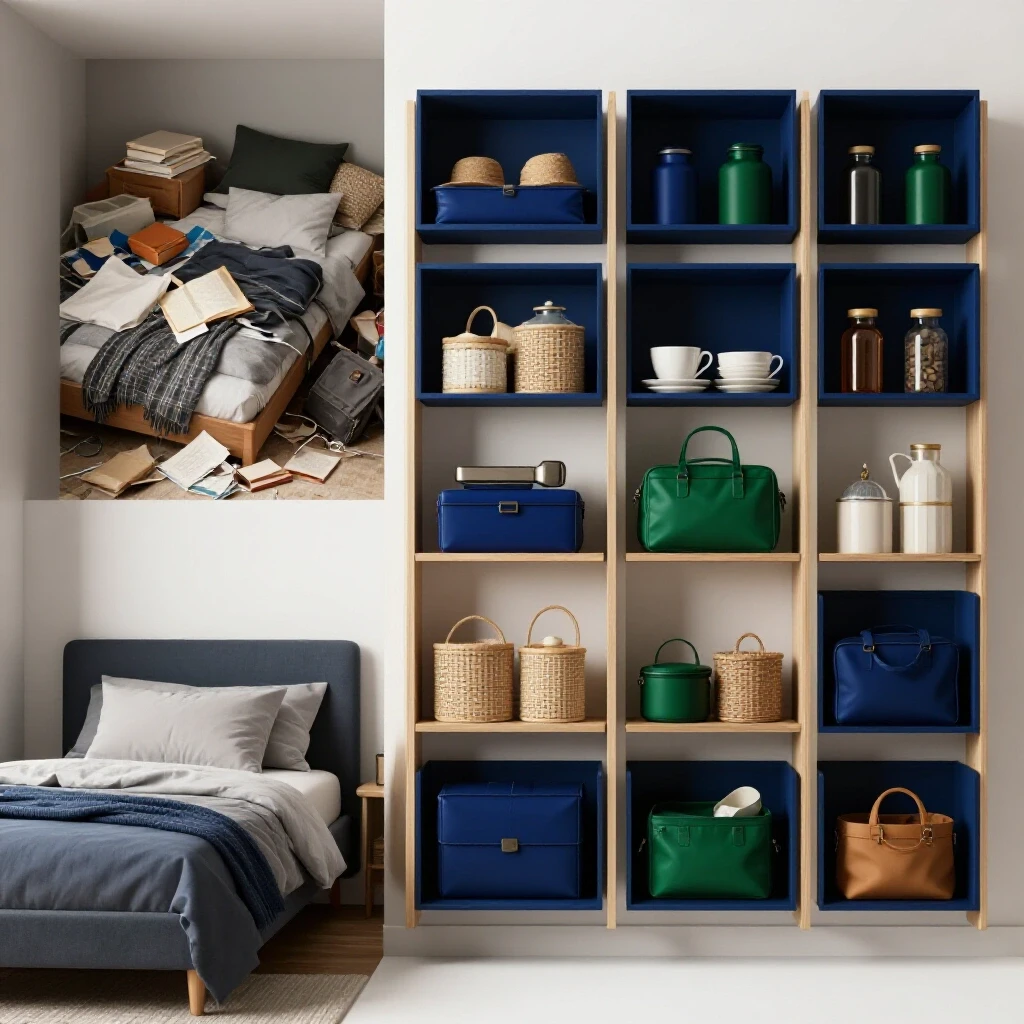
During my twelve years managing commercial facilities and upgrading my own homes, I have learned that the most effective way to reclaim space is to go vertical. Creating a floor-to-ceiling integrated organizational system is a project that demands precision, but it provides a level of utility that standard furniture cannot match. I remember my first attempt at a similar upgrade; I rushed the measuring phase and ended up with a three-eighths-inch gap at the ceiling that haunted me for years. Since then, I have relied on manufacturer technical guides and strict adherence to residential building codes to ensure every project is structurally sound and visually seamless. This guide focuses on the practical execution of a custom-fitted bedroom cabinetry and shelving system, designed for the weekend warrior who values safety and a high-quality finish.
Assessing the Structural Foundation and Wall Readiness
Evaluating the wall’s structural capacity and identifying hidden obstacles like wiring or plumbing is the first step before any assembly begins. This phase ensures that the weight of your new shelving and cabinetry will be safely supported by the home’s framing rather than just the drywall.
Before you pick up a drill, you must understand what is happening behind the paint. Most modern residential walls are constructed with wood studs spaced 16 inches apart on center. In my experience, assuming this spacing is a recipe for failure. I always use a deep-scanning stud finder to map the entire wall. You are looking for solid wood to anchor your system. If you anchor into just the drywall, the entire unit could pull away from the wall once it is loaded with books, clothing, and bins.
Beyond the studs, you must account for the National Electrical Code (NEC) requirements regarding outlet accessibility. If your new storage unit covers an existing outlet, you cannot simply bury it behind a back panel. This is a fire hazard and a code violation. You must either create a cut-out in the cabinetry to keep the outlet accessible or have a licensed professional relocate the box. I once found a charred outlet behind a previous owner’s “DIY” bookshelf because they had squeezed a power strip against a tight wooden panel, preventing heat dissipation. Always maintain at least two inches of clearance around electrical boxes for safety.
Understanding Load Distribution and Fastener Selection
Choosing the correct hardware involves matching the fastener to both the weight of the storage unit and the material of the wall studs. This ensures the system remains stable over years of daily use and prevents structural sagging or catastrophic failure.
When you are mounting heavy vertical cabinets, the shear strength of your screws is your best friend. Shear strength refers to the amount of force a fastener can withstand from the side before it snaps. For most integrated bedroom systems, I recommend #10 or #12 wood screws that penetrate the stud by at least 1.5 inches. This usually means using 3-inch screws once you account for the thickness of the cabinet backer and the half-inch of drywall.
| Component Type | Recommended Fastener | Minimum Stud Penetration |
|---|---|---|
| Base Cabinets | #10 Wood Screws | 1.5 Inches |
| Upper Shelving Rails | Heavy-Duty Toggle Bolts (if no stud) | N/A |
| Vertical Standards | #12 Wood Screws | 1.75 Inches |
| Trim and Molding | 18-Gauge Brad Nails | 0.5 Inches into frame |
Essential Tool Inventory for a Professional Finish
A curated list of hand and power tools is required to ensure the storage system is level, plumb, and securely fastened to the home’s framing. Having the right diagnostic and installation tools prevents the frustration of mid-project hardware store runs and ensures the final result is straight and sturdy.
In my facilities management career, I have seen many projects fail not because of a lack of effort, but because of a lack of the right diagnostic tools. For a project of this scale, a 4-foot level is non-negotiable. Walls are rarely perfectly vertical (plumb), and floors are almost never perfectly horizontal (level). If you start your installation on an unlevel floor without correcting it, the gap at the top will be massive by the time you reach the ceiling.
- Digital Stud Finder: Look for one with AC wire detection to avoid drilling into live circuits.
- 4-Foot and 2-Foot Levels: Used to ensure the base and vertical supports are perfectly aligned.
- Cordless Drill and Impact Driver: The drill is for boring pilot holes; the impact driver is for driving long screws into studs without stripping the heads.
- Laser Level (Optional but recommended): Projects a perfectly level line across the entire wall, making it easy to align multiple cabinet units.
- Rubber Mallet: For nudging components into place without marring the finish.
- Clamps: Essential for holding two cabinet faces together while you screw them to each other.
- Countersink Drill Bits: These bits create a recessed hole so the screw head sits flush or below the surface of the wood.
Preparing the Workspace and Dry-Fitting Components
Dry-fitting is the process of assembling the components without permanent fasteners to verify that the measurements and layout are correct. This step allows you to identify potential alignment issues caused by bowed walls or uneven floors before it is too late to make adjustments.
One of the biggest mistakes I see DIYers make is applying adhesive or driving screws the moment the materials arrive. I always perform a “dry run” first. Position your base cabinets or lower shelving units against the wall. Use shims—small, tapered wedges of wood—to level the units. If your floor slopes, you will see a gap under one side of the cabinet. Insert shims until the bubble in your level is centered.
Interestingly, walls often have a “bow” or a curve in them. If you push a straight cabinet against a bowed wall, you will see gaps at the ends or in the middle. In the facilities world, we call this “scribing.” You may need to trim the side of your cabinet or add a piece of filler trim to hide these gaps. Taking the time to dry-fit and shim your base units ensures that every subsequent layer you build on top will be straight.
Step-by-Step Installation Phases
A phased approach to mounting the base units, aligning vertical supports, and securing the final shelving components creates a cohesive and professional look. Following a logical sequence prevents the need to disassemble parts of the project to fix foundational errors.
Phase 1: Establishing the Base Line
The base units are the foundation of your entire vertical system. If these are not level, the shelves at the top will look crooked, and doors will not swing properly. Start at the highest point of your floor. Use your laser level or a long straightedge to find this spot. Set your first cabinet here and level it using shims.
Once the first unit is level and plumb, clamp the second unit to it. Ensure the face frames are perfectly flush. Drill pilot holes through the side of one cabinet into the other and join them. Only after the units are joined and leveled should you screw them into the wall studs. This “unitized” approach makes the entire structure much stronger.
Phase 2: Installing Vertical Standards and Supports
Vertical standards are the upright tracks or wooden panels that hold your shelves. If you are using a rail-based system, the top rail must be perfectly horizontal. Use your 4-foot level to verify this. For wooden side panels, ensure they are plumb in both directions—from front to back and from side to side.
In my own bedroom project, I found that one wall leaned inward by half an inch over eight feet. If I had simply pushed the side panel against the wall, the shelves would have been tilted. Instead, I used spacers behind the panel at the top to keep it perfectly vertical. This is where your plumb bob or a high-quality level becomes your most valuable asset.
Phase 3: Shelving Assembly and Load Testing
Once the vertical supports are secure, it is time to install the shelves. If you are using adjustable shelving, ensure the clips are all set to the same height. For fixed shelving, use wood glue and pocket screws for maximum durability.
Pro Tip: Never exceed the manufacturer’s weight rating for your shelving material. For example, a 3/4-inch plywood shelf spanning 36 inches can typically hold about 30 pounds per linear foot without significant sagging. If your span is wider, you will need a center support or a thicker material to prevent the “smile” effect of sagging wood.
| Activity | Active Labor Hours | Required Skill Level |
|---|---|---|
| Wall Mapping & Prep | 2-3 Hours | Beginner |
| Base Unit Leveling | 4-5 Hours | Intermediate |
| Vertical Assembly | 6-8 Hours | Intermediate |
| Finishing & Trim | 4-6 Hours | Advanced |
| Total Weekend Block | 16-22 Hours | Moderate Effort |
Troubleshooting Common Installation Hurdles
Identifying and fixing issues such as uneven floors, bowed walls, or misaligned doors can compromise the project’s finish if not addressed early. Troubleshooting requires a patient, analytical approach to ensure the structural integrity of the storage system remains intact.
One common issue is “racking,” where a cabinet or shelf unit becomes a trapezoid instead of a rectangle. This usually happens because the unit isn’t perfectly square when it’s attached to the wall. To check for squareness, measure the diagonals of the cabinet box. If the measurements are identical, the box is square. If they differ, nudge the corners until they match before tightening your wall screws.
Another frequent problem is doors that won’t close or stay shut. This is almost always a leveling issue. If the cabinet is twisted even slightly, the door hinges will be out of alignment. Before you start adjusting the hinges, go back to your level. Check the cabinet box again. Nine times out of ten, adding a thin shim under one corner of the base will solve the door alignment problem without you ever touching a screwdriver.
Safety Protocols and Code Compliance
Understanding the importance of securing heavy furniture to wall studs to prevent tip-overs and adhering to electrical clearance requirements is vital for long-term safety. Following established safety standards protects both the occupants of the home and the structural components of the room.
The Consumer Product Safety Commission (CPSC) reports thousands of injuries annually from furniture tip-overs. When building a vertical system, every single vertical component must be anchored to a structural member. Do not rely on drywall anchors for anything taller than 30 inches.
- Fastener Depth: Ensure screws penetrate at least 1.5 inches into the wood stud.
- Electrical Clearance: Maintain access to all junction boxes.
- Weight Limits: Distribute heavier items (like bins of winter shoes) at the bottom and lighter items (like hats or extra pillows) at the top.
- Material Off-gassing: If using composite woods, ensure the room is well-ventilated during the first 48 hours to allow VOCs (volatile organic compounds) to dissipate.
Final Finishing and Tool Maintenance
The final phase involves adding trim, filling nail holes, and performing a final quality check to ensure the system is ready for use. Proper tool maintenance after the project ensures your equipment remains in good working order for your next weekend upgrade.
After the structure is sound, add “scribe molding” or “caulk” to the gaps where the wood meets the wall. This hides the imperfections of your home’s construction and gives the project a “built-in” look. Use a high-quality wood filler for any visible screw holes, sand them flush, and apply a final coat of finish.
Once the sawdust has settled, don’t just toss your tools back in the garage. Clean your saw blades with a bit of resin remover and check your drill bits for dullness. I have learned that a well-maintained tool is a safe tool. Store your levels flat or hanging vertically; if they lean against a wall for months, they can actually warp, losing their accuracy.
Frequently Asked Questions
How do I know if my wall can support a full-height storage system? Most residential walls with 2×4 or 2×6 studs can easily support the weight of a storage wall if the load is distributed correctly. The key is ensuring that the primary weight-bearing components are screwed directly into the studs. If your wall is masonry (brick or block), you must use Tapcon screws or expansion anchors specifically designed for those materials.
What should I do if my studs aren’t 16 inches apart? In older homes, stud spacing can be erratic. If you cannot find a stud where you need to mount a vertical support, you can install a “ledger board” or a horizontal “cleat.” Screw this horizontal board into the available studs, and then mount your vertical components to the cleat. This transfers the load safely to the framing.
Can I build this over a carpeted floor? Yes, but you must account for the carpet’s compression. Over time, the weight of the storage system will push down on the carpet and padding. I recommend cutting away small squares of carpet where the cabinet feet or base will sit, or using extra shims to ensure the unit remains level as it settles.
How do I handle baseboard heaters or vents? You must never block a heat source. If your storage system covers a floor vent, you can purchase a “toe-kick duct kit” that redirects the air from the floor out through the bottom of the cabinet. For baseboard heaters, you must maintain the manufacturer-recommended clearances, which is usually at least 6 to 12 inches of open space above the heater.
Is it safe to use MDF for the entire structure? Medium-Density Fiberboard (MDF) is excellent for a smooth finish, but it is very heavy and prone to sagging over long spans. If you use MDF for shelving, keep the spans under 24 inches or reinforce them with a solid wood “cleat” along the front edge to provide stiffness.
How do I ensure the shelves are perfectly level across multiple sections? The best way is to use a laser level. Set the laser at the desired height, and it will project a red or green line across the entire wall. This allows you to mark the shelf pin holes or bracket locations in all sections simultaneously, ensuring a continuous horizontal line.
What is the “dry-fit” process exactly? Dry-fitting means assembling the parts without glue or permanent screws. It’s like a rehearsal. You put the pieces together to see if they fit the space. If something is too long or the wall is too crooked, you find out now, while it’s still easy to trim the wood or adjust the layout.
Do I need a permit for this project? Generally, interior non-structural cabinetry and shelving do not require a building code permit. However, if you are moving electrical outlets or plumbing lines to accommodate the storage, you will likely need a trade permit. Always check with your local building department if you are unsure.
How do I fix a shelf that has already started to sag? If a shelf is sagging, you can “stiffen” it by attaching a 1×2 piece of solid wood to the front edge. This is called a “nosing.” It acts like a beam and significantly increases the shelf’s resistance to bending. Alternatively, you can add a vertical support bracket in the center of the span.
What is the best way to hide gaps between the cabinet and a crooked wall? Use “scribe molding” or “shoe molding.” These are thin, flexible strips of wood that can be nailed to the cabinet and pushed tight against the wall to cover the gap. For very small gaps, a neat bead of paintable caulk can provide a clean transition.
How do I avoid stripping screws when driving them into hard studs? Always drill a pilot hole first. The pilot hole should be slightly smaller than the diameter of the screw threads. This removes some of the wood material, allowing the screw to enter more easily while still providing plenty of “grip” for the threads. Using an impact driver instead of a standard drill also helps prevent stripping.
How much weight can a standard bedroom storage wall hold? When properly anchored into at least three or four studs, a standard 8-foot-wide system can safely hold several hundred pounds. However, the limit is usually the individual shelves. Always check the “deflection” rating of your shelf material to ensure it won’t bend under the weight of what you plan to store.
(This article was written by one of our staff writers, Robert Callahan. Visit our Meet the Team page to learn more about the author and their expertise.)