How to Paint a Pantry for Better Organization (Step-by-Step Guide)

Refreshing a dark kitchen storage area is one of the most rewarding weekend DIY projects because it offers an immediate return on both functionality and ease of care. When surfaces are bright and smooth, finding ingredients becomes faster, and cleaning up spills requires much less effort. A well-executed coating on shelving and walls can transform a dim corner into a highly visible, organized space that feels like a custom upgrade.
In my twelve years as a facilities manager, I have overseen the maintenance of hundreds of storage closets. I have also renovated two of my own homes during my time off. I remember my first pantry project vividly; I rushed the cleaning phase and used a cheap flat paint. Within three months, the shelves were covered in dark rings from olive oil bottles and scuffs from heavy cans. The paint eventually peeled because I didn’t account for the old oil-based finish underneath. That failure taught me that a safe home repair requires more than just a brush and a bucket; it requires a systematic approach rooted in building codes and material science.
Assessing the Scope of Your Storage Refresh
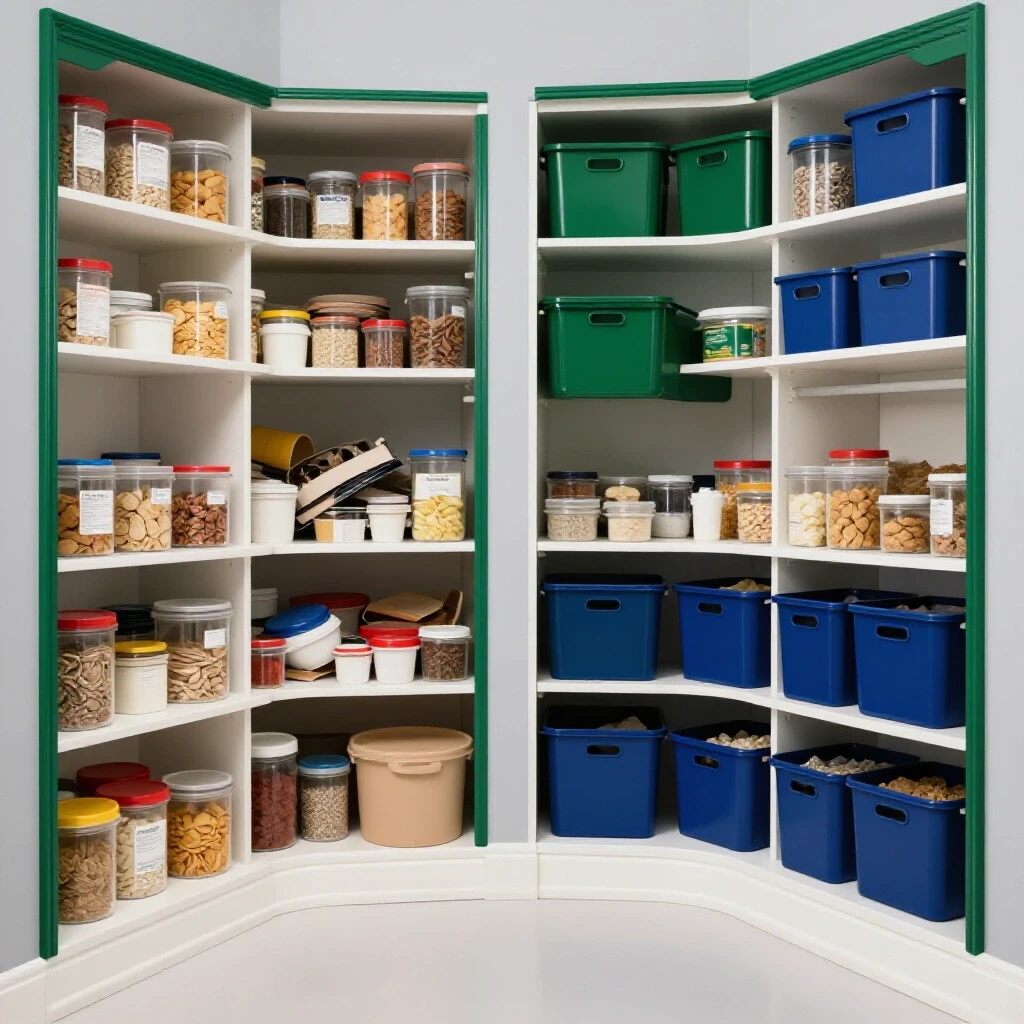
Project assessment involves evaluating the current condition of the shelving, the square footage of the walls, and the types of surfaces you need to cover. You must determine if the existing finish is oil-based or water-based and check for structural issues like sagging shelves or loose brackets. This stage helps you estimate the actual time and material costs before you commit your weekend.
Before you buy a single gallon of paint, you need a clear picture of what you are up against. Most modern kitchen pantries are built with either drywall or melamine-coated particle board. Each requires a different preparation strategy. If your home was built before 1978, you must also test for lead-based paint using an EPA-recognized kit. In my professional experience, skipping this $10 test can lead to significant health risks during the sanding phase.
| Project Phase | Estimated Active Hours | Effort Level (1-10) | Skill Level Required |
|---|---|---|---|
| Preparation & Cleaning | 3 – 4 Hours | 6 | Beginner |
| Sanding & Priming | 4 – 5 Hours | 7 | Intermediate |
| Painting (Two Coats) | 4 – 6 Hours | 5 | Beginner |
| Reassembly & Cleanup | 2 – 3 Hours | 4 | Beginner |
The total time commitment for a standard 4×4 foot walk-in pantry is approximately 13 to 18 hours. This does not include the 24 to 48 hours required for the paint to cure before you can put heavy items back on the shelves. As a busy professional, I recommend splitting this into two weekends: one for prep and priming, and one for the finish coats and reinstallation.
Safety and Environmental Standards for Interior Projects
Safety protocols protect you from chemical fumes and physical injury while working in confined spaces. This includes following OSHA ladder safety guidelines, ensuring proper ventilation to manage Volatile Organic Compounds (VOCs), and adhering to National Electrical Code (NEC) standards when working near existing outlets and light fixtures. Working in a small, enclosed pantry increases your exposure to dust and fumes, making these steps non-negotiable.
When working in small spaces, ventilation is your biggest challenge. I always set up a box fan in the nearest window or exterior door to pull air out of the kitchen. According to the National Institute for Occupational Safety and Health (NIOSH), even “low-VOC” paints can cause headaches or respiratory irritation in tight quarters. I wear a N95 respirator during sanding and a P100 respirator if I am using high-adhesion oil-based primers.
Building code compliance is equally important. If you are removing outlet covers to paint behind them, ensure the power is off at the breaker. The NEC 210.52(A) guidelines generally cover receptacle placement, but as a DIYer, your focus should be on ensuring that you do not paint over the actual electrical contacts or leave wires exposed. If you find a junction box without a cover inside your pantry, this is a code violation that should be fixed with a proper faceplate before you finish the project.
Technical Tool Selection and Material ROI
Choosing the right tools directly impacts the quality of the finish and the speed of the project. A proper inventory includes high-quality brushes for cutting in, microfiber rollers for a smooth surface, and specific primers designed to bond with existing shelf liners or old oil-based paints. Investing in the right equipment prevents the frustration of shedding brush bristles or uneven paint application.
I have found that the ROI on high-quality tools is measurable in the hours saved on rework. For a storage area upgrade, you need tools that can reach tight corners and provide a durable finish.
- Angled Sash Brush (2-inch): Essential for “cutting in” or painting the edges where the walls meet the shelves.
- Small Diameter Roller (4-inch): Often called a “hot dog” roller, this is perfect for the narrow undersides of shelves.
- TSP (Trisodium Phosphate) Substitute: A heavy-duty cleaner used to remove grease and “kitchen film” that prevents paint from sticking.
- Sandpaper (120 and 220 grit): For “scuff sanding” existing finishes to create a mechanical bond.
- Drop Cloths (Canvas, not plastic): Canvas stays in place and absorbs drips, whereas plastic is slippery and dangerous in small spaces.
- Work Light: A portable LED light is crucial because pantry lighting is often insufficient for spotting thin areas in the paint.
DIY vs. Professional Cost Analysis
| Item | DIY Cost (Estimated) | Professional Cost (Estimated) |
|---|---|---|
| Materials & Paint | $150 – $250 | Included |
| Tool Investment | $75 – $125 | Included |
| Labor | $0 (Your Time) | $600 – $1,200 |
| Total | $225 – $375 | $600 – $1,200 |
By doing this yourself, you save roughly $400 to $800. However, the “cost” is your weekend. If you are a busy professional, ensuring you have every tool on hand before you start is the only way to avoid mid-project trips to the hardware store that eat into your resting time.
Preparing the Substrate for Maximum Adhesion
Substrate preparation is the process of cleaning, sanding, and repairing the surfaces before any paint is applied. This stage is critical for ensuring the new coating does not peel or chip under the weight of heavy cans and kitchen appliances over years of daily use. In a kitchen environment, surfaces are often coated in a microscopic layer of cooking grease that will cause paint failure if not removed.
In my facilities management role, I have seen many “quick” paint jobs fail because the technician skipped the degreasing step. Start by emptying the pantry completely. Mix a solution of TSP substitute and warm water. Scrub every inch of the walls and shelving. Pay special attention to the areas where you store oils or honey, as these residues are stubborn.
Once dry, perform a “scuff sand.” You are not trying to remove the old paint; you are simply taking the shine off. This creates tiny grooves (a “profile”) for the new primer to grab onto. After sanding, use a vacuum with a brush attachment and then a tack cloth to remove every speck of dust. If you leave dust behind, your final finish will feel like sandpaper.
Selecting the Right Coating for Light Reflection
The primary goal of a visibility-focused upgrade is to increase the Light Reflectance Value (LRV) within the space. LRV is a scale from 0 (absolute black) to 100 (pure white) that measures how much light a color reflects. For a dark pantry, you want a paint with an LRV of 75 or higher. This effectively doubles the impact of your existing light fixture.
I recommend a semi-gloss or high-gloss finish for the shelves. While flat paint hides imperfections on walls, it is porous and traps stains. A semi-gloss finish is non-porous, making it “scrubbable.” When a jar of tomato sauce leaks, you can wipe it off with a damp cloth without removing the paint.
- Primer Selection: Use a high-adhesion, stain-blocking primer. If you are painting over laminate or a dark color, a shellac-based primer like Zinsser BIN is the industry standard for preventing “bleed-through” and ensuring the topcoat sticks to slick surfaces.
- Paint Type: Choose a water-based alkyd or a high-quality acrylic latex. Water-based alkyds are excellent for shelving because they dry harder than standard latex, reducing the risk of “blocking”—where items stick to the shelf even after the paint feels dry.
The Step-by-Step Execution Phase
This phase covers the actual application of primer and paint, focusing on technique and timing. It involves systematic movements from the top of the storage area down to the floor, ensuring even coverage and allowing for necessary drying intervals between each coat. Following a logical order prevents you from accidentally touching wet paint as you work.
Phase 1: Priming
Start at the top back corner of the pantry and work your way out and down. Use your angled brush to prime the corners and the joints where the shelves meet the walls. Once the edges are done, use the small roller for the flat surfaces. Do not overload the roller; thin, even coats are better than one thick, drippy coat.
Phase 2: The First Coat
Wait for the primer to dry according to the manufacturer’s technical guide. For shellac-based primers, this can be as little as 45 minutes. For water-based, it may be 2 to 4 hours. Once dry, apply your first coat of paint using the same “top-down” method. If you see “runs” (drips that look like curtains), brush them out immediately before they set.
Phase 3: The Second Coat
This is where the visibility upgrade really happens. The second coat provides the depth of color and the uniform sheen needed for light reflection. Most manufacturers recommend waiting 4 hours between coats of latex paint. Interestingly, if the humidity is above 50%, you should double that wait time. I often use a handheld moisture meter or a simple hygrometer to check the room’s conditions before starting the second coat.
| Material Type | Dry to Touch | Recoat Time | Full Cure (Hardness) |
|---|---|---|---|
| Shellac Primer | 15 Minutes | 45 Minutes | 24 Hours |
| Acrylic Latex | 1 Hour | 4 Hours | 14 – 30 Days |
| Water-based Alkyd | 2 Hours | 6 – 8 Hours | 7 – 14 Days |
Troubleshooting Common Application Errors
Even with careful planning, issues like paint runs, “flashing,” or slow drying can occur due to humidity or improper technique. Understanding how to identify these problems early allows you to correct them before the paint cures, preventing the need for a full strip-and-redo. Most errors are the result of rushing or environmental factors.
If you notice “flashing”—areas where the paint looks shinier or duller than the rest—it is usually because the paint was applied unevenly or the “wet edge” was lost. To fix this, you must wait for the coat to dry completely, lightly sand the area with 220-grit paper, and apply another thin, even coat.
Another common failure is “blocking,” which I mentioned earlier. This happens when you put heavy items back on the shelves too soon. Even if the paint feels dry to the touch, it hasn’t “cured” or reached its maximum hardness. If you put a heavy can on a shelf that hasn’t cured, the paint will bond to the bottom of the can. When you lift the can, the paint pulls off the shelf. To avoid this, I recommend waiting at least 72 hours before placing heavy items back in the pantry, even if the can says “dry in 4 hours.”
Final Clean-Up and Tool Maintenance
Proper clean-up ensures your tools last for your next weekend DIY project and prevents paint from ending up on your kitchen floors. Maintenance is not just about aesthetics; it is about preserving your investment in quality equipment. For water-based paints, clean-up is straightforward but requires thoroughness.
- Brush Cleaning: Rinse brushes in lukewarm water while using a “brush comb” to remove paint from the center of the bristles. Continue until the water runs clear.
- Roller Disposal: Unless you bought high-end professional roller covers, it is often more time-efficient to dispose of them. If you do clean them, use a roller spinner to remove excess water.
- Paint Storage: Wipe the rim of the paint can so the lid seals tightly. Store the can in a climate-controlled area, never in a garage where it might freeze. Frozen paint undergoes a chemical change that makes it unusable.
- Tape Removal: Remove painter’s tape while the paint is still slightly tacky, or use a utility knife to score the edge if the paint has dried. This prevents the tape from pulling the new paint off the wall.
Conclusion and Next Steps
Completing a storage refresh is a significant win for any busy homeowner. By focusing on high-reflectivity coatings and proper substrate preparation, you have turned a dark utility space into a bright, easy-to-maintain asset. The key takeaways are to never skip the degreasing phase, respect the curing times, and choose a finish that can withstand the rigors of a working kitchen.
Your next steps are simple: monitor the surfaces for the first month as the paint reaches full cure. Avoid sliding heavy boxes across the shelves during this time. Once fully cured, you will find that the increased visibility makes inventory management much simpler. If you enjoyed this project, consider applying the same light-reflective principles to your laundry room or coat closet to continue improving your home’s functionality.
Frequently Asked Questions
What is the best paint finish for pantry shelves?
A semi-gloss or high-gloss water-based alkyd is best. These finishes provide a hard, durable surface that is easy to wipe clean and resists “blocking,” which is when items stick to the paint.
Do I really need to sand the shelves if I use a good primer?
Yes. Sanding (or scuffing) creates a mechanical bond. Even the best “no-sand” primers perform better when the surface has been lightly abraded to remove the factory sheen.
How long do I have to wait before putting food back in the pantry?
While the paint may be dry to the touch in an hour, you should wait at least 72 hours before placing heavy items on the shelves. For maximum durability, wait 7 days if possible, as the paint takes up to 30 days to fully cure.
Can I paint over wire shelving to change the color?
It is possible, but difficult. Wire shelving is usually coated in a thick vinyl. You would need a specialized “high-adhesion” plastic primer. However, the paint is likely to chip over time due to the small surface area of the wires.
Why is my paint still tacky after two days?
This is usually caused by high humidity, applying the paint too thickly, or painting over a surface that wasn’t properly degreased. Increase airflow with a fan and give it more time to dry.
Is it safe to paint a pantry without a window?
Yes, but you must use a fan to circulate air out of the room and wear a respirator. Choose a zero-VOC or low-VOC paint to minimize the buildup of harmful fumes in the enclosed space.
How do I calculate how much paint I need for a small pantry?
Measure the square footage of the walls and shelves (length x width). A quart of paint usually covers about 100 square feet. Most pantries require one quart of primer and one to two quarts of finish paint.
Should I remove the shelves or paint them in place?
If the shelves are removable, it is always better to take them out. This allows you to paint them horizontally, which prevents drips and makes it easier to reach the back walls of the pantry.
What is LRV and why does it matter?
LRV stands for Light Reflectance Value. It measures how much light a color reflects. In a dark pantry, choosing a color with a high LRV (above 75) helps bounce light around the room, making it easier to see your items.
Can I use a regular wall paint for the shelves?
You can, but it is not recommended. Standard wall paint (especially flat or eggshell) is too soft for shelving and will scuff, stain, and peel under the weight of cans and jars.
What should I do if I find mold behind the pantry shelves?
If you find mold, you must stop and address the moisture source first. Clean the area with a bleach solution or a specialized mold killer, let it dry completely, and use a mold-inhibiting primer before painting.
Do I need to follow electrical codes if I’m just painting?
Yes. If you remove faceplates, ensure you don’t paint over the outlets themselves. If you are replacing a light fixture to further improve visibility, ensure it meets local building codes regarding “closet-rated” fixtures to prevent fire hazards.
(This article was written by one of our staff writers, Robert Callahan. Visit our Meet the Team page to learn more about the author and their expertise.)