How to Repair Cracked Tile for a Lasting Fix (Step-by-Step Guide)

In many homes, the tradition of maintaining a property is passed down through shared weekend work and the steady hum of power tools. Growing up, I watched my father meticulously tend to our family home, teaching me that a small fracture in a floor doesn’t always require a sledgehammer and a week of chaos. As a facilities manager with 12 years of experience, I have seen how a minor hairline crack in a high-traffic lobby can quickly become a trip hazard or a collection point for grime if ignored. In my own first home, a dropped cast-iron skillet left a jagged mark across a ceramic kitchen tile. Rather than ripping out the entire floor—a task my busy schedule simply wouldn’t allow—I turned to specialized fillers and resins to stabilize the area. This approach saved me hundreds of dollars and several days of labor, proving that a targeted, code-compliant fix is often the most efficient path for a busy professional.
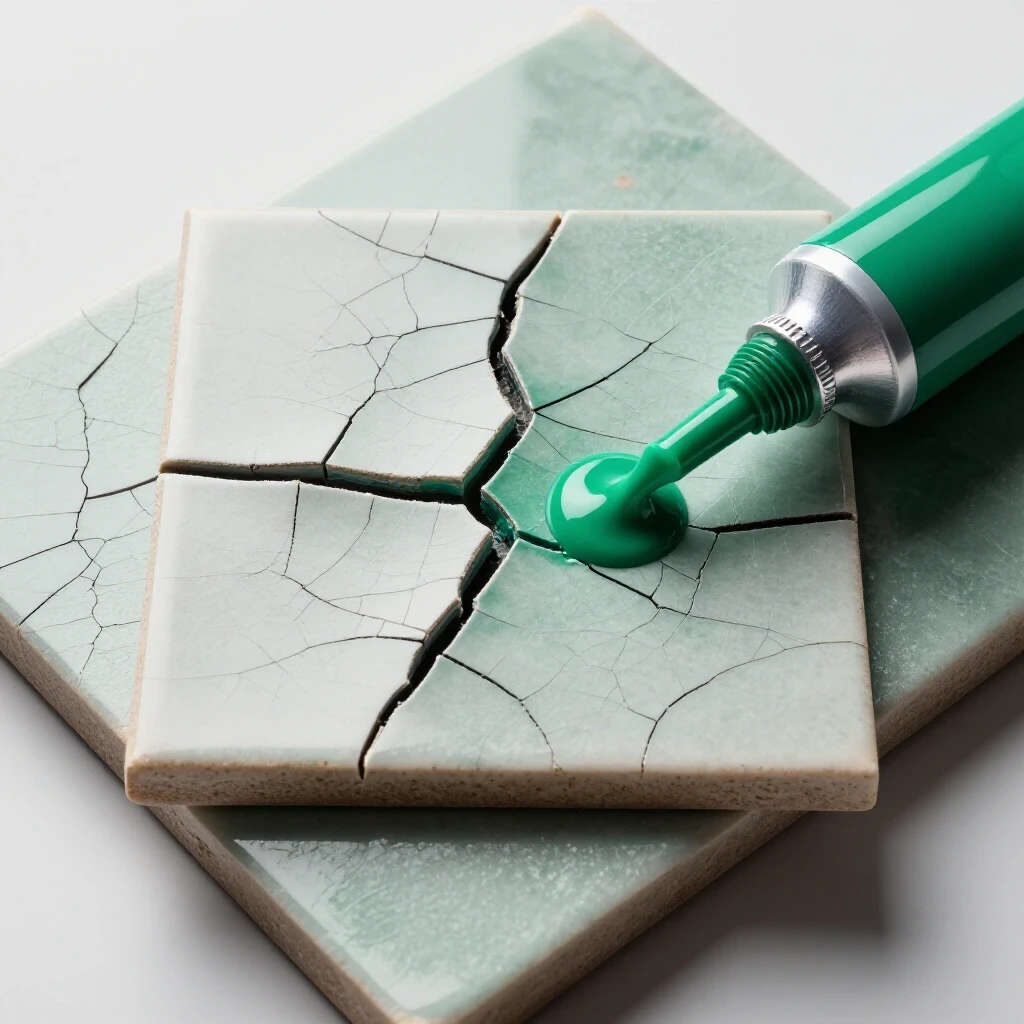
Assessing the Scope of Surface Fracture Stabilization
Stabilizing a fractured tile involves identifying the type of crack and determining if the surrounding material is still bonded to the floor. This phase ensures that the filler material will adhere properly and that the repair will withstand the foot traffic of a busy household.
Before you touch a single tool, you must understand what you are looking at. In the world of facilities management, we categorize surface issues to determine the best course of action. For a residential DIY home improvement project, you are looking for “static” cracks—those that aren’t shifting or crumbling. If the tile pieces are loose or clicking when you step on them, the bond to the substrate has failed. However, if the tile is still firmly stuck but has a visible “spider web” or “hairline” fracture, a surface-level seal is the ideal solution.
I once spent an entire Saturday morning trying to fill a crack in a bathroom tile, only to realize the tile was actually “tenting” because of a lack of expansion joints. I learned the hard way that you cannot fix a moving target. Always perform a “tap test” using the handle of a screwdriver. A hollow sound means the tile has detached from the mortar. A solid thud means you are clear to proceed with a surface-level upgrade.
| Repair Metric | Estimated Value |
|---|---|
| Total Active Labor Time | 2 – 4 Hours |
| Total Curing Time | 12 – 24 Hours |
| Skill Difficulty | 3/10 (Beginner-Intermediate) |
| Material Cost Range | $30 – $70 |
| Expected Durability | 3 – 5 Years |
Essential Equipment for Surface Stabilization
A successful weekend DIY project relies on having the correct tools staged and ready before the first mix of adhesive begins. This list focuses on high-quality fillers and safety gear that meet residential maintenance standards for durability and user protection.
When I manage repairs in a commercial facility, we never start a job without a complete inventory. For home repairs, you don’t need a massive workshop, but you do need precision. You will be working with chemicals like epoxy or specialized resins, so ventilation and skin protection are non-negotiable.
- Two-Part Clear Epoxy or Resin: This is your primary bonding agent. Look for a “5-minute” or “10-minute” set time to allow for enough workability without waiting hours for it to tack up.
- Oil-Based Paint Pens or Pigment Kits: These are used to tint the filler to match your specific tile color.
- Isopropyl Alcohol (90% or higher): Essential for cleaning the fracture site to ensure a chemical bond.
- Plastic Spatulas or Putty Knives: Metal tools can scratch the surrounding glaze; plastic is safer for beginners.
- Microfiber Cloths: For wiping away excess filler without leaving lint behind.
- Nitrile Gloves and Safety Glasses: Protects against skin irritation from resins and eye injury from debris.
- Painter’s Tape (Low-Tack): Used to mask off the surrounding tiles to prevent messy overspread.
Material Selection: Epoxy vs. Grout Fillers
Choosing the right filler depends on the width of the crack and the finish of your tile, as different materials offer varying levels of flexibility and color-matching capabilities. Understanding the chemistry of these binders ensures the repair doesn’t pop out after a month of use.
For very thin hairline fractures, a high-viscosity clear epoxy is often the best choice. It flows deep into the crack, effectively “welding” the sides back together. If you are dealing with a wider gap, a sanded or unsanded grout caulk might be more appropriate, though it lacks the structural strength of resin.
In my experience, modern epoxy systems are the gold standard for safe home repairs because they are non-porous once cured. This means they won’t absorb mop water or bacteria. When consulting manufacturer technical guides, I always look for the “Shore D Hardness” rating. A higher rating means the material is more resistant to indentation, which is crucial if you have heavy furniture or high heels walking over the repaired area.
- Epoxy: Best for ceramic and porcelain; high strength; requires color tinting.
- Grout Pen/Filler: Best for very shallow surface scratches; easy to apply; lower durability.
- Acrylic Resin: Good for natural stone; UV resistant; stays slightly flexible.
Step-by-Step Execution for Sealing Fractures
Executing a clean repair requires a methodical approach that prioritizes surface preparation and incremental application of the filler material. This process ensures that the fix is flush with the tile surface and blends naturally with the existing floor pattern.
Phase 1: Site Preparation and Cleaning
The biggest cause of failure in DIY home upgrades is poor adhesion due to hidden oils or dust. Start by vacuuming the crack using a crevice tool to pull out any loose grit. Next, soak a cotton swab in isopropyl alcohol and run it through the fracture. This removes any wax or floor cleaner residue. Let it dry for at least 15 minutes.
Phase 2: Masking the Work Area
Apply painter’s tape about 1/16th of an inch away from the edges of the crack. This creates a “safe zone” for your filler. If you accidentally over-apply the epoxy, it will land on the tape rather than the surrounding tile. This step is a hallmark of professional facility maintenance; it saves hours of cleanup time later.
Phase 3: Mixing and Tinting
If you are using a two-part epoxy, mix it on a disposable paper plate or a piece of cardboard. Add your pigment one tiny drop at a time. Remember, it is much easier to darken a light mixture than to lighten a dark one. Aim for a shade slightly lighter than the tile, as many resins darken slightly as they cure.
Phase 4: Application and Leveling
Using your plastic spatula, press the filler into the crack. Do not just smear it over the top; you want to force it down into the void to create a structural bond. Once filled, run the edge of the spatula across the crack at a 45-degree angle to scrape away the excess. The filler should be perfectly flush with the tile surface.
Blending and Finishing Techniques
Achieving a visually seamless result requires attention to detail during the final stages of the application, specifically focusing on texture and sheen. This ensures the repair does not catch the light differently than the rest of the floor.
Once the filler is applied, you have a small window of time before it hardens. If your tile has a matte finish, you can lightly dab the wet epoxy with a dry sponge to take the shine off. For glossy tiles, leave the epoxy undisturbed to cure to a high-sheen finish.
Interestingly, many people forget about the grout lines. If the crack extends through a grout joint, do not use epoxy there. Instead, use a matching grout repair compound. Mixing materials might seem tedious, but it follows building code logic for allowing slight movement between rigid surfaces. A rigid epoxy in a grout joint will often crack again within weeks due to thermal expansion.
| Step | Action | Time Required |
|---|---|---|
| Prep | Clean with Alcohol | 10 Minutes |
| Mask | Tape off Crack | 5 Minutes |
| Mix | Blend Epoxy/Tint | 5 Minutes |
| Apply | Fill and Level | 15 Minutes |
| Cure | Do Not Step On | 12 – 24 Hours |
Post-Project Maintenance and Cleanup
Proper cleanup and a structured curing window are vital for ensuring the longevity of the repair and maintaining the safety of the household. This final stage transitions the project from a work-in-progress back to a functional part of the home.
After you have leveled the filler, carefully peel back the painter’s tape while the material is still slightly tacky. Pulling the tape at a sharp angle away from the repair helps create a clean, crisp edge. If you wait until the epoxy is fully hardened, the tape might tear or pull the filler out of the crack.
In my years managing building facilities, I’ve found that “premature loading” is the second most common reason for repair failure. Even if the epoxy feels hard to the touch after an hour, it hasn’t reached its full chemical strength. Keep pets and children away from the area for at least 12 hours. I usually place a laundry basket or a small chair over the spot as a physical reminder to stay off.
- Cleanup: Use alcohol to clean your tools immediately.
- Disposal: Dispose of mixed epoxy according to local waste regulations; never pour it down the drain.
- Inspection: After 24 hours, check the repair. If it has shrunk or “divoted,” you can apply a second, thin “glaze” coat of clear resin.
Troubleshooting Common Repair Hurdles
Even with a solid plan, variables like temperature and humidity can affect how materials behave during weekend DIY projects. Being prepared for these minor setbacks prevents a small mistake from turning into a major frustration.
One common issue is the filler “shrinking” as it cures, leaving a slight depression. This often happens if the crack was deep and the material was applied too quickly. If this occurs, simply clean the surface with alcohol again and add a tiny bit more filler to bring it back to level.
Another frequent problem is a color mismatch. If the cured epoxy looks too dark, you can lightly sand the surface with 1200-grit sandpaper (wet) to dull the color, then buff it back to the desired sheen. This level of detail is what separates a sloppy patch from a high-quality home upgrade. Always check the manufacturer’s specs for the minimum application temperature; if your house is below 60°F, the epoxy may take twice as long to cure or may remain tacky indefinitely.
Conclusion and Next Steps
Taking the time to stabilize a surface fracture is a rewarding way to maintain your home’s value without the stress of a full renovation. By following these steps, you are applying the same rigorous standards used in professional facility management to your own living space. Your next step is to perform a walk-through of your tiled areas and identify any spots that need attention. Gather your materials, check the weather for a low-humidity weekend, and give your floors the durable, cosmetic update they deserve.
Frequently Asked Questions
Can I use super glue instead of epoxy for thin cracks?
Super glue (cyanoacrylate) is generally too brittle for floor tiles. While it may fill the gap initially, the vibrations from walking and the natural expansion of the house will cause it to shatter and pop out. A two-part epoxy or a specialized stone resin is much more durable and flexible.
How do I match the color of a multi-colored stone tile?
For stone with variegation, do not mix one solid color. Instead, apply a base color that matches the lightest part of the stone. While it is still wet, take a toothpick and swirl in a tiny amount of a darker pigment to mimic the natural “veining” of the tile.
Is this repair method safe for shower walls?
Yes, but you must ensure the filler is waterproof. Most two-part epoxies are naturally waterproof once cured. However, you must be extremely diligent with the initial cleaning phase to ensure no moisture is trapped behind the repair, which could lead to mold growth.
What if the crack is wider than 1/8th of an inch?
For wider gaps, you should use a “thickened” epoxy or a polyester-based stone filler. These materials have a paste-like consistency that won’t slump or run out of the crack before it hardens.
Will the repair be visible to guests?
If done correctly, the repair should be invisible from a standing height. Up close, you may see a slight difference in texture, but by matching the color and sheen, you can make the fracture disappear into the overall pattern of the floor.
Can I mop the floor immediately after the repair?
No. You should wait at least 24 to 48 hours before using any liquid cleaners on the repaired area. Moisture can interfere with the final hardening process of the resin, leading to a cloudy or soft finish.
Does this fix meet local building codes?
Surface cosmetic repairs generally do not fall under strict building code inspections like electrical or plumbing work. However, ensuring the repair is flush with the floor prevents it from becoming a “trip hazard,” which is a key safety standard in both residential and commercial settings.
What is the best way to remove excess epoxy if it dries on the tile?
If epoxy dries where it shouldn’t, do not try to scrape it with a metal blade, as you will scratch the glaze. Use a plastic scraper and a bit of heat from a hair dryer to soften the resin, then carefully peel it away.
How long will this repair actually last?
In a typical residential setting, a high-quality epoxy repair can last 3 to 5 years or longer. Its lifespan depends on the amount of foot traffic and how often the floor is cleaned with harsh chemicals.
Can I use this method on outdoor patio tiles?
Outdoor tiles require a UV-stable resin. Standard indoor epoxies will yellow and become brittle when exposed to direct sunlight. Look for “exterior grade” or “non-yellowing” clear resins for any outdoor applications.
(This article was written by one of our staff writers, Robert Callahan. Visit our Meet the Team page to learn more about the author and their expertise.)