How to Build a Fold-Down Desk for Small Spaces (DIY Guide)

Leaving a lasting impression on a home often comes down to how well the living space serves its occupants. In my 12 years as a facilities manager, I have learned that the most effective upgrades are those that solve a specific problem without consuming the very room they are meant to improve. When you are working within a footprint under 500 square feet, every inch of floor space is a premium asset. Creating a collapsible wall-mounted surface allows a room to transition from a productive hub during the day to an open, breathable living area in the evening.
In my first home, I attempted a similar project using standard drywall anchors and lightweight hinges. Within three weeks, the surface began to sag, and the anchors eventually pulled through the gypsum board, leaving unsightly holes and a damaged wall. That failure taught me the importance of mechanical fastening into structural members and the necessity of choosing materials based on shear strength rather than just aesthetics. This guide focuses on a robust, code-compliant approach to adding a functional surface to your wall that stays secure and level.
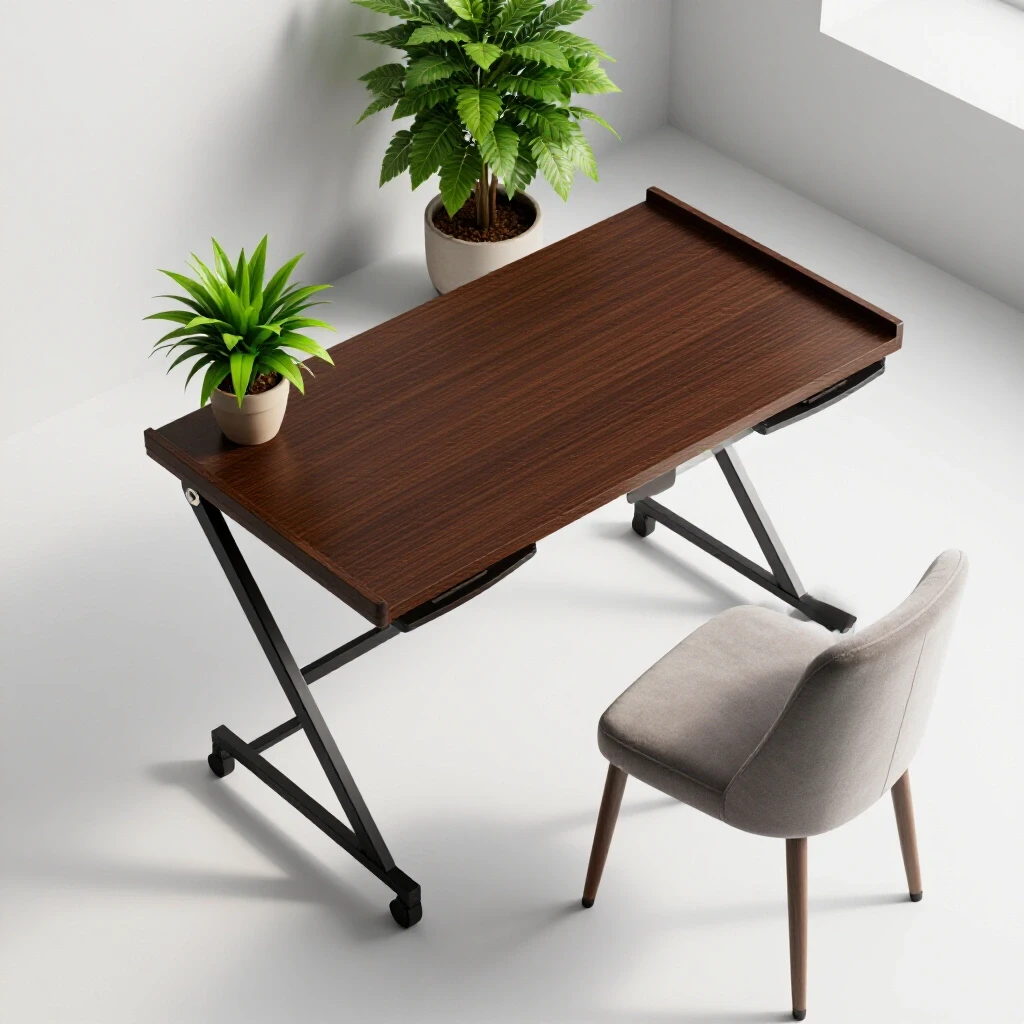
Evaluating Your Environment for a Collapsible Surface
Selecting the right location involves more than just finding an empty patch of wall; it requires an assessment of structural support and traffic flow. You must ensure the chosen area can handle the weight of the materials and the pressure of daily use without obstructing pathways.
In a small apartment or home, a wall-mounted unit must be positioned so it does not interfere with door swings or narrow corridors. According to standard residential accessibility guidelines, a clear floor space of at least 30 by 48 inches is recommended in front of a work surface. Before you buy materials, use painter’s tape to outline the dimensions of the proposed top on the wall. This visual aid helps you realize if the unit will block a walkway or hit a piece of furniture when it is in the down position.
Building on this, you must identify the “bones” of your wall. Most residential interior walls use wood studs spaced 16 inches apart on center. For a secure installation, your brackets must be driven directly into these studs. Using a stud finder is non-negotiable here. Relying on drywall anchors for a cantilevered load—where the weight pulls away from the wall—is a recipe for structural failure.
Understanding Weight Distribution and Leverage
Leverage is the primary force at play when you mount a folding surface. The further the edge of the board extends from the wall, the more stress it places on the top screws of your brackets.
Interestingly, a 20-inch deep surface acts as a lever arm. If you lean on the outer edge, you are multiplying the force applied to the wall fasteners. To account for this, I recommend using hardware rated for at least double the weight you expect the surface to hold. For a standard laptop and some paperwork, a bracket set rated for 100 pounds provides a necessary safety margin.
| Project Metric | DIY Estimate | Professional Estimate |
|---|---|---|
| Material Cost | $75 – $95 | $150 – $200 |
| Labor Cost | $0 (Weekend Project) | $250 – $400 |
| Time Investment | 5 – 7 Hours | 2 – 3 Hours |
| Skill Level | Intermediate | Professional |
| Tool Investment | $50 (if starting from zero) | N/A |
Essential Tool Inventory and Material Selection
Having the right tools on hand prevents the frustration of mid-project hardware store runs. For this specific upgrade, precision and fastener strength are the two most important factors for success.
- Cordless Drill/Driver: A 12V or 18V drill is essential for pre-drilling holes and driving 2.5-inch wood screws into wall studs.
- Torpedo Level: A small level (9 to 12 inches) ensures your mounting brackets are perfectly vertical and the surface is horizontal.
- Stud Finder: An electronic or magnetic stud finder is required to locate the center of the vertical framing members.
- Circular Saw or Jigsaw: If you are cutting your own plywood, a saw with a fine-tooth blade will minimize splintering.
- Measuring Tape: A standard 25-foot tape for marking height and width.
- Safety Glasses: Essential when drilling into drywall or wood to prevent debris from entering your eyes.
- Sandpaper (120 and 220 grit): To smooth the edges of the plywood and prepare the surface for a finish.
For materials, I suggest 3/4-inch Birch or Maple plywood. Avoid particle board or thin MDF, as these materials do not hold screws well under the vibration of daily use. You will also need a pair of heavy-duty folding shelf brackets. Look for models that feature a locking mechanism to prevent the desk from accidentally collapsing if bumped from below.
Why Material Thickness Matters for Stability
Choosing 3/4-inch plywood provides the structural rigidity needed to prevent the surface from bowing over time. While 1/2-inch material is lighter and cheaper, it often lacks the density to hold the short screws used to attach the brackets to the underside of the wood.
As a result, using thicker material ensures that the screws have enough “bite” to stay secure. If you use screws that are too long, they will poke through the top of your workspace. If they are too short, the desk might detach from the brackets. A 5/8-inch wood screw is typically the sweet spot for 3/4-inch plywood, allowing for a deep grip without breaching the top surface.
Step-by-Step Execution of the Folding Workspace
Executing this project requires a systematic approach to ensure the final product is both level and safe. Rushing the measuring phase is the most common cause of a slanted or wobbly surface.
Phase 1: Preparing the Plywood Surface
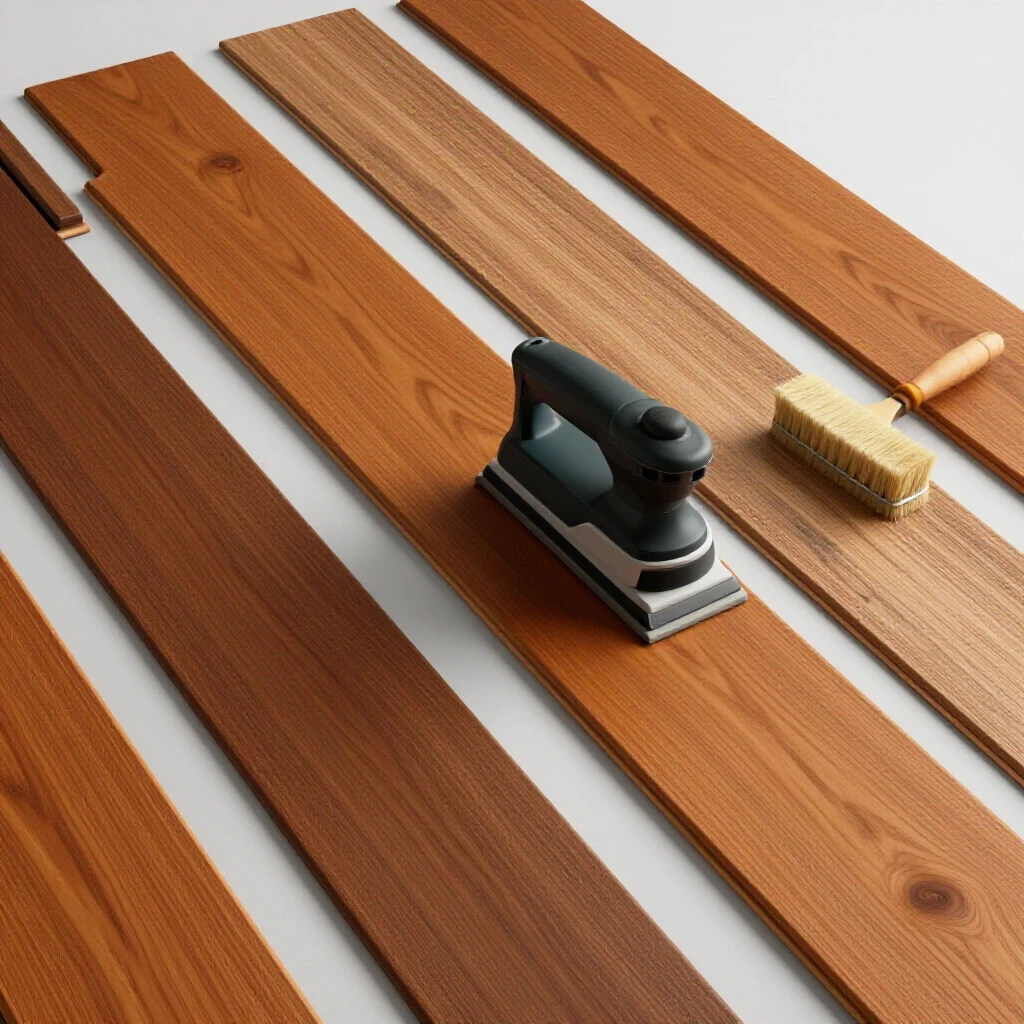
Start by cutting your plywood to size. For a small room, a width of 30 inches and a depth of 18 to 20 inches is usually sufficient for a laptop and mouse. Once cut, sand the edges thoroughly. I always start with 120-grit sandpaper to remove the rough saw marks and finish with 220-grit for a smooth touch.
Building on the preparation, you should slightly round the front corners. Sharp 90-degree corners in a tight 500-square-foot space are “hip-bruisers.” Use a small jar or a roll of tape as a template to draw a curve, then trim it with a jigsaw and sand it smooth.
Phase 2: Locating and Marking Studs
Use your stud finder to locate two adjacent studs in your desired work area. Once you find the edges, mark the center of each stud with a pencil. Most homes have studs spaced 16 inches apart, which is an ideal distance for supporting a 30-inch wide board.
Measure from the floor to your desired height. A standard desk height is 28 to 30 inches. Remember to subtract the 3/4-inch thickness of your plywood from your bracket mounting height so the final top surface sits at your target level. Use your level to draw a light horizontal line across the two stud marks to ensure the brackets will be even.
Phase 3: Mounting the Brackets to the Wall
Hold the first bracket up to your mark. Pre-drill a pilot hole into the stud using a bit that is slightly smaller than the diameter of your 2.5-inch wood screws. Pre-drilling is a critical step; it prevents the wood stud from splitting and makes driving the screw much easier.
Drive the top screw in but do not tighten it completely. Use your level to ensure the bracket is plumb (perfectly vertical) before drilling the second hole and driving the bottom screw. Repeat this process for the second bracket. Once both are up, place your level across the tops of both brackets to verify they are perfectly aligned with each other.
Phase 4: Attaching the Top Surface
Lay your plywood top across the extended brackets. Center it so there is an equal overhang on both the left and right sides. From underneath, mark the holes where the screws will go into the wood.
Remove the board and pre-drill shallow pilot holes at your marks. Be extremely careful not to drill all the way through the plywood. I often wrap a piece of painter’s tape around my drill bit as a depth gauge. Finally, place the board back on the brackets and secure it with 5/8-inch wood screws.
| Tool Category | Essential | Optional | Purpose |
|---|---|---|---|
| Stud Finder | X | Locating structural support | |
| Power Drill | X | Driving fasteners and pre-drilling | |
| Laser Level | X | Ensuring long-distance alignment | |
| Clamps | X | Holding board during marking | |
| Speed Square | X | Checking 90-degree angles |
Safety Protocols and Code Compliance
While a small furniture project might not require a building permit, following basic safety and construction standards ensures the installation doesn’t become a hazard. The National Forest Products Association provides guidelines on fastener withdrawal loads that are relevant here.
- Fastener Penetration: To achieve maximum holding power, a screw should penetrate the structural stud by at least 1.5 inches. With 1/2-inch drywall and a bracket flange, a 2.5-inch screw is the minimum safe length.
- Avoid Electrical Lines: Studs often house electrical wires. When drilling, if you feel the drill bit hit something hard that isn’t wood, stop immediately. It could be a metal nail plate protecting a wire or pipe.
- Clearance Margins: Ensure the folding mechanism has at least 1/2 inch of clearance from the wall when retracted to avoid pinching fingers or scratching the paint.
Building code compliant DIY work also means considering the weight of what you put on the shelf. These units are designed for light office work, not for sitting or standing. If you have children in the house, ensure the locking mechanism is engaged at all times when the desk is up to prevent it from collapsing if they pull on it.
Troubleshooting Common Installation Failures
Even with careful planning, issues can arise during assembly. Most problems stem from uneven walls or “sistered” studs that aren’t perfectly straight.
If the surface isn’t level from front to back, the wall itself might be bowed. You can fix this by placing thin wooden shims behind the bracket before tightening the screws. If the brackets are difficult to lock into place, they might be slightly misaligned. Loosen the wall screws a quarter turn, adjust the bracket position, and retighten.
Another common failure is the “pull-out” effect. This happens if you miss the center of the stud and the screw only catches the edge of the wood. If the bracket feels “mushy” or loose when you tighten the screw, back it out and use your stud finder to re-verify the center of the wood member.
Managing Plywood Expansion and Contraction
Wood is a natural material that reacts to changes in humidity. In a small, 500-square-foot apartment, humidity can spike during cooking or showering.
As a result, you might notice the plywood top slightly warping over several months. To prevent this, apply a clear polyurethane or a furniture-grade wax to all sides of the wood, including the bottom and edges. This seals the wood pores and slows the absorption of moisture, keeping your workspace flat and stable for years.
Final Testing and Maintenance Schedule
Once the installation is complete, perform a graduated load test. Start by placing a few books on the surface and checking for any movement at the wall brackets. Gradually increase the weight to about 40 pounds. If you hear any cracking or see the brackets pulling away from the drywall, the fasteners are not properly seated in the studs.
For long-term maintenance, check the tightness of the screws every six months. The vibrations from typing and moving the desk up and down can occasionally loosen hardware. A quick turn with a screwdriver ensures everything remains rock solid.
- Check Hinge Lubrication: If the folding mechanism squeaks, apply a small drop of silicone-based lubricant to the pivot points.
- Surface Cleaning: Use a damp microfiber cloth. Avoid harsh chemicals that can strip the wood finish.
- Visual Inspection: Look for any hairline cracks in the plywood near the screw holes.
Knowing When to Call a Professional
While this project is manageable for most DIYers, certain wall types require specialized expertise. If your walls are made of lath and plaster (common in homes built before 1950) or solid masonry/concrete, the mounting process is significantly more complex.
Plaster can crumble when drilled, and masonry requires hammer drills and specialized sleeve anchors. If you are uncomfortable working with these materials, or if you suspect there is plumbing or a main electrical panel directly behind the wall you’ve chosen, hiring a handyman for a two-hour consult is a wise investment. It is far cheaper to pay for professional installation than to repair a punctured water line or a shorted electrical circuit.
Project Planning Checklist
- [ ] Measure the wall space and verify it is under the 500 sq ft room constraint.
- [ ] Purchase 3/4″ Birch plywood and heavy-duty locking brackets.
- [ ] Locate and mark the center of two wall studs.
- [ ] Pre-drill pilot holes for all wall fasteners.
- [ ] Mount brackets using 2.5″ wood screws.
- [ ] Level the brackets horizontally and vertically.
- [ ] Attach the plywood top with 5/8″ screws, ensuring no pass-through.
- [ ] Sand and seal the wood to prevent moisture warping.
- [ ] Perform a load test with 40 lbs of weight.
By following these steps, you create a dedicated workspace that respects the limitations of a small home. The satisfaction of a well-executed weekend project comes from the blend of utility and safety, providing a professional-grade result without the professional-grade price tag.
Frequently Asked Questions
What is the best height for a wall-mounted folding surface?
The standard height for a comfortable typing surface is between 28 and 30 inches from the floor. However, if you are taller or shorter than average, you can customize this. Sit in your preferred chair and measure the distance from the floor to your elbows; this is your ideal ergonomic height.
Can I install this on a metal stud wall?
Metal studs, common in newer high-rise apartments, require different fasteners. You cannot use standard wood screws. Instead, you must use heavy-duty toggle bolts or specialized metal stud screws. Note that metal studs are thinner and may require a plywood “backer board” to distribute the weight across a larger area.
How much weight can a 3/4-inch plywood desk safely hold?
When properly mounted into two wooden studs with heavy-duty brackets, a 30-inch wide desk can safely hold 50 to 80 pounds. While the brackets may be rated for more, the limiting factor is often the wood grain of the plywood and the leverage applied to the wall fasteners.
Do I need to finish the wood, or can I leave it raw?
It is highly recommended to finish the wood. Raw plywood absorbs oils from your skin and moisture from the air, which leads to staining and warping. A simple wipe-on poly or a water-based sealer is easy to apply and dries within a few hours.
What if my studs are not 16 inches apart?
In some older homes or near corners, stud spacing can be irregular. If your studs are 24 inches apart, you may need a wider piece of plywood to reach both supports. If they are too far apart for your desired desk width, you can mount a horizontal 1×4 “ledger” board to the studs first, then mount the brackets to that ledger.
Will the brackets damage my paint?
The back of the brackets will press against the wall. Over time, this can leave a slight mark or “stuck” paint. To prevent this, you can apply a small piece of painter’s tape or a thin felt pad to the back of the bracket flange before screwing it into the wall.
Can I use a solid wood board instead of plywood?
Yes, solid wood like oak or pine works well, but it is more prone to “cupping” or twisting than plywood. Plywood is engineered in layers with alternating grain directions, which makes it much more stable for a flat workspace.
How do I prevent the desk from falling if the lock fails?
Always choose brackets with a manual locking pin or a spring-loaded lever. Before putting your laptop on the desk, give the surface a firm downward tug to ensure the locks have fully engaged.
What should I do if I accidentally drill into a wire?
If you suspect you’ve hit a wire—indicated by a spark, a tripped breaker, or a visible copper strand—stop immediately. Turn off the power at the main breaker panel and call an electrician. Do not attempt to patch the wall or continue the project until the wiring has been inspected and repaired.
Is one bracket enough for a very small desk?
No. Even for a small 12-inch surface, a single bracket creates a pivot point that allows the board to spin or tilt. Always use at least two brackets to ensure lateral stability and to distribute the load across multiple wall studs.
(This article was written by one of our staff writers, Robert Callahan. Visit our Meet the Team page to learn more about the author and their expertise.)