How to Fix a Loose Stair Tread for Safety (Step-by-Step Guide)

Every time you walk up your basement stairs, that sharp, unsettling “clack” signals a board that has lost its grip. As a facilities manager, I know that a small rattle today is a trip hazard tomorrow. In my 12 years of maintaining both commercial properties and two of my own homes, I have learned that ignoring a wobbly step is an invitation for a fall. Most homeowners wait until the movement is obvious, but the best time to act is the moment you feel a slight “give” under your foot. This guide is designed to help you secure those moving parts safely and effectively over a single weekend.
Assessing the Structural Integrity of Your Interior Steps
Evaluating the structural integrity of your steps involves identifying movement, locating the source of squeaks, and determining if the tread or riser is the primary culprit behind the instability. This diagnostic phase ensures you apply the correct fix rather than just guessing where the problem lies.
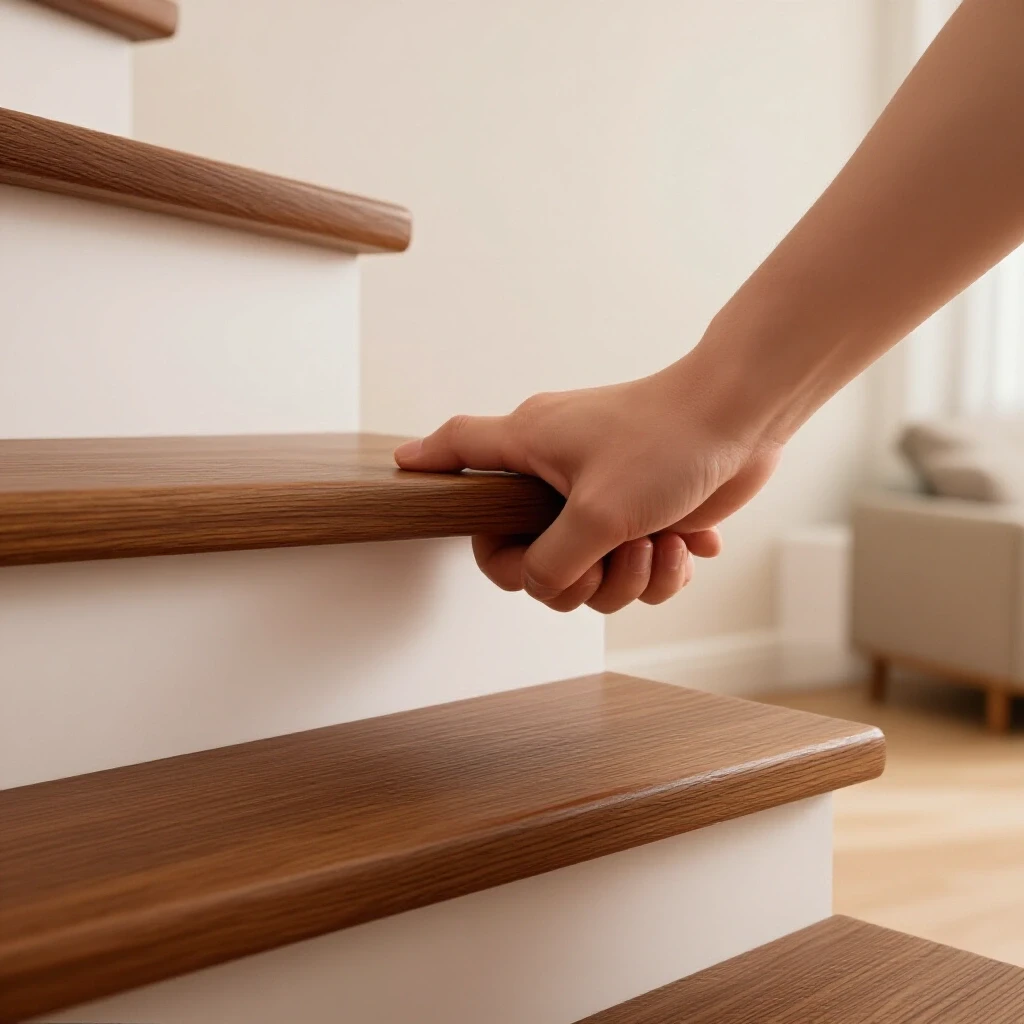
When I first started working on my 1940s colonial, the stairs felt like a trampoline. I realized that the wood had shrunk over decades, creating gaps between the horizontal tread and the vertical riser. To diagnose this, I use a “weight-shift test.” Stand on the suspect board and shift your weight from your toes to your heels. If the board tips forward, the front edge is loose. If it squeaks but doesn’t move much, the friction is likely between the tread and the stringer—the saw-toothed support beams on the sides.
According to the International Residential Code (IRC) R311.7.5, stair treads must be structurally sound and maintain consistent dimensions. A loose board isn’t just annoying; it can technically take your staircase out of code compliance if the movement creates a height variance of more than 3/8 of an inch between steps. Before you grab your drill, clear the area and ensure you have a secondary way to move between floors, as you will need to keep traffic off the stairs during the curing process.
Planning Your Weekend Stair Maintenance Project
Effective project planning requires a realistic look at the time needed for preparation, execution, and finishing, ensuring you don’t leave a staircase unusable during a busy work week. Mapping out your timeline prevents the frustration of a half-finished project when Monday morning rolls around.
I usually schedule these tasks for a Saturday morning. This allows the adhesive to cure overnight while the household is asleep. Below is a realistic breakdown of what to expect based on my experience with similar residential upgrades.
| Phase | Active Time | Wait Time | Difficulty (1-10) |
|---|---|---|---|
| Inspection & Prep | 45 Minutes | N/A | 2 |
| Fastening & Reinforcing | 2 Hours | N/A | 5 |
| Adhesive Application | 30 Minutes | 12-24 Hours | 3 |
| Finishing & Sanding | 1 Hour | 2 Hours (Dry time) | 4 |
Total DIY Cost: $40 – $70 (Assuming you own basic tools) Professional Labor Savings: $250 – $500
By doing this yourself, you aren’t just saving money; you are ensuring the job is done with the attention to detail that a rushed contractor might skip. I’ve seen pros just “toe-nail” a board back in place, which only lasts a few months before the squeak returns.
Essential Inventory for Securing Wooden Steps
Having the right tools on hand prevents mid-project hardware store runs; this includes high-quality fasteners, wood glue, and specific hand tools designed for tight spaces. Using the wrong screw or a cheap adhesive is the most common reason these repairs fail within the first year.
In my tool kit, I prioritize “pulling power.” You need fasteners that will draw the wood together, not just sit inside it. Here is my recommended list for a professional-grade result:
- Cordless Drill and Impact Driver: Use the drill for pilot holes and the impact driver for driving screws without stripping the heads.
- Countersink Bit: This creates a recessed hole so the screw head sits below the wood surface.
- Trim Head Screws: These have very small heads that are easy to hide with wood filler.
- Structural Wood Glue (PVA): Look for a “Type II” or “Type III” water-resistant glue for longevity.
- Wood Shims: Thin wedges used to fill gaps where the wood has shrunk.
- Rubber Mallet: For tapping boards into place without marring the finish.
- Basic Safety Gear: Safety glasses and knee pads are non-negotiable for this task.
I once tried to use standard drywall screws for a stair fix. They are brittle and snapped under the weight of a person walking. Always use screws rated for wood-to-wood structural connections.
Step-by-Step Guide to Eliminating Step Movement
This systematic approach focuses on non-invasive methods to tighten the connection between the tread and the stringer, using both mechanical fasteners and structural adhesives for long-term stability. This process works for most standard wooden staircases found in modern homes.
Step 1: Locate the Friction Points
Have a partner walk up and down the stairs while you watch from the side or below (if the underside is exposed). Look for “deflection,” which is the vertical bending of the wood. Mark these spots with a piece of painter’s tape.
Step 2: Clear the Gaps
If there is a gap between the tread and the riser, use a thin putty knife to scrape out old debris or dried glue. This ensures that when you tighten the board, it sits flush against the support.
Step 3: Drill Pilot Holes
Never drive a screw into a stair tread without a pilot hole. Stair wood is often kiln-dried oak or pine, which splits easily. Drill your holes at a slight angle toward the stringer to get the best “bite.”
Step 4: Apply Adhesive and Shims
If you have access to the underside, drive a wood shim into the gap between the stringer and the tread. Coat the shim in wood glue before inserting it. This stops the vertical movement that causes squeaks. If you only have access from the top, you can inject a “squeak-relief” adhesive into the gaps.
Step 5: Fasten the Boards
Drive your trim head screws through the pilot holes. As the screw reaches the bottom, you should see the board pull down tightly against the stringer. Stop immediately once the head is recessed about 1/8 of an inch.
Why Skipping Pilot Holes Leads to Project Failure
Creating a path for your fastener is the most overlooked step in home maintenance, yet it is the most critical for preventing structural damage to the wood. Without a pilot hole, the screw acts like a wedge, forcing wood fibers apart and creating a split that can ruin an expensive tread.
I learned this the hard way during my second year of DIY. I was in a rush to finish a basement project and skipped the pilot holes on the bottom three steps. By the time I reached the third step, I heard a loud “crack.” I had split a piece of finished oak that cost $60 to replace. Now, I always use a bit that is slightly smaller than the shank of the screw. This allows the threads to grip the wood while the shank passes through without creating internal pressure.
Troubleshooting Common Stair Noise and Instability
When standard tightening doesn’t work, you must look for underlying gaps, warped lumber, or failed original adhesive that might be causing persistent movement or noise. Some issues require a more creative approach than just adding more screws.
If a step still squeaks after you’ve tightened the screws, the noise might be coming from the “riser” (the vertical back part of the step) rubbing against the back of the tread. To fix this from the front, you can drive a few finish nails at an upward angle through the riser into the tread. If you have access to the back, adding “cleats”—small blocks of 2×4 wood glued and screwed into the corner where the tread meets the riser—is the strongest fix possible.
| Issue | Likely Cause | Recommended Fix |
|---|---|---|
| Sharp Squeak | Wood-on-wood friction | Graphite powder or wood glue in the gap |
| Deep Thud | Loose stringer connection | Structural screws and shims |
| Board “Rocks” | Warped tread | Replace tread or use heavy-duty construction adhesive |
Material Cure and Drying Timelines
Understanding the chemistry of your adhesives is vital for a repair that lasts years rather than weeks. Walking on a step before the glue has fully bonded can break the seal, rendering your hard work useless and requiring you to start over.
Most wood glues require about 30 minutes of “clamp time,” but since you are using screws as your clamps, you don’t need to hold them. However, the glue doesn’t reach full strength for 24 hours.
- Wood Glue (PVA): Sets in 30 mins, fully cures in 24 hours.
- Construction Adhesive: Tacks in 15 mins, fully cures in 24-48 hours.
- Wood Filler: Dries to the touch in 30 mins, sandable in 2 hours.
I recommend doing the heavy fastening on Saturday morning and then “closing” the stairs to heavy traffic until Sunday. If you must use the stairs, step on the very edges near the stringers to minimize the load on the center of the tread.
Finishing and Long-Term Maintenance
The final phase involves hiding your work with wood filler and ensuring the repaired area matches the surrounding finish while scheduling periodic checks for hardware loosening. This ensures your repair is invisible and the staircase remains safe for the long haul.
Once the screws are in, fill the holes with a high-quality wood filler that matches your stain. I prefer using a “stainable” filler, but be warned: it never takes stain exactly like real wood. For the best match, I sometimes mix a little bit of the actual sanding dust from the stairs with the wood glue to create a custom paste.
After the filler dries, sand it flush with 120-grit sandpaper, followed by 220-grit for a smooth finish. Wipe away the dust with a tack cloth before applying a small amount of matching finish or polyurethane. In my facilities management role, I perform a “stair walk” every six months. I simply walk the stairs slowly, listening for new noises. Catching a loose fastener early prevents the wood from rubbing together and wearing down the structural notches in the stringers.
Knowing When to Stop
While securing a moving board is a standard DIY task, there are times when the problem is beyond a simple fix. If you see that the stringer itself is cracked or pulling away from the wall, that is a structural issue. My rule of thumb is this: if you can see the entire staircase move when someone walks on it, the problem is the frame, not the treads. In those cases, the safety of your family is worth the cost of a professional assessment.
However, for 90% of wobbly steps, the steps outlined here will provide a solid, quiet, and safe staircase. Taking the time to do it right—with pilot holes, quality screws, and proper cure times—will give you the satisfaction of a job well done and a home that is safer for everyone.
Frequently Asked Questions
Can I just use longer nails to stop the board from moving? Nails are generally poor for this repair because they lack “pulling power.” Over time, the wood will expand and contract with the seasons, eventually “working” the nail loose again. Screws with threads are much better at holding the wood in a permanent, tight grip.
What if my stairs are covered in carpet? You can use specialized “break-away” screws designed for carpeted floors. These screws have a section that snaps off below the surface of the wood, allowing you to tighten the tread through the carpet without leaving a visible screw head or a snag in the fabric.
Is wood glue really necessary if I’m using screws? Yes. Wood glue creates a chemical bond that is often stronger than the wood itself. While screws provide the mechanical force to hold things together, the glue prevents the microscopic rubbing that causes squeaks and eventual loosening of the hardware.
How many screws should I put in each tread? For a standard 36-inch wide staircase, I recommend three screws per stringer. Most stairs have three stringers (left, right, and center). This means nine screws per tread, spaced evenly to distribute the load and prevent the board from cupping.
What is the best way to hide the screw holes on finished wood? The most professional method is using a plug cutter to make small wooden plugs from a scrap piece of the same wood. You glue the plug into the recessed screw hole, let it dry, and then chisel it flush. For a faster DIY fix, a matching wood wax stick or stainable filler works well.
Will fixing the squeak also make the stairs safer? Absolutely. A squeak is the sound of two pieces of wood moving against each other. That movement causes wear and tear on the fasteners and the stringers. By stopping the movement, you stop the wear, ensuring the stairs remain structurally sound for much longer.
Can I use a hammer instead of a drill? I strongly advise against it. The vibration of hammering can actually loosen nearby boards or cause plaster/drywall on the underside of the stairs to crack. A drill is more precise and provides a much stronger connection with less collateral damage.
What should I do if the screw spins and won’t tighten? This means the hole is “stripped.” Remove the screw, jam a few toothpicks coated in wood glue into the hole, and snap them off flush. Once the glue is dry, you can redrive the screw, and it will have new wood to “bite” into.
How do I know if my stringers are damaged? Look for large cracks running horizontally along the side supports. If the “teeth” of the stringer (where the tread sits) are crumbling or soft to the touch, the wood may have rot or structural fatigue. This is a sign that the stairs may need more than just a surface repair.
Is there a specific type of screw I should avoid? Avoid drywall screws and standard zinc-plated wood screws for high-traffic areas. Drywall screws are too brittle, and basic wood screws can sometimes snap under the shear force of a person’s weight. Look for “Structural” or “High-Torque” wood screws for the best results.
Does temperature affect the repair? Yes. If you are working in an unheated basement in the winter, the wood glue will take much longer to cure. Most PVA glues require temperatures above 50°F (10°C) to bond correctly. If it’s colder, use a space heater to warm the area before and after applying the adhesive.
How long will this fix last? If done correctly with pilot holes, structural screws, and glue, this repair should last as long as the wood itself. In my own home, I reinforced the basement stairs ten years ago, and they haven’t moved or made a sound since.
(This article was written by one of our staff writers, Robert Callahan. Visit our Meet the Team page to learn more about the author and their expertise.)