How to Build a Foldable Laundry Counter for Small Spaces (Guide)

The concept of timelessness often feels at odds with the frantic pace of modern life, especially when you are balancing a demanding career with the upkeep of a home. In my twelve years as a facilities manager, I have overseen everything from industrial HVAC overhauls to simple office refreshes, but the projects that offer the most lasting satisfaction are those that solve a recurring friction point in daily life. One such project is the creation of a dedicated, stowable surface for handling clean linens. For years, I found myself hunched over a bed or a sofa, rushing to finish laundry before a Monday morning meeting, only to realize that the lack of a proper workspace was doubling my effort. By applying the same structural standards I use for commercial maintenance to a residential setting, I developed a reliable, collapsible work zone that reclaimed both my time and my physical comfort.
Assessing the Scope and Feasibility of a Collapsible Sorting Surface
This phase involves evaluating your laundry room layout and wall structure to ensure a safe and effective installation of a hinged platform. Before you drive a single screw, you must understand the environment where the unit will live, specifically the wall type and the available clearance.
In my first home, I rushed into a similar project without checking for “hidden” obstacles behind the drywall. I ended up hitting a steel plate protecting a vent pipe, which blunted my drill bit and stalled the project for a day. Now, I always perform a thorough scan. You are looking for a clear 32-inch to 48-inch horizontal span where you can tap into at least two wall studs. These vertical wooden frames are the backbone of your project; without them, a heavy-duty hinged surface will eventually pull away from the wall, potentially causing significant damage.
| Project Metric | Estimate for DIY Execution |
|---|---|
| Active Labor Time | 4 to 6 hours |
| Total Weekend Blocks | 1 (Saturday morning to afternoon) |
| Skill Level | Intermediate (Requires precise leveling and drilling) |
| Material Cost | $80 – $150 (Depending on wood choice) |
| Professional Labor Savings | $250 – $400 |
Key Takeaway: Never rely on drywall anchors for a cantilevered surface that will bear weight. Locating and utilizing the internal wall framing is the non-negotiable first step for a safe installation.
Essential Inventory for a Wall-Mounted Folding Station
This section provides a curated list of hand and power tools needed to measure, cut, and secure a heavy-duty hinged surface. Having the right tools on hand prevents the “mid-project hardware store run” that kills momentum for busy professionals.
I prefer cordless systems for their maneuverability in tight laundry closets. When selecting your hardware, prioritize high-load folding brackets. In my experience, brackets rated for at least 100 pounds provide the necessary margin of safety for when someone inevitably leans on the counter.
- Stud Finder: An electronic or magnetic tool to locate the center of wall studs.
- 24-inch Level: Essential for ensuring the surface is perfectly horizontal so items don’t slide off.
- Impact Driver and Drill: The drill creates pilot holes, while the impact driver provides the torque needed to sink long lag screws into studs.
- Speed Square: A triangular marking tool used to ensure your brackets are perfectly perpendicular to the wall.
- Circular Saw or Miter Saw: For trimming your wood surface to the exact dimensions of your space.
- Orbital Sander: To smooth the wood surface and edges, preventing snags on delicate fabrics.
- Tape Measure: Professional grade, with a standout of at least 8 feet for easier solo measuring.
| Tool Category | Essential Item | Why It Matters |
|---|---|---|
| Measurement | Laser Level or 24″ Level | Prevents a “downhill” slope that ruins functionality. |
| Fastening | 3-inch #10 Wood Screws | Ensures deep penetration into the heart of the stud. |
| Safety | ANSI Z87.1 Safety Glasses | Protects against wood chips and metal shards during drilling. |
| Finishing | 120 and 220 Grit Sandpaper | Creates a snag-free surface for clean clothes. |
Key Takeaway: Invest in quality fasteners. The screws that come in the box with cheap brackets are often prone to shearing; I always swap them for high-quality, structural wood screws.
Selecting Materials for a Durable Laundry Work Surface
This step involves choosing between hardwoods, butcher blocks, or sanded plywood based on moisture resistance, weight, and finish requirements. The material you choose dictates the longevity of the folding station.
For my own home, I opted for a 1.5-inch thick birch butcher block. It is heavy, but it provides a rock-solid feel that plywood can’t match. If you are on a tighter budget or worried about weight, a 3/4-inch piece of ACX-grade plywood (which has one very smooth side) is a functional alternative. Avoid particle board or MDF; laundry rooms are high-humidity environments, and these materials will swell and crumble if they absorb moisture from damp clothes.
- Butcher Block: Excellent durability, aesthetically pleasing, but requires regular oiling or a polyurethane seal.
- Edge-Glued Pine Panels: Lightweight and easy to stain, but prone to denting if handled roughly.
- Project Panels (Plywood): Cost-effective and stable, but requires edge banding to hide the layered look of the sides.
Key Takeaway: Consider the “heft” of the material. A heavier top requires more robust hinges and more precise anchoring, but it offers a much better user experience during heavy use.
Structural Integrity and Wall-Anchoring Safety Protocols
This section focuses on understanding how to transfer the load of a cantilevered shelf to the wall studs using appropriate fasteners and brackets. Safety in DIY is about managing forces, and a folding table exerts significant “pull-out” force on the top screws.
In facilities management, we follow strict load-bearing guidelines. For a home project, this means your brackets must be mounted directly into the center of the studs. I use the “triple-check” method: find the stud with a sensor, verify the edges with a small finishing nail, and then mark the center. If your studs are spaced 16 inches apart (the residential standard), your brackets will likely be 16 or 32 inches apart.
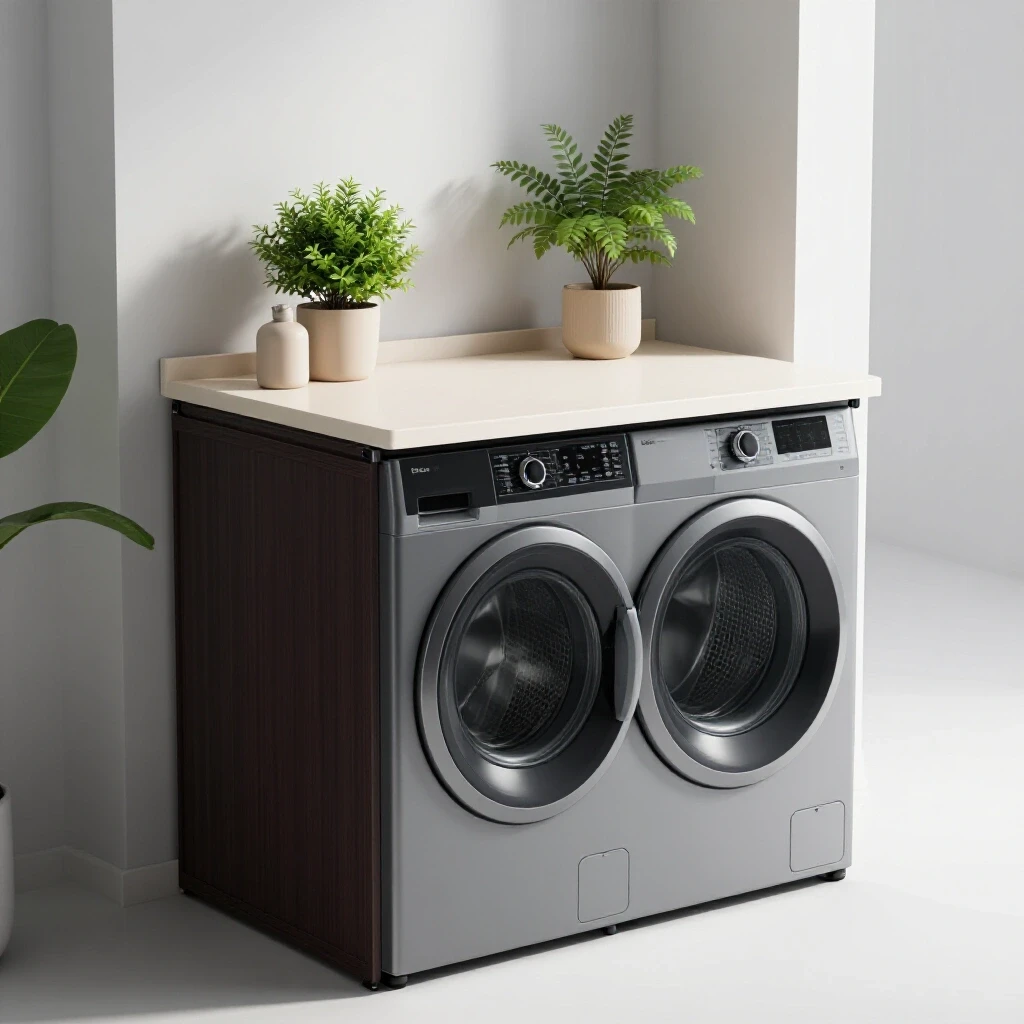
Building codes often don’t specifically dictate the height of a folding shelf, but following ADA (Americans with Disabilities Act) guidelines of 28 to 34 inches or standard counter height of 36 inches is best for ergonomics. I personally mount mine at 36 inches to match the height of my washing machine, creating a continuous visual line.
Key Takeaway: Always drill pilot holes. If you drive a large screw into a stud without a pilot hole, you risk splitting the wood, which significantly reduces the screw’s holding power.
Step-by-Step Installation of the Hinged Platform
This is a chronological guide to measuring, mounting brackets, and attaching the surface for a smooth mechanical operation. Execution is where small errors can compound, so take your time with the alignment.
Phase 1: Preparation and Dry-Fitting
Before any holes are drilled, hold your brackets against the wall at your desired height. Use a pencil to mark the top hole of the first bracket. I call this the “anchor point.” Use your level to project a line to where the second bracket will go. Dry-fitting—holding the pieces in place without fasteners—allows you to visualize the swing of the table and ensure it won’t hit any doors or cabinets when folded down.
Phase 2: Mounting the Brackets
Drill your first pilot hole at the mark. Drive the screw in about 90% of the way. Hang your level on the bracket to ensure it is plumb (perfectly vertical). Once it is straight, drill the remaining pilot holes and secure the bracket. Repeat this for the second bracket, using the level across both to ensure they are at the exact same height.
Phase 3: Preparing the Surface
Measure your wood top. I recommend leaving a 1-inch overhang on the front and sides for a finished look. Cut the wood to size using your circular saw. Use your orbital sander to smooth the top, starting with 120-grit and finishing with 220-grit. Pay special attention to the corners; rounding them slightly prevents painful bumps in a cramped laundry room.
Phase 4: Attachment and Testing
Lay the wood top across the extended brackets. From underneath, center the top and mark the screw holes. Remove the top, drill shallow pilot holes (be careful not to go all the way through!), and then screw the top to the brackets. Test the folding mechanism several times. It should click into place firmly and release without binding.
| Action | Quality Control Check |
|---|---|
| Leveling | Place a marble on the center; it should not roll in any direction. |
| Fastening | Give the bracket a firm tug; there should be zero movement. |
| Clearance | Fold the table down; ensure it doesn’t block floor vents or walkways. |
Key Takeaway: If the brackets bind or are hard to close, they are likely not perfectly parallel. Loosen the screws on one bracket slightly, adjust the alignment, and re-tighten.
Troubleshooting Common Mechanical and Alignment Failures
This section identifies why a folding shelf might sag, bind, or fail to lock, and how to correct these issues during assembly. Even with careful planning, wood and walls are rarely perfectly straight.
One common issue is “wall bow.” If your wall has a slight curve, the brackets won’t be on the same plane, causing the hinge mechanism to strain. Interestingly, you can solve this by placing thin plastic shims behind the bracket before tightening the screws. Another frequent headache is the “binding hinge,” which usually happens if the top was attached while the brackets were slightly flared out.
If you find the surface sags after a few weeks, check the screws. Wood can compress over time. Re-tightening the lag screws usually solves the problem. If the wood itself is warping, it may be due to uneven moisture. This is why sealing all sides of the wood—including the bottom and the edges—is a critical step I learned after a pine top bowed on me during a particularly humid summer.
Key Takeaway: Troubleshooting is part of the process, not a sign of failure. Use shims to compensate for wall imperfections rather than forcing the hardware.
Long-Term Maintenance and Tool Care Post-Project
This involves routine checks for fastener tightness and wood finish upkeep to ensure the folding surface remains safe for years. A laundry room is a workhorse environment, and your upgrades should be treated with the same preventative maintenance as a facility’s equipment.
Every six months, I do a “safety sweep.” I check that the hinge release levers move freely and apply a small drop of dry silicone lubricant if they feel gritty. If you used a butcher block, apply a fresh coat of mineral oil or wax whenever the wood starts to look dull. For polyurethane finishes, a simple wipe-down with a damp cloth is usually enough.
Don’t forget your tools. Wipe your saw blades and drill bits down to remove sawdust, which can attract moisture and cause rust. Store your cordless batteries in a climate-controlled space, not a damp laundry room or a freezing garage, to extend their lifespan.
- Monthly: Wipe down the surface to remove detergent residue.
- Bi-Annually: Check wall-mount screws for tightness.
- Annually: Re-apply protective finish or oil to the wood.
Key Takeaway: Preventative maintenance takes five minutes but can prevent a total hardware failure or a ruined wood surface.
Safety Checks and Knowing When to Call a Pro
While this project is well within the reach of a determined DIYer, recognizing your limits is a hallmark of a professional mindset. If you discover that your laundry room walls are made of lath and plaster (common in pre-1950s homes), the mounting process becomes significantly more complex and may require a professional to ensure the wall can handle the weight.
Similarly, if you open a small “inspection hole” in the drywall and see a cluster of electrical wires or plumbing manifolds exactly where you need to mount, stop. Moving utilities is a job for licensed trades. For most modern homes, however, staying centered on the studs and using the correct fasteners will result in a project that is as safe as it is functional.
Key Takeaway: Your safety and the structural integrity of your home are more important than a weekend win. If you can’t find a solid mounting point, consult a carpenter.
Frequently Asked Questions
How much weight can a wall-mounted folding surface actually hold? Most heavy-duty folding brackets are rated for 110 to 330 pounds per pair. However, the true limit is defined by your wall studs and the quality of your fasteners. If properly mounted into two solid wooden studs with 3-inch structural screws, a standard folding station can safely support 100 pounds of laundry and the weight of a person leaning on it. Always check the manufacturer’s specific rating for your chosen hardware.
Can I install this on a metal stud wall? Yes, but the process is different. Wood screws won’t hold in thin metal studs. You must use heavy-duty toggle bolts or “snap toggles” designed for metal framing. In a facilities environment, we often “bridge” the metal studs with a piece of 3/4-inch plywood screwed into three studs, then mount the brackets to that plywood for maximum stability.
What is the ideal height for a laundry folding table? The most ergonomic height for most adults is 36 inches, which is the standard height for kitchen counters and most washing machines. This allows you to fold without bending your back. If you are exceptionally tall or short, you can customize this. A good rule of thumb is to measure the distance from the floor to your elbow and subtract 6 inches.
How do I prevent the wood from snagging my clothes? The secret is in the sanding and the finish. Sand the surface progressively up to 220-grit sandpaper until it feels like silk. After sanding, apply a “film-forming” finish like water-based polyurethane. This creates a hard, smooth plastic-like barrier that prevents any wood fibers from catching on delicate fabrics like silk or knit sweaters.
What if my studs aren’t where I want the table to be? If the studs don’t align with your preferred location, you can mount a “ledger board” (a sturdy 1×4 or 1×6 piece of wood) horizontally across the studs first. Secure the ledger to the studs with lag screws, then mount your brackets anywhere along that board. This is a common solution in professional maintenance when mounting heavy items in awkward spaces.
Is butcher block better than plywood for this project? Butcher block is superior for durability and aesthetics, but it is much heavier and more expensive. Plywood is lighter and easier to install solo but requires more work to make the edges look professional. If you want a “high-end” look, go with butcher block; if you want a purely functional, low-cost solution, use high-grade plywood with a solid wood edge.
Do I need to worry about building codes for this? Generally, a wall-mounted shelf does not require a permit. However, you must ensure it doesn’t block “means of egress” (your exit path). In most jurisdictions, a hallway or laundry room must maintain a minimum clear width—usually 36 inches. Ensure your table, when folded up or down, doesn’t violate these local fire safety clearances.
What is the best way to finish the wood for a laundry room? Since laundry rooms are humid, a water-based polyurethane is the best choice. It doesn’t yellow over time, dries quickly, and provides a moisture-resistant seal. I usually apply three coats, lightly sanding with 320-grit sandpaper between the second and third coats for a professional-grade smoothness.
Can this be installed over a top-loading washing machine? It is possible, but you must ensure the table is mounted high enough to allow the washer lid to open fully. This often makes the folding surface too high for comfortable use. These folding stations are most effective when mounted on a clear wall adjacent to the machines or over a front-loading set.
What if I hit a wire while drilling into the stud? This is a serious safety hazard. If you feel the drill “pop” through something or see sparks, stop immediately. Turn off the breaker for that room. You will need to open the drywall to inspect the damage. To avoid this, use a stud finder with an AC-detection feature and never drill deeper than 1.5 inches into a stud.
(This article was written by one of our staff writers, Robert Callahan. Visit our Meet the Team page to learn more about the author and their expertise.)