How to Build a DIY Pegboard Wall for Tool Storage (Step-by-Step)

As the first frost settles or the spring thaw begins, many of us retreat to our garages or basements to prep for the coming months. This seasonal transition often reveals a common frustration: a cluttered workbench that eats into our limited weekend time. In my 12 years of managing facilities and tackling home upgrades, I have learned that an unorganized workspace is more than just an eyesore; it is a safety hazard and a productivity killer. Last year, I finally addressed the chaos in my own workshop by installing a vertical perforated storage system. This project was a practical test of balancing a demanding career with the need for a functional, code-compliant home environment.
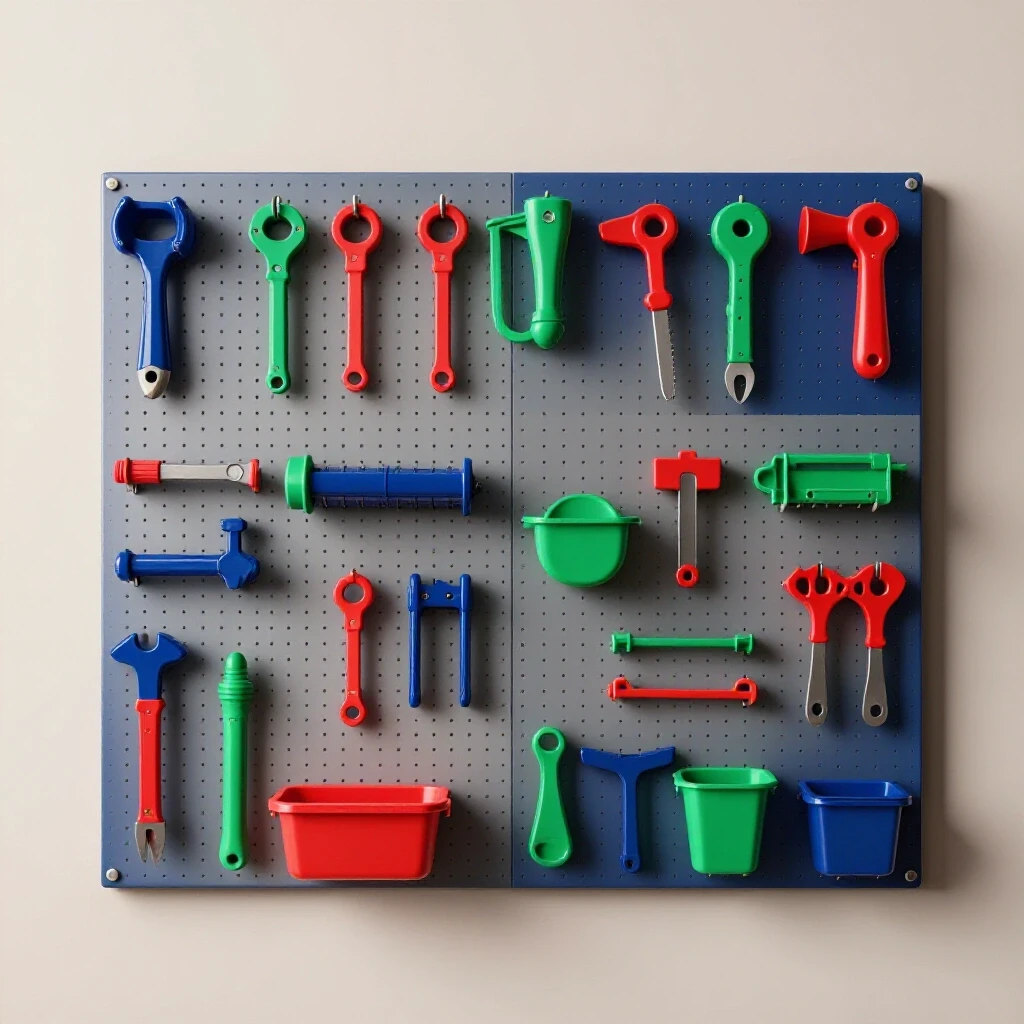
Preparing for Your Vertical Storage Installation
Proper preparation involves assessing wall integrity, measuring the available footprint, and selecting materials that match your tool weight requirements. This phase ensures the mounting surface can support the long-term load of your equipment without compromising the drywall or masonry behind it. Taking the time to plan prevents structural failure and wasted materials.
Before you drive a single screw, you must evaluate the substrate. Most residential garages feature either exposed studs, finished drywall, or masonry blocks. Each requires a different fastening strategy. In my experience, failing to identify the wall type leads to the most common DIY mistake: using the wrong anchors. For a storage system intended to hold heavy wrenches and power tools, relying solely on drywall anchors is a recipe for a collapsed wall.
I always start by sketching the layout on the wall using a pencil and a four-foot level. This allows me to visualize the final footprint and ensures the panels will not interfere with existing electrical outlets or light switches. According to the National Electrical Code (NEC) 110.26, you must maintain a clear working space around electrical panels—usually 30 inches wide and 36 inches deep. If your storage board encroaches on this space, you could face issues during a home inspection or, worse, create a safety risk during an electrical emergency.
Essential Equipment and Material Matrix
Selecting the right tools for a mounting project prevents mid-task hardware store runs and ensures a level, secure finish. This list includes layout tools, fastening hardware, and safety gear designed to handle the specific challenges of drilling into various wall substrates. Using the correct tool for the job reduces physical strain and improves accuracy.
To complete this project safely and effectively, you will need the following items:
- Stud Finder: A reliable electronic or magnetic sensor to locate the centers of vertical framing members.
- Four-Foot Level: Essential for ensuring the horizontal furring strips are perfectly aligned across the wall span.
- Power Drill and Impact Driver: For boring pilot holes and driving structural screws into studs.
- Masonry Bits (if applicable): Carbide-tipped bits are necessary if you are mounting to concrete or brick.
- Furring Strips: Typically 1×2 or 1×3 lumber used to create a 3/4-inch gap behind the perforated panels.
- Structural Wood Screws: 2.5-inch or 3-inch screws with a washer head to secure the strips to the studs.
- Personal Protective Equipment (PPE): This includes ANSI-rated safety glasses and a N95 respirator if you are cutting wood or drilling into masonry.
| Factor | DIY Approach | Professional Installation |
|---|---|---|
| Direct Cost | $60 – $150 (Materials only) | $350 – $600 (Labor + Materials) |
| Active Labor | 4 – 6 Hours | 2 – 3 Hours |
| Skill Level | Intermediate (Requires stud finding) | High (Professional Grade) |
| Tool Investment | $0 (If owned) to $100 | N/A |
Why Precision Layout Prevents Panel Failure
A precise layout acts as the blueprint for your installation, ensuring that every fastener hits a structural member. This stage involves marking stud locations and determining the exact height of your storage system to maximize ergonomics. Skipping this step often results in lopsided panels and weak mounting points that cannot support weight.
Interestingly, many people assume that perforated panels can be screwed directly into drywall. This is a significant error. The hooks used for tool storage require a gap behind the board to seat properly. Without this clearance, the hooks will not stay in place, and you will likely damage the drywall. I learned this the hard way during my first home upgrade when I tried to mount a small panel with simple plastic spacers. The weight of my hammers eventually pulled the spacers through the gypsum board.
Building on this, the use of furring strips is non-negotiable for a professional-grade result. Furring strips are thin lengths of wood that provide a solid mounting surface and create the necessary air gap. When you secure these strips horizontally across multiple studs, you distribute the load of the tools more evenly. This is a standard practice in facility maintenance to ensure wall-mounted fixtures remain stable under shifting loads.
Understanding the Importance of Furring Strips
Furring strips serve as the structural skeleton for your vertical storage, providing a secure attachment point for the panels and creating necessary clearance. They bridge the gap between the wall’s internal framing and the exterior storage surface. This framework prevents the panels from bowing and allows for the easy insertion of various hooks and brackets.
When selecting furring strips, look for straight, kiln-dried lumber. Any warp or “crown” in the wood will make it difficult to get your panels flush. I recommend using 1×2 or 1×3 strips. If you are working in a damp basement or a garage prone to humidity, consider using pressure-treated lumber or applying a simple wood sealer to prevent rot and mold growth behind the panels.
Execution Phases for a Secure Installation
The execution phase translates your planning into a physical structure through a series of methodical steps. This involves preparing the wall, installing the support framework, and finally mounting the perforated panels. Following a logical sequence ensures that each component supports the next, leading to a durable and safe storage solution.
Phase 1: Substrate Preparation and Stud Mapping
Start by using your stud finder to locate the vertical framing. In most modern American homes, studs are spaced 16 inches apart on center. Mark the edges and the center of each stud at the top and bottom of your intended installation area. I often use a small finishing nail to “probe” the wall and confirm I have hit solid wood before committing to a large pilot hole. This is a simple trick that saves a lot of patching later.
Phase 2: Installing the Support Framework
Once your studs are marked, it is time to install the furring strips. I prefer to install three horizontal strips for a standard 4-foot tall panel: one at the top, one in the middle, and one at the bottom. Use your level to ensure the first strip is horizontal. Drill pilot holes through the strip and into the studs to prevent the wood from splitting.
Drive your 3-inch structural screws through the strips and into the center of the studs. For a 48-inch wide section, you should have at least four attachment points per strip. This creates a rigid frame that can easily support 50 to 100 pounds of tools, depending on the panel material.
Phase 3: Securing the Perforated Panels
With the framework in place, you can now mount the panels. If you are using standard 1/4-inch tempered hardboard, keep in mind that it can be heavy and awkward. I find it helpful to use a “ledger board”—a temporary scrap of wood screwed into the wall at the bottom mark—to hold the weight of the panel while I align and fasten the top.
Use 3/4-inch wood screws with washers to attach the panel to the furring strips. Space the screws every 8 to 12 inches along each strip. Do not over-tighten the screws, as this can crack the hardboard or strip the wood underneath. A firm, snug fit is all that is required.
Load Testing and Weight Distribution Strategy
Load testing is the process of verifying that your installation can safely hold the intended weight without sagging or pulling away from the wall. This involves a controlled application of weight and a visual inspection of all fastening points. Proper weight distribution prevents long-term fatigue of the materials and ensures user safety.
After the panels are secure, I perform a “dry-run” with my heaviest tools. I place my largest pipe wrenches and sledgehammers near the points where the furring strips are screwed into the studs. This is where the system is strongest. Lighter items, like screwdrivers and pliers, can be placed in the center of the panel spans.
| Material Type | Load Capacity (Per Sq. Ft.) | Best Use Case |
|---|---|---|
| Tempered Hardboard | 10 – 20 lbs | Hand tools, light hardware |
| Metal (Steel/Aluminum) | 30 – 50 lbs | Power tools, heavy kits |
| Plastic/Polymer | 5 – 10 lbs | Craft supplies, light items |
During this test, watch for any bowing in the panel. If the board flexes more than a quarter-inch, you likely need an additional furring strip in the center to provide more support. Facility standards often dictate a 2:1 safety factor, meaning if you plan to hang 50 pounds of tools, the system should theoretically be able to hold 100 pounds.
Maintenance and Long-Term Durability
Regular maintenance ensures that your storage system remains safe and functional over years of heavy use. This involves checking for loose fasteners, inspecting the board for moisture damage, and re-organizing tools to prevent uneven wear. A well-maintained system protects your tool investment and prevents accidents caused by falling equipment.
Over time, the hooks in a perforated system can become loose or fall out when you grab a tool. To prevent this, I use small plastic “peg locks” or even a tiny dab of hot glue on the bottom of the hook. This keeps the hardware in place without making it permanent. Additionally, if you live in a high-humidity area, keep an eye on hardboard panels for “swelling.” If the edges start to look fuzzy or thick, it is a sign of moisture absorption. In such cases, replacing the board with a metal or plastic alternative may be necessary for long-term stability.
Troubleshooting Common Installation Errors
Troubleshooting involves identifying and fixing issues like sagging panels, loose hooks, or missed studs. By understanding the root cause of these problems, you can apply targeted fixes that restore the integrity of the storage system. Most common errors are easily corrected with minor adjustments to the mounting hardware or layout.
If you find that your screws are spinning and not grabbing wood, you have likely missed the stud. In this situation, do not simply leave the screw there. Back it out, use a thin wire or a probe to find the wood, and relocate the screw. Leaving “dead” screws in the wall weakens the overall structure.
Another common issue is the panel vibrating or “chattering” against the wall when you move tools. This usually means the furring strips are too far apart. Adding a small piece of foam weatherstripping behind the panel in the bouncy areas can dampen the noise and provide a more solid feel.
Knowing When to Call a Professional
While most vertical storage projects are well within the reach of a determined DIYer, certain conditions require professional expertise. Recognizing these limits prevents costly mistakes and ensures that complex home systems remain intact. Safety should always take precedence over the desire to save money on labor.
If your garage walls contain hidden plumbing lines, gas pipes, or complex electrical conduits that you cannot confidently locate, it is worth consulting a professional. Drilling into a vent pipe or a live wire is a mistake that far exceeds the cost of a handyman. Additionally, if your wall shows signs of major structural cracking or significant water intrusion, those issues must be professionally remediated before you attempt to mount any heavy storage systems.
Final Checklist for a Successful Project
To wrap up your weekend project, go through this final quality control list:
- Check Level: Ensure the panels haven’t shifted during the final fastening.
- Verify Clearances: Confirm you aren’t blocking any outlets or the electrical panel.
- Test Fasteners: Give each panel a firm tug to ensure it is seated against the furring strips.
- Vacuum Dust: Use a HEPA vacuum to clean up any sawdust or masonry dust, which can be harmful if inhaled.
- Organize by Weight: Place the heaviest tools closest to the stud-mounted screws.
By following these steps, you transform a cluttered wall into a highly functional tool center. This project not only saves time during your next repair but also adds measurable value to your home by creating a professional-grade workspace. The satisfaction of a well-organized wall is a great way to kick off a new season of home improvement.
Frequently Asked Questions
1. Can I mount these panels directly to drywall using toggle bolts? While toggle bolts are strong, they are not ideal for this application. Perforated panels require a gap (usually 3/4 inch) for the hooks to fit. Mounting directly to drywall eliminates this gap. Furthermore, the constant weight and movement of taking tools on and off can cause toggle bolts to eventually crush the drywall core, leading to sagging.
2. How do I install this on a concrete or cinder block wall? For masonry, you must use Tapcon-style screws or masonry anchors. You will need a hammer drill and a carbide-tipped bit. Attach your furring strips to the masonry first using these specialized fasteners, then screw the panels to the wood strips.
3. What is the best way to prevent the hooks from falling out? The most effective DIY solution is using peg locks, which are small plastic clips that snap over the hook. Alternatively, some manufacturers offer hooks with a small screw-in base that secures them permanently to the board.
4. Should I paint the panels before I hang them? Yes, if you are using standard hardboard, painting or sealing it is a good idea. It prevents the board from absorbing moisture and makes it easier to wipe down. Use a high-quality primer followed by a semi-gloss enamel for the best durability.
5. How much weight can a standard 1/4-inch hardboard panel hold? When properly mounted to furring strips every 16 inches, a 4×8 sheet can safely hold about 100 pounds of distributed weight. However, individual hooks have their own weight limits, often ranging from 5 to 15 pounds.
6. Can I cut the panels to fit a specific space? Absolutely. You can cut perforated hardboard using a circular saw or a jigsaw with a fine-tooth blade. To prevent splintering, place a strip of masking tape over the cut line before you start sawing.
7. Do I need to worry about the spacing of the holes? Most standard panels have holes spaced 1 inch apart on center. When you buy hooks, ensure they are labeled for the hole size of your board (usually 1/4 inch or 1/8 inch). 1/4 inch is the standard for heavy tool storage.
8. Is it okay to install this over an electrical outlet? No, you should never cover an electrical outlet. Instead, cut a hole in the panel that allows the outlet to remain accessible. Use an “extender box” if necessary to bring the outlet flush with the new surface, ensuring it meets local building codes.
9. My garage is very humid. Will the board warp? Hardboard is prone to warping in high humidity. In these environments, I recommend using galvanized steel panels or high-density plastic panels. These materials do not absorb moisture and will remain flat regardless of the weather.
10. How do I find the studs if my garage is finished with thick plaster? Magnetic stud finders are often more effective on plaster because they locate the nails or screws used to attach the lath to the studs. Alternatively, you can look for clues like the location of electrical boxes, which are almost always mounted to a stud.
(This article was written by one of our staff writers, Robert Callahan. Visit our Meet the Team page to learn more about the author and their expertise.)