How to Install a Wall-Mounted Ironing Board Step by Step (Guide)

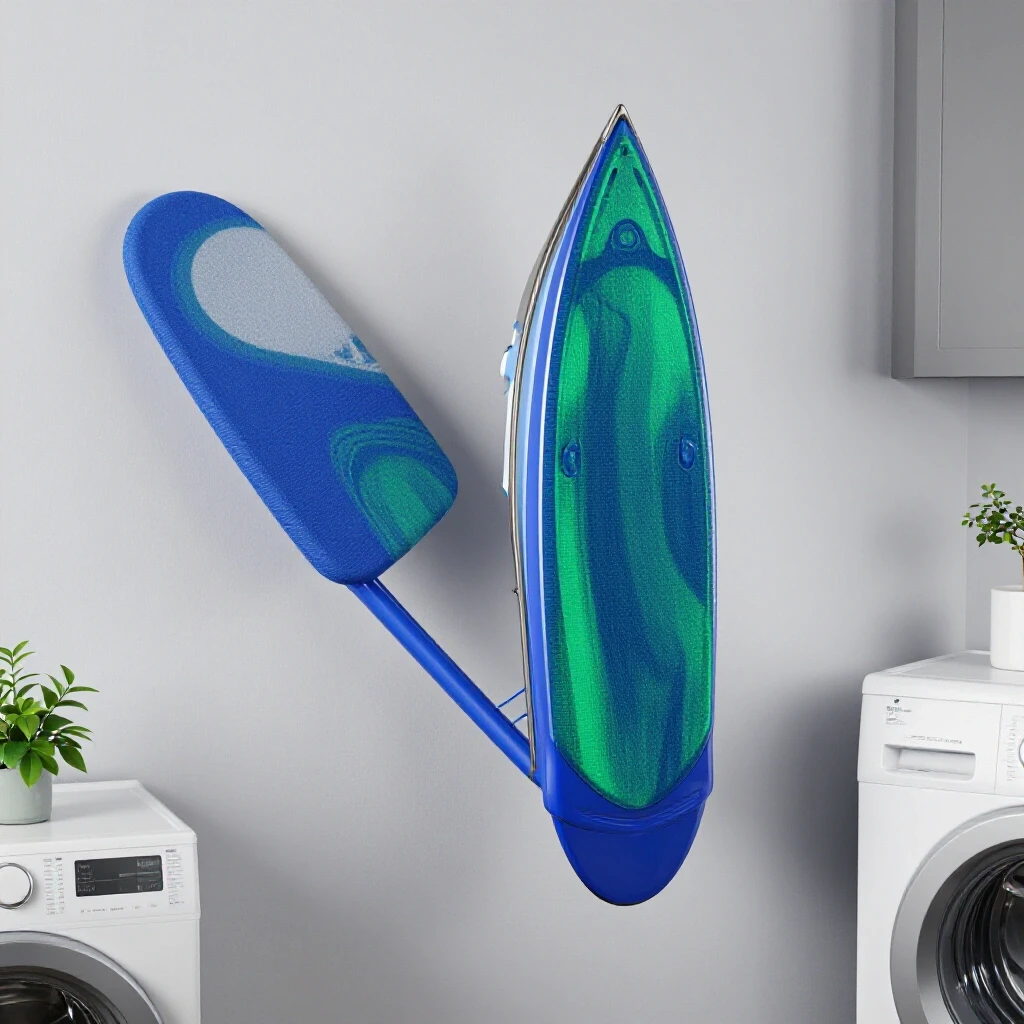
The struggle with a cluttered laundry room often begins with that awkward, wobbly metal stand that refuses to fold down without a fight. In my twelve years managing large-scale facilities and upgrading my own homes, I have learned that floor space is the most valuable asset in any utility area. When you are balancing a demanding career and a busy household, every minute spent wrestling with outdated equipment is a minute lost. Transitioning to a wall-anchored folding pressing station is one of those weekend DIY projects that offers a high return on investment by streamlining your workflow and reclaiming several square feet of floor space.
Many homeowners hesitate to attempt this upgrade because they fear the board will pull out of the drywall or sit at a crooked angle. I remember my first attempt at a similar mounting project where I relied on cheap plastic anchors instead of finding the studs. The result was a sagging shelf and a patched wall. Since then, I have prioritized structural integrity and code-compliant methods. This guide provides a practical, step-by-step plan to ensure your new folding station is secure, level, and built to last, using the same standards I apply in professional facility maintenance.
Foundational Planning for Vertical Laundry Stations
Proper planning involves assessing the wall structure, identifying hidden utilities, and determining the most ergonomic height for the user. This phase ensures that the installation does not interfere with electrical wiring or plumbing lines while providing a stable platform for heavy use. Taking time to measure twice prevents costly repairs to the wall surface later.
Before you even reach for a drill, you must evaluate the intended location. Most residential walls are framed with wooden studs spaced 16 inches apart on center. For a wall-anchored laundry board, finding these studs is the difference between a successful project and a structural failure. A fold-down mechanism creates a cantilever effect, meaning the weight of the board and the pressure you apply while using it pull outward on the top fasteners.
I always recommend using a high-quality stud finder that includes AC wire detection. In laundry rooms, it is common to find electrical lines for washers and dryers or water supply pipes hidden behind the drywall. According to the National Electrical Code (NEC), wires should be centered in the stud or protected by nail plates, but older homes often have surprises. If your stud finder alerts you to live wires, shift your mounting location by a few inches to maintain a safe clearance.
Determining the Best Height and Location
Choosing the right mounting height is a balance between comfort and the physical limitations of the room’s layout. A standard pressing surface usually sits between 32 and 36 inches from the floor, but you should customize this to your own height to avoid back strain. Ensure there is at least 30 inches of clear space in front of the board for movement.
To find your ideal height, stand comfortably and hold your elbow at a 90-degree angle. The distance from the floor to your underside of the forearm is your target height. Keep in mind that the mounting bracket for most fold-down units is not at the same level as the board itself. You must consult the manufacturer’s technical guide to determine the offset between the screw holes and the finished surface height.
Identifying Wall Substrates and Support Systems
Different wall materials require specific fastening strategies to handle the load of a fold-down mechanism. Drywall alone cannot support the dynamic weight of a pressing station, so you must either hit the studs or use heavy-duty toggle bolts. Plaster and lath walls in older homes require even more care to avoid cracking the finish during the drilling process.
In my facility management experience, I have seen many failures caused by using the wrong screw for the substrate. For wooden studs, a 2.5-inch or 3-inch wood screw with a wide head provides the best grip. If you are mounting to a masonry wall, such as in a basement laundry area, you will need a hammer drill and concrete anchors. Always verify the weight capacity of your fasteners against the board’s specifications, which usually range from 30 to 50 pounds of downward pressure.
The Tool Kit for Secure Wall Attachments
A successful installation requires a specific set of tools designed for precision leveling and secure fastening. Having the right equipment on hand prevents mid-project trips to the hardware store and ensures that the final result is code-compliant and safe for daily use. Investing in quality tools also improves the accuracy of your measurements and hole placement.
| Tool Name | Purpose | Necessity |
|---|---|---|
| Stud Finder | Locates wood/metal studs and live wires | Essential |
| Torpedo Level | Ensures the mounting bracket is perfectly horizontal | Essential |
| Power Drill/Driver | Bores pilot holes and drives mounting screws | Essential |
| Measuring Tape | Determines height and center points | Essential |
| Painter’s Tape | Marks hole locations without damaging wall paint | Recommended |
| Safety Glasses | Protects eyes from drywall dust and debris | Essential |
| Impact Driver | Provides extra torque for long screws into studs | Optional |
Essential Equipment for Weekend DIY Projects
- Stud Finder with Deep Scan: Look for a model that can see through double layers of drywall if your home is older.
- 24-inch Box Level: While a torpedo level is good for small spaces, a longer level provides better accuracy over the width of the mounting plate.
- Drill Bit Set: You will need bits slightly smaller than your screws to create pilot holes, preventing the wood studs from splitting.
- Driver Bits: Ensure you have the correct bit (usually Phillips or Star/Torx) to match the hardware provided by the manufacturer.
- Pencil or Fine-Tip Marker: For marking precise drill points on the wall.
Executing the Installation: A Phase-by-Phase Approach
The core of the project involves marking the wall, drilling pilot holes, and securing the mounting hardware to the structural members of the home. This process must be done methodically to ensure the board sits level and operates smoothly without binding. Following a structured workflow reduces the risk of making unforced errors that compromise the unit’s stability.
Before drilling, I always perform a “dry-fit” test. This involves holding the mounting bracket against the wall at the desired height while a second person checks the level. This simple step has saved me countless times from drilling holes that were off by just a fraction of an inch. Even a slight tilt can cause the folding mechanism to wear prematurely or make the board feel unstable during use.
The Importance of Dry-Fitting and Leveling
Dry-fitting is the process of testing the fit and position of all components before any permanent changes, like drilling holes, are made. It allows you to visualize the swing path of the board and ensure it does not hit cabinets, doors, or light fixtures when extended. This is a critical step for safe home repairs and ensures the board functions as intended.
Once the position is confirmed, use your level to draw a light horizontal line where the top of the bracket will sit. Mark the screw holes clearly. I like to use painter’s tape on the wall and mark my holes on the tape. This prevents the drill bit from “walking” or sliding across the smooth paint when you start the hole, and it keeps the wall clean.
Drilling and Fastening Techniques
Drilling a pilot hole is non-negotiable when working with structural studs. A pilot hole is a small hole drilled into a material to guide a larger screw and prevent the material from splitting. For a standard #10 wood screw, a 1/8-inch drill bit is usually sufficient. Drill to the full depth of the screw to ensure it seats properly without stripping the head.
When you begin fastening the bracket, start with the top center screw but do not tighten it completely. This allows you to make minor adjustments to the level before driving the remaining screws. Once the bracket is perfectly level, drive the rest of the screws. If you are using an impact driver, be careful not to over-torque the screws, as this can snap the heads off or strip the wood fibers inside the stud, weakening the hold.
Troubleshooting Structural and Utility Interference
Unexpected challenges often arise once you begin looking behind the walls, such as finding a stud that is not where the builder’s marks suggested or encountering a plumbing vent. Professional-grade troubleshooting involves staying calm and using alternative anchoring methods that still meet safety and load-bearing requirements. Knowing when to pivot your strategy is a hallmark of an experienced DIYer.
If you find that your studs are not centered where you want the board, you have two main options. You can mount a “ledger board”—a piece of 1×4 lumber—across two studs and then mount the pressing station to that board. Alternatively, if only one side of the bracket hits a stud, you must use high-quality 1/4-inch toggle bolts for the other side. These anchors expand behind the drywall to distribute the weight over a larger area.
Handling Uneven Walls and Plaster
Many older homes have walls that are not perfectly flat. If you mount a rigid metal bracket to a bowed wall, the bracket may twist, causing the folding mechanism to jam. In these cases, you can use thin plastic shims behind the bracket to create a flat mounting surface. This ensures the hinge operates freely without unnecessary friction.
For plaster and lath walls, use a masonry bit to drill through the plaster first, then switch to a wood bit for the lath and stud. This prevents the plaster from crumbling or “spalling” around the hole. I also recommend applying a small piece of clear tape over the mark before drilling to help hold the plaster together.
Safety and Code Compliance for Home Upgrades
Ensuring your project meets local building codes and safety standards is essential for the long-term value of your home and the protection of your family. This includes maintaining proper clearances from heat sources and ensuring that the installation does not block emergency egress paths. A safe home repair is one that considers both the immediate use and the potential risks of the installation.
While there isn’t a specific “ironing board code,” the installation must follow general residential construction standards. For example, if your board has a built-in light or power outlet, the electrical work must comply with the NEC. This usually requires a dedicated circuit or a GFCI-protected outlet if the laundry room is in a damp area. If you are not comfortable with wiring, this is the point where you should consult a licensed electrician.
Weight Loads and Cantilever Physics
Understanding the load tolerances of your wall is vital. A typical wall-mounted laundry board is rated for about 50 pounds of vertical pressure. However, because the board extends 3 feet or more from the wall, the leverage applied to the top screws is much higher than 50 pounds. This is why anchoring into solid wood is the gold standard for these weekend DIY projects.
- Static Load: The weight of the board itself when folded or extended.
- Dynamic Load: The pressure you apply while pressing down on a garment.
- Safety Margin: Always aim for fasteners that can hold double the expected weight to account for accidental leaning or heavy items.
Post-Installation Testing and Final Adjustments
Once the unit is securely mounted, you must perform a series of functional tests to ensure the mechanism operates safely and the board remains stable under pressure. This final quality control phase identifies any minor issues that could lead to bigger problems over months of regular use. Testing should be done gradually to avoid putting sudden stress on the new anchors.
Open and close the board several times. Listen for any squeaking or grinding, which could indicate the bracket is slightly twisted. Check that the locking mechanism engages fully and that the board does not wobble when extended. If it feels “spongy,” you may need to tighten the screws or add an additional anchor.
Mechanism Checks and Lubrication
Most high-quality folding units come pre-lubricated, but a small drop of silicone-based lubricant on the hinge points can ensure smooth operation for years. Avoid using WD-40, as it can attract dust and eventually gum up the mechanism. Wipe away any excess oil to prevent it from staining the board cover or your clothes.
| Task | Frequency | Purpose |
|---|---|---|
| Screw Tightness Check | Every 6 Months | Ensures anchors haven’t loosened from vibration |
| Hinge Lubrication | Once a Year | Maintains smooth folding action |
| Cover Replacement | As Needed | Provides a clean, heat-reflective surface |
| Level Verification | Every 2 Years | Checks for wall settling or bracket sagging |
Project Timeline and Effort Estimate
For a busy professional, time management is just as important as tool selection. This project is a classic “Saturday morning” task that can be completed in a single 3-to-4-hour block if you have all your materials ready. Breaking the work into distinct phases helps maintain focus and ensures that no safety steps are skipped in a rush to finish.
- Site Prep and Stud Finding: 30 Minutes
- Measuring and Marking: 30 Minutes
- Drilling and Bracket Mounting: 60 Minutes
- Board Attachment and Leveling: 45 Minutes
- Testing and Clean-up: 30 Minutes
The total active labor is relatively low, but the mental effort required for precise leveling and stud detection is moderate. Compared to the cost of hiring a handyman—which could range from $150 to $300—doing this yourself saves money and gives you the peace of mind that the board is anchored exactly where it needs to be for your specific needs.
Conclusion and Next Steps
Completing this vertical laundry upgrade is a major win for home organization and personal efficiency. By moving the pressing surface off the floor and onto the wall, you create a more functional workspace that respects the limited square footage of modern homes. In my years of facilities management, I have found that the best upgrades are the ones that remove friction from daily chores, and a well-installed fold-down board does exactly that.
Your next steps are to gather your tools, verify your wall type, and select a high-quality unit that fits your space. Remember to prioritize safety by finding those studs and using the correct fasteners. Once finished, you will enjoy a streamlined laundry routine and the satisfaction of a job well done.
Frequently Asked Questions
Can I mount a folding board on a hollow core door?
No, I do not recommend mounting a pressing station to a hollow core door. These doors are made of thin veneer over a honeycomb cardboard center and lack the structural integrity to hold the weight and leverage of the board. The screws will likely pull out, damaging the door and potentially causing injury.
What if my studs are spaced 24 inches apart instead of 16?
If your home has 24-inch stud spacing, the mounting bracket might not span the distance between two studs. In this case, you should mount a horizontal wooden “header” board (like a 1×6) into the two studs first, then mount the laundry board to that header. This ensures the load is distributed across the wall’s framing.
Do I need to use a specific type of drill bit for drywall?
A standard high-speed steel (HSS) drill bit works fine for drywall and wood studs. However, if you are mounting to a tiled wall in a laundry room, you will need a diamond-tipped or carbide-tipped tile bit to prevent cracking the ceramic surface.
How do I know if I hit a stud if I don’t have a stud finder?
While a stud finder is best, you can use the “knock test” to listen for a solid sound versus a hollow one. Alternatively, you can use a small, strong magnet to find the drywall screws that are driven into the studs. This is a reliable, old-school method I often use when my electronic finder is out of batteries.
Is it safe to install this near a water heater or furnace?
You must maintain the manufacturer’s recommended clearances from any heat-producing appliance. Generally, keep at least 18 to 24 inches of clearance to ensure the board doesn’t block airflow or become a fire hazard. Always check your local fire codes for specific requirements.
Can I mount the board at a lower height for seated use?
Yes, you can absolutely customize the height for seated use. Follow the same “elbow height” rule while sitting in your preferred chair. Just ensure the board has enough vertical clearance to fold down completely without hitting your legs or the chair.
What should I do if the wall is made of metal studs?
Metal studs require specialized toggle bolts or “snap toggles” designed for hollow metal. Standard wood screws will not hold in thin-gauge metal. Be sure to use a metal-rated drill bit and take care not to strip the holes.
How much weight can a wall-mounted board typically hold?
Most residential units are rated for 30 to 50 pounds of downward force. While this is plenty for ironing clothes, you should never lean your full body weight on the board or allow children to hang from it, as this can exceed the fastener’s capacity and pull the unit from the wall.
Do I need a permit for this installation?
Generally, a simple wall-mounted board does not require a building permit. However, if you are adding new electrical outlets or moving plumbing lines to accommodate the board, you may need a permit depending on your local municipality’s rules.
How do I fix the wall if I decide to remove the board later?
If you remove the unit, you will be left with several small screw holes. These can be easily patched with lightweight spackle, sanded smooth once dry, and touched up with a small amount of matching paint. It is a minor repair compared to the benefits of the installation.
(This article was written by one of our staff writers, Robert Callahan. Visit our Meet the Team page to learn more about the author and their expertise.)