How to Paint a Bedroom Door Frame for a Smooth Finish (Guide)

Modern paint chemistry has moved toward sustainable, low-VOC (volatile organic compound) formulas that offer superior durability without the harsh odors of the past. As a facilities manager, I have seen how these eco-tech advancements allow us to perform interior upgrades while maintaining healthy indoor air quality. In my early years of DIY home improvement, I once rushed through a bedroom door trim project using old oil-based leftovers in a poorly ventilated room. The headache I earned that day, combined with the uneven finish that eventually yellowed, taught me that following manufacturer technical guides is not just a suggestion—it is a requirement for a safe home.
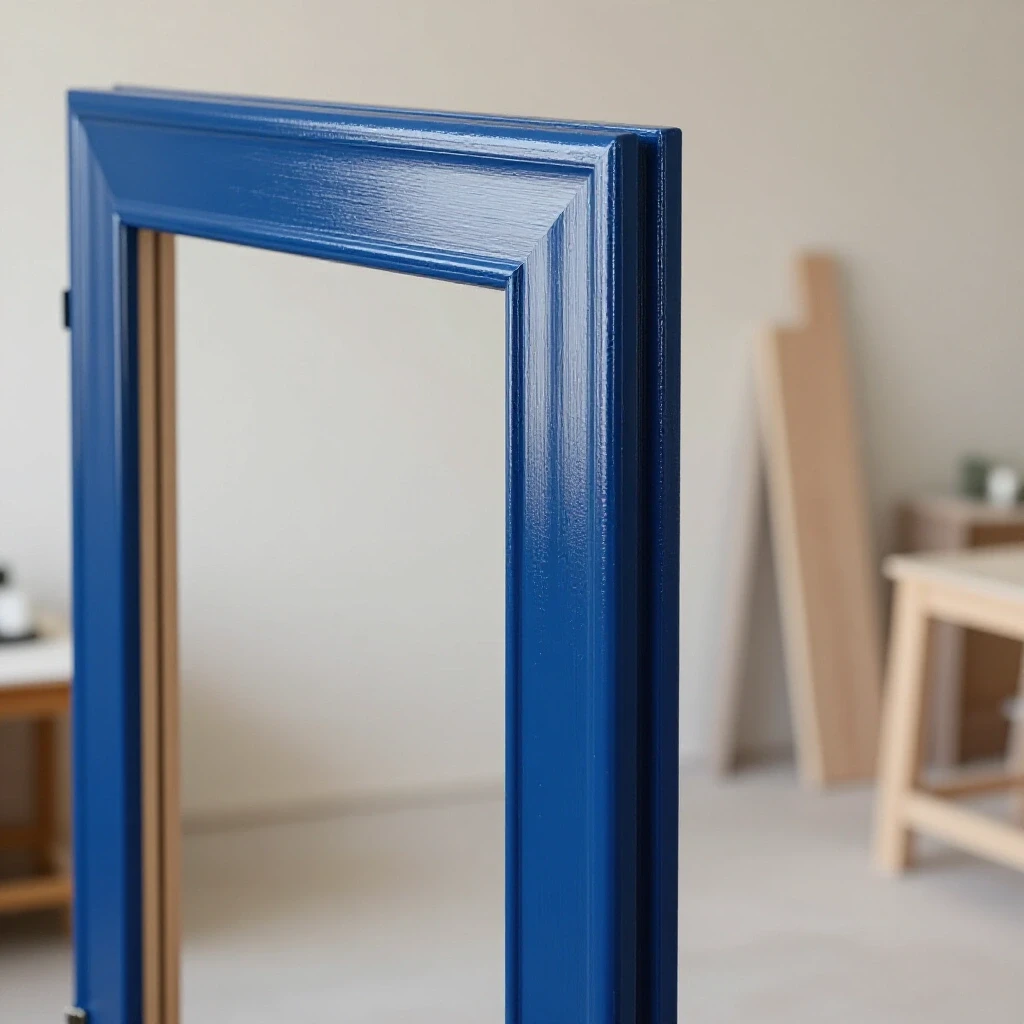
Managing commercial properties has reinforced my belief that the finish on a bedroom door casing is only as good as the preparation underneath. Whether you are dealing with chipped lead-free paint or a brand-new pine frame, the goal is to create a surface that resists the daily wear and tear of a busy household. This guide focuses on the technical precision needed to upgrade your interior trim finishes during a standard weekend window.
Evaluating the Scope of Your Interior Trim Project
This phase involves inspecting the existing condition of the wood or composite material surrounding your bedroom door to determine the level of repair needed. It allows you to estimate the time commitment and material costs before you open a single can of paint.
I have found that most DIY home improvement failures occur because the homeowner underestimates the “active hours” versus “drying hours.” In my second home, I assumed I could sand and paint three door surrounds in a single Saturday morning. I failed to account for the humidity levels which slowed the drying of the wood filler. As a result, I was still sanding at midnight.
To avoid this, you must analyze the current substrate. Is the existing finish glossy? Is there significant “alligatoring” (cracking that looks like reptile skin)? If your home was built before 1978, you must also consider lead paint risks. I always recommend using a lead test kit from a reputable manufacturer before any sanding begins. If lead is present, the project scope changes from a simple refresh to a professional abatement or a very specific wet-sanding containment strategy.
| Project Phase | Estimated Active Time | Estimated Drying Time | Difficulty (1-5) |
|---|---|---|---|
| Surface Prep & Cleaning | 1.5 Hours | 1 Hour | 2 |
| Sanding & Repairing | 2 Hours | 2-4 Hours | 3 |
| Priming | 1 Hour | 4 Hours | 2 |
| First Finish Coat | 1 Hour | 4-6 Hours | 2 |
| Final Finish Coat | 1 Hour | 24 Hours (Full Cure) | 2 |
Understanding Material Compatibility
Material compatibility refers to the ability of a new coating to bond with the existing surface without chemical rejection or peeling. It is the foundation of any long-lasting weekend DIY project.
In my professional experience, applying a water-based acrylic directly over an old high-gloss oil finish is a recipe for disaster. The new paint will slide right off or peel in sheets within weeks. To test this, I use the “rub test”: soak a cotton ball in denatured alcohol and rub it on a small area. If the paint softens or comes off, it is likely water-based. If it does not, you are dealing with oil or alkyd, which requires a specialized bonding primer to bridge the gap between the old and new layers.
Essential Equipment for Refreshing Door Casings
A successful upgrade requires a specific set of tools designed for precision and safety. Using the wrong brush or cheap tape can lead to “v-shaped” brush marks and paint bleed that ruins the crisp lines of your bedroom entrance.
I have spent thousands of dollars on tools over 12 years, and I have learned that the ROI on a high-quality brush is unmatched. For interior trim, a 2.5-inch angled sash brush is my go-to. The angled bristles allow you to “cut in” to the corners where the frame meets the wall without needing excessive amounts of painter’s tape.
DIY Tool List and Material Matrix
- Angled Sash Brush (Synthetic): Best for water-based paints; provides a smooth flow and sharp edges.
- Small Foam Roller (4-inch): Useful for the flat “face” of the frame to eliminate brush marks.
- Sandpaper Multi-pack: 120-grit for initial smoothing and 220-grit for between-coat scuffing.
- Tack Cloth: A sticky cheesecloth used to remove every microscopic bit of dust after sanding.
- Painter’s Tape (Green or Blue): Choose a medium-adhesion tape to protect walls without pulling off existing paint.
- Wood Filler or Spackle: To fill nail holes and small dents in the wood.
- Paint Tray and Liners: For easy cleanup and mobility.
- Drop Cloths (Canvas): Unlike plastic, canvas absorbs drips and prevents you from tracking paint through the house.
Safety Gear and Workspace Setup
Safety setup involves protecting your lungs and eyes from dust and fumes while ensuring the workspace is organized to prevent trips or spills.
Even for safe home repairs, I never skip the N95 respirator during the sanding phase. Fine wood dust and old paint particles are respiratory irritants. I also ensure my bedroom windows are open to provide a cross-breeze, even when using low-VOC products. In my facility management role, OSHA standards dictate that we maintain clear pathways; I apply this at home by moving all furniture at least three feet away from the doorway.
Preparing the Substrate for Maximum Adhesion
Substrate preparation is the mechanical and chemical cleaning of the door surround to ensure the new finish sticks. This is the most labor-intensive part of the project but dictates 90% of the final quality.
I once skipped the cleaning step on a door frame in my laundry room, thinking a little dust wouldn’t hurt. Within a month, the paint began to bubble because of the oils from hands touching the frame over the years. Now, I always start with a solution of TSP (Trisodium Phosphate) substitute and warm water. This deglosses the surface slightly and removes skin oils, wax, and grime.
Why Sanding is Non-Negotiable
Sanding creates “tooth,” which is a microscopic profile on the surface that allows the primer to grip the material mechanically.
You do not need to sand down to bare wood. You are simply looking to “scuff” the surface. I use a 120-grit sanding sponge because it contours to the decorative curves of the molding. If you feel a “lip” where old paint has chipped, you must sand that edge until it is flush with the surrounding area. If you can feel the edge with your fingernail, it will show through your new finish.
Filling Gaps and Nail Holes
Filling involves using a pliable compound to close gaps between the trim and the wall or to hide fastener indentations.
Check the “miter joints”—the 45-degree angles at the top corners of the frame. These often pull apart over time due to the home settling. I use a high-quality paintable caulk for the gap between the frame and the wall, but I never use caulk for nail holes. Caulk shrinks and stays flexible, which leaves a dimple. For nail holes, use a non-shrinking wood filler, overfill it slightly, and sand it flush once dry.
Applying Primer and Finish Coats to Bedroom Door Surroundings
The application phase is where you transition from preparation to the visible upgrade. This requires a systematic approach to avoid “runs” (drips of paint) and “roping” (heavy brush marks).
When I consult manufacturer technical guides, they emphasize “loading” the brush correctly. You should dip the brush only one-third of the way into the paint and tap it against the side of the can—never scrape it. Scraping removes the paint you need to create a smooth “wet edge.”
The Role of the Bonding Primer
A primer is a specialized coating designed to adhere to difficult surfaces and provide a uniform base for the topcoat.
If you are changing the color of your bedroom door surround from a dark wood to a light white, or if you are painting over a glossy surface, a primer is essential. I prefer a “high-hide” acrylic primer. It blocks old stains and prevents the tannins in the wood from bleeding through and turning your white paint yellow.
Step-by-Step Finish Application
- Step 1: The “Cut-In”: Start at the top horizontal piece of the frame. Use your angled brush to paint the edge closest to the wall.
- Step 2: The Inner Edge: Paint the “jamb”—the part of the frame the door actually touches when closed.
- Step 3: The Face of the Trim: Use long, smooth strokes from top to bottom. If you are using a foam roller, go over the brushed areas immediately to “back-roll” and level out the texture.
- Step 4: The Scuff Sand: Once the first coat is dry (usually 4 hours), lightly run 220-grit sandpaper over the surface. This removes any “nibs” or dust that settled in the wet paint.
- Step 5: The Final Coat: Apply the second coat using the same technique. This coat provides the final color depth and sheen.
Troubleshooting Common Finish Failures
Even with careful planning, issues like “flashing” or “sagging” can occur. Understanding why these happen allows you to fix them before the paint fully cures.
“Flashing” is when certain spots look shinier or duller than others. This usually happens because the substrate was more porous in those areas, soaking up the paint. The fix is almost always an additional coat. “Sagging” or “runs” happen when the paint is applied too heavily. If you catch a run while it is wet, brush it out. If it has dried, you must wait 24 hours, sand it flat, and repaint that section.
Managing Drying and Curing Times
Drying is when the paint feels dry to the touch, but curing is the chemical process where the paint reaches its maximum hardness.
Most DIYers make the mistake of closing the bedroom door too soon. Even if the frame feels dry after 4 hours, the paint is still soft. If you close the door, the frame and the door can “block” or stick together, pulling the fresh paint off when you reopen it. I recommend leaving the door open for at least 24 hours. In my facility maintenance logs, we don’t consider a high-traffic doorway “fully cured” for 7 to 14 days, so avoid scrubbing the frame during this period.
| Material Type | Dry to Touch | Re-coat Window | Full Cure Time |
|---|---|---|---|
| Standard Latex | 1 Hour | 4 Hours | 14 Days |
| Acrylic Alkyd | 2 Hours | 6-8 Hours | 21-30 Days |
| Fast-Dry Primer | 30 Minutes | 1 Hour | 7 Days |
Clean-up and Tool Maintenance
Proper maintenance ensures your tools are ready for the next weekend DIY project and prevents paint from drying in the bristles, which ruins the brush.
I never wash my brushes in the bathroom sink if I can avoid it; the paint solids can settle in the P-trap and cause clogs over time. Instead, I use a dedicated bucket and a “brush comb” to pull the paint out of the center of the bristles. If you are using water-based paint, warm soapy water is sufficient. For the rollers, I find it more cost-effective to use disposable liners and covers, but the brush is an investment worth saving.
Knowing When to Call a Professional
While most door frame projects are manageable, some situations require an expert. If you discover extensive wood rot that has compromised the structural integrity of the door opening, a carpenter is needed. Similarly, if you find that the frame is significantly out of “plumb” (not perfectly vertical) and the door won’t close, painting won’t fix the underlying mechanical issue.
Conclusion and Next Steps
Refreshing the finish on your bedroom door surroundings is a high-impact, low-cost way to improve your home’s aesthetic and value. By focusing on mechanical adhesion through sanding and following the specific cure times listed on manufacturer labels, you avoid the common pitfalls that lead to peeling and frustration.
Your next step is to perform a “site survey.” Walk to your bedroom door, check for lead-paint risks if applicable, and feel the surface for oils or gloss. Once you have your tool list ready, you can confidently tackle this upgrade over a single weekend, knowing you have the technical foundation to do it right the first time.
FAQ
How do I prevent the door from sticking to the frame after I finish?
This is known as “blocking.” To prevent it, ensure you use a high-quality acrylic paint with “non-blocking” properties. Additionally, wait at least 24 hours before closing the door. If you must close it, apply a very thin layer of painters’ wax or even a bit of parchment paper between the door and the frame to act as a temporary barrier.
Can I skip the primer if the old paint is in good condition?
If the existing paint is the same base (water-based) and you are not making a drastic color change, you can often skip primer after a thorough scuff-sanding. However, if the surface is glossy, stained, or you are unsure of the previous paint type, a bonding primer is a safety net that prevents future peeling.
What is the best way to paint the “hinge side” of the frame?
Ideally, you should remove the door by popping the hinge pins. This allows you to paint the entire frame without getting paint on the hinges. If you cannot remove the door, cover the hinges carefully with painter’s tape and use a small 1-inch brush for precision.
Why does my paint look “bumpy” after it dries?
This is usually caused by “stipple” from a roller or dust that wasn’t removed. To fix this, sand the surface with 220-grit sandpaper until smooth, use a tack cloth to remove all dust, and apply a final coat using a high-quality brush or a fine-finish foam roller.
How much paint do I need for one door frame?
A single door frame (both sides and the jamb) usually requires less than a quart of paint. Buying a quart is more cost-effective than a gallon, though many professionals buy gallons to ensure they have enough for all the trim in a house to maintain color consistency.
Is it better to use a brush or a roller for the frame?
A combination is best. Use an angled brush to “cut in” the corners and decorative moldings. Use a 4-inch “cigar” roller with a 1/4-inch nap or foam cover to smooth out the flat “face” of the trim for a more uniform, spray-like finish.
How do I handle “tannin bleed” on white frames?
If you see yellow or brown spots appearing through your white paint, that is tannin bleeding from the wood. Water-based paints often pull these oils out. You must stop and apply an oil-based or specialized “stain-blocking” primer to seal the wood before continuing with your water-based topcoat.
What is the ideal temperature for painting interior trim?
Most manufacturers recommend a temperature between 60°F and 80°F with humidity below 50%. High humidity significantly extends drying times, while excessive heat can cause the paint to dry too fast, leading to visible brush marks because the paint didn’t have time to “level out.”
Should I remove the door casing to paint it?
No, it is not necessary or recommended to remove the casing. Removing trim often causes the wood to split or damages the drywall. It is much more efficient to paint the trim in place using proper masking and cutting-in techniques.
How long should I wait before removing painter’s tape?
Remove the tape while the paint is still slightly tacky to the touch, usually about an hour after the final coat. If the paint has fully dried, use a utility knife to gently score the edge where the tape meets the paint to prevent the tape from pulling the new finish off the wood.
(This article was written by one of our staff writers, Robert Callahan. Visit our Meet the Team page to learn more about the author and their expertise.)