How to Replace a Sink Garbage Disposal (Step-by-Step Guide)

Modern home kitchen trends show a significant shift toward high-performance, integrated appliances that streamline daily chores. As a facilities manager, I see this shift every day in the buildings I manage, but it hits home most when I am standing under my own kitchen sink on a Saturday morning. A failing waste management unit is more than a nuisance; it is a bottleneck in a busy professional’s life. I have spent over a decade balancing high-stakes facility maintenance with my own DIY home improvements, and I have learned that the key to a successful weekend project is not just having the right tools, but having a clear, documented plan. My own journey has been filled with small victories and the occasional puddle of water, all of which have taught me that respecting the mechanics of plumbing is the best way to avoid a mid-project crisis.
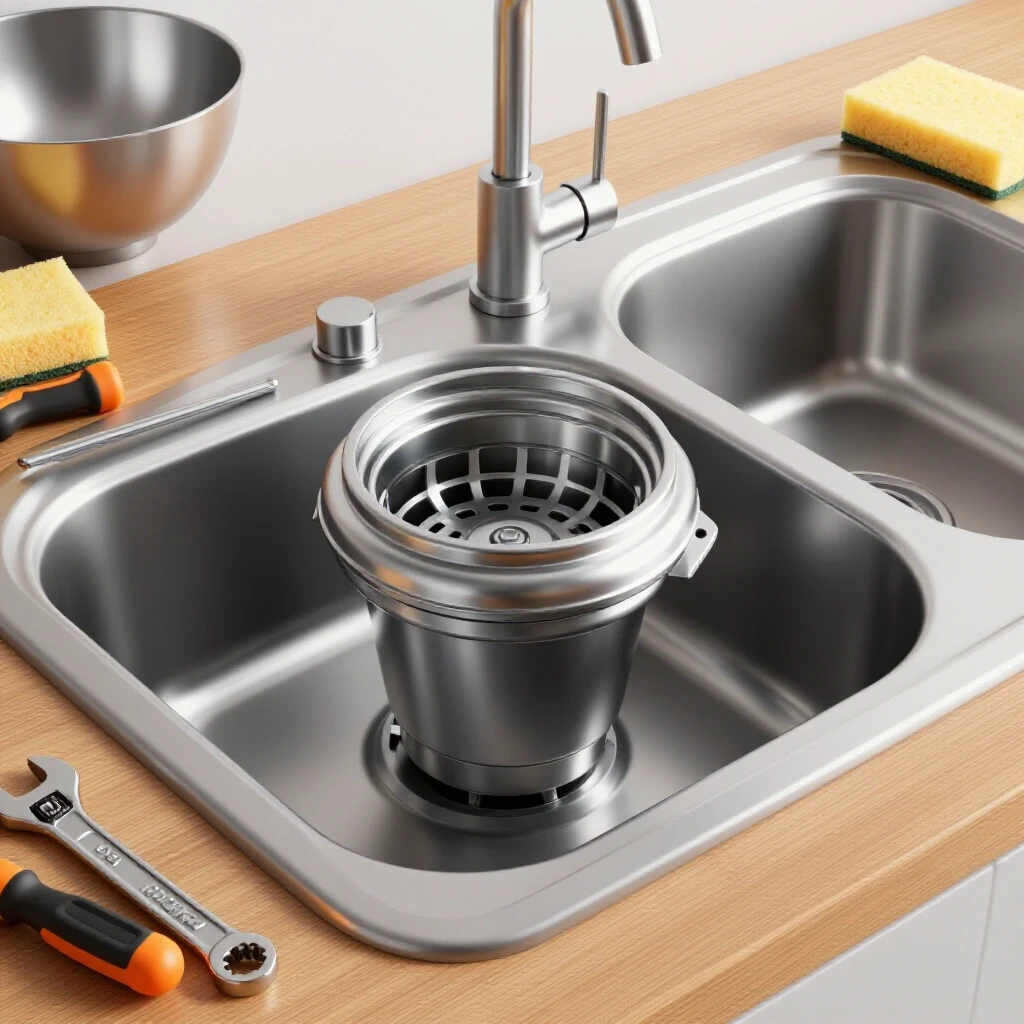
Assessing the Health of Your Current Waste Grinder
Determining the state of your existing unit involves a systematic check of its mechanical and structural integrity. You must identify if the motor is seized, if the internal seals have failed leading to external leaks, or if the grinding components are no longer breaking down food waste effectively.
Before you start unboxing a new unit, you need to know exactly why the old one failed. In my experience, most units fail in one of three ways: they leak from the bottom, they hum without spinning, or they simply stop receiving power. If you see water dripping from the very bottom of the motor housing, the internal seal has likely perished. This is not a repairable issue for most residential models. If the unit hums, a foreign object like a fruit pit or a piece of bone might be jammed in the impellers.
I always recommend a quick “wrench test” before declaring a unit dead. Most units have a hex-shaped hole at the very bottom. Inserting a 1/4-inch Allen wrench and giving it a firm turn can often break a jam loose. However, if the motor smells of ozone or the housing is cracked, replacement is your only path forward. Understanding these failure points helps you estimate the scope of your work and ensures you are not replacing a unit that just needed a simple reset.
- Diagnostic Checklist:
- Check for moisture on the cabinet floor (indicates seal failure).
- Listen for a metallic grinding noise (indicates worn bearings).
- Observe drainage speed (slow drainage can mean internal buildup).
- Inspect the reset button on the bottom (tripped buttons suggest motor strain).
Preparation and Safety Protocols
Safety in a kitchen environment requires a strict sequence of steps to prevent physical injury and water damage. This phase focuses on isolating the unit from its power source and clearing the workspace to ensure you have the leverage needed to handle heavy mechanical components safely.
I cannot stress safety enough. In the facilities world, we call this “Lockout/Tagout,” but at home, it means making sure there is zero chance the unit can turn on while your hands are near the blades. Unplug the unit from the wall. If it is hardwired, you must turn off the breaker and verify it with a non-contact voltage tester. Beyond electricity, you are dealing with water. Clear everything out from under the sink. You need room to move, and you do not want your cleaning supplies soaked if a pipe drips.
I once rushed a project like this and ended up with a bruised knuckle because I didn’t have enough clearance to turn my pliers. Now, I always lay down a thick towel and a shallow catch basin. This catches the “sludge” that inevitably remains in the P-trap. Being a busy professional means your time is valuable, so spend ten minutes on prep to save an hour of cleaning later.
| Metric | Estimated Value |
|---|---|
| Total Project Time | 2 to 4 Hours |
| Difficulty Rating | 4/10 (Moderate) |
| Active Labor Cost | $0 (DIY) |
| Potential Savings | $150 – $300 |
| Tool ROI | High (Basic tools used for years) |
Essential Tool Inventory for a Successful Swap
A successful installation relies on a specific set of hand tools designed for plumbing and mechanical fastening. These items allow you to apply the necessary torque to mounting rings and create watertight seals at the sink flange and discharge tube connections.
You do not need a massive rolling toolbox for this. Most of what I use fits in a small carry-all. The most important tool is actually a pair of large tongue-and-groove pliers, often called “Channel Locks.” These are essential for loosening the large plastic nuts on your drain lines. You will also need a set of screwdrivers—both Phillips and flat-head—to manage the mounting assembly screws.
I have found that a dedicated “plumber’s putty” is non-negotiable. Some people try to use silicone, but putty is traditional for a reason: it stays pliable and is much easier to remove if you ever have to do this again in ten years. If your new unit uses a “Snap Ring” style mount, a sturdy flat-head screwdriver will be your best friend for prying that ring into place.
- Large tongue-and-groove pliers (10-inch or 12-inch).
- Multi-bit screwdriver or dedicated Phillips and flat-head drivers.
- Plumber’s putty (one small tub).
- Hammer and a dull screwdriver (for the dishwasher knockout).
- Bucket and old towels.
- Flashlight or headlamp (essential for dark cabinets).
- Non-contact voltage tester (for safety verification).
Removing the Existing Hardware
This execution phase involves the physical disconnection of the waste unit from the sink’s plumbing and mounting bracket. It requires a combination of manual strength and careful positioning to support the weight of the motor as it is released from the sink basin.
Once the power is off and the area is clear, start by disconnecting the drain pipes. There are usually two: the main discharge tube leading to the P-trap and a smaller hose coming from the dishwasher. Use your pliers to loosen the slip nuts on the P-trap. Be ready with your bucket; even if the sink is empty, the trap will have water in it.
Next comes the “heavy lift.” Most units are held up by a mounting ring. You typically insert a screwdriver into one of the loops on the ring and turn it counter-clockwise. This releases the unit from the mounting assembly. Be careful—these units can weigh 15 to 20 pounds. I usually prop the unit up with a stack of books or a small car jack if I am working alone. This prevents the unit from dropping suddenly and straining the remaining connections or my wrists.
- Troubleshooting Note: If the mounting ring is stuck due to corrosion, a light tap with a hammer on the screwdriver handle can help break the seal of years of kitchen grime.
Preparing the Sink Flange and Sealing the Basin
The sink flange is the interface between the kitchen basin and the disposal unit, requiring a perfect seal to prevent leaks. This step involves cleaning the old mounting surface and applying a fresh gasket or putty bead to ensure a long-term, watertight fit.
After the old unit is out, you must remove the old sink flange. This is the metal ring you see when you look down into the sink. Pop it out from the top. You will likely see a ring of old, dried-out putty. This is a critical failure point. I spend a good five minutes scraping every bit of that old gunk off with a plastic putty knife or an old credit card. If the surface isn’t clean, the new seal will fail.
Take a golf-ball-sized piece of plumber’s putty and roll it between your hands until it looks like a long, thin snake. Wrap this around the underside of the new sink flange. Drop the flange into the sink hole and press down firmly. In my facility work, we emphasize “even pressure.” Don’t worry about the excess putty that squeezes out; we will clean that up later. The goal is to have a continuous bead of putty around the entire circumference.
Installing the New Mounting Assembly
The mounting assembly consists of a series of rings and a gasket that secure the flange to the sink from below. This hardware must be tightened sufficiently to compress the sealant and provide a stable platform for the heavy grinding motor.
From under the sink, you will slide on the fiber gasket, the backup ring, and then the mounting ring. This is where the “Snap Ring” comes in. It is a circular spring that holds everything in place while you tighten the screws. This is often the most frustrating part for DIYers. I find that using a pair of pliers to hold one side of the ring while pushing the other side with a screwdriver works best.
Once the snap ring is seated in the groove of the flange, tighten the three mounting screws. Tighten them in a circle, a little bit at a time. As you do this, you will see more putty squeezing out inside the sink. This is a good sign—it means the seal is compressing. Tighten until the assembly is rock solid. If it wiggles, your unit will vibrate and eventually leak.
The Dishwasher Knockout: A Critical Step
For homes with a dishwasher, the waste unit acts as a drainage point for the appliance. This step involves removing a plastic plug inside the unit’s intake port to allow water to flow from the dishwasher into the grinding chamber.
This is the number one mistake I see in DIY project logs. Inside the small nipple where the dishwasher hose connects, there is a plastic plug. If you have a dishwasher, you must knock this plug out. If you forget, your dishwasher will not drain, and you will end up with a flooded kitchen floor. I use a hammer and a flat-head screwdriver to tap the plug until it snaps off.
Important Troubleshooting Tip: Once the plug is knocked loose, reach inside the main chamber of the disposal and pull the plastic piece out. I once left the plug inside, and it made a terrifying rattling noise the first time I turned the unit on. It can also damage the impellers if left inside during operation.
Hanging the Motor and Connecting the Drains
This final assembly phase involves lifting the motor unit onto the mounting bracket and re-establishing the plumbing connections. Proper alignment of the discharge tube is necessary to ensure the system drains efficiently and meets standard plumbing configurations.
Now it is time to hang the unit. Align the three mounting tabs on the unit with the slide-up ramps on the mounting ring. Lift the unit and turn the mounting ring clockwise until the tabs are locked. You should feel a distinct “click” or stop point. If you are struggling with the weight, this is another great time to use that stack of books to hold the unit in place while you turn the ring.
Reconnect the discharge tube and the dishwasher hose. If the new unit is a different size than the old one, you might need to trim your PVC pipes or buy a longer tailpiece. I always “dry-fit” everything first. This means putting the pipes together without tightening the nuts to see if they line up. If the pipes are under tension or angled weirdly, they will leak. Ensure the rubber gasket on the discharge tube is seated flat against the disposal housing before tightening the metal flange.
- Connection Checklist:
- Dishwasher hose clamped tightly.
- Discharge tube gasket inspected for tears.
- Slip nuts on P-trap hand-tightened, then given a quarter-turn with pliers.
- Ensure the unit can still rotate slightly to allow for pipe alignment.
Testing for Leaks and Vibration
The final quality control check involves a series of water tests to verify the integrity of all seals and the stability of the mount. This ensures the project is complete and the system is ready for the rigors of a high-use kitchen.
Once everything is tight, it is time for the “flood test.” Plug the sink, fill it halfway with water, and then pull the plug. This puts a high volume of water through the system all at once, which is more likely to reveal a leak than just running the tap. Watch the sink flange, the discharge tube, and the P-trap joints closely. Use a dry paper towel to wipe the joints; if the towel comes away damp, you have a slow leak that needs another quarter-turn.
Finally, plug the unit back in and turn it on. It should run with a consistent hum. If it shakes violently, the mounting screws might be uneven, or the unit might not be fully locked into the ring. I always check the excess putty in the sink one last time. Once the unit has been tested, I scrape away the excess putty with my fingernail or a plastic tool for a clean finish.
| Symptom | Probable Cause | Fix |
|---|---|---|
| Leak at the sink flange | Not enough putty or uneven screws | Remove and re-seat with more putty |
| Dishwasher won’t drain | Knockout plug still in place | Remove hose and hammer out the plug |
| Unit vibrates excessively | Mounting ring not fully locked | Tighten ring with a screwdriver for leverage |
| Leak at the discharge pipe | Gasket misaligned or nut loose | Re-align gasket and tighten slip nut |
Long-Term Maintenance and Project Wrap-Up
Proper aftercare extends the life of the grinding unit and prevents common plumbing issues. This includes regular cleaning of the internal components and being mindful of the materials introduced into the system to avoid clogs and motor strain.
Congratulations, you have successfully upgraded your kitchen’s waste management system. To keep it running for the next decade, avoid putting fibrous foods like celery, onion skins, or coffee grounds down the drain. These can wrap around the impellers or create thick pastes that clog your pipes. I always tell my facility staff that “cold water is the secret.” Always run cold water while the unit is on and for 30 seconds after you turn it off. This solidifies grease so it can be ground up and flushed away rather than coating the pipes.
Every few months, I throw a handful of ice cubes and some lemon peels into the unit. The ice helps scour the blades, and the lemon provides a fresh scent. Store your Allen wrench in a small plastic bag taped to the back of the cabinet or the side of the unit. If it ever jams in the future, you won’t have to hunt for the tool while the sink is full of water.
- Maintenance Tips:
- Use cold water during operation.
- Never use harsh chemical drain cleaners (they damage seals).
- Periodically check the mounting screws for tightness if you notice increased noise.
- Keep a flashlight nearby for quick inspections.
Frequently Asked Questions
How long should it realistically take to swap a kitchen waste unit? For a first-timer who has researched the process, expect about 3 hours. This includes time for clearing the cabinet, carefully removing the old unit, cleaning the sink surface, and testing for leaks. A seasoned DIYer can often finish in under 90 minutes, but rushing usually leads to leaks.
Can I reuse the old mounting bracket if it looks okay? While it is physically possible if the brands are the same, I strongly recommend against it. The new unit comes with a fresh flange and mounting hardware designed to work together. Using the new hardware ensures the best possible seal and prevents issues with metal fatigue or corrosion in the old bracket.
What should I do if the new unit is shorter than the old one and the pipes don’t reach? This is a common “troubleshooting note.” You will need to purchase a longer “tailpiece” or a flexible slip-joint extension from the hardware store. Never try to stretch or force the pipes to meet, as this creates tension that will eventually cause a joint to fail.
Do I really need plumber’s putty, or is the rubber gasket enough? Some modern units come with a thick rubber gasket for the top flange. While these can work, many professionals and experienced DIYers prefer plumber’s putty because it conforms better to irregularities in the sink’s surface. If your sink is stainless steel and slightly flexed, putty is much more reliable.
Why is my new disposal making a loud clicking sound? Check inside the chamber for the dishwasher knockout plug. If you knocked it out but didn’t fish it out of the unit, it will rattle around. If the chamber is clear, check the mounting ring to ensure it is fully locked; a loose mount can cause the unit to vibrate against the sink.
Is it normal for the unit to smell after a few weeks? Yes, food particles can sometimes get trapped under the rubber splash guard. You can clean this by scrubbing the underside of the guard with an old toothbrush and dish soap. Running ice cubes through the unit also helps knock loose any lingering debris.
What happens if I don’t have a dishwasher? If you do not have a dishwasher, simply leave the knockout plug in place. It acts as a permanent seal. If you accidentally knock it out, you will have to buy a specific rubber cap and hose clamp to seal that port, otherwise, water will spray out of it every time you run the sink.
How tight should the mounting screws be? They should be tight enough that the mounting assembly does not move when you tug on it, but you don’t need to use all your strength. Over-tightening can actually warp the backup ring or cause the plumber’s putty to squeeze out too much, potentially thinning the seal.
Can I install a higher horsepower unit than I had before? Generally, yes. Higher horsepower units (like 3/4 or 1 HP) are quieter and grind food more finely. Just ensure you have the physical clearance under your sink, as these units are often significantly larger and heavier than the standard 1/2 HP models.
What if my sink has two basins? The disposal should be installed on the basin that is closest to the main drain line. The other basin will connect to the discharge tube of the disposal via a “T-junction.” Ensure the pipes are sloped downward toward the wall drain to prevent standing water in either basin.
(This article was written by one of our staff writers, Robert Callahan. Visit our Meet the Team page to learn more about the author and their expertise.)