How to Replace a Kitchen Sink Basket Strainer (Step-by-Step Guide)

When you invest time into a home upgrade, you expect the results to last for a decade, not just a weekend. Durability in plumbing starts with the small components that manage water flow and prevent structural damage to your cabinetry. A well-installed drain assembly is the silent guardian of your kitchen, ensuring that every gallon of water ends up in the pipes rather than on your floorboards.
Early in my career as a facilities manager, I overlooked a tiny drip under a breakroom sink. I assumed the seal was fine because the hardware looked new. Two weeks later, the particleboard cabinet base had warped so badly it required a full replacement. That experience taught me that a leak at the sink’s exit point is often a failure of the sealing material or a loose locknut. Balancing a full-time job and home projects means you cannot afford to do the same job twice. My goal is to help you get this right the first time using the same standards I use in commercial maintenance.
Understanding the Mechanics of Sink Drain Assemblies
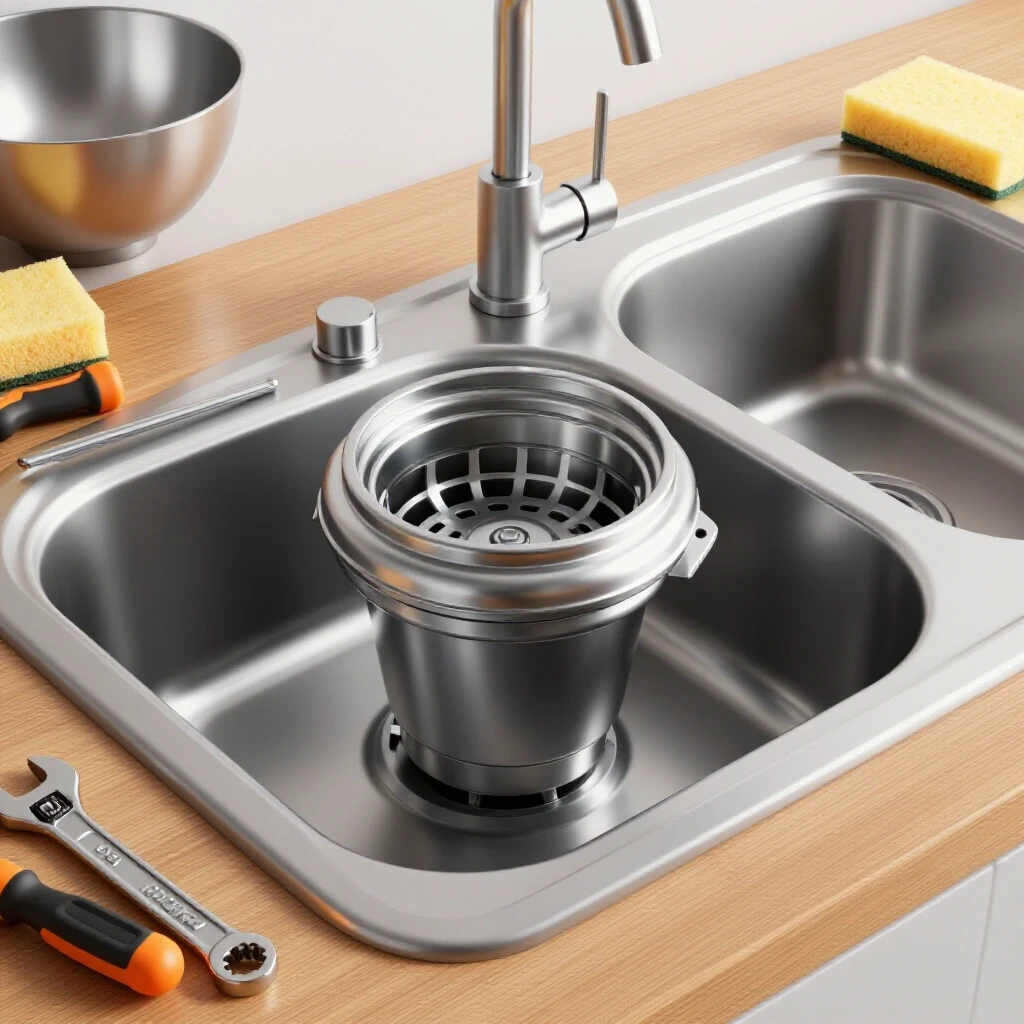
A drain assembly consists of a metal flange that sits inside the sink, a rubber gasket, a friction washer, and a large locknut that secures everything from underneath. These components work together to create a compression seal that prevents water from escaping between the sink material and the plumbing.
Before you start, you must understand the “why” behind the components. The metal flange is the visible part of the drain. Under the sink, the rubber gasket provides the primary waterproof barrier. The friction washer, usually made of paper or thin plastic, allows the locknut to spin freely against the rubber without bunching it up. If you skip the friction washer, the rubber gasket will distort as you tighten the nut, almost guaranteeing a leak. This project typically takes about two hours of active work, but the payoff is a bone-dry cabinet for years to come.
DIY vs. Professional Labor and Cost Analysis
| Factor | DIY Approach | Professional Plumber |
|---|---|---|
| Material Cost | $15 – $40 | Included in total |
| Labor Cost | $0 (Your time) | $150 – $300 |
| Time Investment | 1.5 – 3 Hours | 45 Minutes |
| Tool Investment | $25 – $50 | Already owned by pro |
| Total Estimated Cost | $40 – $90 | $200 – $350 |
Essential Inventory for a Successful Drain Repair
Having the right tools on hand prevents the frustration of mid-project hardware store runs. You will need specific items to handle the tight spaces and stubborn hardware found under a standard kitchen sink.
- Large Slip-Joint Pliers (Channel Locks): These are necessary for gripping the large locknut. Look for a pair with at least a 3-inch jaw capacity.
- Plumber’s Putty or 100% Silicone: This creates the seal between the upper flange and the sink surface. Putty is traditional and easy to clean, while silicone is often preferred for granite or marble to avoid staining.
- Basin Wrench: This specialized tool has a long handle and a pivoting jaw, allowing you to reach nuts in deep, cramped spaces behind the sink bowl.
- Putty Knife: Used for removing old, hardened sealant from the sink surface without scratching the finish.
- Bucket and Rags: You will encounter “gray water” trapped in the pipes; a bucket is non-negotiable for keeping your workspace clean.
- Flashlight or Headlamp: Proper visibility is the difference between a cross-threaded nut and a smooth installation.
Safety Protocols and Building Code Compliance
Safety in plumbing involves more than just avoiding cuts; it includes ergonomic awareness and following the Uniform Plumbing Code (UPC) to ensure your home remains insurable and safe.
Always wear safety glasses when working under a sink. Debris, old dried putty, and metal shavings can fall into your eyes as you loosen the old assembly. Furthermore, ensure you are positioned comfortably; use a folded towel or a foam pad to cushion your back against the cabinet edge. According to the UPC, all drainage connections must be gas-tight and water-tight. While this project focuses on the basket assembly, ensure your P-trap remains accessible for future cleaning. Never use permanent adhesives like epoxy on these joints, as they must be removable for maintenance.
Project Difficulty and Effort Scale
- Skill Level: Intermediate (Requires steady hands and basic tool knowledge).
- Physical Effort: Moderate (Involves working in a cramped, overhead position).
- Time Estimate: 1 hour for removal and cleaning; 1 hour for installation and testing.
- Risk Factor: Low (Water damage is the primary risk if not sealed correctly).
Phase 1: Removing the Failed Drain Component
Removing an old, corroded drain assembly is often the most challenging part of the project due to mineral buildup and “stiction,” which is the friction that prevents stationary surfaces from moving.
Start by placing your bucket under the P-trap. Loosen the slip nuts connecting the tailpiece to the bottom of the drain assembly. Once the piping is disconnected, use your large pliers to turn the locknut counter-clockwise. If the nut is seized, do not force it with extreme violence, as you could crack a ceramic sink. Instead, apply a penetrating oil and let it sit for 20 minutes. Once the nut is off, push the assembly up through the hole from underneath. You may need to use a screwdriver to gently pry the flange away from the sink if the old putty is still holding strong.
Phase 2: Surface Preparation and Cleaning
A new seal will only be as good as the surface it bonds to. Any leftover old putty or mineral deposits will create microscopic gaps that water will eventually find.
Use your putty knife to scrape away the bulk of the old sealant. For stubborn residue, a non-abrasive scrubbing pad and a bit of denatured alcohol work wonders. Ensure the rim of the sink hole is completely smooth and dry. If you are working with a stainless steel sink, check for any sharp burrs around the hole that might cut your new gasket. This “dry-fit” stage is also the time to ensure your new assembly fits the hole diameter. Most standard kitchen sinks have a 3.5-inch opening, but it is always wise to verify before applying any sealant.
Phase 3: Applying the Sealant and Seating the Flange
The choice between plumber’s putty and silicone depends on your sink material and personal preference. Plumber’s putty is a clay-like substance that remains flexible for years, while silicone provides a more modern, chemical bond.
If using putty, take a golf-ball-sized amount and roll it between your palms to create a “snake” about the thickness of a pencil. Wrap this ring around the underside of the new flange. If you choose silicone, apply a consistent 1/4-inch bead around the same area. Lower the flange into the sink hole and press down firmly. Some sealant should ooze out around the edges; this is a good sign that you have full coverage. Do not move the flange once it is seated, as shifting it can break the seal and introduce air pockets.
Sealant Comparison and Cure Times
| Material | Best Use Case | Clean-up Difficulty | Cure Time |
|---|---|---|---|
| Plumber’s Putty | Stainless Steel / Cast Iron | Easy (Wipe away) | Instant (No wait) |
| 100% Silicone | Stone / Composite / Granite | Moderate (Solvent) | 24 Hours |
| Hybrid Sealant | Universal Applications | High | 12 – 24 Hours |
Phase 4: Securing the Under-Sink Components
This phase requires coordination. You must hold the flange from above while threading the locknut from below, or have a partner assist you to prevent the flange from spinning.
From underneath the sink, slide the thick rubber gasket onto the tailpiece first, followed by the friction washer. The friction washer is vital; it acts as a bearing, allowing the metal locknut to tighten against the rubber without twisting it. Thread the locknut onto the flange by hand until it is snug. Using your large pliers, tighten the nut another half-turn to three-quarters of a turn. You want it tight enough to compress the gasket and squeeze out the excess putty above, but not so tight that you deform the sink or snap the plastic threads.
Phase 5: Reconnecting the Tailpiece and Testing
The tailpiece is the pipe that connects the basket assembly to the P-trap. Reinstalling this requires ensuring the washers are seated correctly within the slip nuts.
Slide the slip nut and the beveled washer onto the tailpiece. The “pointy” end of the washer should face the joint you are sealing. Insert the tailpiece into the bottom of the new drain assembly and tighten the slip nut by hand. Once hand-tight, give it an extra quarter-turn with your pliers. Now, remove the bucket and dry everything thoroughly with a clean rag. Turn on the faucet and let the water run for several minutes. Use a dry paper towel to wipe every joint; even the smallest damp spot indicates a leak that needs a slight tightening.
Troubleshooting Common Installation Failures
Even with careful planning, issues can arise. Understanding how to pivot when things go wrong will save you from a late-night call to a professional.
If you notice water seeping from the very top of the flange, the putty ring likely had a gap. You will need to disassemble, clean, and reapply the sealant. If the leak is coming from the locknut area, check if the rubber gasket is seated squarely. Sometimes, the gasket can get pinched or pushed out of alignment if the friction washer was omitted. Another common failure is over-tightening, which can actually “bowl” a thin stainless steel sink, causing water to pool around the drain rather than flowing into it. If this happens, loosen the nut slightly and see if the metal returns to its original shape.
Maintenance and Long-Term Care
Once the project is complete, a small amount of preventative maintenance will extend the life of your new hardware.
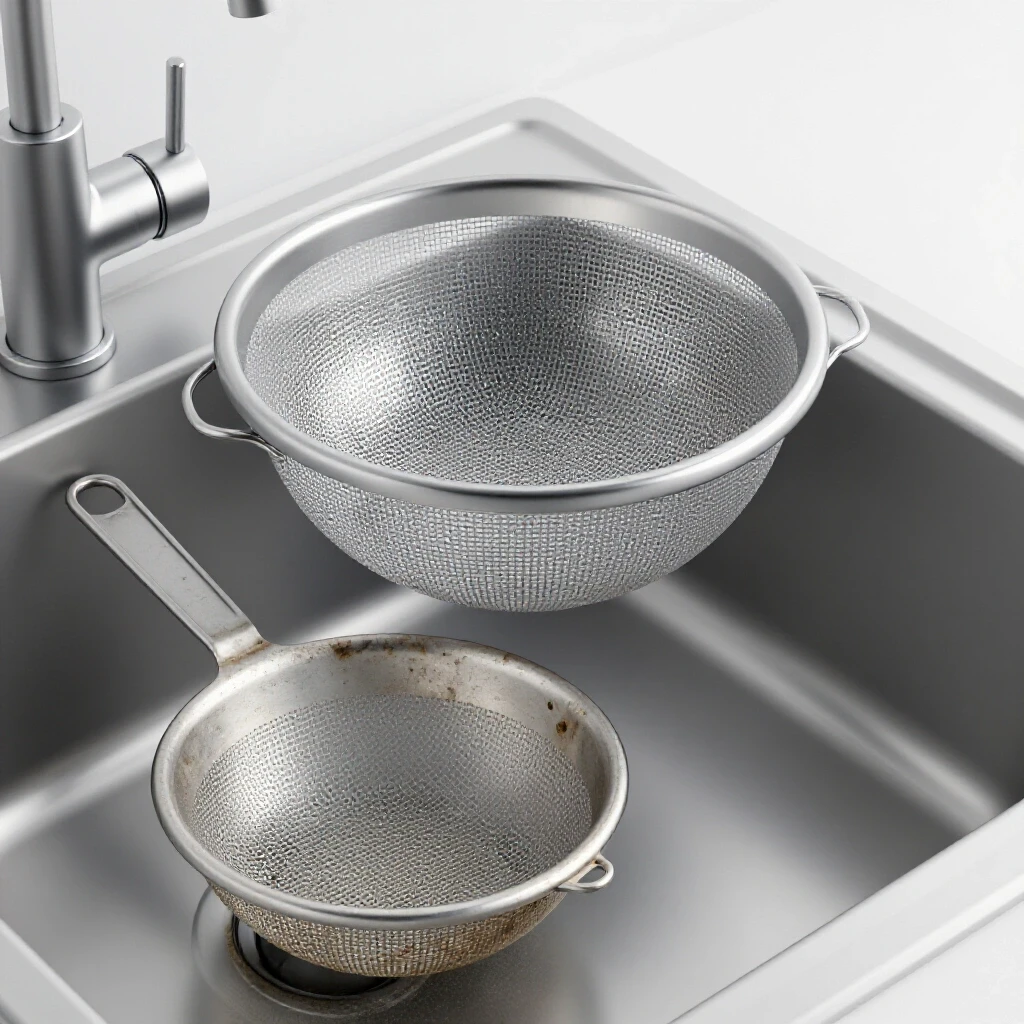
Avoid using harsh chemical drain cleaners, as the caustic nature of these liquids can degrade the rubber gaskets and eat away at the finish of your new metal flange. Instead, use a mesh strainer to catch food particles and flush the drain with hot water and dish soap weekly. Periodically check under the sink with a flashlight to ensure no slow drips have developed due to house settling or vibrations from a nearby dishwasher.
Tool Maintenance Post-Project
- Clean the Pliers: Wipe away any residual putty or water to prevent rust.
- Seal the Putty Jar: Ensure the lid is tight; if putty dries out, it becomes useless for future repairs.
- Wipe the Basin Wrench: These tools have moving parts that can seize if stored while damp.
- Organize for Next Time: Store these plumbing-specific tools in a dedicated bin so you aren’t hunting for them during the next “weekend warrior” session.
Final Quality Control Checklist
Before you declare the project finished and return to your busy work week, run through this final check to ensure everything is code-compliant and secure.
- [ ] Is the flange centered in the sink hole?
- [ ] Has all excess putty been cleaned from the sink surface?
- [ ] Is the friction washer placed between the rubber gasket and the locknut?
- [ ] Are the slip nuts on the tailpiece hand-tight plus a quarter-turn?
- [ ] Did the paper towel test come back 100% dry after a five-minute water test?
- [ ] Is the P-trap still properly aligned and not under tension?
By following these steps, you have not only saved a significant amount of money but also gained the peace of mind that comes from knowing the job was done to a professional standard. Taking ownership of your home’s mechanical systems is a hallmark of a successful DIYer, and this upgrade is a perfect example of how a few hours of focused effort can prevent years of potential damage.
Frequently Asked Questions
Can I reuse the old rubber gasket if it looks okay?
No. Rubber gaskets harden and take a “set” over time. Once the compression is released, they rarely reseal effectively. Always use the new hardware provided with your replacement kit to ensure a watertight fit.
How tight is “too tight” when securing the locknut?
If you see the rubber gasket beginning to bulge out significantly or if the metal of the sink starts to deflect downward, you have gone too far. Aim for a firm resistance where the nut no longer moves with moderate pressure from your pliers.
Why is my new drain assembly leaking even after I tightened it?
The most common reason is a “dry” spot in the plumber’s putty or a misaligned gasket. If the sink hole is slightly irregular, the putty might not have filled every void. Disassemble and try a slightly thicker ring of putty.
Is silicone better than plumber’s putty?
Silicone is superior for porous materials like granite or marble because it won’t “bleed” oils into the stone. However, putty is much easier to remove if you ever need to replace the unit again. For standard stainless steel, putty is usually the preferred choice for DIYers.
What should I do if the locknut is stuck and won’t budge?
Use a penetrating oil like PB Blaster and let it soak for at least 30 minutes. If it still won’t move, you can carefully use a hacksaw or a rotary tool to cut a notch in the nut, being extremely careful not to damage the sink itself.
Do I need to apply sealant to the rubber gasket under the sink?
Generally, no. The rubber gasket is designed to seal through compression against the smooth underside of the sink. Adding putty or silicone to the gasket can actually make it slippery and cause it to squeeze out of place when you tighten the nut.
How long do I have to wait before using the sink?
If you used plumber’s putty, you can use the sink immediately. If you used 100% silicone, you must wait for the manufacturer’s recommended cure time, which is typically 12 to 24 hours, before running water through the drain.
Why does the flange keep spinning when I try to tighten the nut?
There isn’t enough friction to hold it. You can use a “dumbell wrench” or the handles of a pair of pliers inserted into the crosshairs of the flange to hold it steady from above while you turn the nut from below.
(This article was written by one of our staff writers, Robert Callahan. Visit our Meet the Team page to learn more about the author and their expertise.)