How to Paint a Fireplace Mantel Without Common Mistakes (Guide)

Focusing on simplicity is often the hardest part of a home project. As a facilities manager with 12 years of experience, I have overseen everything from industrial HVAC installs to simple office repaints. However, my own home is where the real lessons are learned. I remember standing in my living room on a Sunday evening, looking at a fireplace mantel that looked like a topographical map of a disaster area. I had rushed the process, ignored the curing times, and ended up with a finish that was tacky to the touch and uneven in the light.
That experience taught me that weekend home upgrades are not just about the final look. They are about the discipline of the process. For busy professionals, time is the most valuable resource. We often try to squeeze a three-day job into a single Saturday. When we do that with a focal point like a fireplace, the mistakes are visible to everyone who enters the room. This guide is built on the lessons I learned the hard way so you can get a professional result without the professional price tag.
Strategic Planning for a Mantel Refresh
Before you pick up a brush, you must evaluate the scope of the work and the environment of your project. This phase involves assessing the current state of the wood, the type of existing finish, and how the fireplace is used. Proper planning prevents the most common failures in residential refinishing.
Planning is the foundation of any successful DIY home improvement. It involves setting a realistic timeline, budgeting for high-quality materials, and understanding the physical demands of the task. A fireplace is a high-traffic, high-visibility area that requires more attention to detail than a closet or a baseboard.
Assessing the Substrate and Existing Finish
The “substrate” is simply the surface you are working on. Most mantels are made of solid wood or wood veneer. You need to know if the current finish is oil-based or water-based. You can test this by rubbing a small area with a cotton ball soaked in denatured alcohol. If the finish softens or comes off, it is likely shellac or latex. If it does not, it is likely a hard varnish or oil-based polyurethane.
Realistic Time and Effort Estimates
Many online tutorials claim you can finish this in two hours. That is a myth. In my experience, a quality job takes a full weekend when you account for cleaning, sanding, and the mandatory drying times between coats.
| Phase | Active Labor Time | Waiting/Curing Time | Total Elapsed Time |
|---|---|---|---|
| Preparation & Cleaning | 1 Hour | 2 Hours | 3 Hours |
| Sanding & Dust Removal | 2 Hours | 0 Hours | 2 Hours |
| Priming (2 coats) | 1.5 Hours | 4-6 Hours | 7.5 Hours |
| Painting (2 coats) | 1.5 Hours | 8-12 Hours | 13.5 Hours |
| Total Project | 6 Hours | 14-20 Hours | Approx. 26 Hours |
Tool Inventory and Safety Standards
Having the right tools on hand prevents mid-project trips to the hardware store. For a fireplace project, you need tools that handle fine detail and ensure a smooth application. Safety gear is equally important, especially when working with old finishes that may contain lead or when using high-VOC primers.
A complete DIY tool list ensures that you can move through each stage of the project without interruption. Using the wrong tool, like a low-quality brush or the wrong grit of sandpaper, can lead to visible brush marks or a rough texture. Investing in a few professional-grade items will pay for itself in the quality of the final result.
Essential Tool List
- Small Orbital Sander: Used for flat surfaces to ensure an even profile.
- Detail Sanding Sponges: Essential for reaching into the grooves and moldings of the mantel.
- Synthetic Filament Brushes: Better for water-based paints as they hold their shape.
- High-Density Foam Roller: Used for a smooth, “sprayed-on” look on flat areas.
- Tack Cloths: Specially treated cheesecloth used to remove every speck of dust before painting.
- Painter’s Tape: Use a multi-surface tape with a high-quality adhesive seal.
- Drop Cloths: Heavy canvas is better than plastic as it absorbs drips and stays in place.
Safety Protocol and Personal Protective Equipment (PPE)
Safety is the most overlooked part of weekend DIY projects. When I managed facility crews, PPE was non-negotiable. At home, it should be the same.
- Respirator: Use a N95 mask at minimum for sanding, but a dual-cartridge respirator is better if you are using oil-based primers.
- Eye Protection: Fine wood dust can cause significant eye irritation.
- Lead Testing Kit: If your home was built before 1978, test the existing paint before sanding. Sanding lead paint creates toxic dust that stays in your carpet and ductwork.
Adhering to Fire Safety and Building Codes
Fireplaces are subject to strict building codes because of the heat they generate. Even if you are only changing the color of the wood, you must ensure your work does not create a fire hazard. National and local codes dictate how close combustible materials can be to the firebox.
Building code compliant DIY involves checking the NFPA 211 standards. This standard covers chimneys, fireplaces, and vents. It generally requires a specific “clearance to combustibles.” If your mantel is already installed, you likely meet these codes, but you must ensure your new finish can handle the heat.
Understanding Heat Clearances
The National Fire Protection Association (NFPA) recommends that all combustible material, including a wooden mantel, be at least 6 inches away from the fireplace opening. For every inch the mantel protrudes from the wall, you often need additional clearance.
- Combustible Material: This includes the wood of the mantel and the paint or stain applied to it.
- Heat Resistance: Standard interior latex paint is generally safe for mantels, but it can soften if the surface temperature exceeds 150 degrees Fahrenheit.
- Clearance Check: Measure the distance from the top of the firebox to the bottom of the mantel. If it is less than 6 inches, consult a professional before proceeding.
The Step-by-Step Refinishing Process
Execution is where the planning pays off. This stage is a sequence of events that must be followed in order. Skipping a step, like the final dust wipe-down, will result in a gritty finish that you will feel every time you touch the mantel.
This phase moves from the “dirty work” of preparation to the “clean work” of application. Each step builds on the previous one. If the preparation is poor, the paint will not bond. If the bond is weak, the paint will peel within a year due to the heat cycles of the fireplace.
Phase 1: Deep Cleaning and Deglossing
Fireplaces accumulate soot, oils from hands, and wax from candles. Paint will not stick to these contaminants. I use a mixture of Trisodium Phosphate (TSP) and warm water.
- Scrub the entire surface with a stiff sponge.
- Rinse with clean water to remove any TSP residue.
- Allow the wood to dry completely. If the wood is damp, the paint will bubble later.
Phase 2: Sanding for Adhesion
You are not trying to remove all the old finish. You are “scuff sanding” to create “tooth.” This gives the primer something to grip.
- Use 120-grit sandpaper for the first pass.
- Follow up with 220-grit for a smoother surface.
- Always sand in the direction of the wood grain to avoid cross-grain scratches.
- Use the tack cloth to remove all dust. This is a critical step for a smooth finish.
Phase 3: Priming the Surface
Priming is not just about color; it is about chemical bonding. For a mantel, I recommend a high-quality “stain-blocking” primer. This prevents the tannins in the wood from bleeding through the paint and turning it yellow.
- Apply one thin coat of primer.
- Let it dry for the full time recommended by the manufacturer.
- Lightly sand the primer with 320-grit paper to knock down any raised grain.
- Wipe again with a tack cloth.
Recovering from a Common Application Error
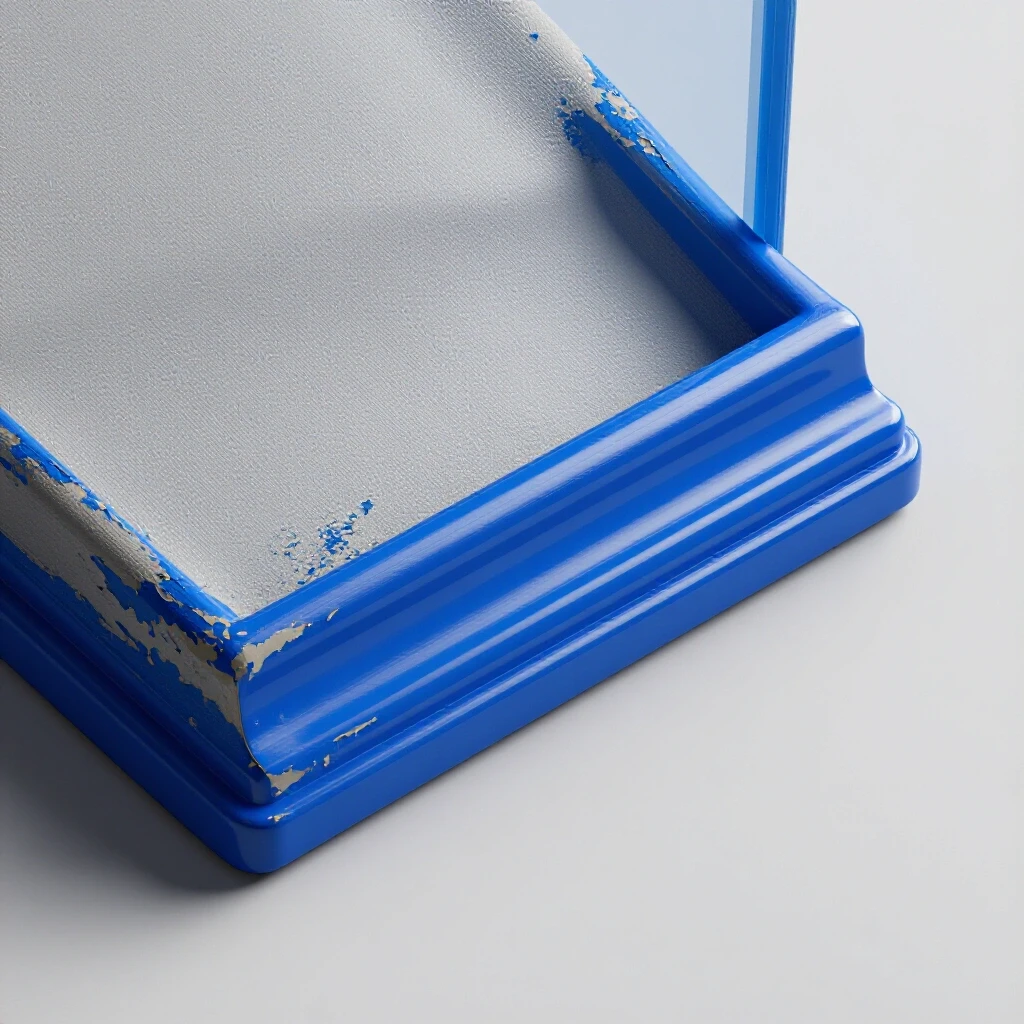
In one of my early projects, I made a significant mistake that nearly ruined the mantel. I applied a heavy second coat of paint before the first coat had fully “off-gassed” or cured. This trapped moisture between the layers, resulting in a finish that looked like orange peel and stayed soft for weeks.
A finish failure usually happens because of environmental factors or impatience. In my case, it was a humid day, and I was in a rush to finish before the football game started. I had to wait three days for the paint to harden enough to sand it back down to the primer and start over.
Identifying the “Tacky Finish” Problem
If your paint feels sticky 24 hours after application, something is wrong. This usually happens for three reasons: 1. High Humidity: Moisture in the air prevents the water in the paint from evaporating. 2. Excessive Film Thickness: Applying paint too thick prevents the bottom layer from drying. 3. Incompatible Chemicals: Putting a water-based paint over an oil-based primer that hasn’t cured for at least 24-48 hours.
How to Fix a Poor Surface Texture
If you see drips, brush marks, or a “crinkled” texture, do not try to fix it while the paint is wet. You will only make it worse.
- Stop: Let the paint dry for at least 48 hours.
- Level: Use a sanding block with 220-grit paper to level out the high spots and drips.
- Clean: Remove the dust with a damp cloth, then a tack cloth.
- Re-coat: Apply a very thin layer of paint using a foam roller for the flat areas. This “leveling” coat will fill in the low spots and create a uniform appearance.
Long-Term Maintenance and Heat Resistance
Once the project is complete, the mantel needs time to reach its full hardness. This is known as the “cure time,” which is different from the “dry time.” While paint may be dry to the touch in two hours, it can take up to 30 days to fully cure.
During the first month, avoid placing heavy objects or candles on the mantel. The heat from the fireplace can accelerate the curing process, but it can also cause “blocking,” where objects stick to the paint.
Cleaning and Care
- Dusting: Use a soft microfiber cloth. Avoid abrasive cleaners.
- Heat Check: After your first fire of the season, touch the mantel. If it feels hot enough to be uncomfortable, you may need to install a fireplace hood to deflect heat away from the wood.
- Touch-ups: Keep a small jar of the original paint. Use a Q-tip for small nicks rather than a brush to avoid creating a texture difference.
| Material | Dry Time (Touch) | Re-coat Window | Full Cure Time |
|---|---|---|---|
| Water-based Primer | 30 Minutes | 2 Hours | 7 Days |
| Latex Interior Paint | 1 Hour | 4 Hours | 21-30 Days |
| Hybrid Alkyd Paint | 2-4 Hours | 12-24 Hours | 30 Days |
Conclusion and Next Steps
Refinishing a fireplace mantel is a high-impact weekend DIY project that adds significant value to your home. By focusing on the details of preparation and respecting the chemistry of the materials, you can avoid the frustration of a failed finish. My own mistake taught me that a “fast” job often takes twice as long because of the rework involved.
If you are ready to start, your first step is to clear the mantel and perform the alcohol test on the existing finish. Buy your sandpaper and primer early so you aren’t rushed on Saturday morning. Remember, the goal is a safe, functional, and beautiful upgrade that stands up to the heat of your home and the scrutiny of your guests.
Frequently Asked Questions
Can I paint a mantel without sanding it first?
While some “no-sand” products exist, I do not recommend them for fireplace mantels. The heat from the fire causes the wood to expand and contract. Without the mechanical bond created by sanding, the paint is much more likely to crack or peel over time. Scuff sanding takes only 20 minutes but adds years to the life of the finish.
What is the best type of paint for a fireplace mantel?
A “cabinet-grade” or “trim” paint is usually best. These are often hybrid alkyd paints that clean up with water but dry to a hard, durable finish similar to oil paint. They resist “blocking,” which means your decor won’t stick to the surface once it is cured.
How do I prevent brush marks on the smooth wood?
Use a high-quality synthetic brush for the corners and a 4-inch high-density foam roller for the flat surfaces. The foam roller provides a very smooth texture. Another tip is to use a “floetrol” or paint extender, which slows down the drying time and allows the paint to level out before it sets.
Is it safe to paint the inside of the fireplace?
No. Standard interior paint is combustible and will release toxic fumes or catch fire if used inside the firebox. Only use specialized “high-heat” paint rated for temperatures up to 1,200 degrees Fahrenheit for the interior masonry or metal of the fireplace.
How long should I wait to use the fireplace after painting?
I recommend waiting at least 72 hours before starting a fire. Even then, start with a small, low-heat fire. The goal is to ensure the paint has reached a basic level of hardness so the heat does not cause it to bubble or off-gas.
Why did my paint turn yellow near the firebox?
This is usually caused by “tannin bleed” or heat damage. If you didn’t use a stain-blocking primer, the natural oils in the wood are being pulled to the surface by the heat. If it is heat damage, the mantel may be too close to the firebox, and you should check local building codes for clearance requirements.
How much does it cost to DIY vs. hiring a professional?
A professional will charge between $300 and $600 to refinish a mantel, mostly for labor. Doing it yourself will cost approximately $60 to $100 in materials, including high-quality paint, primer, and sandpaper. This represents a significant ROI for a single weekend of work.
What should I do if the paint is peeling?
Peeling is a sign of poor adhesion. You must scrape away the loose paint, sand the edges until they are smooth (feather sanding), re-prime the bare wood with a high-adhesion primer, and then re-apply the topcoat. Do not simply paint over peeling areas, as the new layer will eventually fall off too.
(This article was written by one of our staff writers, Robert Callahan. Visit our Meet the Team page to learn more about the author and their expertise.)