How to Build a Durable Cat Ledge That Lasts (Step-by-Step Guide)

Vertical living for pets has moved from a niche hobby to a standard home upgrade for many professionals. As someone who manages large-scale facilities during the week, I look at walls differently than most. I see them as structural grids capable of supporting more than just paint and family photos. When I decided to install a series of wall-mounted wooden platforms for my own home, I approached it with the same rigor I use for commercial maintenance. I have spent 12 years troubleshooting why things fall off walls, and I wanted to ensure these elevated pet walkways remained secure long after the initial installation.
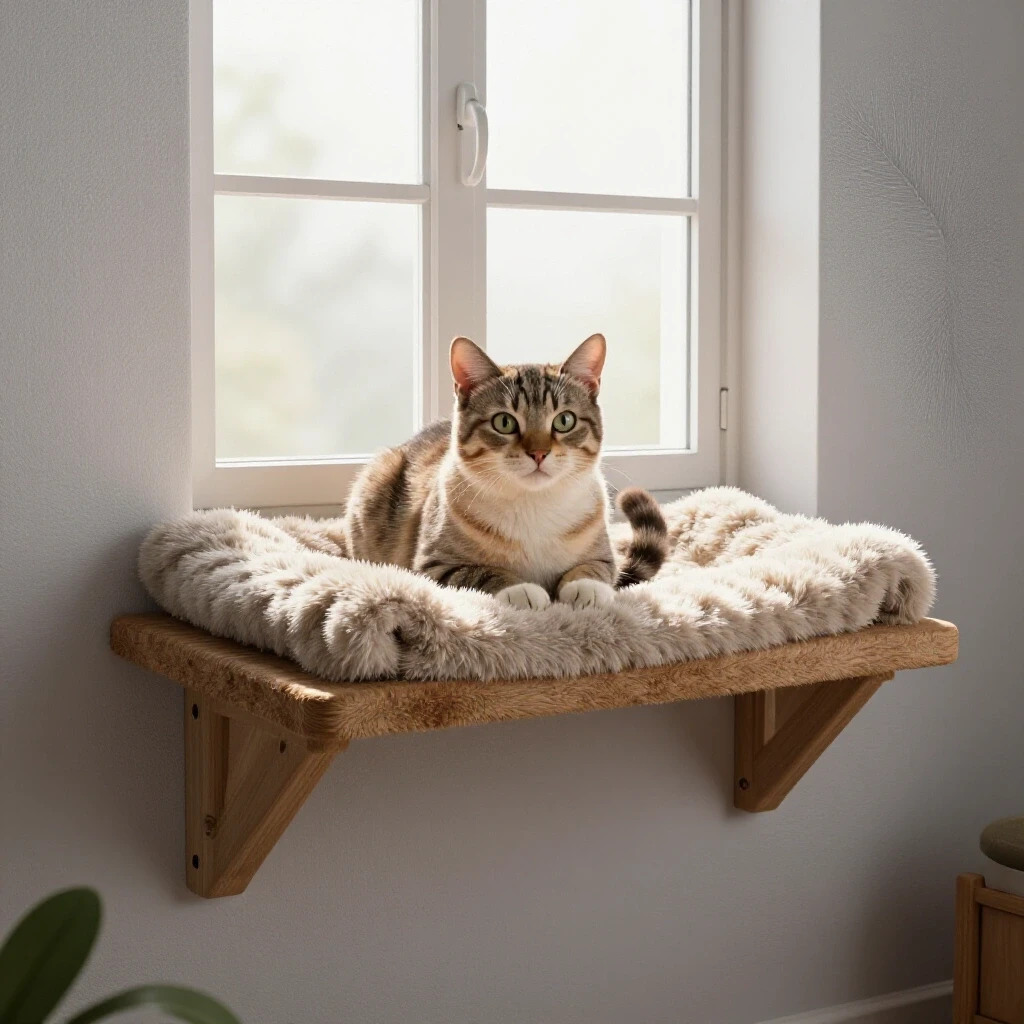
Many online tutorials overlook the physics of dynamic weight. A ten-pound cat does not just sit on a shelf; they launch from it and land on it with significant force. This creates a “moment arm” effect that can easily pull a standard bracket right out of the drywall. In my journey across two different homes, I have learned that the difference between a successful weekend project and a ruined wall often comes down to how well you understand your home’s skeleton. This guide focuses on creating a robust, safe, and aesthetically pleasing vertical environment that respects both your home’s structural integrity and your time.
Planning Structural Pet Platforms for Long-Term Use
Planning involves assessing wall composition, identifying stud locations, and determining the appropriate height for safe feline access. This phase ensures the platform integrates with your home’s existing layout while providing a stable, secure surface that can withstand the dynamic force of a jumping animal over several years. Proper planning prevents the need for costly drywall repairs later.
Before you pick up a drill, you must understand what is behind your paint. Most modern homes use 2×4 or 2×6 wooden studs spaced 16 inches apart on center. Some older homes or basement builds might use 24-inch spacing. Using a high-quality stud finder is not optional here. In my experience, the cheaper “edge-finding” models often give false positives, especially if you have double-layered drywall or lath and plaster. I prefer a “center-finding” stud finder that uses deep-sensing technology.
You also need to consider the height and spacing between each wooden surface. A common mistake is placing them too far apart, forcing the animal to make risky leaps. I follow a rule of thumb where the vertical rise between levels does not exceed 12 to 15 inches. This ensures that even as a pet ages, the vertical path remains accessible.
- Identify Stud Locations: Mark the center of each stud with a pencil.
- Check for Utilities: Use a non-contact voltage tester to ensure you are not drilling into electrical lines.
- Map the Route: Use painters’ tape to visualize the platforms on the wall before drilling any holes.
Essential Equipment for Secure Wall Mounting
Selecting the right tools is the difference between a loose shelf and a permanent fixture. This list focuses on precision measurement, high-torque fastening, and surface preparation tools required to install heavy-duty wooden surfaces. Reliable tools ensure that your work meets professional standards and maintains structural integrity throughout the life of the project.
In my years of DIY home improvement, I have found that using the wrong fastener is the primary cause of project failure. For mounting into wooden studs, I avoid standard drywall screws. They are brittle and can snap under shear stress. Instead, I use structural wood screws or cabinet screws with a built-in washer head. These provide much higher pull-out resistance and can handle the vibrations of a jumping pet.
| Tool Type | Essential Tool | Purpose |
|---|---|---|
| Measurement | 24-inch Level | Ensures the platform is perfectly horizontal to prevent sliding. |
| Detection | Deep-Sensing Stud Finder | Locates the center of wooden studs through various wall thicknesses. |
| Power | Cordless Drill/Driver | Creates pilot holes and drives fasteners with controlled torque. |
| Safety | Eye Protection & Dust Mask | Protects against wood splinters and drywall dust during drilling. |
| Marking | Carpenter’s Pencil | Provides clear, erasable marks on textured or painted surfaces. |
| Specialized | Countersink Bit | Allows screw heads to sit flush with or below the wood surface. |
Material Selection and Load-Bearing Calculations
Choosing wood species and bracket hardware requires understanding tensile strength and shear force. Softwoods like pine are common but may require thicker dimensions, while hardwoods offer more rigidity. This section explains how to match material thickness with the expected weight load to prevent sagging or failure during high-impact activities.
When selecting wood, look for kiln-dried lumber to prevent warping. I often use 1-inch thick solid pine or oak for the platforms. Plywood is an option, but you must ensure it is at least 3/4-inch thick and cabinet-grade to avoid delamination. The depth of the platform matters significantly; a deeper shelf creates more leverage on the wall fasteners. I limit my platform depths to 10 or 12 inches to keep the center of gravity closer to the wall.
- Static Load: The weight of the pet and the wood itself.
- Dynamic Load: The force generated when a pet jumps. This can be 3 to 5 times the static weight.
- Grain Orientation: Always cut your wood so the grain runs parallel to the wall for maximum strength across the span.
Step-by-Step Installation of Vertical Feline Runways
This execution phase covers the actual physical work of marking, drilling, and securing the platforms. It follows a logical sequence to ensure level placement and maximum grip within the wall studs. Following these steps helps avoid common errors like stripped screws or misaligned brackets that compromise the safety of the installation.
- Mark Your Pilot Holes: Once you have located the stud centers, hold your bracket or the pre-drilled wood platform against the wall. Use your level to ensure it is straight. Mark the hole locations clearly.
- Drill Pilot Holes: Use a drill bit that is slightly smaller than the shank of your screw. This prevents the wood stud from splitting while allowing the threads to bite firmly. For a standard #8 screw, a 1/8-inch bit usually works well.
- Dry-Fit the Components: Before applying any finishes or permanent adhesives, hold the platform in place with one screw. Check the level again. This is where I often catch small alignment issues that would be harder to fix later.
- Secure the Fasteners: Drive your structural screws into the studs. If you are using brackets, ensure they are rated for at least 50 pounds each. In my facility management work, we always over-engineer for a 4x safety factor.
- Check for Movement: Once tight, give the platform a firm downward tug. There should be zero “play” or wiggle. If it moves, you likely missed the center of the stud or the screw is too short.
Why Skipping Dry-Fitting Leads to Project Failure
Dry-fitting is the process of assembling your project without glue or final tightening to check the fit and alignment. It allows you to identify gaps, uneven surfaces, or measurement errors before they become permanent. This step is crucial for weekend DIY projects where time is limited and mistakes can be frustrating to reverse.
I once rushed an installation in my first home and skipped the dry-fit phase. I ended up with three platforms that were slightly tilted forward. To the naked eye, they looked fine, but any object placed on them would slowly migrate toward the edge. For a pet, this creates an unstable landing surface. Now, I always use a “clamping” method during my dry-fit. I use a temporary support or a second pair of hands to hold the piece while I verify the level across both the width and the depth.
Conducting Rigorous Stress and Durability Tests
Once installed, a platform must be tested for its ability to handle sudden impacts and sustained weight. Durability testing involves applying controlled pressure and observing for any signs of bracket deflection or fastener withdrawal. This process confirms the installation is safe for daily use by active pets and provides peace of mind.
To perform a proper durability test, I use a “static-to-dynamic” approach. First, I place a weight equal to twice the pet’s weight on the platform for 24 hours. This checks for slow fastener “creep” or wood sagging. Next, I apply a series of sharp, downward pulses with my hands to simulate a jump. If I hear any creaking or see the drywall cracking around the screw head, the mounting is insufficient.
- Visual Inspection: Look for “nail pops” or drywall dimples around the mounting area.
- Deflection Test: Measure the distance from the floor to the outer edge of the shelf. Apply weight. If the edge drops more than 1/8-inch, the bracket is too weak.
- Vibration Check: Tap the wall near the mount. A hollow sound or rattling indicates the fastener has lost its grip on the stud.
Troubleshooting Common Mounting Failures
Even with careful planning, issues like crumbling plaster or missed studs can occur. Troubleshooting involves identifying the root cause of a loose mount and applying a code-compliant fix, such as using toggle bolts or structural blocking. Addressing these problems early prevents long-term damage to your walls and ensures a safe home upgrade.
One of the most common issues I encounter is “stud wandering,” where a stud is not perfectly vertical behind the wall. You might hit the stud at the top hole but miss it at the bottom. If this happens, do not just keep drilling holes. You may need to use a “header board.” This is a piece of wood that spans two studs horizontally, which you then mount your platforms to. This is a common technique in commercial facilities for mounting heavy monitors or equipment.
| Failure Symptom | Likely Cause | Recommended Fix |
|---|---|---|
| Screw spins freely | Missed the stud or stripped the hole. | Move 1 inch left/right or use a larger diameter screw. |
| Bracket pulls away at top | Leverage is too high for the fastener. | Use longer screws (3-inch) or reduce shelf depth. |
| Drywall cracking | Weight is resting on the drywall, not the stud. | Re-mount ensuring the bracket is flush against a solid stud. |
| Platform “bounces” | Wood is too thin or span is too long. | Add a center support bracket or use thicker lumber. |
Maintenance and Long-Term Safety Inspections
Wood and metal react to humidity and temperature changes over time, potentially loosening fasteners. Regular maintenance involves checking for wood splitting, checking screw tightness, and ensuring the mounting surface remains flush against the wall. A seasonal inspection schedule keeps the vertical environment safe for years of use and prevents unexpected failures.
As a facilities manager, I am a big believer in preventative maintenance. Every six months, I do a “walk-through” of my home projects. I check the torque on every screw. Wood naturally shrinks and expands with the seasons, which can cause fasteners to back out slightly. If I find a screw that is consistently coming loose, I might remove it and add a small amount of wood glue to the hole before re-inserting it to help lock the threads in place.
Finishing Touches for Safety and Aesthetics
The final stage involves sanding sharp edges and applying pet-safe finishes that provide grip. A smooth, splinter-free surface is essential for safety, while the right finish ensures the platforms complement your home’s interior styling. This step transitions the project from a raw construction task to a finished home upgrade that adds functional value.
I prefer using a water-based polyurethane or a natural butcher block oil. Avoid high-gloss finishes, as they can be very slippery. If the wood feels too slick, you can add adhesive-backed carpet tiles or cork pads to the top surface. This provides the necessary traction for high-speed maneuvers. Ensure any adhesive used is low-VOC (volatile organic compounds) to maintain indoor air quality, which is a standard I always follow in commercial building management.
- Sanding: Use 120-grit followed by 220-grit sandpaper for a smooth finish.
- Edge Treatment: Use a router or sandpaper to “break” the sharp edges, creating a slight radius.
- Grip: Consider adding recessed carpet sections for extra security.
Knowing When to Call a Professional
While most wall-mounted projects are well within the reach of a determined DIYer, some situations require an expert. If your walls are made of lath and plaster and you are not comfortable identifying the structural ribs, or if you encounter unexpected electrical wiring, it is safer to stop. In my career, I have seen many “simple” tasks turn into expensive repairs because someone drilled into a vent pipe or a main power line.
If you live in a condo or an apartment with metal studs, the installation process changes significantly. Metal studs require specialized “toggle” fasteners and different drilling techniques. If you are not familiar with the shear strength of light-gauge steel, consulting a professional can save you from a collapsed wall. Safety and structural integrity should always outweigh the desire to save on labor costs.
Frequently Asked Questions
What is the best way to find a stud without a high-end tool? You can use a strong neodymium magnet to find the screws or nails that hold the drywall to the studs. Move the magnet in a horizontal “S” pattern until it sticks to the wall. This marks exactly where a stud is located. Mark several spots vertically to confirm the stud’s path.
How long should the screws be for a standard 1/2-inch drywall wall? I recommend using 2.5-inch or 3-inch screws. Since the drywall is 0.5 inches thick and the bracket or wood might be 0.75 inches, a 3-inch screw ensures at least 1.75 inches of “thread engagement” into the solid wood stud. This is the minimum required for a secure load-bearing mount.
Can I use drywall anchors if I cannot find a stud? For dynamic pet platforms, I strongly advise against standard plastic anchors. They are designed for static loads like pictures. If you absolutely cannot hit a stud, use heavy-duty steel toggle bolts rated for at least 100 pounds. However, hitting a stud is always the preferred and safest method.
How do I prevent the wood from splitting when I drive the screws? Always drill a pilot hole. The hole should be the same diameter as the solid “core” of the screw, excluding the threads. This removes the wood fibers that would otherwise be displaced, which is what causes the wood to crack or split under pressure.
What should I do if my wall is made of brick or concrete? You will need a hammer drill and masonry anchors (like Tapcons or expansion shields). Drill into the brick itself, not the mortar joints, as mortar is much weaker and can crumble over time under the vibration of a jumping animal.
How much weight can a single stud-mounted platform hold? If mounted correctly into a 2×4 stud with two 3-inch structural screws, a platform can easily support 50 pounds of static weight. However, the leverage (depth) of the shelf reduces this capacity. A 12-inch deep shelf has much more “pulling” force than a 6-inch shelf.
Is it necessary to use wood glue on the wall-facing side? No, I do not recommend gluing the platform to the wall. It makes future removal or repairs nearly impossible without destroying the drywall. A proper mechanical fastening with screws is more than sufficient for this type of home upgrade.
How do I know if I hit a “dead center” of the stud? When you drill your pilot hole, you should feel consistent resistance and see wood shavings on the drill bit. if the drill suddenly “drops” or feels easy to push, you may have hit the edge of the stud or missed it entirely. Use a small finish nail to poke holes on either side of your mark to find the exact edges of the wood.
Should I paint or stain the wood before or after mounting? Always finish the wood before mounting. This allows you to coat all sides, including the back, which helps prevent the wood from absorbing moisture from the air and warping. It also prevents you from accidentally getting paint or stain on your home’s walls.
How do I handle uneven or bowed walls? Walls are rarely perfectly flat. If there is a gap between your platform and the wall, do not force the screw to close it, as this can stress the wood. Instead, use thin wooden shims to fill the gap before tightening the screws, then trim the shims flush for a clean look.
(This article was written by one of our staff writers, Robert Callahan. Visit our Meet the Team page to learn more about the author and their expertise.)