How to Install a Toilet Tank Lid Guard for Bathroom Safety (Guide)

Discussing noise reduction in a busy household often starts with the small, rattling annoyances that we tend to ignore until they become a problem. In my twelve years of managing facilities and upgrading two of my own homes, I have learned that a loose ceramic tank lid is more than just a noisy nuisance. It represents a safety risk for families with young children and a potential for costly property damage if that heavy porcelain slab slides off and hits the floor.
As a professional who balances a demanding career with weekend DIY home improvement, I know the value of projects that offer high ROI in terms of safety and peace of mind. I remember one specific Saturday when I was working on a tiling project in the guest bath. My youngest son was “helping” by using the toilet tank lid as a drum set. The sound of ceramic grinding on ceramic was a clear warning. If that lid had shifted an inch further, it would have shattered on his feet or cracked the floor tiles I had just finished laying. That experience pushed me to look into ways to stabilize and secure these heavy covers.
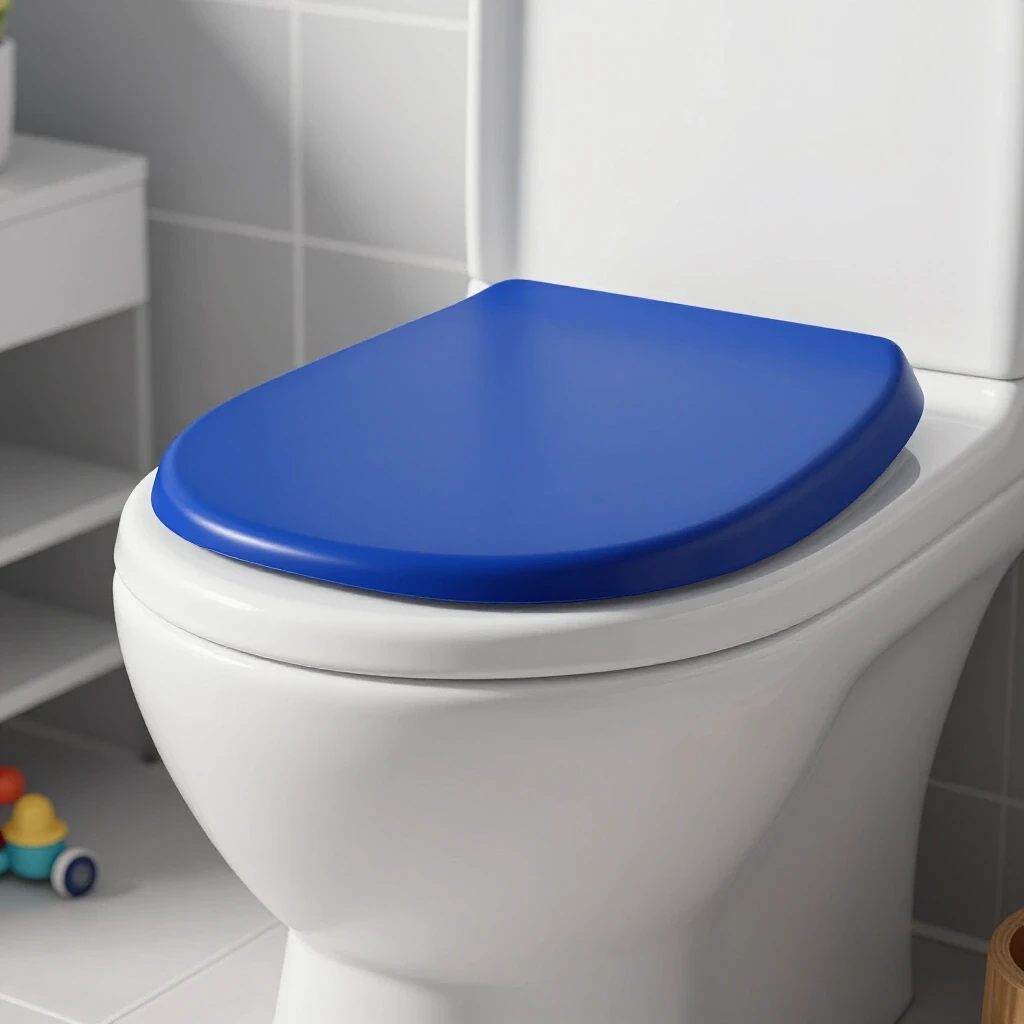
A bathroom safety upgrade like this is a functional, cost-saving task that any busy professional can handle in a single afternoon. It does not require a licensed plumber, but it does require a methodical approach to ensure the guard is code-compliant and does not interfere with the internal flushing mechanisms.
Evaluating the Need for a Bathroom Tank Cover Security Device
A tank cover security device is an aftermarket accessory designed to stabilize the heavy ceramic lid sitting atop a toilet reservoir. It prevents the lid from shifting during use, protects against accidental breakage, and serves as a deterrent for curious children or pets who might attempt to open the tank.
When you look at your bathroom fixtures, you might assume the lid is fine just sitting there. However, standard residential toilets rely purely on gravity to keep the lid in place. According to user-reported failure analyses, lids are most likely to fall during cleaning or when someone uses the tank as a shelf for heavy items. By installing a stabilizing guard, you create a physical barrier or tension point that keeps the lid centered.
Understanding the Risks of Unsecured Ceramic Lids
Ceramic and porcelain are incredibly durable under compression but very brittle under impact. A standard tank lid can weigh between 10 and 20 pounds. If it slips, the force is enough to crack the toilet bowl itself, which would necessitate a full replacement of the fixture. In my own home, I prioritize these small “insurance” projects because they prevent the $500 professional emergency call-out later.
Identifying the Right Guard for Your Fixture Style
Not all toilet tanks are shaped the same. Some have flat tops, while modern “high-efficiency” models often have curved or beveled edges. Before buying a guard, you must identify if your tank requires a clip-on style, an adhesive-based stabilizer, or a full-wrap guard. Most manufacturer technical guides suggest measuring the width and depth of the tank at its widest point to ensure the guard has enough clearance to grip the edges without being over-extended.
Essential Inventory and Preparation for a Stable Lid Upgrade
Proper preparation involves gathering specific measuring tools and cleaning supplies to ensure the mounting surface is ready for the accessory. This phase focuses on verifying the dimensions of your specific porcelain model to ensure the guard fits snugly without interfering with the flushing lever or internal valves.
Before you start, you need to clear the area. I always tell my fellow DIYers to treat their bathroom like a mini-construction site. Lay down a towel on the floor to catch any dropped tools and to provide a safe place to set the lid once you remove it.
Required Tool and Material List
- Measuring Tape: For verifying tank dimensions and centering the guard.
- Isopropyl Alcohol (70% or higher): Essential for degreasing the porcelain surface.
- Microfiber Cloths: To ensure a lint-free surface for adhesive bonding.
- Level (Small Torpedo Level): To ensure the guard is sitting square.
- Pencil or Painter’s Tape: For marking “dry-fit” positions without staining the ceramic.
- The Guard Kit: Ensure all clips, straps, or adhesive pads are present.
DIY vs. Professional Cost and Effort Analysis
| Factor | DIY Approach | Professional Handyman |
|---|---|---|
| Material Cost | $15 – $40 | $15 – $40 |
| Labor Cost | $0 (Your time) | $75 – $150 (Minimum call-out) |
| Time Investment | 45 Minutes | 2 – 3 Hours (Including scheduling) |
| Risk Level | Low | Low |
| Skill Required | Beginner | Professional |
Safety Protocols and Code Compliance Considerations
Safety protocols involve protecting both the installer and the structural integrity of the bathroom fixtures during the upgrade process. Code compliance in this context refers to the Uniform Plumbing Code (UPC) requirements, which mandate that any accessory added to a toilet must not impede the operation of the flush valve or the accessibility of the shut-off valve.
One of the biggest mistakes I see in weekend DIY projects is the “set it and forget it” mentality. When installing a lid stabilizer, you must ensure it does not put downward pressure on the flush lever or the fill valve inside the tank. If the guard is too tight, it can cause the toilet to “run” constantly, wasting thousands of gallons of water and spiking your utility bill.
Handling Heavy Porcelain Safely
Porcelain is slippery when wet. Always dry your hands and the lid thoroughly before lifting it. When you remove the lid, never stand it up on its end against a wall; it can easily slide and shatter. Always lay it flat on a padded surface like a rug or a thick towel.
Ensuring Non-Interference with Internal Components
Before finalizing the installation, perform a “clearance check.” Reach inside the tank and move the flapper and float arm by hand. The guard’s mounting hardware should not touch these parts. If your guard uses straps that wrap inside the tank, ensure they are made of non-corrosive materials like plastic or high-grade stainless steel to prevent rust from ruining your flush mechanism.
Step-by-Step Methodology for Mounting the Protective Guard
The execution phase transitions from planning to physical installation, involving surface degreasing, dry-fitting the component, and applying the final mounting mechanism. Following a logical sequence ensures the guard is centered and the adhesive or mechanical clips provide maximum hold without damaging the porcelain finish.
Phase 1: Substrate Preparation
Adhesive bonding is only as strong as the surface it clings to. Bathroom environments are full of hairspray, soap scum, and humidity. Use the isopropyl alcohol to scrub the top edge of the tank and the underside of the lid where the guard will make contact. I have seen many DIY upgrades fail within a week because the installer skipped this five-minute cleaning step.
Phase 2: The Importance of Dry-Fitting
Dry-fitting is the process of assembling the project without any permanent adhesives or fasteners. Place the guard on the tank and set the lid on top. Check for wobbles. Does the lid sit flush? If the guard creates a gap larger than 1/8th of an inch, it may look unsightly or allow odors to escape. Adjust the positioning until the lid feels stable and looks level. Mark these spots with small pieces of painter’s tape.
Phase 3: Final Attachment and Alignment
If your guard uses adhesive pads, peel the backing and press firmly for at least 30 seconds. Most manufacturer specs for high-bond adhesives require a specific “dwell time” to reach full strength. For mechanical clip-on guards, tighten the tension screws just until they are “finger-tight.” Over-tightening metal screws against ceramic can cause “spider cracks” that spread over time due to the thermal expansion of the porcelain.
Phase 4: Testing and Quality Control
Once the guard is in place, perform three test flushes. Watch the internal components to ensure nothing catches on the new hardware. Shake the lid gently; it should not move more than a fraction of an inch. If everything looks good, you have successfully completed a code-compliant upgrade.
Troubleshooting Common Alignment and Adhesion Issues
Troubleshooting involves identifying why a guard might feel loose or look crooked after the initial setup. Common fixes include reapplying pressure to adhesive zones, adjusting tension screws, or cleaning the substrate again to remove residual oils that prevent a secure bond between the guard and the tank.
Even with careful planning, things can go wrong. Perhaps the adhesive didn’t stick because the room was too humid, or the clips don’t quite fit the thickness of your specific porcelain model.
Dealing with Adhesive Failure
If the guard peels off, it is usually due to moisture or improper cleaning. I recommend using a hairdryer on a low setting to gently warm the porcelain surface before reapplying new adhesive pads. This removes microscopic moisture trapped in the pores of the ceramic. Avoid using “super glue” as it is too brittle for this application and can be nearly impossible to remove if you ever need to replace the guard.
Adjusting for Uneven Tank Rims
Not all tanks are perfectly level. If you find the lid is rocking despite the guard, you may need to use small rubber shims. Some guard kits include these, but you can also use small pieces of weatherstripping. Place them on the low spots of the tank rim to create a level plane for the lid to rest upon.
Project Maintenance and Long-Term Care
Maintenance ensures the guard remains effective and hygienic over years of use in a high-moisture environment. This involves regular inspections of the mounting hardware and cleaning with non-abrasive solutions to prevent the buildup of mold or mineral deposits that could degrade the materials.
As a facilities manager, I know that “done” doesn’t mean “forgotten.” Every six months, when you are doing your deep bathroom cleaning, take a moment to check the tension of the guard.
- Check for Corrosion: If the guard has metal parts, look for signs of rust.
- Verify Adhesive Integrity: Give the guard a firm tug to ensure the bond hasn’t been weakened by bathroom steam.
- Clean Under the Guard: Dust and moisture can trap bacteria in the gaps. Use a mild soap and water solution; avoid bleach-heavy cleaners that can degrade plastic components.
When to Call a Professional
Knowing when a task exceeds your current skill level is a hallmark of a smart DIYer. While installing a lid guard is generally safe, there are specific scenarios where you should stop and call a pro.
If you notice that your tank lid is already cracked or if the tank itself has a hairline fracture, do not attempt to install a guard. The pressure from the installation could cause the fixture to fail completely. Additionally, if the guard you purchased requires drilling into the porcelain (which I highly discourage for DIYers), it is time to consult a professional who has the specialized diamond-tipped bits and the experience to avoid shattering the tank.
Final Project Checklist
- [ ] Tank rim and lid underside cleaned with alcohol.
- [ ] Dry-fit test completed with no wobbles.
- [ ] Internal flush mechanism checked for 100% clearance.
- [ ] Adhesive pads pressed for 30+ seconds or clips finger-tightened.
- [ ] Three test flushes performed successfully.
- [ ] Lid marked as stable and secure.
Completing this upgrade provides a measurable improvement in home safety. It protects your family, preserves your bathroom fixtures, and eliminates that annoying ceramic rattle. For a busy professional, this is the perfect weekend win—low cost, high impact, and completely safe.
Frequently Asked Questions
Does this guard work on all toilet brands?
Most guards are designed to be “universal,” but porcelain thickness varies. Standard residential tanks usually have a rim thickness between 1/2 inch and 3/4 inch. Always check the manufacturer’s maximum opening width before purchasing to ensure it will fit your specific Kohler, American Standard, or Toto model.
Will the adhesive damage the finish of my toilet?
High-quality guards use automotive-grade or silicone-based adhesives that are designed to be removable. If you need to take it off, you can usually use a piece of dental floss to “saw” through the adhesive foam and then clean the residue with a citrus-based cleaner. It should not harm the vitrified glaze of the porcelain.
Can I still use the top of the tank for storage?
Yes, but with caution. The guard stabilizes the lid, making it safer to hold items like a box of tissues or a small decorative tray. However, I advise against placing heavy items like large glass jars or stone sculptures on the lid, as the guard is meant for stabilization, not for increasing the weight-bearing capacity of the ceramic.
How long does the installation actually take?
For a first-timer, expect to spend about 15 minutes researching and measuring, and another 30 minutes on the actual installation. The “active” work time is very low, making it a great “between-meetings” project on a Saturday.
What if my flush button is on top of the lid?
If you have a dual-flush toilet with buttons on the lid, you must ensure the guard does not cover or put pressure on the button assembly. You will likely need a guard specifically designed for dual-flush models or one that mounts only to the sides of the tank to avoid the center mechanism.
Is this project building code compliant?
In most jurisdictions, yes. As long as the guard does not require permanent modifications to the plumbing or structure and does not prevent access to the internal tank components for repairs, it falls under “minor cosmetic or safety maintenance” and does not require a permit.
My lid is very heavy; will a plastic guard hold it?
The goal of the guard is to prevent lateral movement (sliding sideways). Even a plastic guard, when properly adhered or clipped, provides enough friction and physical blockage to stop a 20-pound lid from shifting. It doesn’t need to support the weight of the lid, just keep it centered.
Can I install this if I have a “skirted” toilet?
Skirted toilets have smooth sides that hide the trapway. These models often have lids that fit differently. You should check if your lid sits on the tank or inside a recessed rim. If it is recessed, you may not need a guard at all, as the porcelain rim itself acts as a natural stabilizer.
Will this help with a “sweating” toilet tank?
While the guard itself doesn’t stop condensation, it can help prevent the lid from sliding on the thin film of moisture that often forms on the rim of a sweating tank. For a permanent fix for sweating, you might need an insulation kit, but the guard adds a layer of safety in the meantime.
How do I know if the adhesive is fully cured?
Most adhesives used in these kits are pressure-sensitive. They reach about 50% strength immediately and 100% strength after 24 hours. I recommend waiting a full day before placing any items back on top of the lid to ensure the bond is fully set in the humid bathroom environment.
(This article was written by one of our staff writers, Robert Callahan. Visit our Meet the Team page to learn more about the author and their expertise.)