How to Fix a Sticking Window Easily (Simple DIY Method)

Durability is the hallmark of a well-maintained home, and few things test that durability like the changing seasons. When humidity rises or temperatures drop, the materials in our homes react in ways that can make daily tasks feel like a workout. One of the most common frustrations I encounter in my 12 years of facilities management is the sudden resistance found in window frames that once moved with ease.
In my first home, a 1940s colonial, I spent my first summer wrestling with double-hung windows that seemed to have a mind of their own. Every time the humidity hit 80%, the wood would swell, and the sashes would lock tight. I made the mistake of trying to force one open with a pry bar, which resulted in a cracked pane and a very expensive weekend repair. That experience taught me that restoring smooth operation requires patience and the right technique rather than brute force. Today, I approach these functional upgrades with a focus on precision and manufacturer-recommended maintenance steps.
Understanding Why Window Sashes Bind Seasonally
This section explains the physical reasons why window movement becomes restricted during specific times of the year, focusing on material expansion and environmental factors.
Wood is a hygroscopic material, meaning it absorbs moisture from the air. When the indoor or outdoor humidity increases, the wood fibers in your window sash and frame expand. This expansion reduces the tiny gaps designed to allow the sash to slide freely within the jamb. Even a fraction of an inch of swelling can create enough friction to make a window feel stuck.
Interestingly, it is not just the wood that causes issues. Over years of home ownership, layers of paint can build up in the tracks. During the summer, this paint can become slightly soft or “tacky,” causing the sash to stick to the frame. Dirt and debris also act like sandpaper in the tracks, increasing resistance and wearing down the wood over time.
| Factor | Impact on Movement | DIY Effort Level |
|---|---|---|
| Humidity Swelling | High | Low (Lubrication/Sanding) |
| Paint Buildup | Medium | Moderate (Scraping/Cutting) |
| Debris in Tracks | Low | Low (Cleaning) |
| Hardware Corrosion | Medium | Moderate (Cleaning/Replacement) |
Essential Gear for Restoring Smooth Sash Operation
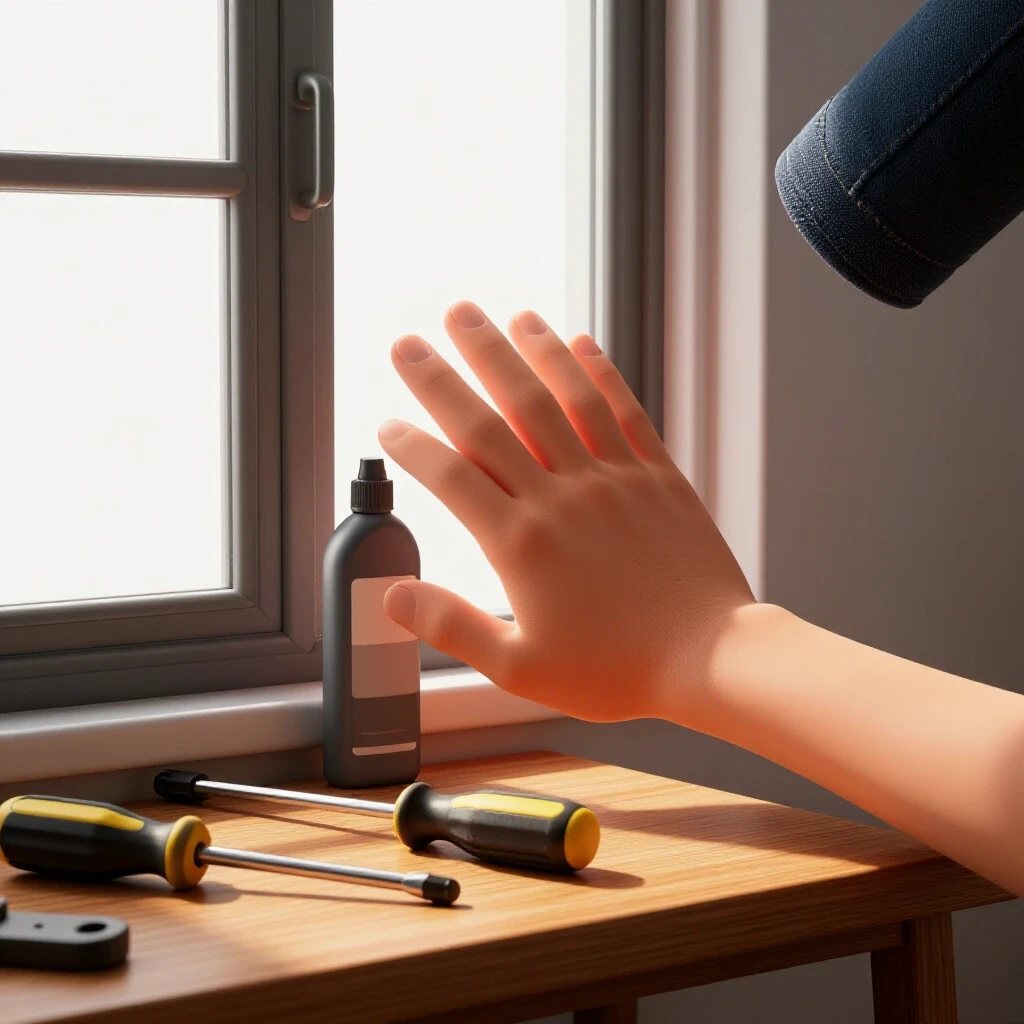
This section identifies the specific hand tools and materials required to clean, sand, and lubricate window tracks effectively without damaging the unit.
You do not need a garage full of expensive power tools for this task. In fact, using heavy machinery often leads to over-sanding, which can create drafts once the wood shrinks back down in the winter. I recommend a “less is more” approach, starting with basic cleaning supplies and moving to manual abrasion only when necessary.
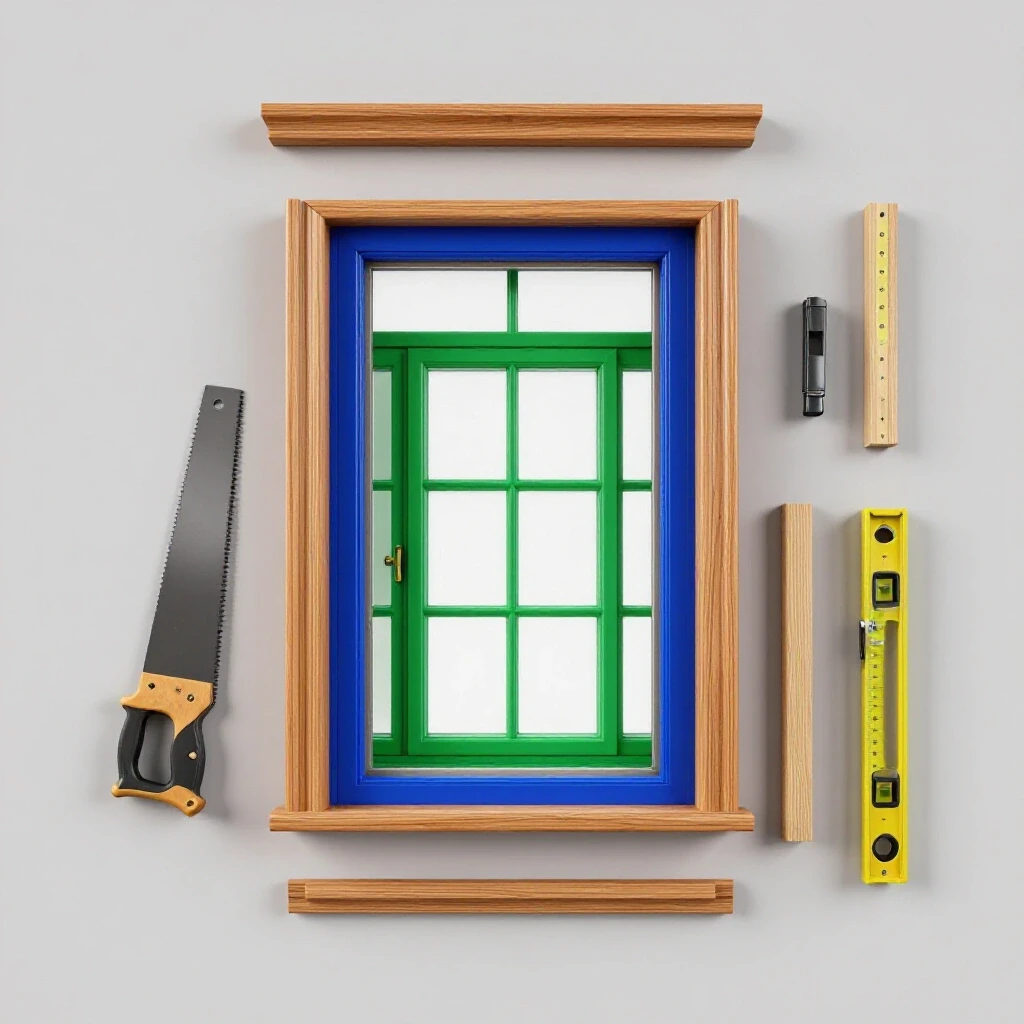
- Vacuum with Crevice Tool: Used to remove loose dirt, dead insects, and grit from the tracks.
- Stiff Nylon Brush: Essential for scrubbing away hardened grime without scratching the wood or vinyl.
- Paint Zipper or Utility Knife: A specialized tool with a serrated blade used to break paint seals between the sash and the stop.
- 120-Grit and 220-Grit Sandpaper: For light manual sanding of high-friction contact points.
- Paraffin Wax or Dry Silicone Spray: These provide long-lasting lubrication without attracting new dust.
- Microfiber Cloths: For wiping down surfaces and ensuring no residue is left behind.
- Small Flat-Head Screwdriver: Useful for scraping out debris from tight corners in the window track.
Safety Procedures for Window Maintenance
This section outlines the necessary precautions to prevent injury and protect the home’s interior during the restoration process.
Safety in DIY projects is often overlooked, but even simple tasks carry risks. When working with older windows, the primary concern is lead-based paint. If your home was built before 1978, assume any painted surface contains lead. I always use a HEPA-filtered vacuum and wet-sanding techniques to keep dust from becoming airborne.
- Eye Protection: Always wear safety glasses to prevent debris or dried paint chips from entering your eyes.
- Hand Protection: Use thin, nitrile-coated gloves to maintain grip while protecting your skin from cleaning agents and sharp paint edges.
- Stable Footing: If you need to reach the top of a window, use a sturdy step stool rather than a chair.
- Lead Safety: Use a lead test kit on painted surfaces before sanding. If lead is present, follow EPA RRP (Renovation, Repair, and Painting) guidelines for containment and cleanup.
Evaluating the Problem Areas
This section describes how to identify exactly where the friction is occurring so you can apply the correct fix without unnecessary labor.
Before grabbing your tools, perform a visual inspection. Slowly attempt to move the sash and watch where it binds. Look for shiny spots on the wood or paint; these are “rub marks” where the friction is highest. I often use a thin piece of paper and try to slide it between the sash and the jamb. If the paper gets stuck, you have found your problem area.
Check the tracks for any physical obstructions. Sometimes a small pebble or a piece of failed weatherstripping has become lodged in the path. If the window is painted shut, you will see a solid line of paint bridging the gap between the sash and the trim. Identifying these specific issues saves hours of aimless sanding.
Executing the Restoration: A Step-by-Step Guide
This section provides a detailed, chronological workflow for cleaning, prepping, and lubricating the window to ensure lasting, smooth movement.
Phase 1: Deep Cleaning the Tracks Start by opening the window as far as it will comfortably go. Use the vacuum crevice tool to pull out all loose debris. Follow this with a stiff brush and a damp cloth. I have found that a simple mixture of water and a drop of dish soap works best for removing the oily film that often builds up in tracks. Dry the area completely with a fresh microfiber cloth.
Phase 2: Breaking the Paint Seal If the window is “frozen” due to paint, use a paint zipper. Carefully run the tool along the seam where the sash meets the window stop. You should hear a satisfying “crack” as the paint bond breaks. Do this on both the interior and exterior sides if possible. Avoid prying with a screwdriver, as this will dent the soft wood and create more friction points.
Phase 3: Targeted Sanding If the window still binds after cleaning, use 120-grit sandpaper wrapped around a small wood block. Focus only on the rub marks you identified earlier. Sand lightly, checking the fit every few strokes. Once the sash moves freely, switch to 220-grit sandpaper to smooth the surface. This prevents the wood fibers from “standing up” and creating more drag later.
Phase 4: Applying Lubrication This is the most critical step for long-term success. For wooden windows, I swear by paraffin wax. Rub a block of wax vigorously into the tracks and on the edges of the sash. The friction of the rubbing will melt the wax slightly, allowing it to penetrate the wood. For vinyl or aluminum windows, use a dry silicone spray. Never use WD-40 or oil-based lubricants, as these attract dust and will eventually turn into a sticky sludge that makes the problem worse.
| Step | Active Time | Drying/Wait Time | Skill Level |
|---|---|---|---|
| Cleaning | 15 Mins | 10 Mins | Beginner |
| Paint Breaking | 20 Mins | N/A | Intermediate |
| Light Sanding | 30 Mins | N/A | Intermediate |
| Lubrication | 10 Mins | 5 Mins | Beginner |
Troubleshooting Stubborn Obstructions
This section addresses more complex issues like hardware misalignment or warped frames that might require additional attention.
Sometimes cleaning and lubrication are not enough. If the window still sticks, check the sash pulleys and cords (in older homes) or the balances (in newer ones). A frayed cord can get jammed in the pulley, preventing the weight from moving. I once spent two hours sanding a sash only to realize the real issue was a bent metal track at the very top of the frame.
Check for “squareness” using a small combination square. If the house has settled, the window frame may have become a trapezoid rather than a rectangle. In these cases, you may need to remove a small amount of material from the top or bottom of the sash itself. This is a delicate process; always measure twice and remove material in 1/16-inch increments.
Maintaining Operational Fluidity Over Time
This section outlines a simple seasonal maintenance schedule to prevent the window from binding again in the future.
Functional upgrades are not a “one and done” task. To keep your windows moving smoothly, I recommend a quick inspection every spring and fall. Wipe down the tracks to remove the dust that accumulates during the months the windows stay closed. Reapply a light coat of wax or silicone spray as part of your seasonal home transition.
- Spring: Clean tracks of winter soot and check weatherstripping for cracks.
- Fall: Lubricate tracks before the wood shrinks in the dry winter air to prevent sticking in the spring.
- Annual Check: Inspect the exterior caulking. If water gets behind the frame, it can cause the wood to swell from the inside out, leading to permanent sticking.
When to Seek Professional Assistance
This section defines the limits of DIY repair and helps you identify when a window issue indicates a larger structural problem.
While most friction issues are easily handled over a weekend, some signs indicate a professional is needed. If you see significant wood rot (wood that is soft or crumbles when touched), a simple cleaning will not fix the integrity of the unit. Additionally, if the glass is cracked or the double-pane seal has failed (indicated by fogging between the panes), the sash likely needs professional repair or replacement.
If the window is stuck so tightly that you cannot move it at all without the risk of breaking the glass, do not force it. Professionals have specialized jacks and suction tools to safely remove a frozen sash. My rule of thumb is this: if the repair requires removing the entire window frame from the wall, it has moved beyond a standard weekend DIY upgrade.
Project ROI and Value Realization
This section breaks down the cost savings and functional benefits of performing this maintenance yourself.
The financial benefit of maintaining your own windows is significant. A professional window technician often charges a minimum service fee of $150 to $300 just to show up. By spending $20 on materials and a few hours of your time, you save hundreds of dollars and extend the life of your windows by years.
Beyond the money, there is the functional value. A window that opens easily allows for better ventilation, which can lower your cooling costs. More importantly, every window in your home is a potential emergency exit. Ensuring they operate smoothly is a fundamental safety upgrade that provides peace of mind for you and your family.
FAQ: Common Questions on Restoring Window Movement
How do I know if I should use wax or spray? For traditional wood-on-wood contact, paraffin wax or a plain white candle is the best choice because it stays in the wood fibers. For vinyl, metal, or plastic tracks, use a dry silicone spray. Avoid “wet” lubricants because they attract grit that acts like an abrasive.
Can I use a power sander to speed up the process? I strongly advise against it. Power sanders remove material too quickly. If you remove too much wood, the window will rattle when it’s windy and leak air in the winter. Hand sanding gives you the control needed to remove only the high spots.
What if the window is stuck because of a broken sash cord? Replacing a sash cord is a more involved project that requires removing the stop moldings and the sash itself. If you are comfortable with basic hand tools, it is a manageable weekend task, but it requires more time than a simple cleaning and lubrication.
Is it safe to use a heat gun to soften old paint? Heat guns can be dangerous near glass, as the heat can cause the pane to crack. If you must use heat, use a low setting and keep the gun moving. A mechanical tool like a paint zipper is generally safer for beginners.
How often should I lubricate my windows? In most climates, once a year is sufficient. I usually do mine in the spring when I am already cleaning the glass. If you live in a high-humidity area, you might benefit from a quick application every six months.
Why does my window move fine in the morning but stick in the afternoon? This is likely due to thermal expansion. If the window gets direct sunlight, the materials expand as they heat up. Lubricating the contact points will usually resolve this “time-of-day” sticking.
Will cleaning the tracks help with energy efficiency? Indirectly, yes. When tracks are clean and the sash moves correctly, it allows the window to close fully and lock. A locked window creates a tighter seal against weatherstripping, reducing drafts.
What is the best way to clean out old, hardened grease? Use a small amount of mineral spirits on a rag to dissolve old, gummy lubricants. Be careful not to get spirits on painted surfaces you want to keep. Once the old grease is gone, wipe the area with soap and water before applying new, dry lubricant.
Can I use soap as a lubricant? While a dry bar of soap can work in a pinch, many soaps contain glycerin, which absorbs moisture. This can actually cause the wood to swell more over time. Stick to paraffin wax for a more durable, moisture-resistant solution.
What if the window is stuck because the house settled? If the frame is out of square, you may see a gap at the top on one side and the bottom on the other. You can often plane down the high side of the sash, but be careful not to remove so much that the lock no longer aligns.
Does this process work for sliding glass doors too? The principles are the same: clean the tracks and use a dry lubricant. However, sliding doors often have rollers that may need to be adjusted or replaced if cleaning the track doesn’t solve the problem.
How do I safely remove lead paint dust if I have to sand? Use the “wet-sanding” method. Mist the area with water to keep dust from flying. Use a vacuum with a HEPA filter and wear an N95 mask. Clean the entire area with a wet cloth afterward and dispose of the rags in a sealed bag.
(This article was written by one of our staff writers, Robert Callahan. Visit our Meet the Team page to learn more about the author and their expertise.)