How to Replace a Leaking Kitchen Sink Sprayer (Easy Guide)

Fixing a dripping or malfunctioning kitchen accessory is one of the most cost-effective ways to improve your home’s functionality without spending a fortune. For about twenty to forty dollars and an hour of your time, you can stop a persistent leak that might otherwise damage your cabinetry. Taking care of this yourself saves the hundred-dollar minimum service fee a plumber would charge just to walk through your front door.
In my twelve years as a facilities manager, I have overseen the maintenance of everything from massive commercial chillers to simple breakroom sinks. However, it was a slow drip in my own kitchen that taught me my most valuable “leak lesson.” I had spent the day managing a crew at work, only to come home and find a puddle growing under my sink. I realized then that even for a professional, the small things matter. If you ignore a faulty side sprayer, you are not just wasting water; you are risking the structural integrity of your sink base. This guide is built on my experience balancing a high-pressure career with the desire to keep my own home in top shape. We will focus on a code-compliant, safe approach to swapping out that failing hose and head assembly.
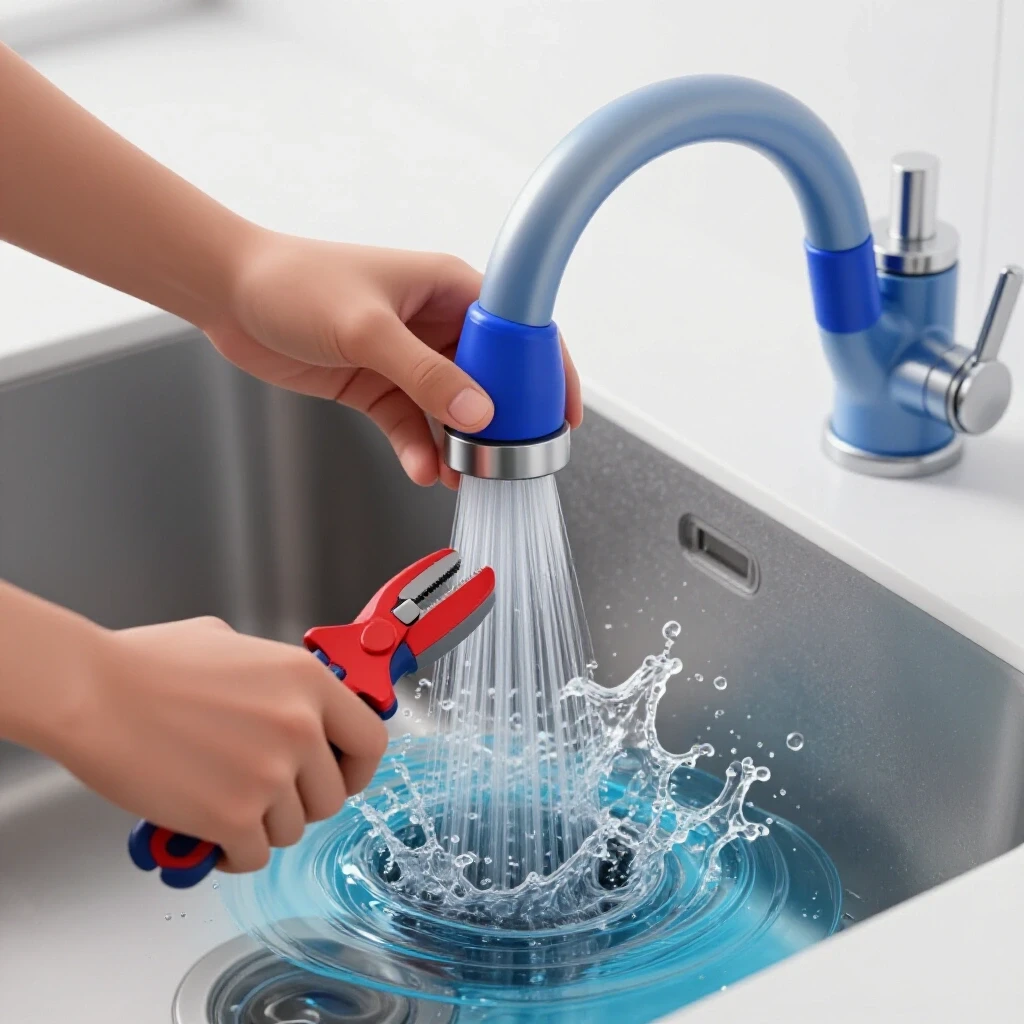
Preparing for a Successful Side Sprayer Upgrade
Preparation involves assessing the current hardware, verifying the connection type, and clearing the workspace to ensure a smooth transition from a leaking unit to a functioning one. This foundational stage prevents mid-project hardware store runs and ensures that the replacement parts you purchase will actually fit the existing faucet configuration in your kitchen.
Before you buy a single part, you must identify your connection type. Most modern faucets use a “quick-connect” system, which is a plastic housing that snaps onto a nipple on the faucet body. Older models often use a threaded brass or plastic nut. I once made the mistake of assuming all “universal” kits were truly universal. They are not. Manufacturers like Moen, Delta, and Kohler often have proprietary clips.
Building on this, you should also check your local residential plumbing codes. While most jurisdictions allow homeowners to perform basic maintenance like this without a permit, the Uniform Plumbing Code (UPC) requires that these assemblies include a backflow prevention device. This ensures that dirty sink water cannot be siphoned back into your clean water supply. Most reputable replacement kits have this built-in, but checking the manufacturer specs is a critical safety step I always emphasize.
Assessing the Workspace and Clearing Obstacles
Clearing the area under the sink is the first physical step to ensure you have enough room to move your arms and tools without knocking over cleaning supplies. A cramped workspace leads to frustration, stripped threads, and potential injury from bumping your head on the garbage disposal or sharp cabinet edges.
I recommend removing everything from the cabinet. It seems like extra work, but it saves time in the long run. Lay down a dry towel or a shallow plastic bin to catch the small amount of water that will inevitably drain from the hose once it is disconnected. Interestingly, a common failure in DIY projects is not the repair itself, but the damage caused by water dripping onto the particle board floor of the cabinet during the process.
Essential Tools and Materials for the Job
Having the right tools prevents damage to plastic fittings and ensures a watertight seal, which is critical for maintaining the structural integrity of your kitchen cabinetry. Using the wrong pliers can easily crack a plastic shank nut, turning a simple maintenance task into a much larger and more expensive plumbing emergency.
As a facilities manager, I value tool ROI (Return on Investment). You do not need a professional-grade chest, but a few specific items are non-negotiable. For this task, a basin wrench is the hero of the story. It is a specialized tool with a pivoting head designed to reach up into the tight space behind the sink basin where a standard wrench cannot fit.
Necessary Tool and Material Inventory
- Basin Wrench: For reaching the mounting nut behind the sink.
- Adjustable Wrench: To loosen threaded hose connections.
- Needle-Nose Pliers: Useful for removing retaining clips on quick-connect systems.
- Screwdriver (Flathead and Phillips): For prying or adjusting certain mounting hardware.
- PTFE Tape (Teflon Tape): To ensure a watertight seal on threaded metal connections.
- Flashlight or Headlamp: Critical for seeing into the dark recesses of the cabinet.
- Small Bucket or Towels: To manage residual water in the lines.
DIY vs. Professional Cost and Time Analysis
| Factor | DIY Approach | Professional Plumber |
|---|---|---|
| Material Cost | $15 – $45 | $30 – $60 (Marked up) |
| Labor Cost | $0 | $125 – $250 |
| Time Investment | 1 – 2 Hours | 30 Minutes (plus scheduling) |
| Tool Investment | $20 (if needed) | N/A |
| Total Estimated Cost | $35 – $65 | $155 – $310 |
Identifying the Source of the Leak
Pinpointing whether the failure is in the spray head, the hose crimp, or the connection point under the sink determines if you need a partial or full component replacement. A systematic inspection prevents you from replacing parts that are still functional, saving both time and money during your weekend project.
Sometimes the leak isn’t the hose at all. I have seen cases where the mounting nut was simply loose, allowing water from the countertop to seep down into the cabinet. To test this, dry everything thoroughly with a cloth. Wrap a paper towel around the hose and another around the connection point under the sink. Turn on the water and use the sprayer. If the towel at the head gets wet, the seal in the handle is gone. If the towel under the sink gets wet, the hose or the connection is the culprit.
Understanding the Diverter Valve Failure
The diverter valve is a small internal component of the faucet that redirects water flow from the main spout to the side sprayer whenever the trigger is pressed. If your sprayer has very low pressure, or if the main faucet continues to run at full strength while you are spraying, the diverter is likely stuck or clogged.
Building on this, if the diverter is the problem, replacing the sprayer assembly might not fix the issue. You can often clean a diverter by removing the faucet handle and pulling the small plastic valve out with pliers. Soaking it in white vinegar for thirty minutes can dissolve the calcium deposits that cause it to stick. As a result, you might find that your “leak” was actually just a pressure backup caused by a dirty valve.
Step-by-Step Removal of the Old Hardware
Safely disconnecting the water supply and removing the existing hose assembly requires careful handling of the diverter valve to avoid snapping internal faucet components. This phase of the project is where most mistakes happen, particularly when dealing with aged plastic parts that have become brittle over time.
First, turn off the hot and cold water shut-off valves under the sink. Turn them clockwise until they stop. Open the faucet and press the sprayer trigger to bleed off any remaining pressure in the lines. If the valves are old and won’t budge, do not force them with a heavy wrench; you could snap the stem. In that case, you may need to shut off the main water supply to the house.
Disconnecting the Hose
- Locate the connection point where the sprayer hose meets the faucet body.
- For threaded connections, use your adjustable wrench to turn the nut counter-clockwise.
- For quick-connect systems, look for a colored plastic clip (often white, blue, or grey).
- Push the clip in or pull it out, depending on the brand, and gently tug the hose downward.
- Once disconnected, pull the hose up through the top of the sink.
Interestingly, the “quick-connect” can be the most frustrating part. If it feels stuck, do not yank it. These are often held by a small O-ring that creates a vacuum seal. A gentle wiggle while pulling downward usually does the trick. I’ve seen many DIYers break the plastic nipple on the faucet by pulling too hard, which turns a $20 fix into a $200 faucet replacement.
Installing the New Sprayer Assembly
Threading the new hose through the sink deck and securing it to the faucet body ensures the new system operates without dripping or losing water pressure. Proper alignment during this stage prevents the hose from snagging on other plumbing components, which is a common cause of premature wear and tear.
Before you drop the new hose in, clean the mounting hole on the sink. Over the years, soap scum and mineral deposits build up there. A clean surface ensures the new gasket or “O-ring” on the sprayer base sits flush against the sink. If the kit came with a new plastic guide (the piece the sprayer sits in), replace the old one. Use the basin wrench to tighten the nut from underneath. You want it snug, but since it is usually plastic, do not over-tighten. Aim for about “hand-tight” plus a quarter turn.
Securing the Connection
- Feed the new hose through the guide.
- If you have a threaded connection, apply two wraps of PTFE tape to the threads in a clockwise direction.
- Thread the hose nut onto the faucet nipple by hand first to avoid cross-threading.
- If you have a quick-connect, simply push the hose end onto the nipple until you hear or feel a “click.”
- Tug gently on the connection to ensure it is locked in place.
One pro tip from my facilities background: check the hose routing. Ensure the sprayer hose is not tangled with the hot and cold supply lines or the pull-out weight of the main faucet. If they rub against each other, the friction will eventually cause another leak. As a result of taking an extra minute to organize the lines, you extend the life of the entire system.
Testing and Quality Control
A systematic test of the new sprayer under full pressure helps verify that the diverter valve functions correctly and that no slow leaks exist at the connection points. This final check is your insurance policy against coming home to a flooded kitchen cabinet later in the week.
Turn the water valves back on slowly. Do not just blast them open; a sudden surge of pressure can stress old seals. Check the connection point under the sink immediately. If it is dry, go above the sink and trigger the sprayer. Watch the main faucet spout; it should stop flowing (or slow to a tiny trickle) when the sprayer is active. This confirms the diverter is working.
The “Dry Paper Towel” Test
The best way to find a “micro-leak” is to use a dry, colored paper towel. Wrap it around the new connection and leave it there for ten minutes while the water is on. Even a single drop of water will show up clearly on the paper. If you see moisture, tighten the connection slightly. If it’s a threaded connection that still leaks, you may need to remove it and re-apply the PTFE tape more carefully.
Troubleshooting Common Installation Hurdles
Even with careful planning, you might encounter issues like low water pressure, a hose that won’t retract, or a trigger that sticks in the “on” position. Understanding how to address these common setbacks allows you to finish the project without calling for professional help.
If the hose feels “stiff” or won’t pull out easily, check under the sink. Often, the hose is catching on the shut-off valve handle or a bracket. You can buy inexpensive “hose weights” that clip onto the line to help it retract back into the hole. If the pressure is low, the most likely cause is debris. Construction or repair work can knock sediment loose in your pipes, which then gets trapped in the small screen (aerator) inside the sprayer head. Unscrew the head and rinse the screen to restore full flow.
When the Quick-Connect Won’t Click
If the quick-connect fitting refuses to lock, check for a damaged O-ring inside the female end of the hose. Sometimes these get pinched during shipping. A tiny dab of plumber’s grease (silicone-based) can help the fitting slide on smoothly. Never use petroleum jelly, as it can degrade the rubber seals over time. This is a small detail, but following manufacturer technical guides on lubrication can prevent a failure six months down the road.
Post-Installation Maintenance and Care
Regular inspection and cleaning of the sprayer aerator prevent mineral buildup, ensuring the longevity of the hose and maintaining consistent water pressure over several years of use. Maintaining your hardware is just as important as the initial installation for a busy professional who wants to avoid repeating the same repair.
Once a month, pull the sprayer out to its full length and wipe the hose with a damp cloth. This removes the “grime” that can make the hose sticky or cause it to smell. If you live in an area with hard water, soak the sprayer head in a bowl of vinegar once a year. This keeps the tiny spray holes clear and prevents the internal spring from seizing up.
Project Completion Checklist
- Water supply valves are fully open and not leaking at the stems.
- Sprayer head sits firmly in the deck mount without wobbling.
- Diverter valve correctly redirects water from the spout to the sprayer.
- No moisture detected on the “dry paper towel” test after ten minutes.
- Cabinet is clean, dry, and reorganized.
- Old parts are disposed of or recycled according to local guidelines.
By following these steps, you have not only fixed a leak but also gained a deeper understanding of your home’s plumbing. The satisfaction of a well-executed weekend project is worth the effort, and the money saved can be put toward your next home upgrade.
Frequently Asked Questions
Can I replace just the sprayer head without the hose? Yes, if the leak is specifically in the handle and your hose uses a standard 1/8-inch or 1/4-inch threaded connection. However, most modern sprayers are sold as a sealed unit with the hose attached. Replacing the entire assembly is usually more reliable because it ensures the hose crimps are also new.
Why is my new sprayer leaking from the base of the handle? This is usually caused by a loose connection between the head and the hose or a missing rubber washer. Ensure the washer is seated flat inside the handle before screwing it onto the hose. Hand-tightening is usually sufficient; using pliers on the decorative finish can scratch or crack the plastic.
What should I do if my shut-off valves are stuck? If the valves under the sink won’t turn, do not force them. Spray them with a penetrating oil and let them sit for twenty minutes. If they still won’t budge, you must turn off the main water valve to the house before starting the repair. This is a common situation in older homes.
Is a “universal” sprayer kit actually universal? Not always. While many use a standard thread, “Quick-Connect” systems vary wildly between brands. Always bring your old hose or a photo of the connection to the store. Checking the manufacturer’s model number on the faucet body is the safest way to ensure compatibility.
Why does my faucet still drip when I am using the sprayer? This indicates a diverter valve issue. The diverter is supposed to shut off flow to the spout entirely. If it’s old or covered in lime scale, it won’t seal properly. You may need to clean or replace the diverter valve inside the faucet body, which is a separate task from replacing the sprayer.
How tight should the mounting nut under the sink be? The plastic mounting nut should be “snug.” If you over-tighten it with a wrench, you risk cracking the plastic or even the sink’s finish if it’s porcelain. Tighten it by hand as much as possible, then give it a 1/4 turn with a basin wrench to lock it in place.
Does the hose need Teflon tape on all connections? Only use PTFE (Teflon) tape on metal-to-metal threaded connections. Do not use it on “Quick-Connect” fittings or on connections that rely on a rubber washer or O-ring for the seal. The tape can actually interfere with the seating of the gasket and cause a leak.
Why is my new hose “kinked” and hard to pull out? New hoses are often tightly coiled in the packaging and retain that “memory.” Running hot water through the hose for a few minutes will soften the material and help it straighten out. Ensure there are no heavy items leaning against the hose under the sink.
How long does this project typically take for a beginner? For a first-timer, expect to spend about 90 minutes. This includes time to clear out the cabinet, identify the parts, and perform the “dry paper towel” test. A seasoned DIYer can often finish the task in 30 to 45 minutes.
Do I need to apply plumber’s putty to the sprayer base? Most modern sprayers come with a foam or rubber gasket that replaces the need for putty. If your kit includes a gasket, do not use putty, as the oils in the putty can degrade certain types of plastic or rubber over time. Check the manufacturer’s installation guide to be sure.
(This article was written by one of our staff writers, Robert Callahan. Visit our Meet the Team page to learn more about the author and their expertise.)