How to Paint a Foyer for a First-Home Transformation (Step-by-Step)

Choosing a finish that allows for easy cleaning is the most important decision you will make when updating your home’s primary entrance. High-traffic areas like the front hall are magnets for scuff marks, muddy fingerprints, and umbrella drips. Selecting a durable, washable sheen ensures that your hard work remains pristine for years rather than months. As a facilities manager, I have seen how the wrong texture can turn a simple smudge into a permanent blemish.
When I bought my first house, the entryway was a dull, flat beige that absorbed every bit of dirt. I spent my first weekend as a homeowner learning that not all surfaces are created equal. I quickly realized that balancing a demanding career with home maintenance requires a strategic approach to time management. You cannot simply start brushing; you need a plan that accounts for drying times and physical fatigue. This guide draws on my 12 years of experience to help you navigate your own entryway transformation with professional-grade results.
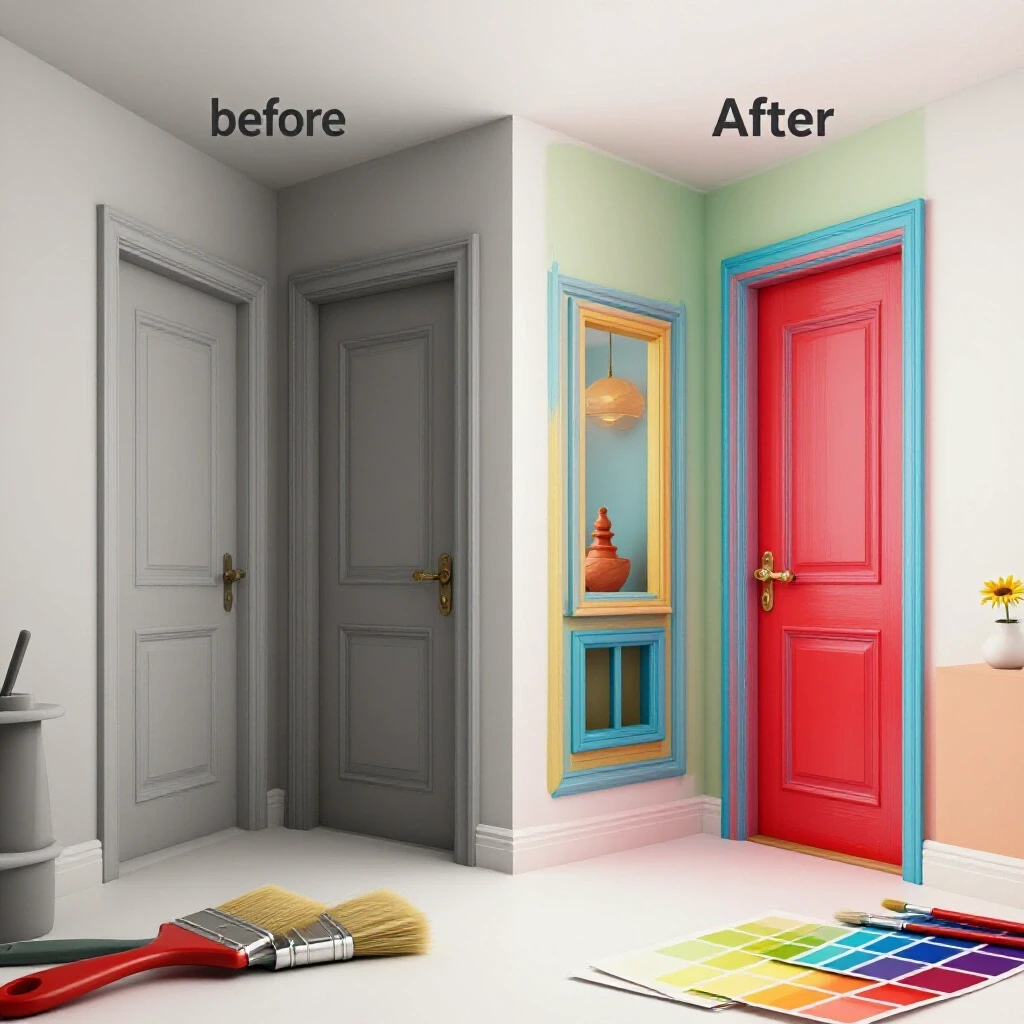
Evaluating the Scope of Your Entryway Transformation
Assessing the size and condition of your front hall is the first step toward a successful project. This phase involves measuring square footage, identifying the types of surfaces involved, and determining if any repairs are needed before you open a single can. Proper evaluation prevents mid-project trips to the store and ensures you stay within your weekend timeline.
In my first home, I underestimated how much the high ceilings in the vestibule would slow me down. I spent four hours just setting up stable footing for my ladder on the stairs. To avoid this, calculate your total surface area by multiplying the length of each wall by its height. Subtract about 20 square feet for each standard door and 15 square feet for each window. This gives you a realistic number for material needs.
| Project Metric | Estimated Value | Notes |
|---|---|---|
| Active Labor Time | 10 – 14 Hours | Spread over two to three days |
| Total Material Cost | $150 – $300 | Includes high-quality coating and tools |
| Drying Time Between Coats | 2 – 4 Hours | Depends on humidity and temperature |
| Full Cure Time | 21 – 30 Days | Before heavy scrubbing or contact |
| Difficulty Rating | 4 / 10 | Moderate physical effort required |
Understanding the difference between “drying” and “curing” is vital for busy professionals. A wall may feel dry to the touch within an hour, but the chemical bond—the cure—takes weeks. If you lean a heavy mirror against a newly coated wall on Sunday night, you might peel the finish off on Monday morning.
Essential Equipment and Safety Gear for Interior Wall Projects
Having the right tools is the difference between a frustrating mess and a clean, efficient upgrade. This section breaks down the specialized equipment needed for a professional finish, from high-quality brushes to the safety gear required to protect your lungs and floors. Investing in better tools often saves hours of corrective labor later.
I once tried to use a cheap, multi-pack brush set for my trim. By noon, I was picking loose bristles out of the wet finish with tweezers. Now, I always recommend a 2.5-inch angled sash brush made of synthetic filaments. The “angle” allows you to “cut in” or create a sharp line at the ceiling and corners without using tape for every single inch.
- Safety Gear: Use an N95 respirator if you are sanding, and ensure the area has cross-ventilation. Wear impact-resistant safety glasses to protect your eyes from ceiling splatters.
- Surface Protection: Heavy-duty canvas drop cloths are superior to plastic. Plastic stays wet and slippery, while canvas absorbs drips and stays in place.
- The 5-in-1 Tool: This is a stiff metal blade used for scraping, opening cans, pulling nails, and cleaning rollers. It is the most versatile hand tool in my kit.
- Roller Setup: A 9-inch frame with a 3/8-inch nap microfiber cover is standard for most smooth to semi-smooth entryway walls.
- Extension Pole: A sturdy, telescoping pole allows you to reach high spots without constantly moving your ladder, which reduces physical strain.
Safety Protocols and Code Compliance for Interior Work
Safety is the foundation of any home project, especially when working in confined spaces or on ladders. This section covers essential safety practices, including lead paint awareness for older homes and proper ladder setup. Following these guidelines protects your health and ensures your project meets basic residential safety standards.
According to the EPA’s Lead Renovation, Repair, and Painting (RRP) rule, if your home was built before 1978, you must test for lead-based paint before sanding. In my 1940s colonial, I found lead in the baseboards. Instead of sanding, I used a wet-stripping method to prevent toxic dust from entering my HVAC system. This is a critical step that many online tutorials skip, but it is essential for your family’s safety.
- Ladder Safety: Follow the OSHA 4-to-1 rule. For every four feet of height, the base of the ladder should be one foot away from the wall. Always maintain three points of contact.
- Chemical Safety: Store all flammable materials, like mineral spirits used for cleaning, in a cool, dry place. Never leave oil-soaked rags in a pile; they can spontaneously combust.
- Electrical Hazards: Before removing switch plates, turn off the power at the breaker. Use a non-contact voltage tester to verify the wires are dead before you start working around them.
Surface Preparation and Substrate Repair
Preparation is the most labor-intensive part of the process, but it determines the longevity of your upgrade. This stage involves cleaning the walls, filling holes, and ensuring the surface is smooth enough for the new coating to bond. Skipping these steps is the primary reason why DIY projects fail or look unprofessional.
In my facilities management role, I’ve seen coatings fail because of “invisible” grease. In an entryway, oils from hands and hair often build up around light switches and door frames. I use a solution of TSP (Trisodium Phosphate) or a no-rinse substitute to degrease these areas. If you don’t remove the oil, the new layer will eventually bubble or peel.
Patching and Sanding Techniques
Filling “nail pops” and old picture holes requires a lightweight spackling compound. Apply it with a putty knife, slightly overfilling the hole. Once dry, sand it flush with a 220-grit sanding sponge. Interestingly, if you shine a flashlight sideways against the wall (raking light), you can see imperfections that are invisible from the front.
The Importance of Masking
While I prefer “cutting in” by hand, masking tape is a lifesaver for protecting floors and fixed shelving. Use a high-quality painter’s tape and press the edges down firmly with a 5-in-1 tool. This creates a seal that prevents the liquid from seeping underneath. Remove the tape while the coating is still slightly tacky to ensure a crisp, clean line.
Mastering the Application: Cutting-In and Rolling Techniques
Applying the coating requires a specific order of operations to avoid visible seams, known as “lap marks.” This section explains how to maintain a “wet edge” and the proper way to load a roller. Mastering these mechanical movements will give your entryway the smooth, uniform look of a professionally handled project.
The secret to a seamless finish is working in small sections. I start by “cutting in” a three-inch border around the ceiling, corners, and trim of one wall. Before that border dries, I immediately begin rolling the main surface. This allows the two areas to blend together. If the border dries before you roll, you will see a “picture frame” effect around the edges of the room.
- Loading the Roller: Dip the roller into the tray and roll it back and forth on the ramp until the cover is evenly saturated but not dripping. A common mistake is using too much pressure; let the tool do the work.
- The “W” Pattern: Apply the material in a large “W” or “N” pattern on the wall, then fill in the gaps. This distributes the liquid evenly across the surface.
- Back-Rolling: Once a wall is covered, lightly run the roller from the top to the bottom in one continuous motion. This aligns the texture and removes any minor ridges left by the edges of the roller.
- Trim Work: Use your angled brush for the baseboards and door casings. Start your stroke an inch away from the edge and “push” the material into the corner. This prevents a heavy buildup of liquid where the trim meets the wall.
Troubleshooting Common Application Errors
Even with careful planning, mistakes happen during the execution of a home upgrade. This section provides solutions for common issues like drips, uneven coverage, and “flashing.” Knowing how to fix these problems in real-time prevents them from becoming permanent eyesores that require a full redo.
I once noticed a large drip on my entryway wall two hours after I finished. My instinct was to brush it out, but the material had already begun to “skin over.” Brushing it then would have created a textured mess. Instead, I let it dry completely, sanded it flat the next day, and touched it up. Patience is often the best tool in your kit.
- Uneven Coverage: If you see the old color peeking through, do not try to fix it while the wall is wet. Wait for the recommended recoat time and apply a second, even layer.
- Flashing: This occurs when some areas look shinier than others. It is usually caused by failing to maintain a wet edge or by “spot priming” patches without coating the whole wall. A consistent second coat usually solves this.
- Brush Marks: If your brush marks are too visible, you might be “over-working” the material. Once you lay it down, leave it alone. Modern coatings are designed to self-level as they dry.
Post-Project Cleanup and Tool Care
Proper cleanup ensures your tools last for your next project and keeps your home’s plumbing safe. This section covers the correct way to clean brushes, store leftover materials, and dispose of waste. Taking an extra 30 minutes for cleanup can save you a hundred dollars in replacement tools later.
As a facilities manager, I am strict about tool maintenance. I never leave brushes sitting in water, as it can rust the ferrule (the metal band) and rot the wooden handle. For water-based products, I wash my brushes with warm water and a drop of dish soap until the water runs clear. I then use a “brush comb” to straighten the bristles before letting them air dry in their original cardboard sleeves to maintain their shape.
| Tool | Cleaning Method | Storage Tip |
|---|---|---|
| Synthetic Brushes | Warm soap and water | Hang to dry to keep bristles straight |
| Roller Covers | Scrape with 5-in-1, then wash | Usually disposable, but can be reused if high quality |
| Paint Cans | Wipe the rim clean before sealing | Store upside down to create an airtight seal |
| Drop Cloths | Shake out and fold once dry | Store in a plastic bin to keep dust-free |
When you are finished, don’t pour leftover liquids down the drain, especially if you have a septic system. Most municipalities have specific rules for disposing of liquid waste. I recommend leaving the lid off nearly empty cans until the contents solidify, or using a commercial hardener, before putting them in the trash.
Conclusion: The Satisfaction of a Completed Threshold
Completing a refresh of your home’s entryway provides an immediate sense of accomplishment every time you walk through the front door. By following a structured, safety-first approach, you have transformed a high-traffic zone into a welcoming space that reflects your attention to detail. This project is a perfect example of how a busy professional can execute a high-impact upgrade without the need for expensive outside help.
Your next steps are simple: give the walls at least 24 hours to dry before hanging any artwork, and wait a full month before using any harsh cleaning chemicals. Take a moment to inspect your work under different lighting conditions. The skills you’ve practiced here—surface prep, cutting-in, and tool maintenance—will serve as the foundation for every other room in your home.
Frequently Asked Questions
How do I choose the right sheen for a high-traffic entryway?
For an entryway, a satin or semi-gloss finish is usually best. These sheens are more durable and easier to wipe clean than flat or eggshell finishes. While they show more wall imperfections, the trade-off is a surface that can withstand the scuffs and moisture common near a front door.
Can I skip the primer if I am using a “Paint and Primer in One” product?
If you are applying a similar color over a clean, well-adhered surface, these products work well. However, if you are making a drastic color change, covering a glossy surface, or patching bare drywall, a dedicated primer is necessary. Primer is designed to seal the surface and provide a “bridge” for the topcoat to stick to.
What is the best way to paint behind a radiator or in tight corners?
In an entryway with narrow spaces, use a “mini-roller” with a 4-inch frame or a long-handled radiator brush. These tools allow you to reach behind fixtures without having to disconnect them. Always protect the fixture with a piece of cardboard or plastic sheeting while you work.
How do I prevent the tape from peeling off the new finish?
Score the edge of the tape with a sharp utility knife before pulling it away. This breaks the seal between the dried coating on the tape and the coating on the wall. Pull the tape back at a 45-degree angle slowly to ensure a sharp line.
Why does my entryway smell like chemicals, and is it safe?
That smell comes from Volatile Organic Compounds (VOCs) evaporating as the coating dries. To minimize this, choose a “Low-VOC” or “Zero-VOC” product. Keep windows open and use fans to circulate air. If the smell is overwhelming, avoid sleeping in the adjacent rooms until the odor dissipates, usually within 24 to 48 hours.
How much material do I actually need for a standard 8×10 foyer?
A standard gallon covers about 350 to 400 square feet. For an 8×10 room with 8-foot ceilings, you have about 288 square feet of wall space. After subtracting for doors, one gallon is usually enough for two coats, but I always buy two gallons to ensure I have enough for future touch-ups.
What should I do if I find mold or mildew on the walls near the door?
Entryways are prone to moisture. If you find mildew, clean it with a mixture of one part bleach to three parts water before proceeding. Standard coatings will not kill mold; they will only hide it until it grows through the new layer. Address any leaks or insulation issues first.
Is it necessary to remove the baseboards before starting?
It is not necessary and can often cause more damage to the drywall. It is much more efficient to use high-quality painter’s tape or a “shield” to protect the trim. If you do remove them, be prepared to spend extra time re-caulking and filling nail holes during the reinstallation.
How long should I wait between the first and second coat?
Most modern water-based products require 2 to 4 hours of drying time before a second coat can be applied. Check the manufacturer’s technical data sheet on the back of the can. Applying a second coat too early can cause the first layer to “lift” or wrinkle.
What is the 4-to-1 rule for ladders?
The 4-to-1 rule states that for every four feet of vertical height you need to reach, the base of the ladder should be one foot away from the wall. For example, if your ladder is leaning against a 12-foot high wall, the base should be 3 feet away from that wall. This ensures the ladder is at a safe, stable angle.
(This article was written by one of our staff writers, Robert Callahan. Visit our Meet the Team page to learn more about the author and their expertise.)