How to Paint a Laundry Room Ceiling for a Brighter Space (Guide)

The desire to improve our living spaces is a timeless pursuit that bridges the gap between basic shelter and a comfortable home. For many of us, the utility areas of our houses are the most neglected, yet we spend a significant amount of time in them every week. I remember standing in my own laundry room a few years ago, staring at a dull, greyish overhead surface that seemed to swallow the light from the single LED fixture. As a facilities manager, I deal with large-scale maintenance daily, but at home, I’m just a guy with a roller and a limited weekend window. I realized that by simply changing the way the overhead surface reflected light, I could transform the entire feel of the room without touching a single wire or moving a heavy appliance.
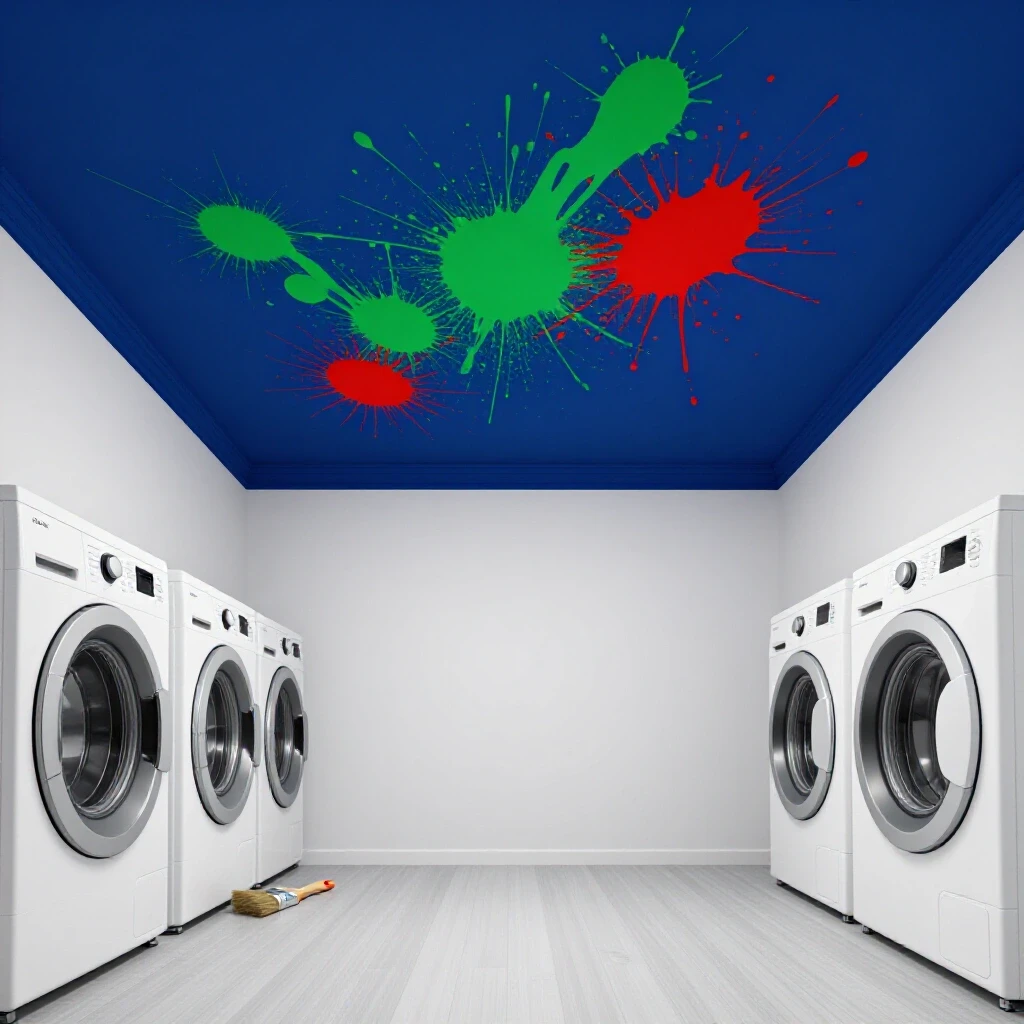
This project is about more than just aesthetics; it is about functional visibility. When you are squinting to see a stain on a shirt or trying to match socks in a dim corner, the problem often isn’t the light bulb itself. Instead, it is the surfaces around you absorbing that light. By applying a high-reflectance coating to the highest point in the room, you can effectively bounce light back down into the workspace. This guide focuses on the practical steps to achieve that brightness boost safely and efficiently.
Assessing the Impact of Light-Reflective Surfaces in Utility Areas
Light Reflectance Value, or LRV, is a scale used by design professionals to quantify how much light a color reflects. For a small utility space, choosing a paint with a high LRV—typically 80 or higher—can significantly increase the ambient illumination in the room by preventing the overhead surface from absorbing the output of your light fixtures.
In my 12 years of maintaining buildings, I have seen how much a simple color shift affects worker productivity and safety. The same logic applies to your home. A laundry area is often tight, and the “cave effect” happens when the ceiling is dingy or painted in a low-sheen, dark-tinted white. By selecting a crisp, high-LRV white, you are essentially installing a massive, passive reflector.
DIY vs. Professional Cost and Time Analysis
Before you clear your Saturday schedule, it is helpful to look at the numbers. While a professional can knock this out quickly, the cost-to-value ratio for a DIY approach is quite high for this specific task.
| Factor | DIY Approach | Professional Hire |
|---|---|---|
| Direct Material Cost | $55 – $85 | Included in quote |
| Labor Cost | $0 (Personal time) | $275 – $500 |
| Active Project Time | 4 – 6 hours | 2 – 3 hours |
| Total Weekend Impact | 1 Full Day | Minimal |
| Tool Investment ROI | High (Tools are reusable) | N/A |
As a busy professional, your time is your most valuable asset. This project typically requires one solid day of work, including prep and two coats, with some passive drying time in between. If you already own a ladder and some basic painting gear, your out-of-pocket costs are remarkably low.
Essential Inventory for Overhead Surface Upgrades
Having the right tools is the difference between a clean finish and a frustrating mess that requires professional correction. You need equipment that extends your reach and ensures even application while protecting the appliances and flooring below from inevitable drips and splatters.
I have learned the hard way that “saving money” on cheap rollers leads to shedding fibers in your paint finish. I once tried to use a bargain-bin roller cover in my guest bathroom, and I spent more time picking fuzz out of the wet paint than I did actually painting. For a smooth overhead surface, quality matters.
Required Tool List and Material Estimates
- Telescoping Extension Pole: This is a threaded rod that attaches to your roller handle. It allows you to paint the ceiling while standing firmly on the floor, reducing neck strain and ladder movement.
- 9-Inch Roller Frame and Covers: Use a frame with a heavy-duty cage. For a standard smooth ceiling, a 3/8-inch nap roller cover is the industry standard for holding enough paint without creating excessive texture.
- 2.5-Inch Angled Sash Brush: An angled brush allows for “cutting in,” which is the process of painting a clean line along the edges where the ceiling meets the walls or trim.
- Painter’s Tape (Multi-Surface): Use a medium-adhesion tape to protect the tops of walls if you are not painting them.
- Canvas Drop Cloths: Unlike plastic, canvas absorbs drips and provides a non-slip surface to walk on.
- Paint Tray and Liners: A sturdy metal or plastic tray holds your reservoir of paint.
- High-LRV Ceiling Paint: Look for a “flat” or “matte” finish to hide surface imperfections, ensuring the LRV is listed on the manufacturer’s technical data sheet.
Material Calculation for a Standard Laundry Room
Most laundry rooms are between 35 and 70 square feet. A single gallon of paint typically covers 350 to 400 square feet per coat. Even with two coats, one gallon is more than enough. However, always check the manufacturer’s coverage specs, as porous surfaces may soak up more material on the first pass.
Safety Standards and Physical Preparation
Working on overhead projects introduces specific risks, primarily related to ladder safety and repetitive motion strain. Following established safety protocols, such as those suggested by the American Ladder Institute, ensures that you complete the project without injury or damage to your home’s infrastructure.
In facilities management, we prioritize ergonomics. Painting a ceiling involves looking up for long periods, which can cause “painter’s neck.” I recommend using an extension pole for 90% of the work to keep your head at a more natural angle. Safety glasses are also mandatory; even the most careful roller will produce a fine mist of paint that you do not want in your eyes.
Ladder Safety and Workspace Setup
- Check your ladder for a “Duty Rating” label. Ensure it can support your weight plus the weight of your tools.
- Never stand on the top two steps of a stepladder. This is a common cause of tipping accidents.
- Maintain “three points of contact” (two feet and one hand, or two hands and one foot) whenever you are climbing or descending.
- Clear the room of laundry baskets, ironing boards, and small rugs to create a clear path for your ladder and extension pole movement.
Execution Phase 1: Surface Preparation and Cleaning
Preparation is the foundation of any long-lasting paint job. In a laundry room, ceilings often collect lint, dust, and sometimes detergent residue that can prevent paint from adhering properly, leading to peeling or bubbling later on.
Since we are avoiding structural repairs or mold issues in this guide, your focus here is purely on cleanliness. In my experience, a microfiber mop or a vacuum with a brush attachment is the most efficient way to clear away the “fuzz” that accumulates in utility spaces.
The Importance of a Clean Substrate
A substrate is simply the surface you are painting. If the substrate is dusty, the paint sticks to the dust, not the ceiling. I once skipped this step in a basement utility closet and ended up with a finish that looked like sandpaper. Take 15 minutes to wipe the ceiling down with a damp (not soaking) cloth and let it dry completely before starting.
- Remove any cobwebs from corners using your brush or a vacuum.
- Wipe down the tops of any wall-mounted cabinets or shelves that might catch falling paint.
- Apply painter’s tape to the top of the walls. Press the edge of the tape down firmly with a putty knife or your fingernail to prevent “bleed-through,” where paint seeps under the tape.
Execution Phase 2: The Cutting-In Process
Cutting in is the technique of using a brush to paint the areas that a roller cannot reach, such as the perimeter of the ceiling and around light fixture mounting plates. This creates a “frame” of wet paint that you will later roll into, ensuring a seamless transition between the edges and the main body of the ceiling.
Many DIYers find this the most intimidating part because they fear making a mess on the walls. The key is “loading” the brush correctly. Dip only the first inch of the bristles into the paint and tap it against the side of the can. Don’t wipe it off; you want the brush to hold a reservoir of paint that flows smoothly onto the surface.
Step-by-Step Edging Technique
- Start about an inch away from the wall and move the brush toward the corner.
- As the bristles spread, let the tips of the angled brush glide right into the “crook” where the wall meets the ceiling.
- Work in three-foot sections.
- Keep a “wet edge.” This means you should try to roll the main ceiling before the cut-in sections dry completely to avoid “picture framing,” which is a visible line between the brushed and rolled areas.
Execution Phase 3: Rolling for Maximum Light Reflection
Rolling is where the actual brightness gain happens. The goal is to apply an even, consistent layer of paint that dries to a smooth, flat finish. This allows light to bounce off the surface uniformly rather than creating hot spots or shadows.
I prefer the “W” or “N” pattern technique. You roll a large letter on the ceiling and then fill it in without lifting the roller. This distributes the paint evenly across the section. As a facility manager, I look for “holidays”—those annoying thin spots where the old color peeks through. Using a systematic pattern prevents these gaps.
The Rolling Sequence
- Pour paint into the tray and prime the roller. It should be fully saturated but not dripping.
- Start in a corner and work across the width of the room (the shorter dimension).
- Use the extension pole to maintain a steady, moderate pressure. Do not press too hard; let the nap of the roller do the work.
- Overlap each stroke by about 50%. This ensures that you don’t leave thin lines of paint.
- Once a section is covered, do a “back-roll.” This is a light pass over the wet paint in one direction to level out the texture.
Managing Dry Times and Second Coat Application
Patience is a required tool for any home upgrade. Most modern latex ceiling paints are dry to the touch in an hour, but they are not ready for a second coat that quickly. Applying a second coat too soon can “re-wet” the first layer, causing it to pull away from the ceiling and create a clumpy mess.
Check the manufacturer’s technical guide on the back of the paint can. Usually, a four-hour wait is the minimum. In my own projects, I usually grab lunch or tackle a small organization task in the laundry room while the first coat sets.
Cure Time vs. Dry Time
| Stage | Estimated Duration | What is happening? |
|---|---|---|
| Dry to Touch | 30 – 60 Minutes | Solvents are evaporating; surface feels dry. |
| Recoat Time | 2 – 4 Hours | Paint is stable enough to accept another layer. |
| Initial Cure | 24 Hours | Paint is hard enough for normal room activity. |
| Full Cure | 14 – 30 Days | Paint reaches maximum hardness and durability. |
Troubleshooting Common Application Issues
Even with careful planning, things can go wrong. Recognizing these issues early allows you to fix them before the paint dries, saving you the frustration of a redo.
One common failure I see in user reports is “stipple” or “orange peel” texture. This happens when you use a roller with too thick a nap or if you keep rolling after the paint has started to dry. If you see this happening, stop rolling that area. Let it dry, lightly sand the bumps down, and apply another thin, even coat.
Handling Drips and Splatters
- If paint drips on a hard surface, wipe it up immediately with a damp rag.
- If a drip happens on the ceiling, use your brush to “feather” it out while it is still wet.
- If you find a dried drip later, you will need to carefully scrape it off with a razor blade or sandpaper and touch up the spot.
Clean-Up and Tool Maintenance
Properly cleaning your tools ensures they are ready for your next weekend project, providing a better return on your investment. High-quality brushes and roller frames can last for years if they are not allowed to sit with dried paint on them.
I have a set of brushes that I’ve used for nearly a decade. The secret is a “brush comb” and warm, soapy water. For the laundry room specifically, make sure you don’t wash your tools in a sink that drains into a sensitive septic system without checking local regulations, though most municipal systems handle small amounts of latex paint wash-water just fine.
- Remove excess paint from the roller by using a 5-in-1 tool to “scrape” the paint back into the can.
- Rinse brushes until the water runs clear.
- Use a brush comb to straighten the bristles so they dry in their original shape.
- Hang brushes to dry; resting them on their bristles will ruin the shape.
Knowing When the Project is a Success
The final test is simply turning on the lights. You should notice that the corners of the room are less shadowy and the overall illumination feels “crisper.” This isn’t just a feeling; it is the result of increasing the surface’s ability to bounce photons back into the room.
In my own laundry room, this simple upgrade made the space feel larger and cleaner. It didn’t require a permit, it didn’t involve moving any plumbing, and it cost less than a nice dinner out. For a busy professional, that is the definition of a successful weekend upgrade.
Frequently Asked Questions
How do I know if I need a primer? Since we are focusing on a standard refresh for brightness, you generally do not need a separate primer if the existing ceiling is in good condition and is a similar or darker color. Most modern “ceiling paints” are formulated to be self-priming on previously painted surfaces. However, if the ceiling has never been painted (bare drywall), a dedicated drywall primer is necessary to seal the surface.
Can I use regular wall paint on the ceiling? You can, but ceiling-specific paint is usually better for this task. Ceiling paint is formulated to be “flatter” than wall paint, which helps hide imperfections. It is also designed to be “spatter-resistant,” meaning it won’t spray as many tiny droplets as you roll it overhead.
What is the best way to paint around a light fixture? The safest way is to turn off the power at the breaker, loosen the mounting screws, and let the fixture “drop” a few inches (while still supported by its bracket or a safety chain). This allows you to paint behind the edges of the fixture. If you aren’t comfortable doing that, use your 2.5-inch angled brush to carefully paint around the base.
Why does my ceiling look patchy after one coat? This is common, especially when moving to a high-reflectance white. The first coat often absorbs unevenly. A second coat almost always levels out the color and provides the uniform surface needed for maximum light reflection.
Is a flat finish better than a semi-gloss for brightness? While glossier finishes technically reflect more light, they act like a mirror, showing every bump and tape joint on the ceiling. A flat or matte finish provides “diffuse reflection,” which scatters the light evenly throughout the room, making the space feel brighter without the harsh glare of a glossy surface.
How much paint should I buy for a 10×10 laundry room? A 10×10 room is 100 square feet. One gallon of paint will easily cover this area with two coats. You will likely have about half a gallon left over, which is perfect for future touch-ups.
What should I do if I get paint on my dryer or washing machine? If the paint is still wet, a damp microfiber cloth will take it right off. If it has dried, you can usually catch the edge of the drip with a plastic scraper or a fingernail and pop it off without damaging the appliance’s finish. Avoid using harsh chemicals or abrasive pads.
Can I use a paint sprayer instead of a roller? For a small, enclosed space like a laundry room, a sprayer usually creates more work than it saves. The amount of masking and plastic sheeting required to protect the walls, floor, and appliances from “overspray” often takes longer than simply rolling the ceiling by hand.
How do I prevent my neck from hurting? Use an extension pole. This allows you to stand upright and look at the ceiling at a slight angle rather than standing directly under it and tilting your head straight back. Take a break every 15 minutes to stretch your neck and shoulders.
Does the temperature in the room matter? Yes. For the best results, the room should be between 60°F and 80°F. If the laundry room is in a cold basement, the paint will take much longer to dry. If it is too hot, the paint might dry too fast, leading to visible roller marks.
(This article was written by one of our staff writers, Robert Callahan. Visit our Meet the Team page to learn more about the author and their expertise.)