How to Replace a Bathroom Faucet Aerator for Better Flow (Guide)

Restoring the performance of a household fixture is a lot like tuning a high-performance engine; even the smallest component can drastically impact the overall experience. In my twelve years as a facilities manager, I have seen how a simple buildup of mineral deposits can turn a high-end sink into a source of daily frustration. These small screens at the end of your spout are designed to mix air with water, creating a non-splashing stream and controlling the volume of water used. When that stream becomes erratic or weak, it is usually a sign that the internal mesh is compromised. Taking the time on a Saturday morning to address this ensures your home remains efficient and your plumbing hardware lasts longer without unnecessary strain.
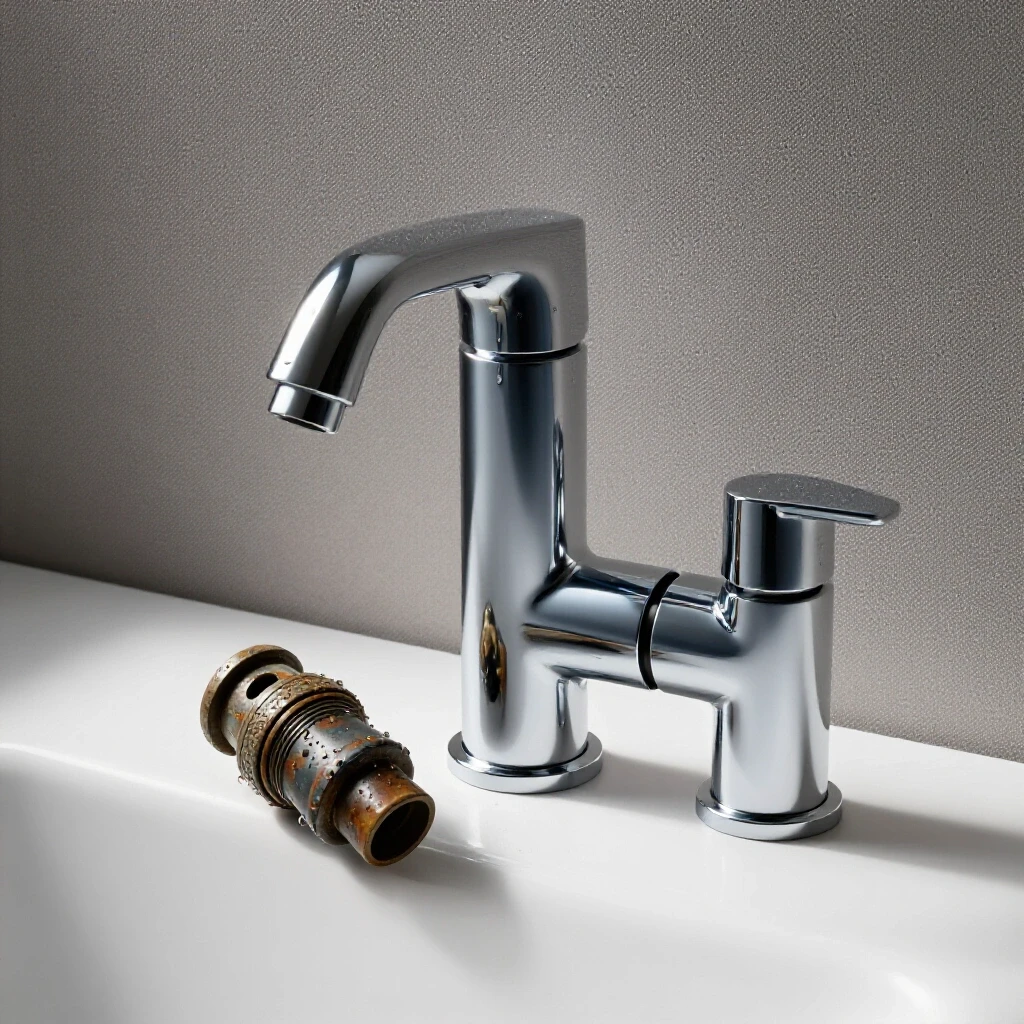
Evaluating Water Output Performance
Measuring the current efficiency of your sink fixture is the first step in determining if the internal screen requires attention. This process involves a timed volume check to see how many gallons per minute your faucet is actually producing compared to its factory rating. It helps you decide whether a simple cleaning or a full component swap is necessary.
In my professional experience, we often overlook the gradual decline in water pressure because we adapt to it over time. I remember a project in my first home where I thought the city’s water pressure was dropping. After a quick timed test, I realized my sink was only outputting 0.5 gallons per minute (GPM) when it was rated for 1.5 GPM. The culprit was a decade of calcium buildup hiding just inside the tip of the spout.
- Standard Flow Rates: Most modern bathroom fixtures are designed for 1.2 to 1.5 GPM.
- Low-Flow Indicators: If your test results show less than 1.0 GPM, the internal mesh is likely restricted.
- Visual Cues: Look for a “diverted” stream where water shoots out at odd angles, indicating a blockage in the aeration pattern.
Why Baseline Testing Matters for DIY Success
A baseline test provides a measurable metric to prove your repair actually worked, removing the guesswork from your weekend maintenance. By recording the time it takes to fill a specific container before and after the fix, you gain a clear understanding of the project’s impact. This data-driven approach is a hallmark of professional facility maintenance that translates perfectly to home upgrades.
I always recommend using a clear measuring cup and a stopwatch. If it takes more than 10 seconds to fill a two-cup container, your flow is significantly restricted. This simple diagnostic prevents you from over-tightening connections or looking for problems behind the walls when the issue is right at the surface.
Essential Gear for Spout Maintenance
Before starting any plumbing task, having the correct tools on hand prevents damage to expensive finishes and saves multiple trips to the hardware store. This project requires a mix of standard hand tools and specialized keys, depending on whether your fixture has a visible or hidden internal screen. Preparation is the difference between a ten-minute fix and a ruined faucet finish.
| Tool | Purpose | Necessity |
|---|---|---|
| Masking Tape / Rag | Protects the faucet finish from scratches. | Essential |
| Slip-Joint Pliers | Provides leverage for unscrewing the housing. | Essential (Standard) |
| Aerator Key Set | Fits into slots of recessed/hidden screens. | Essential (Hidden) |
| Small Nylon Brush | Cleans away loose sediment and grit. | Recommended |
| Measuring Cup | Used for the volume and flow rate test. | Essential |
Understanding Specialized Removal Tools
Many modern, sleek faucets use “cache” or hidden components that do not have flat sides for a wrench to grab. These require a specific plastic or metal key that matches the teeth of the internal housing. Without this tool, attempting to remove the screen can result in stripped plastic or a permanent clog that requires replacing the entire spout.
I once spent forty minutes trying to use a pair of needle-nose pliers on a recessed screen before admitting I needed the manufacturer’s key. It was a humbling reminder that even with a decade of experience, the right tool is non-negotiable. Most hardware stores sell a multi-key set that covers the four most common sizes: Standard, Junior, Tiny Junior, and Tom Thumb.
Executing the Timed Volume Measurement
A flow test is a controlled method of calculating the GPM output of your fixture by timing how long it takes to fill a known volume. This quantitative measurement allows you to compare your current performance against the manufacturer’s specifications. It is a non-invasive way to diagnose a clog without disassembling the hardware first.
- Clear the Area: Remove all soap dispensers and clutter from the sink to avoid spills.
- Set the Stopwatch: Use your phone or a digital timer to ensure accuracy to the second.
- The Fill Phase: Turn the cold water on to full power and simultaneously start the timer as you place a 1-quart (4-cup) container under the stream.
- The Stop Phase: Stop the timer exactly when the water hits the 1-quart line.
- The Calculation: Divide 15 by the number of seconds it took to fill the quart. For example, if it took 10 seconds, your flow rate is 1.5 GPM (15 / 10 = 1.5).
Interpreting Your Flow Test Results
If your calculation results in a number significantly lower than 1.2 GPM, the internal screen is the primary suspect for your pressure issues. Results between 1.2 and 1.5 GPM generally indicate a healthy system, though a cleaning might still improve the stream’s consistency. If the flow is erratic but the GPM is high, the screen is likely damaged rather than clogged.
In my home projects, I’ve found that a “failed” test often reveals more than just a clog. If the flow starts strong and then tapers off, you might have a different issue deeper in the lines. However, for 90% of bathroom sinks, a slow fill time points directly to the tip of the faucet.
Safe Removal of the Screen Housing
Removing the tip of the faucet requires a gentle touch to avoid marring the metal finish or cross-threading the delicate plastic components. This stage involves identifying the type of housing you have and applying the correct amount of torque to break the seal of mineral deposits. Safety and patience are paramount to avoid a costly mistake.
- Close the Drain: This is the most critical safety step. Use the pop-up stopper or a towel to block the drain so small washers don’t disappear.
- Protect the Finish: Wrap the metal housing in two layers of masking tape or a thick rubber band to provide grip and prevent scratches from pliers.
- Lefty-Loosey: From the perspective of looking down at the faucet, turn the housing clockwise (which is counter-clockwise if you were looking up from the sink basin).
- Hand-Turn: Once the initial seal is broken with pliers, finish unscrewing the component by hand to feel for any resistance.
- Layout the Parts: Place the removed parts on a clean towel in the exact order they came out: housing, screen, and rubber washer.
Dealing with Stubborn Mineral Deposits
Over years of use, calcium and magnesium in the water can essentially “weld” the threads of the housing to the faucet. If the component does not budge with moderate pressure, do not force it, as you risk bending the spout. Instead, I recommend a “soak” method using a small plastic bag filled with a 50/50 mix of warm water and white vinegar, rubber-banded around the faucet tip for thirty minutes.
I learned this the hard way after nearly snapping a decorative spout on a guest bathroom sink. The vinegar safely dissolves the mineral bonds without damaging the finish. After a short soak, the housing usually spins off with minimal effort, saving you from a frustrating repair-turned-replacement scenario.
Selecting the Correct Replacement Component
Choosing a new internal screen involves matching the thread type, the physical diameter, and the desired GPM rating. Not all screens are created equal; some prioritize water conservation, while others focus on a high-pressure feel. Understanding these variables ensures that your new part fits perfectly and performs according to your preferences.
- Male vs. Female Threads: Male aerators have threads on the outside; female aerators have them on the inside.
- Size Categories: Standard (15/16″ male or 55/64″ female), Junior (13/16″ male or 3/4″ female), and Tom Thumb (M18x1 threads).
- GPM Ratings: Choose 1.5 GPM for a standard feel or 1.0–1.2 GPM for maximum water savings.
- Stream Type: Decide between “Aerated” (bubbles and soft feel), “Laminar” (clear, non-splashing stream), or “Spray” (mini-showerhead effect).
The Importance of the Rubber Washer
The rubber washer is the unsung hero of this assembly, as it creates the watertight seal that prevents water from leaking out of the threads. When buying a replacement, never reuse an old, flattened, or cracked washer. A new screen should always come with its own matching washer to ensure a proper fit.
In my facilities work, I’ve seen countless “leaking” faucets that were simply the result of someone forgetting to seat the washer correctly. If the washer is too thin, the unit will leak; if it’s too thick, you won’t be able to engage enough threads to secure the housing. Always dry-fit the washer into the housing before trying to screw it onto the faucet.
Reassembly and Final Verification
Putting the faucet back together is a straightforward process, but it requires precision to avoid cross-threading. Once the new screen is installed, a second flow test is conducted to verify the improvement. This final phase confirms that the project was successful and that there are no leaks at the connection points.
- Clean the Spout Threads: Use a damp cloth to wipe the internal threads of the faucet spout to remove any leftover grit.
- Assemble the Stack: Place the screen into the housing, followed by the rubber washer on top.
- Start by Hand: Thread the housing onto the spout using only your fingers. It should turn smoothly for at least two full rotations.
- Snug It Up: Once hand-tight, use your protected pliers to give it a final 1/8th turn. Do not over-tighten.
- Flush the System: Turn the water on slowly to bleed out any air, then run it at full blast for 30 seconds.
Conducting the Post-Installation Flow Test
Repeat the same timed volume test you performed at the beginning of the project. If your initial test took 20 seconds to fill a quart and your new test takes 10 seconds, you have effectively doubled your water flow. Documenting this change gives a great sense of accomplishment and confirms that your weekend effort resulted in a measurable home improvement.
I recently performed this on a 20-year-old fixture in my laundry room. The “before” test was a dismal 0.4 GPM, barely enough to rinse a paintbrush. After the swap, I hit a solid 1.5 GPM. The total active work time was less than fifteen minutes, but the functional value to my daily chores was immense.
Troubleshooting Common Post-Install Issues
Even with careful execution, you might encounter minor issues like a whistling sound, a side-spray, or a slow drip from the threads. Most of these problems are caused by a misaligned washer or a small piece of debris that broke loose from the pipes during the process. Troubleshooting these immediately prevents long-term damage or annoyance.
- Side-Spraying: This usually means a tiny piece of grit is stuck in the new screen. Unscrew it, rinse it out, and reinstall.
- Leaking from Threads: The housing is either too loose or the washer is not seated flat. Check the washer’s orientation.
- Whistling Noise: This is often caused by high water pressure hitting a low-flow restrictor. Try a different GPM-rated screen.
- Reduced Flow (Still): If the new screen didn’t help, the blockage might be in the supply lines or the faucet cartridge itself.
When to Suspect Deeper Issues
If the flow test shows no improvement after replacing the screen, the problem likely resides in the shut-off valves under the sink or the faucet’s internal cartridge. While replacing a screen is a simple surface-level task, these deeper issues require more time and a different set of tools. Always start with the simplest fix—the aerator—before diving into more complex plumbing.
In my experience, 85% of bathroom flow issues are solved at the spout. If you’ve replaced the screen and still have a weak stream, check if the hot and cold water are equally weak. If only one side is affected, the issue is definitely in the lines or the valve, not the aerator.
DIY vs. Professional Comparison
Understanding the value of your time and effort helps justify why these small tasks are worth doing yourself. Most professionals have a minimum “call-out” fee that far exceeds the cost of the parts and tools for this project. By handling this yourself, you save money and gain a deeper understanding of your home’s systems.
| Factor | DIY Approach | Professional Approach |
|---|---|---|
| Material Cost | $5 – $15 | $5 – $15 |
| Labor Cost | $0 (Your Time) | $100 – $200 (Service Fee) |
| Time Required | 30 – 60 Minutes | 2 – 4 Hour Window |
| Skill Level | Beginner | Licensed Professional |
| Tools Needed | Pliers, Tape, Key | Full Plumbing Kit |
The Satisfaction of Functional Upgrades
Beyond the cost savings, there is a distinct psychological benefit to fixing something with your own hands. As a busy professional, I find that these small wins on the weekend provide a sense of control and maintenance over my environment that my office job sometimes lacks. It’s a low-risk way to build your DIY confidence for larger projects down the road.
I always keep a spare “universal” aerator kit in my tool chest. It’s a small investment that has saved me from frustration late on a Sunday night when I realized a guest bathroom sink was acting up. Being prepared is the hallmark of a seasoned DIYer.
Final Project Checklist
Before you put your tools away, run through this final checklist to ensure the job is complete and safe. This habit ensures that you won’t have to revisit the project next week because of a forgotten step or a loose connection.
- [ ] Drain stopper is open and functioning.
- [ ] Housing is snug and shows no leaks under full pressure.
- [ ] Masking tape and residue have been cleaned off the faucet.
- [ ] The stream is straight, steady, and non-splashing.
- [ ] Post-install flow test results are recorded and show improvement.
- [ ] Tools are wiped down and returned to their storage location.
By following these steps, you’ve not only restored your sink’s performance but also practiced the same methodical approach used by facilities managers to maintain large-scale properties. It’s about precision, measurement, and the right tools for the job.
Frequently Asked Questions
How do I know what size aerator I need without taking it to the store? You can use common coins to estimate the size. A quarter is roughly the size of a standard aerator (15/16″), a nickel is about the size of a Junior aerator (13/16″), and a dime is close to the Tom Thumb size. This helps you order the right part online or find it in the aisle quickly.
Can I just soak my old aerator in vinegar instead of buying a new one? Yes, if the mesh is metal and not physically damaged, a 24-hour soak in white vinegar can dissolve most mineral deposits. However, for plastic-heavy modern aerators, the internal components often degrade over time, making a $5 replacement a more reliable long-term solution.
Why does my faucet make a loud vibrating noise after I replaced the screen? Vibration or “water hammer” after a swap usually means the aerator isn’t tightened enough or the washer is vibrating against the housing. Try tightening it another 1/16th of a turn. If that fails, ensure the washer is the correct thickness for your specific faucet model.
What is the difference between an aerated stream and a laminar stream? An aerated stream mixes air into the water, making it feel “softer” and whiter in appearance; this is standard for most bathrooms. A laminar stream does not mix in air, resulting in a crystal-clear, non-splashing stream often found in high-end or medical settings where reducing airborne bacteria is important.
Do I need to use Teflon tape on the aerator threads? No, you should not use Teflon tape on these threads. The seal is created by the rubber washer pressing against the flat surface of the spout, not by the threads themselves. If you need tape to stop a leak, it usually means your washer is missing, damaged, or the wrong size.
How often should I perform a flow test on my sinks? I recommend doing a quick visual check every six months. If you notice the stream becoming uneven or “split,” it’s time for a cleaning. A formal timed flow test is only necessary if you notice a significant drop in pressure or are trying to diagnose a specific plumbing issue.
Can a clogged aerator cause my water heater to act up? While it won’t damage the heater, a severely restricted flow can prevent a tankless water heater from “firing” or turning on. These heaters require a minimum flow rate (usually 0.5 GPM) to activate. If your aerator is clogged, you might find yourself with only cold water at that specific sink.
Is it safe to use a wrench if I don’t have pliers? An adjustable wrench is actually preferred over pliers if the aerator housing has “flats” (two parallel flat sides). The wrench provides more even pressure and is less likely to slip. Just remember to use masking tape to protect the finish regardless of which tool you choose.
What if my faucet doesn’t have an aerator at all? Some decorative or “waterfall” faucets are designed without traditional aerators. If these become clogged, the debris is likely inside the faucet body or at the supply line filters. These require a different maintenance approach and often involve disassembling the handle or cartridge.
Will a low-flow aerator make it take longer to get hot water? Yes, slightly. Since less water is moving through the pipes per minute, it will take longer for the hot water from the heater to reach the faucet. If you have a long pipe run, you might prefer a 1.5 GPM model over a 1.0 GPM model to reduce the wait time.
(This article was written by one of our staff writers, Robert Callahan. Visit our Meet the Team page to learn more about the author and their expertise.)