How to Repair a Chipped Countertop for a Seamless Finish (Guide)

Focusing on ease of installation, many of us look for projects that offer high visual impact without requiring a full kitchen teardown. As a facilities manager, I spend my days overseeing large-scale building systems, but my weekends are for the small details in my own home. I remember the first time I noticed a jagged chip in my laminate kitchen island—it felt like a glaring neon sign of neglect. It happened during a particularly hectic work week when a heavy ceramic crock slipped from my hands. That small void in the surface bothered me every time I prepped a meal, yet I worried that a DIY fix might look worse than the damage itself.
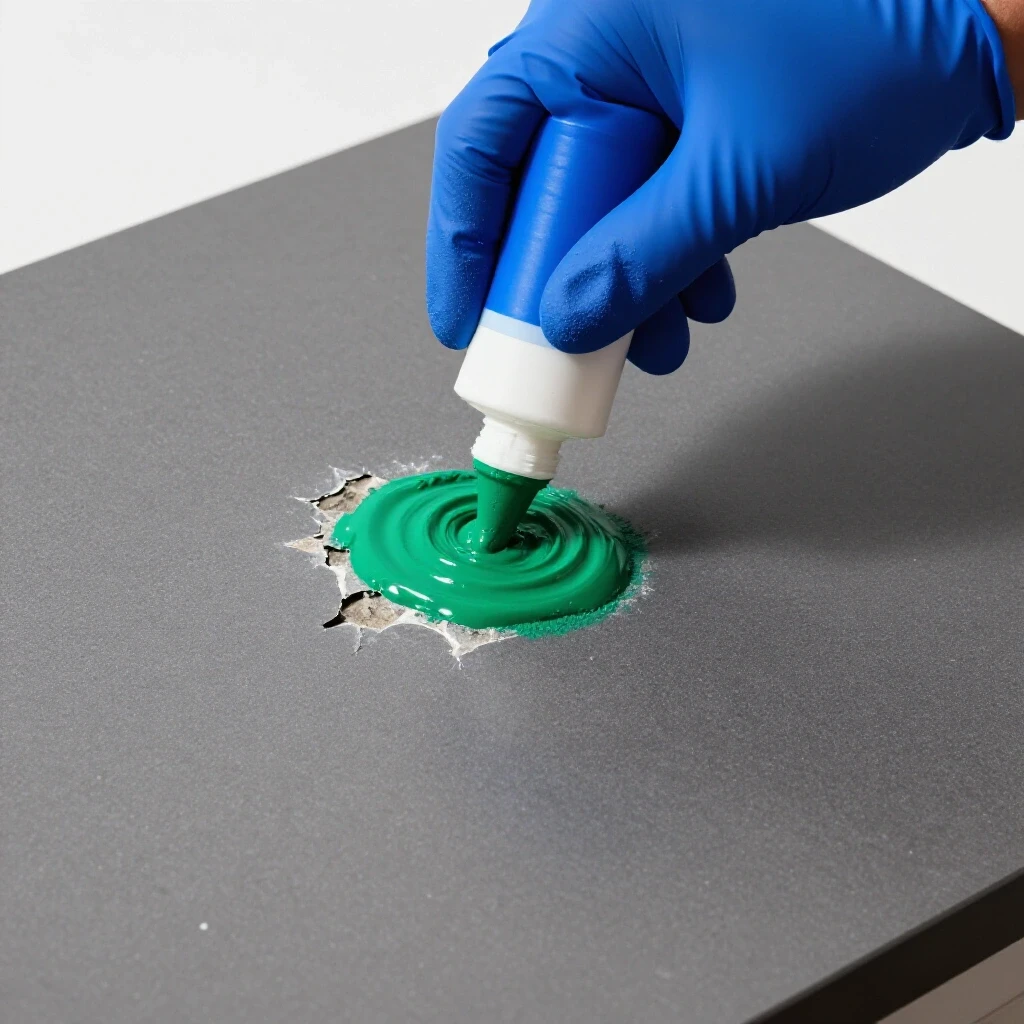
Through my 12 years of maintaining both commercial properties and two personal homes, I have learned that surface restoration is less about artistic talent and more about following a disciplined process. Many online tutorials skip the critical steps of chemical bonding and curing temperatures, leading to patches that pop out within a month. This guide is designed to help you navigate the nuances of fixing minor surface damage on laminate or acrylic surfaces using a methodical, code-conscious approach. We will focus on functional, lasting results that respect your time and your budget.
Assessing the Damage and Planning Your Weekend DIY Project
This phase involves identifying the material of your surface and the depth of the void to ensure the repair bond holds. Proper assessment prevents the frustration of using a filler that is chemically incompatible with the existing substrate.
Before you reach for a repair kit, you must determine if your surface is a candidate for a manual touch-up. This guide focuses on non-porous man-made materials like laminate, resin-based composites, and acrylics. In my experience, these materials respond well to two-part acrylic fillers or specialized color-matched pastes. If the chip has exposed the particleboard or MDF (medium-density fiberboard) underneath, the repair becomes more urgent. Exposed wood-based cores can absorb moisture, leading to swelling that ruins the entire deck.
A successful weekend project requires a realistic look at the clock. While the active “work” time for filling a small void is often less than an hour, the chemical curing process cannot be rushed. I recommend starting this project on a Saturday morning to allow for full hardening before the Sunday evening meal prep rush.
| Project Phase | Active Labor Time | Curing/Waiting Time | Difficulty (1-10) |
|---|---|---|---|
| Surface Preparation | 20 Minutes | 10 Minutes (Drying) | 2 |
| Mixing & Application | 15 Minutes | 2-4 Hours | 4 |
| Leveling & Sanding | 30 Minutes | N/A | 5 |
| Final Polishing | 15 Minutes | 24 Hours (Full Cure) | 3 |
Key Takeaway: Always verify the substrate material before purchasing fillers. Protecting the inner core from moisture is the primary goal of any surface restoration.
Essential Materials and Tool Inventory for Surface Restoration
Selecting the right tools involves understanding the chemistry of adhesives and the mechanics of abrasion. Using the wrong grit of sandpaper or a contaminated mixing tool can compromise the visual blend and the structural integrity of the patch.
In my facilities role, I have seen many “quick fixes” fail because the technician used a generic wood putty on a plastic surface. For laminate and acrylic, you need a filler that mimics the hardness and expansion rate of the original material. A two-part resin is often superior because the chemical reaction creates a permanent bond that resists heat and moisture better than air-dry pastes.
1. The Necessary Tool List
- Isopropyl Alcohol (91% or higher): Used to remove oils and greases that prevent bonding.
- Two-Part Acrylic or Laminate Filler: The primary material for filling the void.
- Plastic Spatula or Putty Knife: For Mixing and applying the filler without scratching the surrounding area.
- Fine-Grit Sandpaper: Specifically 320, 600, and 1200 grit for progressive smoothing.
- Microfiber Cloths: For cleaning dust between sanding stages.
- Masking Tape (Low-Tack): To protect the undamaged areas surrounding the chip.
- Leveling Block: A small, flat wooden or rubber block to ensure the sandpaper stays perfectly level.
2. Safety Gear and Workspace Setup
- Safety Glasses: To protect against flying debris during the sanding phase.
- Nitrile Gloves: To prevent skin irritation from resins and to keep skin oils off the repair site.
- Portable LED Work Light: Essential for seeing the “high spots” during the leveling process.
Key Takeaway: Invest in a dedicated leveling block rather than using your fingers to sand. Finger pressure is uneven and will create a “dish” or a depression in the patch.
Safety Protocols and Surface Preparation Standards
Preparation is the foundation of any code-compliant or professional-grade repair. Skipping the cleaning or masking stages is the most common cause of project failure reported by DIYers.
The first step is ensuring the work area is well-ventilated. While we aren’t working with large volumes of chemicals, the solvents in many fillers can be potent in small kitchens. I always set up a small fan to move air away from the workspace. Next, cleaning the site is not just about wiping away crumbs; it is about removing molecular-level contaminants.
Interestingly, many dish soaps contain lotions or oils that can act as a “bond breaker.” This is why I insist on using high-percentage isopropyl alcohol. It evaporates quickly and leaves no residue. Following the cleaning, you must “dry-fit” your masking tape. This means placing tape about 1/16th of an inch away from the edge of the chip. This creates a “safe zone” where you can work without scuffing the healthy part of your counter.
Key Takeaway: Clean the area twice. The first pass removes visible dirt; the second pass, using a fresh cloth, removes invisible oils that would otherwise cause the filler to peel.
Step-by-Step Execution: Filling and Leveling Surface Voids
This stage is the core of the project, where the filler is applied to the damaged area. The goal is to achieve a dense, bubble-free fill that sits slightly higher than the surrounding surface.
When I first started doing these repairs, I tried to make the filler perfectly level while it was still wet. This was a mistake. Most resins and pastes shrink slightly as the solvents evaporate or the chemical reaction occurs. The professional standard is to “overfill” the void by about 5% to 10%. Think of it like a small mound or “dome” over the chip.
The Application Process
- Mix the Compound: If using a two-part system, follow the manufacturer’s ratio exactly. Use a non-porous mixing surface like a scrap piece of plastic or a glass plate.
- Apply the First Layer: Press the filler firmly into the bottom of the chip to eliminate air pockets. Air trapped at the bottom will eventually expand and cause the patch to crack.
- Build the Dome: Add more material until the patch sits just above the level of the counter.
- Check for Slumping: If the chip is on a vertical edge, you may need to use a piece of clear packing tape to hold the filler in place while it sets.
Understanding Curing Variables
Temperature and humidity play a massive role in how long you must wait. Manufacturers usually base their cure times on a room temperature of 70°F (21°C). If your kitchen is colder, the resin might stay tacky for hours longer than expected. I once tried to rush a repair in a chilly basement, and the sandpaper simply gummed up the wet resin, forcing me to scrape it out and start over.
Key Takeaway: Overfill the void slightly. It is much easier to sand down a high spot than it is to add a second layer to a low spot.
Color Matching and Finishing Techniques for a Seamless Blend
Achieving a visual match requires patience and an understanding of how light interacts with different textures. A patch that is the right color but the wrong gloss level will still be highly visible.
Most repair kits come with primary color pigments. In my experience, it is best to mix your color in natural daylight if possible. Artificial kitchen lighting can have a yellow or blue cast that tricks your eye. Start with the base color (usually white or almond) and add tiny amounts of darker pigment using a toothpick.
Once the filler is fully cured and sanded level with 320-grit paper, you will notice the patch looks dull. This is where the 600 and 1200 grit papers come in. These “polishing” grits remove the scratches left by the coarser paper. If your counter has a high-gloss finish, you may even need a final buffing compound.
| Sanding Grit | Purpose | Expected Result |
|---|---|---|
| 320 Grit | Initial Leveling | Removes the “dome”; surface is flat but scratchy. |
| 600 Grit | Smoothing | Removes 320-grit scratches; surface feels smooth. |
| 1200 Grit | Pre-Polishing | Restores a satin sheen; patch begins to blend. |
| Buffing Compound | Final Gloss | Matches high-shine acrylic or polished resin. |
Key Takeaway: Move the sandpaper in small circular motions. This prevents “linear graining” which makes the repair stand out against the random texture of the laminate.
Troubleshooting Common Failures in Surface Patching
Even with careful planning, things can go wrong. Understanding why a repair fails is the best way to prevent a second attempt from suffering the same fate.
One of the most common issues is “halo-ing,” where a ring appears around the repair. This usually happens because the edges of the chip weren’t cleaned well enough, or the sandpaper scuffed the surrounding factory finish. To fix this, you must sand very lightly with the highest grit possible and avoid crossing the tape line until the final polishing stage.
Another failure point is the patch popping out. This is almost always due to “shrinkage” or poor adhesion. If the chip was too shallow (less than 1/32 of an inch), the filler might not have enough “tooth” to grab onto. In these cases, I sometimes use a needle to very carefully roughen the bottom of the chip before cleaning, providing more surface area for the bond.
Key Takeaway: If the filler doesn’t harden within the manufacturer’s specified time, the mix ratio was likely incorrect. Scrape it out, clean with alcohol, and start again. Never apply fresh resin over uncured resin.
Maintenance and Long-Term Care of Restored Surfaces
Once the repair is complete and has cured for at least 24 hours, it requires specific care to ensure it stays bonded. The transition point between the patch and the original surface is the most vulnerable area.
Avoid using abrasive cleaners or “magic” sponges on the repaired area. These can wear down the patch faster than the surrounding laminate. I recommend using a mild pH-neutral cleaner. Additionally, be mindful of heat. While many modern resins are heat-resistant, they are rarely as resilient as the original factory-pressed surface. Always use a trivet for hot pans.
In my years of facilities management, I have found that a quick annual inspection of your home’s “high-traffic” surfaces can prevent small chips from becoming large delamination issues. If you see the edges of your patch starting to lift, a tiny drop of clear cyanoacrylate (super glue) can sometimes seal the edge and extend the life of the repair for several more years.
Key Takeaway: Treat the repaired area as a “zone of caution.” It is a functional fix, but it will never have the same structural integrity as the original, unbroken surface.
Final Project Checklist
Use this list to ensure you haven’t missed any critical steps before declaring the project finished.
- Debris Check: Is the chip free of loose particles?
- Solvent Cleanse: Did you use 91%+ alcohol to strip oils?
- Tape Protection: Is the surrounding surface masked off?
- Proper Mix: Did you follow the 2-part resin ratio exactly?
- The Overfill: Does the wet patch sit higher than the counter?
- Full Cure: Did you wait the full time (usually 2-4 hours) before sanding?
- Progressive Sanding: Did you move through all grit levels (320 to 1200)?
- Final Polish: Does the sheen match the surrounding area?
By following these steps, you can save hundreds of dollars compared to a professional restoration or a full surface replacement. The satisfaction of seeing a once-damaged area look nearly whole again is one of the best rewards of the DIY lifestyle.
Frequently Asked Questions
Can I use standard wood filler for a laminate surface?
No, wood filler is designed to expand and contract with wood fibers and is typically porous. It will not bond correctly to the plastic resins of a laminate surface and will likely crumble or fall out when exposed to water. Always use an acrylic-based or epoxy-based filler designed for non-porous surfaces.
How do I match a patterned or “speckled” countertop?
Matching a pattern is the most challenging part of surface restoration. The best technique is to mix a base color that matches the most prominent background shade. After filling and leveling, you can use a toothpick to “dot” in small flecks of a darker or lighter color before the resin fully sets, or use a specialized touch-up pen after the initial sanding.
Is it safe to prepare food directly on a repaired surface?
Most two-part resins are non-toxic once fully cured, but they are not always rated as “food-safe” for direct contact in the same way a cutting board is. I always recommend using a cutting board and avoiding direct food preparation on any area that has been chemically repaired.
Why did my patch turn yellow after a few months?
Yellowing is usually caused by UV exposure or high heat. Some lower-quality resins are not UV-stable. To prevent this, ensure you use a “non-yellowing” repair kit and keep the area away from intense, direct sunlight or hot appliances like air fryers or slow cookers.
What is the minimum temperature for a successful repair?
Most manufacturers recommend a minimum of 65°F (18°C). If the temperature is lower, the chemical reaction in two-part fillers may stall, resulting in a patch that remains soft or tacky indefinitely. If your kitchen is cold, use a space heater to warm the area for an hour before starting.
Can I fix a chip on the very edge of the counter?
Yes, but it requires a “form.” You can create a temporary wall using low-tack masking tape or a small piece of stiff plastic held in place with tape. This allows you to pool the filler against the edge without it dripping off before it hardens.
How long should I wait before using the counter for heavy tasks?
While the patch may feel hard to the touch after 4 hours, it takes roughly 24 hours for most resins to reach their full structural hardness. Avoid placing heavy objects, sliding plates, or getting the area wet for at least one full day.
My sandpaper is leaving dark marks on the patch. What happened?
This usually occurs when using “wet/dry” sandpaper without water, or if the sandpaper is of low quality and the grit is shedding. Always use a clean, high-quality sandpaper and consider using a drop of water as a lubricant during the 1200-grit stage to keep the surface cool and clean.
What if the chip is too deep and I can see the wood underneath?
If the wood (MDF or particleboard) is visible, you must ensure it is completely dry before filling. If it feels damp, use a hairdryer on a low setting to dry it out. If the wood is swollen, you may need to carefully sand the wood flat before applying the filler to prevent the patch from sitting too high.
Can I use a hair dryer to speed up the curing process?
While a little warmth can help, too much heat can cause the resin to bubble or crack. If you use a hair dryer, keep it on the lowest heat setting and hold it at least 12 inches away. It is generally safer to let it cure naturally at room temperature.
(This article was written by one of our staff writers, Robert Callahan. Visit our Meet the Team page to learn more about the author and their expertise.)