How to Build a Hidden Shoe Storage Bench for Entryways (DIY Guide)

Have you ever wondered how many minutes you lose each week just searching for a matching pair of shoes in a pile by the front door? In my 12 years as a facilities manager, I have learned that the most effective way to manage any space is to create a dedicated, accessible spot for every high-use item. Transitioning from a high-stress workday to a relaxing home environment is much easier when you are not tripping over sneakers the moment you walk through the door.
Early in my DIY journey, I attempted to solve my entryway clutter with a cheap, store-bought rack that collapsed under the weight of a few winter boots. It was a frustrating waste of money and a reminder that structural integrity matters. Since then, I have focused on building custom, code-compliant furniture that serves a dual purpose. A sturdy seat that conceals footwear is one of the most functional upgrades you can add to your home. It provides a comfortable place to sit while keeping your hallway clear and organized.
Planning Your Entryway Storage Solution
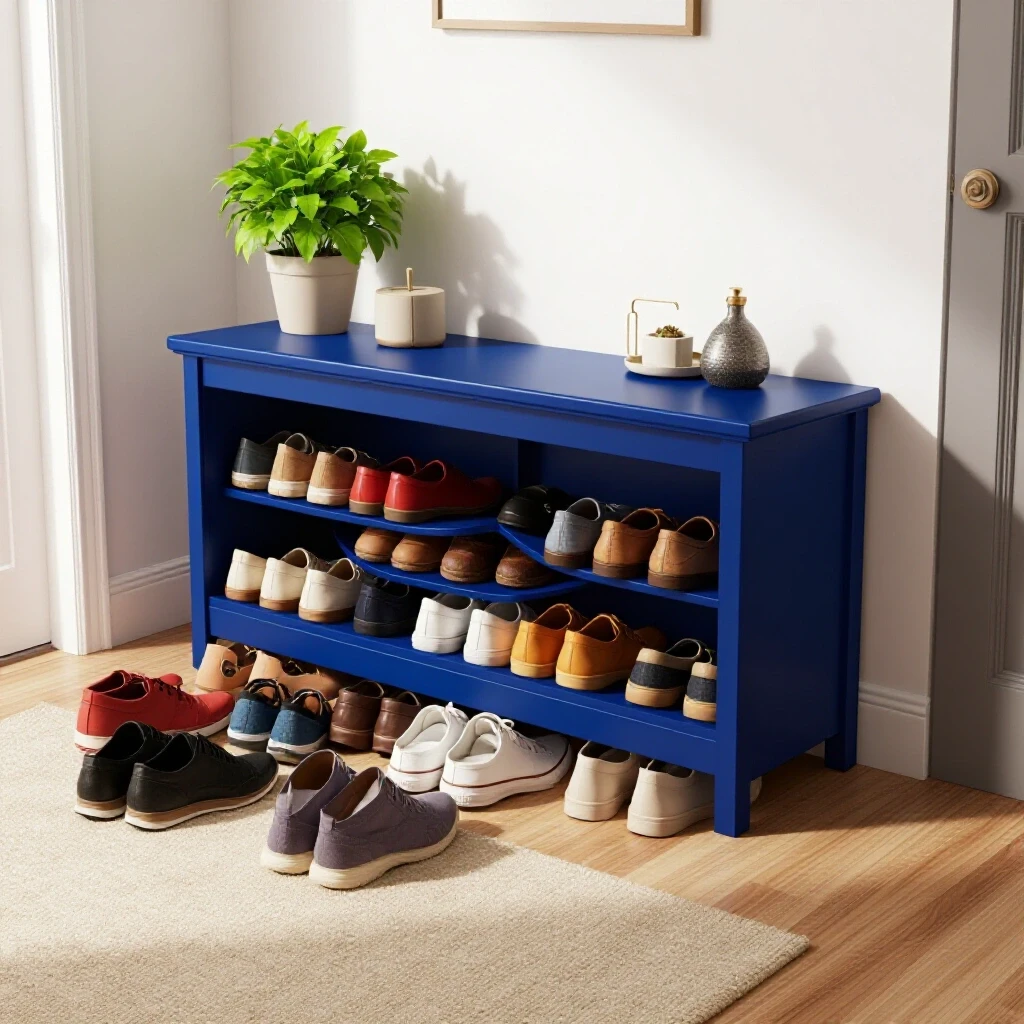
Planning involves measuring your available footprint, calculating the number of shoes to be housed, and selecting materials that support the weight of an adult while providing a clean, integrated look for your home’s foyer or bedroom. A well-thought-out plan prevents mid-project trips to the hardware store and ensures the final piece fits your space exactly.
When I plan a weekend DIY project, I start by looking at the “user load.” In my household, that means accounting for everything from heavy work boots to slim sandals. I recommend measuring your longest pair of shoes to determine the internal depth of your compartments. Most adult shoes fit within a 12-inch to 14-inch depth. For the height, 18 inches is the standard for a comfortable seat, which also happens to provide enough vertical space for two tiers of shoe storage.
Table 1: DIY vs. Professional Project Analysis
| Feature | DIY Approach | Professional Custom Build |
|---|---|---|
| Estimated Cost | $120 – $200 (Materials only) | $600 – $1,200 (Labor + Materials) |
| Time Investment | 8 – 12 hours (One weekend) | 2 – 4 weeks (Lead time + Install) |
| Customization | High (Tailored to your shoes) | Moderate (Based on pro’s design) |
| Tool Requirement | Basic Power Tools | Industrial Grade Equipment |
| Satisfaction | High (Personal accomplishment) | Low (Passive purchase) |
Essential Tools and Materials for the Build
Success in woodworking depends on having the right equipment to ensure square cuts and strong joints. This list includes safety gear, cutting tools, and assembly hardware necessary to construct a durable, load-bearing seat with internal compartments. Using the correct tools reduces the risk of error and keeps the project within your estimated timeframe.
For this project, I suggest using 3/4-inch (19mm) cabinet-grade plywood. In my experience, “A/C” grade plywood—which has one very smooth side—is the best balance of cost and aesthetics. Avoid thinner materials like 1/2-inch plywood for the main frame, as they can flex or fail under the weight of an adult. I once tried to save $20 by using thinner stock for a mudroom bench, only to have the joints pull apart after just three months of use.
Required Tool Inventory
- Circular saw or track saw for breaking down plywood sheets.
- Power drill and impact driver for driving fasteners.
- Pocket hole jig for creating strong, hidden internal joints.
- Kreg-style clamps to hold pieces square during assembly.
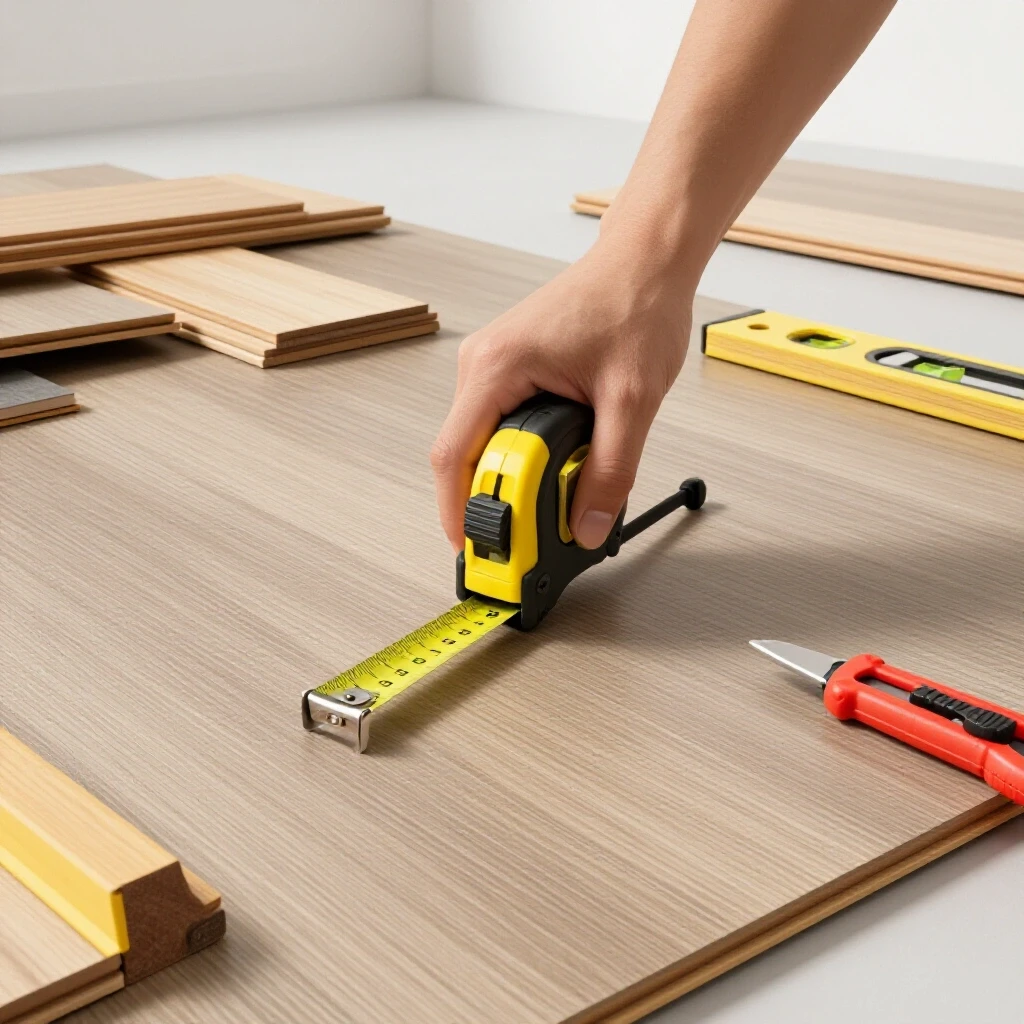
- Tape measure and a speed square for precise layout.
- Random orbital sander with 120 and 220 grit sandpaper.
- Safety Gear: OSHA-approved safety glasses, N95 dust mask, and ear protection.
- Wood glue (Type II or III for moisture resistance).
- Soft-close hinges to prevent the lid from slamming on fingers.
Safety Protocols and Building Standards for Seating
Building code compliance for residential furniture ensures the structure can safely hold human weight without collapsing. Understanding lateral stability and fastener shear strength is critical for any project intended for daily sitting and storage use. While there isn’t a specific “furniture code” like the National Electrical Code (NEC), we follow general engineering principles for residential safety.
I always treat my home projects with the same safety rigor I use at the facilities I manage. This means maintaining a clean workspace to prevent trips and ensuring all power tools have their guards in place. When building a seat, the “live load” is the most important factor. A standard bench should be able to support at least 300 pounds without significant deflection. Using wood glue in combination with mechanical fasteners like pocket screws creates a chemical and physical bond that exceeds these requirements.
Table 2: Project Skill and Difficulty Rating Scale
| Category | Rating (1-10) | Notes |
|---|---|---|
| Physical Effort | 6 | Requires lifting 4’x8′ plywood sheets. |
| Technical Skill | 4 | Basic measuring and straight cuts required. |
| Safety Risk | 5 | Power saw usage requires focus and PPE. |
| Time Commitment | 7 | Allow full weekend for assembly and finishing. |
Step-by-Step Construction of the Concealed Footwear Chest
This phase breaks down the physical assembly from the initial breakdown of plywood sheets to the final installation of the hinged top. Following a logical sequence prevents rework and ensures all internal dividers align with the exterior frame. This is where your measurements and preparation translate into a functional piece of furniture.
Phase 1: Breaking Down the Materials
Start by cutting your plywood into the main components: the front, back, two sides, and the bottom. For a standard 4-foot bench, your front and back panels will be 48 inches long. I use a track saw for this because it guarantees a factory-straight edge, which is vital for the lid to sit flush. If you are using a standard circular saw, I highly recommend clamping a straight edge or a level to the wood to guide your cut.
Phase 2: Drilling Pocket Holes
Once your pieces are cut, use your pocket hole jig to drill holes on the inside faces of the side panels and the bottom panel. In my early days, I would just drive screws through the outside of the wood, but that leaves ugly screw heads visible. Pocket holes are drilled at a 15-degree angle, allowing the screw to pull the two pieces of wood together from the inside. This keeps the exterior of your storage chest clean and professional.
Phase 3: The Dry-Fit Test
Interestingly, skipping the dry-fit is the number one reason DIY projects fail. Before applying any glue, assemble the entire frame using only a few screws. This allows you to check for squareness and ensure your shoe compartments are the correct size. I once built an entire cabinet only to realize my floor was uneven, and the unit wouldn’t sit flat. Testing the fit now saves you from a permanent, glued-together mistake later.
Table 3: Material Cure and Drying Timelines
| Material | Handling Time | Full Cure Time | Environmental Factors |
|---|---|---|---|
| Wood Glue | 30 Minutes | 24 Hours | Best above 60°F (15°C). |
| Wood Stain | 15 Minutes | 8 – 12 Hours | High humidity slows drying. |
| Polyurethane | 4 – 6 Hours | 72 Hours | Requires ventilation. |
| Wood Filler | 30 Minutes | 2 Hours | Shrinks slightly as it dries. |
Designing the Internal Storage Layout
The interior of your bench is where the organization happens, and the design should reflect your specific footwear needs. You can choose between fixed vertical dividers or adjustable shelves, depending on whether you are storing tall boots or low-profile flats. This customization is what sets a DIY project apart from a generic store-bought solution.
I prefer a “hybrid” layout. I leave one-third of the bench open for taller items like work boots or rain boots and use a middle shelf for the remaining two-thirds to stack sneakers and dress shoes. To do this, cut a piece of 3/4-inch plywood to fit horizontally within the frame. Support this shelf with small cleats—strips of wood screwed into the side walls—or use a shelf pin jig if you want the height to be adjustable later.
Installing the Hinged Lid and Safety Hardware
The lid is the most handled part of the bench and requires robust hardware to function safely. A heavy plywood top can easily pinch fingers or drop unexpectedly if not properly supported. Choosing the right hinges and stay-arms is a critical safety step for any household, especially those with children or elderly residents.
I always recommend “soft-close” or “torsion” hinges. These hinges have built-in resistance that prevents the lid from slamming shut. When I installed a storage seat in my own foyer, I used three heavy-duty hinges to distribute the weight of the 48-inch lid. It is also vital to leave a small 1/8-inch gap (a “reveal”) between the back of the lid and the back of the bench to allow for the arc of the hinge as it opens.
Troubleshooting Common Assembly Errors
Even with careful planning, issues like wood warping or misaligned hinges can occur during a weekend project. Learning how to adjust for these discrepancies ensures the lid closes flush and the storage remains truly hidden from view. Most mistakes are fixable if you catch them before the final finish is applied.
- The Lid is Not Flush: If one corner of the lid sticks up, your frame might not be perfectly square. Check the diagonals of the box; they should be identical. If they aren’t, you can often “rack” the box back into square by loosening the screws slightly, adjusting the frame, and retightening.
- Gaps in the Joints: If your pocket holes aren’t pulling the wood tight, check for sawdust trapped between the boards. I keep a small brush or a can of compressed air handy to clear the mating surfaces before assembly.
- Wood Splitting: This usually happens if you drive a screw too close to the edge without a pilot hole. If a split occurs, back the screw out, fill the crack with wood glue, clamp it tight until dry, and then redrill a pilot hole before reinserting the screw.
Finishing and Long-Term Maintenance
Applying a protective finish preserves the wood against moisture from wet shoes and provides a surface that is easy to clean. Regular maintenance involves checking hinge tension and ensuring the structural integrity of the seat remains intact over years of use. A high-quality finish makes the difference between a project that looks “homemade” and one that looks “hand-crafted.”
Since this bench will be in a high-traffic area, I suggest a water-based polyurethane. It dries quickly and doesn’t have the harsh odor of oil-based finishes, which is a major plus when you are working inside your home. Apply at least three coats, sanding lightly with 220-grit sandpaper between each layer. This creates a smooth, durable surface that can handle the occasional damp coat or wet umbrella.
Final Quality Control Checklist
- [ ] All screws are driven flush or slightly below the wood surface.
- [ ] The lid opens and closes without rubbing against the frame.
- [ ] Soft-close hinges hold the lid open at a 45-degree angle.
- [ ] The bench does not wobble when 200+ lbs of weight is applied.
- [ ] All edges are sanded smooth to prevent splinters.
- [ ] The finish is even and free of “runs” or drips.
Clean-Up and Tool Maintenance
After the project is complete, taking care of your tools ensures they will be ready for your next weekend upgrade. Sawdust is abrasive and can damage the motors of your power tools if left to sit. I use a shop vacuum to clear the vents of my drill and saw after every project.
Store your leftover plywood scraps in a dry place; they are perfect for smaller projects like birdhouses or drawer organizers. If you used wood glue, make sure the cap is tightly sealed and stored in a temperature-controlled environment. In my experience, glue that has frozen and thawed loses its bonding strength and should be discarded.
The satisfaction of completing a functional piece of furniture is immense. Not only have you saved hundreds of dollars in labor costs, but you have also created a solution that fits your life perfectly. Your entryway is now a organized, welcoming space, and you have the skills and tools ready for whatever project comes next.
Frequently Asked Questions
What type of wood is best for a heavy-use storage bench? I recommend 3/4-inch birch or oak plywood. It provides the necessary structural strength to support multiple adults sitting at once. Avoid particle board or MDF (Medium Density Fiberboard) for the main frame, as these materials do not hold screws as well and can swell if they come into contact with wet shoes or snow.
How do I ensure the bench is safe for children? The primary safety concern is the lid slamming on small fingers. You must use soft-close hinges or lid stays rated for the weight of your plywood top. Additionally, ensure all corners are rounded off with a sander or a router to prevent injuries from sharp edges in high-traffic hallways.
Do I need to attach the bench to the wall? If your bench is narrow and tall, it may be top-heavy when the lid is open. For a standard 18-inch high bench, it is usually stable on its own. However, if you have young children who might climb on it, I recommend securing it to the wall studs using two 3-inch cabinet screws for ultimate stability.
How many shoes can a 4-foot bench typically hold? A 48-inch wide bench with a single internal shelf can usually accommodate 8 to 12 pairs of adult shoes. If you are storing larger items like boots, that number will decrease. Designing the internal dividers to be adjustable allows you to maximize the space as your footwear needs change.
What is the best way to hide the plywood edges? Plywood has visible layers on the edges that can look unfinished. You can hide these using “edge banding,” which is a thin strip of real wood veneer with heat-activated glue on the back. You simply iron it onto the edge, trim the excess with a utility knife, and sand it smooth for a solid-wood appearance.
Can I build this if I don’t have a workshop? Yes. I have completed many projects in a driveway or a small garage. The key is to have a pair of sturdy sawhorses and to plan your cuts so you can break down the large sheets of plywood quickly. Always use a vacuum attachment on your tools to keep sawdust manageable in confined spaces.
How long should I wait before sitting on the bench? While wood glue sets in about 30 minutes, it takes 24 hours to reach full strength. I recommend waiting at least a full day after assembly before putting significant weight on the seat. If you have applied a finish like polyurethane, wait 72 hours for it to fully cure so the surface doesn’t get damaged.
What should I do if my floor is uneven? Entryway floors, especially tile or old hardwood, are rarely perfectly level. I suggest adding adjustable furniture feet (leveling glides) to the bottom of your bench. This allows you to turn a screw to raise or lower each corner, ensuring the bench sits solid and doesn’t rock when you sit down.
Is wood glue really necessary if I’m using screws? Absolutely. Screws provide the clamping force, but the glue provides the long-term structural bond. Over time, wood can shrink or expand, causing screws to loosen slightly. The glue creates a permanent bond that prevents the bench from becoming “wobbly” after a few years of use.
How do I calculate the weight of the lid for hinge selection? A typical 48″ x 16″ piece of 3/4-inch birch plywood weighs approximately 12 to 15 pounds. When buying hinges, look for the “inch-pound” rating. You calculate this by multiplying the lid’s weight by half of its depth (front to back). For a 15lb lid that is 16″ deep, you need hinges rated for at least 120 inch-pounds.
(This article was written by one of our staff writers, Robert Callahan. Visit our Meet the Team page to learn more about the author and their expertise.)