How to Fix a Loose Toilet Seat Easily (Step-by-Step Guide)

Finding value for money in home maintenance often starts with the smallest tasks that prevent larger, more expensive headaches down the road. As a facilities manager with over a decade of experience, I have learned that a shifting bathroom fixture is more than just a nuisance; it is a sign of mechanical wear that can lead to cracked porcelain or damaged hardware if left unaddressed. Taking 20 minutes on a Saturday to stabilize a shifting commode lid is a high-ROI activity that saves you from a $150 plumbing service call.
In my first home, I ignored a wobbly seat for months because I was busy with high-profile projects like tiling the backsplash. One morning, the lateral stress finally snapped the plastic mounting bolt during use. I didn’t just have a loose seat anymore; I had a broken fixture and a trip to the hardware store in the middle of a busy workday. Since then, I have applied the same rigorous maintenance standards to my personal properties as I do to the commercial buildings I manage. This guide focuses on the practical mechanics of securing your bathroom seating to ensure it remains stable and safe for years.
Assessing the Stability of Your Bathroom Fixtures
This section covers the initial inspection required to determine why a seat has lost its grip on the porcelain bowl. We look at the hinge assembly, the bolt material, and the specific type of movement occurring to choose the right stabilization method.
Before you grab a tool, you need to understand what is actually failing. Most people assume the nut has simply backed off the bolt, but in my experience, the issue often lies with the friction interface between the hinge and the smooth porcelain. Porcelain is incredibly slick, and standard plastic washers often fail to “bite” into the surface.
I recommend a “stress test” to identify the failure point. Gently push the seat from side to side while it is closed. If the entire hinge moves, the connection to the bowl is loose. If the seat moves but the hinges stay still, the internal pin or the seat-to-hinge connection is the culprit. Identifying this difference prevents you from over-tightening bolts that aren’t the problem, which is a common mistake that leads to cracked mounting ears on the toilet itself.
| Metric | DIY Approach | Professional Service |
|---|---|---|
| Active Labor Time | 15–30 Minutes | 30–60 Minutes (plus travel) |
| Direct Material Cost | $0 – $12 | $150 – $200 (Minimum call-out) |
| Tool Investment | Basic Hand Tools | Specialized Pro Kit |
| Complexity Rating | 2/10 (Low) | N/A |
Essential Tool Kit for Seat Adjustments
This subtopic outlines the specific hand tools required to access and tighten mounting hardware without causing damage to the plastic or metal components. We focus on tools that provide high torque control to prevent over-tightening.
You do not need a massive rolling chest of tools for this task, but using the wrong ones can strip the soft plastic heads of the mounting bolts. In my facility kits, I always keep a wide-head flathead screwdriver and a dedicated pair of tongue-and-groove pliers or a small adjustable wrench.
- Wide-Blade Flathead Screwdriver: Most seat bolts have a very wide slot. A standard small screwdriver will chew up the plastic.
- Adjustable Wrench (6-inch): This provides the leverage needed to hold the nut underneath the bowl while you turn the bolt from the top.
- Deep-Well Socket (Optional): If your toilet has a skirted design where you cannot see the nuts, a socket wrench is often the only way to reach the hardware.
- Non-Slip Rubber Washers: These are my “secret weapon” for seats that refuse to stay put on polished porcelain.
Why Plastic Bolts Often Fail Under Stress
This section explains the material science behind common bathroom hardware and why the standard components provided by manufacturers might require upgrades for long-term stability. Understanding these limitations helps you decide when to replace hardware rather than just tightening it.
Most modern seats come with nylon or plastic bolts. Manufacturers use these because they do not rust in the high-moisture environment of a bathroom. However, plastic has a “memory” and can deform under the constant lateral shear of someone sitting down or shifting. Interestingly, once a plastic bolt has been stretched or the threads have been slightly flattened, it will continue to loosen no matter how often you tighten it.
In my projects, I have found that if a bolt keeps coming loose every few weeks, the plastic has likely reached its yield point. At this stage, I recommend looking at the Uniform Plumbing Code (UPC) guidelines for fixture security, which emphasize that all attachments must be “rigid and secure.” If the plastic hardware cannot maintain that rigidity, it is time to swap them for stainless steel bolts with rubber bushings.
Evaluating Hinge Design and Material
This subtopic focuses on the different types of hinge covers and mounting plates found on residential toilets. We define the difference between top-mount and bottom-mount systems to ensure you use the correct tightening technique.
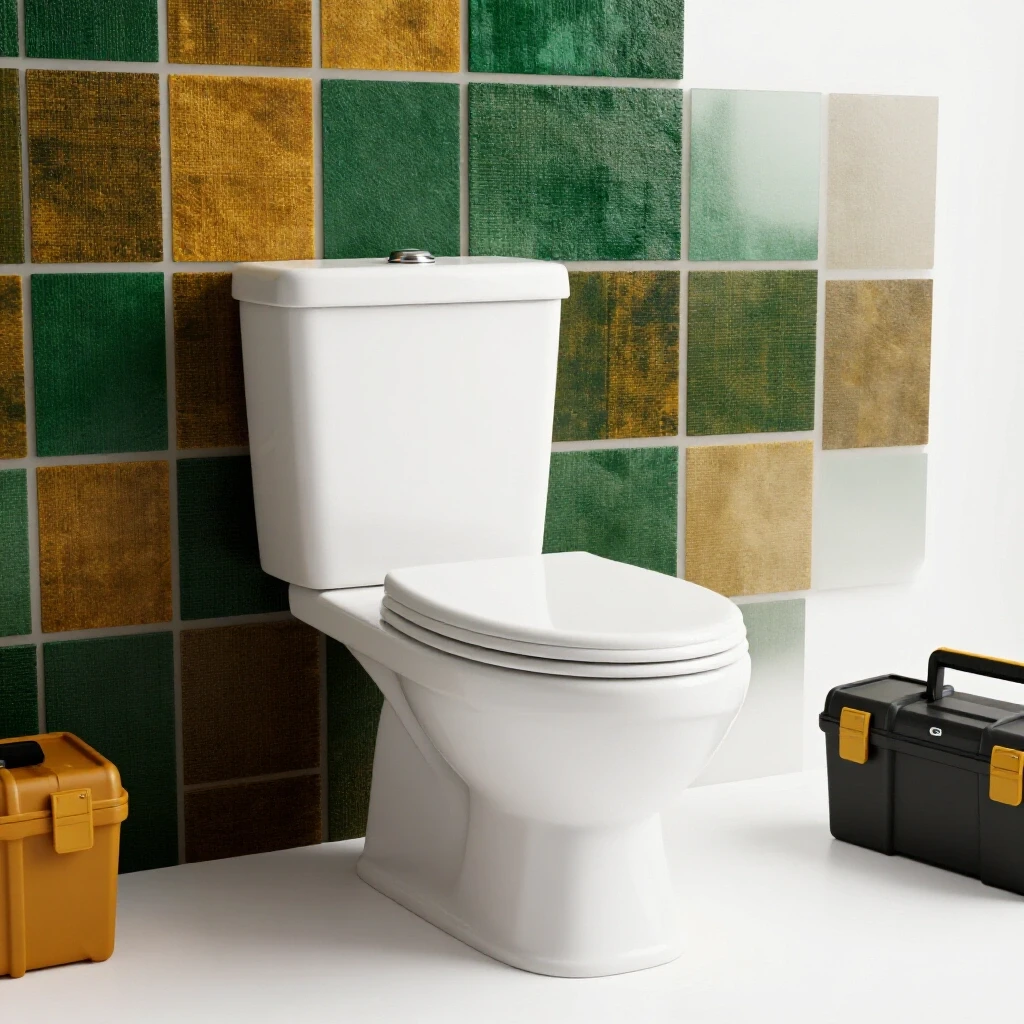
There are two primary ways a seat attaches to a bowl. The most common is the bottom-mount, where a bolt goes through the porcelain and is secured by a nut underneath. The second, often found on high-end or “skirted” toilets, is the top-mount system. Top-mounts use an expansion plug—similar to a wall anchor—that you tighten entirely from the top.
Knowing which one you have is critical. I once saw a DIYer try to “tighten” a top-mount seat by turning it for ten minutes, not realizing the anchor had pulled through the hole. Always pop the decorative caps over the hinges first to see what you are working with. If there is a screw head, it is a top-mount or a standard bolt. If there is no screw head, it is likely a “quick-release” hinge that requires you to press a button to remove the seat before you can see the hardware.
Step-by-Step Process for Eliminating Seat Movement
This section provides a chronological guide to stabilizing the fixture, from initial cleaning to final torque. We emphasize a “dry-fit” approach to ensure all components are aligned before the final tightening.
Stabilizing a wobbly seat is not just about turning a screw; it is about creating a high-friction sandwich between the hinge and the bowl. If there is any soap residue or moisture between these layers, the seat will eventually slide. I follow a strict four-step process in my maintenance routines to ensure the fix lasts for years rather than days.
- Step 1: Complete Disassembly. Remove the nuts and lift the seat entirely off the bowl. This allows you to inspect the bolts for stress cracks.
- Step 2: Deep Clean the Interface. Use a 50/50 mix of water and vinegar to remove mineral deposits around the mounting holes. Dry the porcelain completely.
- Step 3: Align and Set. Place the seat back on and hand-tighten the nuts. Ensure the seat is perfectly centered on the rim.
- Step 4: Final Torque. Hold the nut steady with your wrench and turn the bolt from the top until it is snug. Do not “crank” it; you are looking for firm resistance, not a struggle.
The Importance of Proper Washer Placement
This subtopic explains the role of the washer in distributing pressure and preventing the bolt from backing out. We define the “bushing effect” and how it stops the bolt from wobbling inside the oversized porcelain hole.
The holes in a toilet bowl are usually much larger than the bolts that go through them. This gap is the primary cause of a sliding seat. To fix this, many manufacturers include a tapered washer that is supposed to sit inside the hole. If this washer is upside down or missing, the bolt will “rack” back and forth.
When I perform these upgrades, I often add a small piece of rubber tubing or a dedicated “toilet seat tightening kit” bushing over the bolt. This fills the void in the porcelain hole. It acts as a shock absorber and prevents the bolt from moving laterally. This is a code-compliant way to ensure the fixture remains “stable and secure” as required by residential building standards.
| Component | Material | Best Use Case | Failure Mode |
|---|---|---|---|
| Standard Nut | Plastic | General residential use | Stripped threads |
| Wing Nut | Plastic | Tool-free installation | Loosens via vibration |
| Locking Nut | Metal/Nylon | High-traffic bathrooms | Potential to crack porcelain |
| Rubber Bushing | EPDM Rubber | Stabilizing lateral slide | Dry rot (after 5-10 years) |
Advanced Strategies for Stubbornly Loose Hinges
This section addresses scenarios where standard tightening fails to solve the problem. We explore the use of specialized hardware and DIY “hacks” that professional facilities managers use to reduce maintenance frequency.
Sometimes, the design of the seat itself is the problem. Some cheap plastic seats are so flexible that they bow when you sit on them, which pulls on the hinges and loosens the bolts. In these cases, no amount of tightening will help. You have to change the physics of the connection.
One trick I use in commercial settings is applying a small square of double-sided adhesive rubber (sometimes sold as “grip pads”) under the hinge base. This creates a mechanical bond with the porcelain that doesn’t rely solely on the vertical pressure of the bolt. Another option is using a “Stay-Tite” nut system, which features a shear point that snaps off once the correct torque is reached, much like the bolts used in structural steel.
Why Skipping the Cleaning Phase Leads to Failure
This subtopic details the impact of “biofilm” and cleaning chemical residue on the stability of the hinge. We explain how a microscopic layer of slick material can negate even the tightest bolt.
It sounds trivial, but the presence of old wax, cleaners, or moisture is the number one reason a “fixed” seat becomes loose again within a week. Porcelain is non-porous, but it can hold a film of oils and surfactants from bathroom cleaners. This film acts as a lubricant.
In my 12 years of DIY, I’ve learned that “clean” isn’t just about appearance; it’s about friction. If you don’t strip that film off with a mild abrasive or a degreaser before re-installing the hardware, you are essentially lubricating the hinge. Always use a lint-free cloth to dry the area until the porcelain “squeaks” when you rub your finger across it.
Safety Protocols and Code Compliance
This section outlines the safety considerations when working with ceramic fixtures and the relevant building codes that govern bathroom hardware. We focus on preventing injury and avoiding damage to the primary plumbing fixture.
Working on a toilet involves more risk than most people realize. Porcelain is basically glass; if you over-tighten a metal bolt or slip with a wrench, you can crack the bowl. A cracked bowl cannot be repaired safely; it must be replaced. This is why the Uniform Plumbing Code (UPC) and International Residential Code (IRC) emphasize that fixtures must be installed according to manufacturer specifications.
- Eye Protection: Always wear safety glasses when working under a bowl. Corroded metal or dried plastic shards can fall into your eyes.
- Torque Limits: Never use a power drill to tighten seat bolts. The impact and speed can snap the plastic or crack the ceramic instantly.
- Ergonomics: Be mindful of your back. Working in the cramped space between a toilet and a wall often leads to strained muscles. Use a knee pad or a small stool.
Understanding Load Tolerances and Lateral Shear
This subtopic explains how the weight of a user translates into mechanical stress on the hinge bolts. We define “lateral shear” and why it is the primary enemy of a stable seat.
When you sit down, you aren’t just applying vertical pressure. Any movement—leaning, reaching, or standing up—creates lateral (side-to-side) force. If the bolts are the only thing holding the seat, they take 100% of that shear force. Over time, this “wiggles” the nut loose.
To combat this, look for seats that have “integrated bumpers” that grip the inside of the bowl rim. These bumpers take the lateral load so the bolts don’t have to. If your seat doesn’t have these, you can buy adhesive bumpers to add to the underside of the seat. This simple upgrade significantly reduces the stress on the mounting hardware.
Troubleshooting Common Hardware Failures
This section provides a diagnostic guide for when things go wrong during the repair. We cover stripped threads, rusted metal bolts, and broken hinge caps.
Not every repair goes smoothly. In older homes, you might encounter metal bolts that have rusted solid. In this situation, the worst thing you can do is apply massive force with a long wrench. You will likely break the porcelain ear off the toilet.
If a bolt is rusted, I recommend using a mini-hacksaw or a specialized “bolt splitter” to remove it. This is a slow, methodical process, but it protects the expensive toilet. If you find the threads on a plastic bolt are “white” or stretched, do not bother re-installing them. That white discoloration is a sign of molecular stress, and the bolt will fail again very soon.
Managing Skirted Toilets and Hidden Hardware
This subtopic addresses the specific challenges of modern, sleek toilet designs where the mounting nuts are not accessible from the bottom. We define “top-fix” hardware and how to install it correctly.
Skirted toilets are beautiful but a nightmare for maintenance. Since you can’t reach the nut underneath, these rely on “well-nuts”—rubber sleeves with a brass nut at the bottom. As you tighten the screw from the top, the rubber sleeve bunches up and wedges itself into the hole.
The trick here is ensuring the rubber sleeve is fully seated before you start turning the screw. If it is sitting too high, it won’t expand in the right place, and the seat will always be wobbly. I always suggest lubricating the screw slightly with a drop of dish soap so it turns easily into the well-nut without twisting the rubber sleeve itself.
Final Quality Control and Testing
This section details the final checks to ensure the repair is successful and will hold up to daily use. We provide a checklist for the “hand-over” of the project to the rest of the household.
Once you have everything tightened, don’t just walk away. You need to verify that the seat stays aligned through a full range of motion. Open and close the lid and the seat separately. If the hinges “click” or jump, something is misaligned.
- Check 1: The seat should not overhang the front of the bowl by more than 1/4 inch.
- Check 2: The hinges should sit flat against the porcelain with no visible gaps.
- Check 3: When pushed firmly from the side, the seat should move less than 1/16 of an inch.
- Check 4: Ensure the decorative caps “snap” into place; if they are loose, they can interfere with the hinge movement.
Long-Term Maintenance for a Secure Seating Surface
This section provides advice on how to prevent future loosening through regular inspections and proper cleaning habits. We discuss the impact of certain chemicals on hardware longevity.
Maintenance is a cycle, not a one-time event. In my facilities, we include “check seat stability” on our quarterly preventative maintenance lists. For a homeowner, this means giving the bolts a quick check every time you deep clean the bathroom.
Avoid using harsh bleach-based cleaners directly on the plastic hinges. Over time, bleach can make the plastic brittle, leading to those tiny stress cracks that eventually cause the hardware to fail. Use a mild soap and water for the hinges themselves to preserve the integrity of the plastic.
Frequently Asked Questions
Why does my toilet seat keep coming loose no matter how much I tighten it? This usually happens because the porcelain is too slick or the plastic bolts have “stretched.” When plastic is over-torqued, the threads deform, losing their ability to hold tension. Adding rubber bushings or a “friction kit” between the hinge and the bowl is the most effective way to stop this cycle.
Can I use permanent thread-locker (like Loctite) on the bolts? No. Most thread-locking fluids are designed for metal-to-metal contact and can actually dissolve or weaken certain types of plastic. Furthermore, if you ever need to replace the seat, a permanent thread-locker will make it impossible to remove the bolts without breaking the toilet.
Are metal bolts better than plastic ones for stability? Metal bolts (specifically stainless steel) are much stronger and do not stretch like plastic. However, they must be used with rubber washers to protect the porcelain. If a metal bolt is tightened directly against the ceramic, it will likely crack the bowl.
What should I do if the bolt is spinning but the nut won’t move? This is a common “spinning bolt” scenario. You need to create tension. Try wedging a flathead screwdriver under the head of the bolt to pull it upward while you turn the nut with a wrench. This creates enough friction for the threads to catch.
Is it okay to use a power drill to speed up the process? I strongly advise against it. The high speed of a drill can generate heat that melts plastic threads, and the lack of “feel” makes it very easy to over-tighten and crack the porcelain. Hand tools provide the necessary feedback to know when the bolt is “snug” versus “dangerously tight.”
How do I fix a seat that slides sideways even though the bolts are tight? This is caused by the gap between the small bolt and the large hole in the toilet bowl. You need to install “bushings” or “spacers” that fill that extra space. These are often included in high-quality seat kits or can be bought separately as “seat tightening kits.”
How tight is “too tight” for toilet seat bolts? You should tighten the bolts until you can no longer move the hinge by hand with moderate pressure. If you are using a wrench and feel the plastic start to “give” or “soften,” stop immediately. You have reached the limit of the material.
Do I need to replace the whole seat if only the hinges are loose? Not necessarily. Most hardware stores sell universal hinge replacement kits. However, given that a high-quality new seat often costs only $20–$40, it is sometimes more cost-effective to replace the entire unit if the hinges are severely corroded or broken.
What is the best way to clean under the hinges without loosening them? The best way is to use a “quick-release” seat. These have a button that allows you to pop the seat off for cleaning while leaving the mounting hardware undisturbed and tight on the bowl. If you don’t have this, avoid spraying liquids directly into the hinge; use a damp cloth instead.
Are there specific building codes for how a toilet seat must be attached? While the International Residential Code (IRC) doesn’t specify the exact torque for a seat, it does mandate that all plumbing fixtures be “securely supported” and “water-tight.” A loose seat can lead to improper use of the fixture, which may eventually compromise the wax ring seal at the floor due to excessive shifting.
(This article was written by one of our staff writers, Robert Callahan. Visit our Meet the Team page to learn more about the author and their expertise.)