How to Apply Peel-and-Stick Wallpaper for Lasting Results (Guide)

In facilities management, layering is a concept we usually apply to insulation, roofing systems, or floor coatings. It is the practice of adding a functional or protective tier to a surface to improve its performance or appearance. When I decided to update a guest bedroom in my second home, I looked at removable vinyl wall coverings as a modern form of layering. These products allow you to change the look of a room without the permanent commitment of traditional paste or the mess of a full paint job. However, my twelve years of maintaining commercial and residential buildings have taught me that no project is as simple as the marketing suggests. I have seen adhesives fail due to humidity and patterns shift because a wall was slightly out of plumb. This guide shares the technical reality of working with self-adhesive wall films, focusing on the precision and patience required for a safe, high-quality outcome.
Understanding the Mechanics of Pressure-Sensitive Adhesives
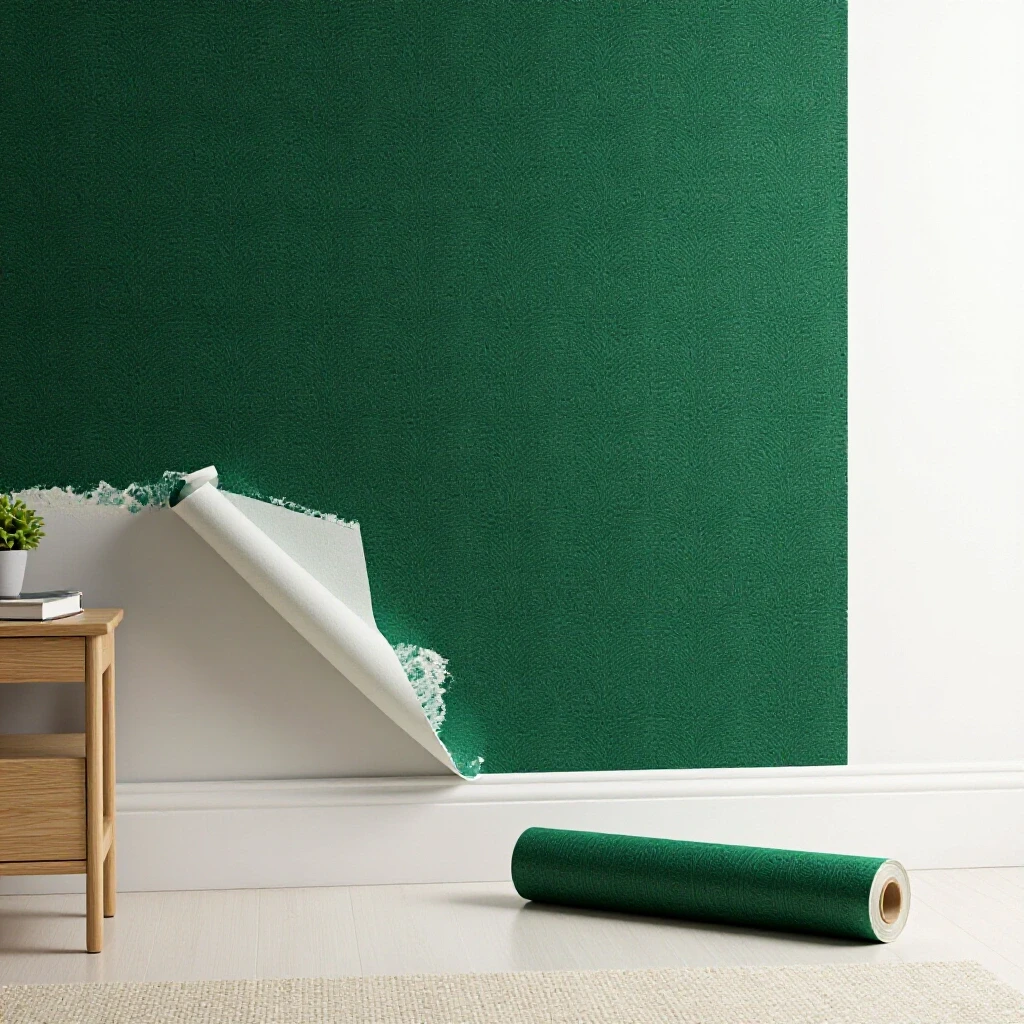
Removable wall coverings are thin sheets of vinyl or fabric backed with a pressure-sensitive adhesive (PSA) that bonds to a surface when force is applied. Unlike traditional wallpaper that requires a liquid activator or paste, these materials rely on a dry chemical bond that remains tacky for years.
In my professional experience, the success of any adhesive depends on the “surface energy” of the wall. Most modern paints are designed to be “easy-clean” or “scuff-resistant,” which often means they contain silicone or Teflon-like additives. These additives are great for wiping away fingerprints, but they are terrible for adhesives. Before you start a weekend DIY project, you must identify your wall’s finish. If you have a “low-VOC” or “stain-resistant” paint, the adhesive may struggle to stay up. I once spent six hours applying a beautiful forest-themed film only to find it curled on the floor the next morning because the paint beneath it was too slick for the PSA to grab.
Project Parameters and Realistic Expectations
A successful installation requires an honest assessment of the time and effort involved, moving beyond the “quick fix” narrative often found in online tutorials. This project demands high attention to detail, physical stamina for overhead work, and a willingness to restart a section if the alignment is off by even a fraction of an inch.
| Project Metric | Estimated Value |
|---|---|
| Total Active Time | 6 to 10 hours (for a 100 sq. ft. wall) |
| Difficulty Rating | Moderate (3/5) |
| Material Cost | $1.50 – $5.00 per square foot |
| Cure Time | 24 to 48 hours for full adhesive set |
| Required Skill | Basic measuring, steady hand with a utility knife |
I recommend breaking this into two weekend blocks. Spend Saturday on wall preparation and Sunday on the actual application. This allows the wall to dry completely after cleaning and gives you a fresh start for the tedious task of pattern matching.
Essential Tool Inventory for Wall Film Projects
The right tools prevent material waste and ensure that the final result does not look like a rushed DIY attempt. Using a dedicated DIY tool list helps you avoid mid-project trips to the hardware store, which can derail your momentum and lead to mistakes.
- Laser Level or Plumb Bob: This is the most critical tool. Walls in residential homes are rarely square. You need a true vertical line to ensure your first panel is straight.
- Break-away Utility Knife: You need a fresh, sharp blade for every two or three cuts. A dull blade will tear the vinyl rather than slicing it.
- Plastic Squeegee or Smoothing Tool: This tool applies even pressure to activate the adhesive and push out trapped air.
- Metal Straight Edge: A 24-inch or 48-inch level or T-square helps guide your knife for clean ceiling and baseboard trims.
- Measuring Tape: Use a high-quality tape and measure three times before cutting your panels.
- Isopropyl Alcohol (70%): This is used for final surface cleaning to remove oils and dust that soap and water might miss.
- Step Ladder: Ensure it is a stable, OSHA-compliant ladder. Avoid standing on chairs or unstable furniture.
Surface Preparation and Substrate Integrity
Substrate preparation is the process of cleaning, smoothing, and testing a wall surface to ensure it can support a long-term bond with an adhesive. Skipping this phase is the primary reason for project failure, as dust and texture prevent the film from making full contact.
In my facility maintenance roles, I have learned that dirt is a “bond-breaker.” If you apply a self-adhesive film to a dusty wall, the adhesive sticks to the dust, not the wall. Start by wiping the wall with a damp cloth and a mild detergent. After the wall is dry, perform a “dry-fit” or “tack test.” Take a small scrap of the material, stick it in an inconspicuous corner, and leave it for 24 hours. If it peels off easily or falls, your wall texture may be too high or your paint may be incompatible.
Addressing Wall Texture
If your home has “orange peel” or “knockdown” texture, these films will likely fail. The adhesive needs a flat surface. Imagine trying to stick a piece of tape to a pile of gravel; it only touches the peaks of the rocks. If your walls are textured, you may need to skim-coat them with joint compound or sand them down, which moves this from a simple weekend DIY project to a major renovation.
Step-by-Step Installation Phases
The execution phase involves a systematic approach to measuring, aligning, and adhering the material to the wall surface in a specific order. Following a structured plan reduces the risk of pattern misalignment and minimizes the physical strain of repetitive overhead motions.
Phase 1: Establishing the Lead Line
Do not use the corner of the room as your guide. I have never seen a perfectly straight corner in 12 years of home upgrades. Measure the width of your wallpaper roll. Subtract one inch from that width. Measure that distance out from the corner and use your laser level to mark a vertical “plumb line” from the ceiling to the floor. This line ensures that your first panel is straight, even if the corner is crooked.
Phase 2: Cutting the Panels
Measure the height of your wall and add four inches (two for the top, two for the bottom). This “bleed” area gives you room to trim for a precise fit. If your wallpaper has a pattern, you must account for the “pattern repeat.” This is the distance before the design starts over. You will often lose several inches of material between panels to get the design to line up.
Phase 3: Application and Smoothing
Peel back about six inches of the backing paper. Align the edge of the panel with your plumb line. Press the top of the panel against the wall near the ceiling. Use your squeegee to smooth from the center outward. Work in small sections, peeling back the backing paper as you go. If you see a bubble, do not try to push it all the way to the edge. Gently peel the panel back up and re-smooth it.
Phase 4: Trimming the Excess
Once the panel is fully adhered, use your metal straight edge and a fresh utility knife blade to trim the top and bottom. Hold the straight edge firmly against the corner where the wall meets the ceiling or baseboard. Cut in one continuous motion to avoid jagged edges.
Troubleshooting Common Alignment and Adhesion Failures
Troubleshooting is the process of identifying why a material is not behaving as expected and applying technical corrections to fix the issue. Most problems with removable films stem from environmental factors like temperature or mechanical errors like over-stretching the vinyl.
Dealing with Air Bubbles
If you find a small bubble that won’t move after the installation is complete, do not panic. Use a very fine sewing needle to prick a tiny hole in the center of the bubble. Use your finger to gently push the air out through the hole. The vinyl will settle against the wall, and the hole will be invisible.
Managing Pattern Drift
Vinyl can stretch if you pull too hard. If you find your pattern is starting to “drift” or not line up with the previous panel, you may be stretching the material. Stop immediately. Peel the panel back and let it “relax” for a few minutes before trying again with lighter tension.
Safety Protocols and Building Code Considerations
Safety protocols involve the use of proper equipment and adherence to electrical codes to prevent injury or fire hazards during home improvements. Even a cosmetic project like adding a wall covering requires awareness of your home’s electrical system and physical workspace safety.
Electrical Safety (NEC 314.20)
When you encounter an outlet or light switch, you must remove the faceplate. The National Electrical Code (NEC) Section 314.20 requires that boxes be flush with the finished surface or not recessed more than 1/4 inch in non-combustible materials. While wallpaper is thin, always ensure your outlet covers are reinstalled tightly. Never cover a junction box or outlet with wallpaper; this is a fire hazard and a code violation. I always turn off the breaker for the room before removing faceplates to avoid accidental contact with live wires.
Ladder Safety and Ergonomics
Working overhead for hours can lead to neck strain and loss of balance. Use a stable ladder and keep your hips between the side rails. Do not overreach. Move the ladder frequently to stay directly in front of your work area. This prevents the ladder from tipping and ensures you can apply even pressure with your squeegee.
Post-Installation Maintenance and Removal
Maintenance involves the regular care of the wall covering to preserve its appearance, while removal is the process of safely stripping the material without damaging the substrate. Knowing how to care for the film ensures your weekend DIY projects last until you are ready for a change.
Cleaning the Surface
Most vinyl wall coverings can be cleaned with a damp microfiber cloth. Avoid abrasive cleaners or harsh chemicals, as these can strip the ink or damage the adhesive bond. In my experience, a simple mixture of water and a drop of dish soap is sufficient for most household smudges.
Safe Removal Procedures
When it is time to remove the film, do not rip it off quickly. This can pull paint or even the paper face off the drywall. Use a hair dryer on a low heat setting to warm the corner of the panel. This softens the adhesive. Slowly peel the material back at a 45-degree angle. If you feel resistance, apply more heat. This patient approach protects your walls and saves you from the expensive task of patching and repainting.
Final Quality Control Checklist
Before you pack away your tools, perform a final walkthrough to ensure the structural and aesthetic integrity of the project.
- Check all seams: Ensure no edges are lifting or overlapping incorrectly.
- Inspect for bubbles: Look at the wall from a side angle with a flashlight.
- Verify outlet covers: Ensure all faceplates are screwed back in securely and are level.
- Clean the workspace: Remove all adhesive scraps and blade segments, which can be a hazard for pets or children.
By following these steps, you can complete a functional, cost-saving home upgrade that looks professional and stays safely bonded to your walls. The satisfaction of a well-executed project comes from the preparation you do before the first panel ever touches the wall.
Frequently Asked Questions
How long does the wall need to dry after painting before I can apply the film? Most manufacturers recommend waiting at least 4 weeks for new paint to fully “gas out” and cure. Even if the paint feels dry to the touch, the chemicals inside are still evaporating. If you apply the film too soon, the gases will get trapped, creating bubbles and causing the adhesive to fail.
Can I use this in a bathroom with a shower? It depends on the ventilation. High humidity can soften the adhesive over time, leading to peeling at the edges. If you have a high-quality exhaust fan and the wall stays dry, it can work. However, I have found that in small, poorly ventilated bathrooms, the steam eventually wins.
Will this damage my drywall when I take it off? If the wall was properly primed and painted before installation, and you use the heat-removal method, there should be no damage. However, if you apply it to unpainted drywall or old, flaking paint, it will likely pull some of the surface off during removal.
What should I do if my walls have a slight texture? For very light textures, some thicker fabric-based films may hide the bumps. However, for standard vinyl, the texture will show through and the bond will be weak. I suggest testing a large sample piece for a week before committing to the whole room.
How do I calculate how many rolls I need? Calculate the square footage of your wall (height x width). Do not subtract for windows or doors; you need that extra material for trimming and pattern matching. Divide your total square footage by the square footage listed on the roll, then add 15% for waste and pattern alignment.
Can I apply a second layer over an existing one? I do not recommend this. The weight of the second layer can cause the first layer to pull away from the wall. Additionally, the texture of the first layer’s seams will show through the second layer. Always remove the old film and clean the wall before starting fresh.
What is the best temperature for installation? Most adhesives perform best between 60°F and 80°F. If the room is too cold, the adhesive will be “stiff” and won’t bond well. If it is too hot, the vinyl may become too stretchy and difficult to handle.
How do I handle corners? For inside corners, I recommend cutting the panel so it wraps about half an inch onto the next wall. Then, start your next panel exactly in the corner, overlapping that half-inch. This prevents the “tenting” effect where the film pulls away from the corner over time.
Is it possible for one person to do this alone? It is possible, but I highly recommend a second person. One person can hold the bottom of the panel away from the wall while the other aligns the top and smooths it down. This prevents the film from sticking to itself or the wall prematurely.
What do I do if the pattern doesn’t match? Check if you have a “straight match” or a “drop match.” A straight match aligns across the top of the panels. A drop match requires you to shift the next panel down to find the alignment. Always check your pattern repeat before you start cutting.
(This article was written by one of our staff writers, Robert Callahan. Visit our Meet the Team page to learn more about the author and their expertise.)