How to Install a Door Viewer for Better Home Security (Guide)

Adding a visual security aid to your front door is one of the most effective ways to improve home safety without a high price tag. This project involves drilling a precise hole through your entry door to seat a wide-angle lens, allowing you to identify visitors before opening the latch. It is a fundamental upgrade for any homeowner.
When I moved into my first home twelve years ago, I realized the solid oak front door was a blind spot. As a facilities manager, I am used to industrial security, but at home, I was flying blind. I remember rushing the process on a Sunday afternoon, nearly splintering the wood because I used the wrong drill speed. Since then, I have refined my approach to ensure every hole is clean and every lens is level. Balancing a demanding career with home maintenance means you cannot afford mistakes that lead to a ruined door. This guide focuses on the technical precision required to modify your entryway safely and effectively.
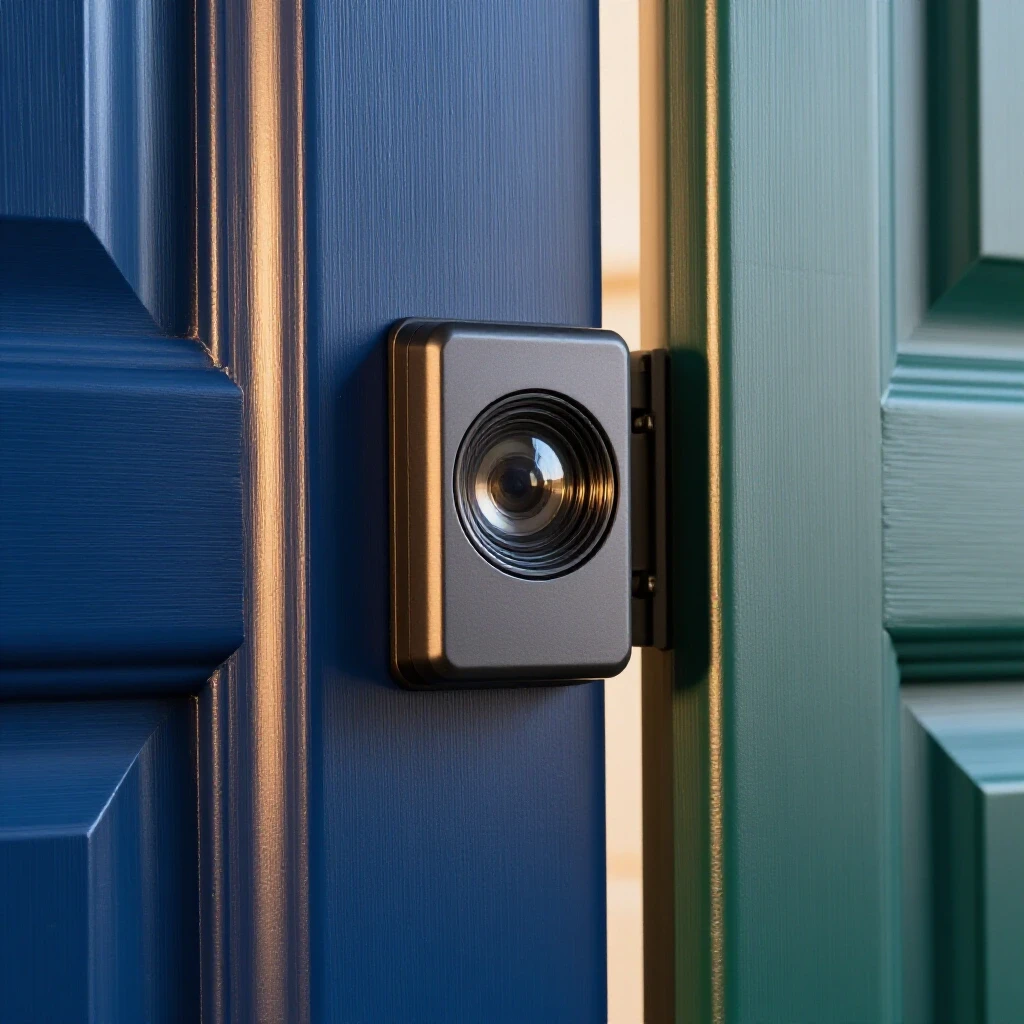
Understanding Entryway Visibility Upgrades
This project involves the physical modification of a residential door to incorporate a lens housing that provides a clear view of the exterior. It requires a firm grasp of door materials, including wood, steel, and fiberglass, to ensure the structural integrity of the door remains intact after the modification is complete.
Evaluating Door Material and Composition
Before you pick up a drill, you must identify what your door is made of to select the correct cutting tool. Solid wood doors behave differently than hollow-core or metal-clad doors, requiring specific drill bit types to avoid jagged edges or structural deformation. Knowing your substrate prevents irreversible damage to the entryway.
In my experience, most modern homes feature either fiberglass or steel-clad doors with a foam core. These require a high-speed steel bit. Older homes often have solid wood, which is best handled with a sharp spade bit or a Forstner bit for a cleaner exit. I once saw a colleague attempt to use a dull wood bit on a steel door, which resulted in a scorched finish and a hole that was off-center by nearly a quarter inch.
Siting the Optical Device for Maximum Utility
The height at which you place the viewing lens determines its effectiveness for all household members. While standard eye level is common, you must consider the reach and height of everyone in the home, as well as any local building codes that might dictate accessibility standards for residential hardware.
Standard mounting height is typically 60 inches from the finished floor. However, if you are following ADA (Americans with Disabilities Act) guidelines for accessibility, a height of 43 inches is often recommended. I usually suggest marking both heights with painter’s tape and looking through the door to see which provides the best field of view without causing physical strain.
Essential Tools and Materials for the Project
A successful installation relies on having the right equipment staged before the first hole is drilled. Using the correct drill bits, measuring tapes, and safety gear ensures that the process is controlled and the final fit is snug. This list prioritizes precision and safety to prevent common DIY errors.
- Power Drill: A cordless or corded drill with variable speed settings is necessary for controlled boring.
- Spade Bit or Twist Bit: Use a 1/2-inch or 9/16-inch bit, depending on the diameter of your specific hardware housing.
- Measuring Tape: A standard steel tape measure to find the exact vertical and horizontal center of the door.
- Painter’s Tape: Essential for marking the drill site and preventing the door surface from splintering or chipping.
- Safety Glasses: To protect your eyes from flying wood shards or metal burrs during the drilling phase.
- Small Vacuum or Brush: For immediate cleanup of debris to keep the work area clear and safe.
- Screwdriver: Usually a flathead or Phillips, depending on the notches on the interior side of the lens housing.
Difficulty and Investment Analysis
Understanding the time and effort required helps you plan this project into a busy weekend schedule. This analysis compares the resources needed for a self-performed installation versus the typical expectations for a small-scale home improvement task.
| Metric | DIY Estimation | Notes |
|---|---|---|
| Active Labor Time | 30–45 Minutes | Includes measuring and cleanup. |
| Skill Level | Beginner to Intermediate | Requires steady hand and drill control. |
| Material Cost | $10 – $25 | Cost of the hardware and tape. |
| Tool Investment ROI | High | Tools used are standard for most DIY tasks. |
| Risk of Error | Moderate | Improper drilling can damage door finish. |
Pre-Installation Safety and Site Preparation
Proper preparation is the difference between a clean installation and a costly mistake. This phase involves clearing the workspace, securing the door so it does not move during drilling, and double-checking all measurements against the manufacturer’s specifications for the hardware you purchased.
Securing the Work Area
A moving door is the primary cause of crooked holes and drill bit slippage. You must wedge the door open or have a second person hold it steady to ensure the drill remains perfectly perpendicular to the door face throughout the entire boring process.
I always use a heavy rubber doorstop or a wooden shim to lock the door in place. If the door swings even a fraction of an inch while the bit is engaged, the hole will be slanted. This makes it impossible to thread the two halves of the viewer together. In my facility management roles, we always emphasize “zero-movement” setups for any penetration through structural or functional barriers.
Marking and Masking the Drill Point
Applying painter’s tape to both sides of the door serves two purposes: it provides a surface for clear marking and protects the finish. The tape holds the fibers of a wood door together or prevents the paint on a metal door from flaking away as the bit enters.
- Measure the width of the door and mark the center point.
- Measure the height (usually 60 inches) and mark the intersection.
- Place a 3-inch square of painter’s tape over the intended site.
- Re-mark the center point on top of the tape for high visibility.
Step-by-Step Execution Guide
This section details the physical process of boring the hole and seating the hardware. Following these steps in order ensures a clean exit for the drill bit and a professional-grade fit for the lens housing. Precision here prevents the need for wood filler or touch-up paint later.
Phase 1: The Pilot Hole and Initial Boring
Start by drilling a small pilot hole with a 1/8-inch bit. This acts as a guide for the larger bit and ensures that your alignment is consistent on both the interior and exterior faces of the door. Once the pilot hole is through, switch to the full-size bit.
Do not drill all the way through from one side. This is the most common mistake I see in residential projects. When the bit “blows out” the other side, it almost always causes massive splintering. Instead, drill from the outside until the tip of the bit just barely pokes through the interior side. Then, move to the inside and finish the hole by drilling back toward the center. This technique creates a clean edge on both faces of the door.
Phase 2: Inserting and Securing the Hardware
Once the hole is clear, remove the tape and blow out any remaining dust. The viewer consists of two pieces: a barrel with the lens (exterior) and a threaded sleeve (interior). Insert the lens portion from the outside and the sleeve from the inside.
- Hand-thread the pieces together to ensure they are not cross-threaded.
- Use a wide flathead screwdriver or a coin to tighten the interior sleeve.
- Ensure the housing is snug against the door but do not over-tighten, as this can compress the foam core in metal doors.
- Verify that the lens is level and the view is unobstructed.
Troubleshooting Common Installation Hurdles
Even with careful planning, issues like unexpected metal plates inside the door or a drill bit that wanders can occur. Knowing how to react to these challenges prevents a minor setback from becoming a permanent blemish on your home’s entryway.
Dealing with Drill Bit Wander
If the drill bit begins to move away from your mark, it is usually because the bit is dull or you are applying too much pressure. Stop immediately. If the hole is only slightly off, you can often use a small round file to correct the alignment before inserting the hardware.
Managing Splintered Wood or Chipped Paint
If you do experience some surface damage, do not panic. Most viewer housings have a wide flange designed to cover the edges of the hole. If the damage extends beyond the flange, you may need to use a tiny amount of color-matched wood putty or a paint touch-up pen. To avoid this, always keep your drill speed high but your forward pressure light.
Maintenance and Long-Term Care
A door viewer requires very little maintenance, but keeping the lenses clean is vital for a clear sightline. Dust and fingerprints can degrade the image quality over time, making it difficult to identify visitors in low-light conditions.
Cleaning the Optical Lenses
Use a soft microfiber cloth to wipe the exterior and interior lenses. Avoid using harsh chemicals or abrasive paper towels, which can scratch the plastic or glass. A simple drop of water or a dedicated lens cleaner is sufficient. I check the viewers in my facility every six months during routine door hardware inspections to ensure they haven’t loosened from repeated door slamming.
Checking for Hardware Looseness
Over time, the vibrations from the door opening and closing can cause the threaded sleeve to back out slightly. Every few months, give the interior slot a quick turn with a coin to ensure it remains tight. If it continues to loosen, a single drop of low-strength thread-locking fluid on the threads can solve the problem permanently.
Project Conclusion and Final Review
Completing this upgrade provides an immediate sense of security and accomplishment. By taking the time to measure accurately and drill from both sides, you have avoided the common pitfalls that frustrate many DIYers. Your entryway is now more functional, and you have gained valuable experience in door hardware modification.
Next steps include checking the visibility at different times of the day. If the exterior lighting is too dim, you might consider adding a motion-activated light to the porch to complement your new viewing lens. This combination ensures that your “eye on the world” works effectively 24 hours a day.
Frequently Asked Questions
What size drill bit do I need for a standard peephole?
Most residential viewers require either a 1/2-inch or 9/16-inch hole. However, you should always check the manufacturer’s technical guide or use a caliper to measure the barrel of the hardware before drilling. Using a bit that is too large will result in a loose, rattling fit that compromises security.
Can I install this on a metal or steel door?
Yes, but you must use a bit rated for metal, such as a high-speed steel (HSS) or cobalt bit. Do not use a wood-only spade bit on a steel door, as it will dull instantly and may skip across the surface, causing deep scratches. Apply steady, firm pressure and let the bit do the work.
How do I prevent the wood from splintering when the drill exits?
The most reliable method is to drill from both sides. Bore from the exterior until the lead point of the bit emerges on the interior. Then, move to the interior and use that small hole as your guide to drill back toward the center. This ensures the wood fibers are supported on both sides during the cut.
What is the standard height for mounting a door viewer?
The industry standard is 60 inches (5 feet) from the floor, which accommodates the average adult. If you have children or household members who use wheelchairs, you may want to install a second viewer at 43 inches to ensure everyone has a clear view of the exterior.
My door is extra thick; will a standard viewer fit?
Standard viewers are usually designed for doors between 1-3/8 inches and 2-1/8 inches thick. If you have a custom or reinforced door, you may need to look for an “extended barrel” model. Always measure your door thickness before purchasing the hardware.
Is it possible to install a viewer in a fiberglass door?
Fiberglass doors can be drilled easily, but they produce a very fine, irritating dust. Wear a mask and safety goggles. Use a standard twist bit or a sharp spade bit. Be careful not to apply too much pressure, as the fiberglass can crack if the bit catches an edge.
How do I find the center of the door accurately?
Measure the width of the door at the desired height and divide by two. Mark this spot. Then, measure from the hinge side and the latch side to verify the marks meet in the same place. Doors can sometimes be slightly uneven, so double-checking from both edges is a professional best practice.
What should I do if the hole I drilled is slightly crooked?
If the two halves of the viewer won’t align, you can use a small round rasp or a “rattail” file to slightly enlarge the hole in the direction needed. Since the viewer has a decorative flange, it will hide a small amount of over-drilling or filing once tightened.
Can I paint over the viewer housing to match my door?
It is not recommended to paint the housing as the paint can seep into the lens or the threaded sections. If you want a specific look, purchase hardware that already matches your existing door handle and deadbolt finish (e.g., satin nickel, oil-rubbed bronze, or polished brass).
Does this project require a building permit?
In almost all residential jurisdictions, adding a door viewer is considered a minor cosmetic or security upgrade and does not require a permit. However, always ensure you are not violating any homeowner association (HOA) rules regarding the exterior appearance of your front door.
How long does the lens last before it gets cloudy?
High-quality glass lenses can last decades. Plastic lenses may yellow or become cloudy after 5 to 10 years due to UV exposure. If your door faces direct sunlight for most of the day, investing in a glass-lens model is a smarter long-term choice for maintaining clear visibility.
What if my door has decorative panels or glass inserts?
You must place the viewer in a flat, solid section of the door. Never attempt to drill through glass or through the thin “stiles” and “rails” of a decorative panel if they aren’t thick enough to support the hardware. If your door is mostly glass, this specific type of security upgrade may not be compatible.
(This article was written by one of our staff writers, Robert Callahan. Visit our Meet the Team page to learn more about the author and their expertise.)