How to Paint an Entry Bench for Lasting Durability (Step-by-Step)

Walking into my home after a long shift at the facilities department, I usually drop my heavy tool belt and work boots right at the front door. For years, the wooden seat in our mudroom was the landing pad for everything: grocery bags, wet umbrellas, and my kids’ soccer cleats. One Saturday, I noticed the original finish was failing. The wood was greyed from moisture, and the paint was flaking off in jagged scales. It looked tired, and more importantly, the bare wood was absorbing grime that I couldn’t scrub away.
I decided to treat this as I would a high-traffic renovation at one of my commercial properties. I’ve seen enough “quick fix” tutorials fail within a month because they skip the chemistry of adhesion. When you are a busy professional, you don’t have time to redo a project every six months. You want to do it once, do it right, and ensure it stands up to the literal kicks and scrapes of daily life. This guide is the result of my own trial and error, moving from a failed “slap-on-some-latex” approach to a durable, multi-stage refinishing process.
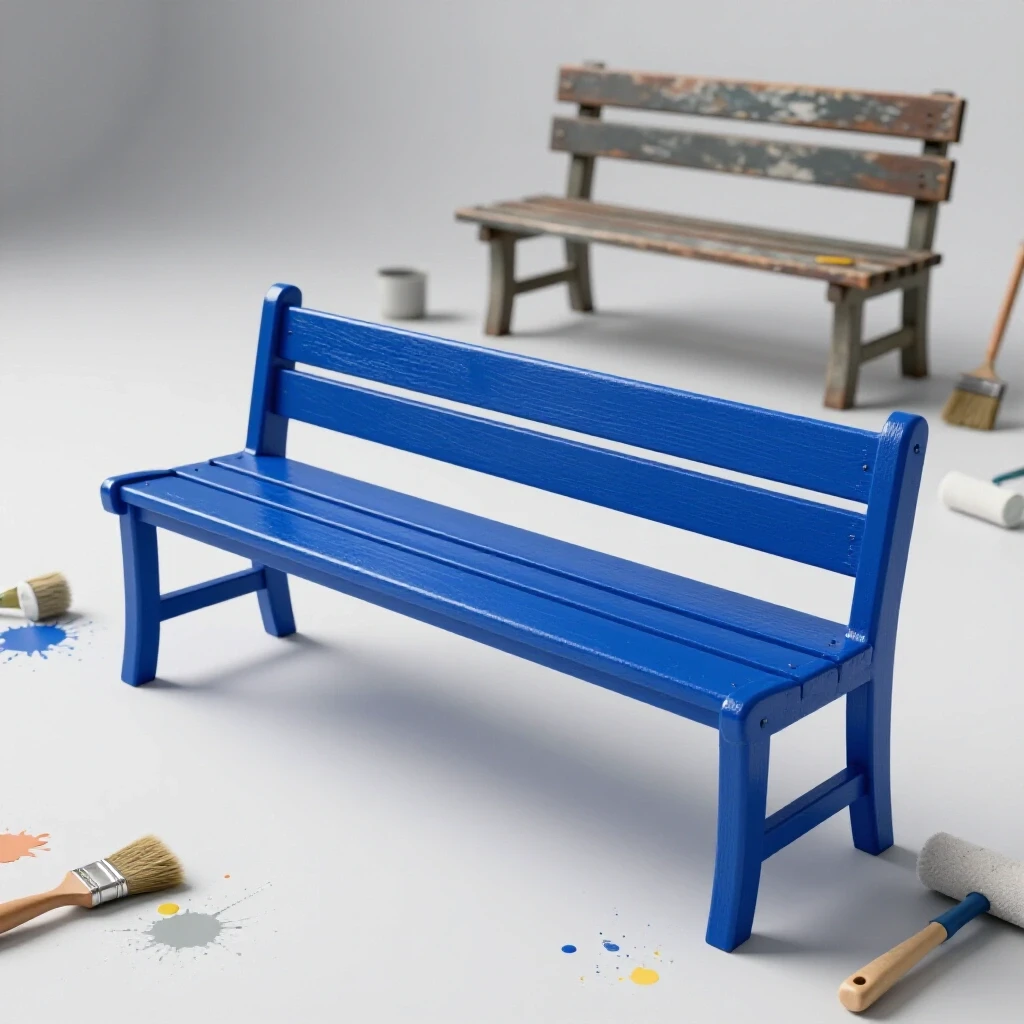
Understanding the Physical Demands on Entryway Furniture
Entryway seating faces a unique set of stressors including vertical impact, horizontal friction, and frequent moisture exposure from wet clothing.
Before picking up a brush, you must evaluate what your furniture actually endures. In facilities management, we look at “high-touch” surfaces. A seat is a high-impact surface. Every time someone sits down, they apply pressure and friction. If you use standard wall paint, the finish will “block” or stay slightly tacky, causing it to peel when you stand up. You need a coating that cures to a hard, enamel-like shell. This isn’t just about aesthetics; it’s about creating a non-porous barrier that prevents water from warping the wood.
DIY vs. Professional Refinishing Comparison
| Factor | DIY Approach (High Quality) | Professional Service |
|---|---|---|
| Active Labor Time | 6–8 Hours | 1–2 Hours (Consultation) |
| Total Project Duration | 3–5 Days (Curing) | 7–10 Days (Off-site) |
| Material Cost | $80 – $150 | N/A |
| Service Cost | $0 | $350 – $600 |
| Expected Lifespan | 5–7 Years | 7–10 Years |
Essential Tool Inventory and Material Selection
Choosing the right chemistry for your primer and topcoat is more important than the color you pick for your home upgrade.
You cannot use leftover bedroom paint for this task. I recommend a water-based alkyd enamel. These products behave like oil-based paints—leveling out smoothly without brush marks—but clean up with soap and water. You will also need a high-adhesion primer. If your furniture is made of pine or has an existing dark stain, a shellac-based primer is the gold standard. It acts as a “sealer,” preventing the oils in the wood (tannins) from bleeding through and turning your new finish yellow.
- Random Orbital Sander: A power tool that moves a sanding disc in a circular and elliptical pattern to prevent swirl marks.
- Sanding Discs: 80-grit (coarse), 120-grit (medium), and 220-grit (fine).
- TSP (Trisodium Phosphate): A heavy-duty cleaning agent used to remove grease and “de-gloss” existing finishes.
- Shellac-based Primer: A fast-drying sealer that bonds to almost any surface.
- Synthetic Tapered Brush: Look for “firm” bristles designed for water-based alkyds.
- High-Density Foam Roller: Used for large flat areas to avoid the texture left by nappy rollers.
- Tack Cloths: Sticky cheesecloth used to pull every microscopic bit of dust off the wood before painting.
Safety Protocols and Workspace Preparation
Creating a controlled environment is the only way to prevent dust nibs from ruining your finish and to keep your family safe from fumes.
I always set up my “finish shop” in the garage or a well-ventilated basement. If your home was built before 1978, you must test for lead paint before sanding. OSHA (Occupational Safety and Health Administration) guidelines suggest that even small amounts of lead dust can be hazardous. Use a HEPA-filtered vacuum attached to your sander if possible. Always wear an N95 mask and nitrile gloves. I’ve made the mistake of sanding without a mask once; the respiratory irritation lasted longer than the project itself.
- Ventilation: Ensure a cross-breeze or use an exhaust fan.
- Floor Protection: Use heavy-duty drop cloths, not thin plastic, which can slide and cause trips.
- Lighting: Use a side-angled work light to spot imperfections and “holidays” (missed spots).
- Temperature Control: Most modern coatings require a temperature between 60°F and 80°F to cure correctly.
Phase 1: Surface Deconstruction and Cleaning
Proper preparation is 70% of the work, and skipping the cleaning phase is the primary reason most DIY finishes fail.
In my facilities experience, “clean” doesn’t just mean no visible dirt. It means no oils, waxes, or silicones. Use a TSP solution and a scrub sponge to wash every inch of the wood. This removes years of skin oils and floor wax. Once dry, start sanding. You aren’t trying to remove all the old paint, but you must “scuff” it. This creates a “mechanical bond,” giving the new primer microscopic grooves to grip onto. If the surface is too smooth, the paint will eventually peel off in sheets like a sunburn.
- Step 1: Scrub with TSP and let dry for 2 hours.
- Step 2: Sand with 120-grit paper until the shine is gone.
- Step 3: Vacuum the piece and wipe down with a damp, lint-free microfiber cloth.
- Step 4: Finish with a tack cloth. If you see dust on the cloth, keep wiping.
Phase 2: Priming for Maximum Adhesion
The primer acts as the bridge between the old surface and the new, durable topcoat.
I prefer shellac-based primers because they dry in 45 minutes. When applying, don’t worry about how it looks; it will be streaky. The goal is total coverage. If you are working on a piece with many “ins and outs” (spindles or decorative routing), use a small brush to reach the corners first. This is called “cutting in.” Building on this, if you notice the primer “beading up,” it means there is still wax on the surface. Stop immediately, sand that area back, and re-clean it.
Phase 3: The Application Process
Achieving a factory-smooth finish requires thin coats and patience, rather than one thick layer of paint.
Interestingly, the biggest mistake I see is “over-working” the paint. Once you lay it down with a brush or roller, leave it alone. Modern enamels are designed to “level,” meaning they flatten out as they dry. If you keep brushing as it starts to get tacky, you will leave permanent ridges. I use the “roll and tip” method: roll the paint on a section with a foam roller, then very lightly drag a dry brush over it to pop any bubbles and flatten the texture.
Coating and Drying Timeline
| Stage | Action | Wait Time (at 70°F) | Purpose |
|---|---|---|---|
| Primer | 1 Thin Coat | 45 – 60 Minutes | Stain blocking and adhesion. |
| First Coat | Enamel Topcoat | 4 – 6 Hours | Base color and initial build. |
| Light Sand | 220-grit paper | N/A | Removing dust nibs and burrs. |
| Second Coat | Enamel Topcoat | 24 Hours | Final color and durability layer. |
| Full Cure | No Heavy Use | 7 – 14 Days | Reaching maximum hardness. |
Phase 4: The Twelve-Month Wear Test Results
A project is only successful if it survives the reality of a busy household over a long duration.
I tracked the performance of my mudroom seat for a full year. For the first 7 days, I didn’t let anyone sit on it. This is the “curing” phase. Paint may feel dry to the touch in hours, but it takes days for the chemical bonds to fully harden. After six months, I noticed a few small scuffs from a metal vacuum attachment hitting the base. Because I had saved a small jar of the original paint, I was able to dab those spots easily. After a year, the “blocking” resistance was excellent—no coats or bags stuck to the seat, even during a humid summer.
Troubleshooting Common Finish Failures
Even with careful planning, environmental factors can cause issues that require immediate correction.
If your paint stays “tacky” or sticky for more than two days, your humidity is likely too high, or you applied the coat too thick. Set up a dehumidifier or a fan to move air across the surface. If you see “fisheyes”—small circular craters where the paint won’t stick—you have silicone contamination. This often comes from household furniture polishes. You must sand those areas back to the wood, clean with mineral spirits, and re-prime.
- Drips and Runs: Wait for them to dry completely, sand them flush with 220-grit, and re-coat.
- Brush Marks: Switch to a higher quality synthetic brush or add a “flow extender” (a liquid additive that slows drying time).
- Peeling: This indicates a prep failure. The only fix is to scrape the loose paint and start over from the cleaning phase.
Final Clean-up and Tool Maintenance
Quality tools can last a lifetime if you follow proper post-project maintenance protocols.
As a facilities manager, I view tools as an investment. Never let an alkyd paint dry on your brush. Clean it immediately with warm, soapy water until the water runs clear. Use a “brush comb” to straighten the bristles before hanging the brush to dry. This prevents the bristles from curling, which would ruin the brush for your next weekend project. Store your leftover paint in a cool, dry place. I like to place a piece of plastic wrap over the can opening before hammering the lid on to create an airtight seal.
Knowing When to Call a Pro vs. DIY
While most furniture refinishing is well within the reach of a determined DIYer, there are limits.
If the piece of furniture is a valuable antique with intricate carvings or if it requires structural repairs like re-gluing “mortise and tenon” joints (interlocking wood joints), the effort might exceed a weekend’s scope. However, for functional home upgrades like a mudroom seat or an entry bench, the DIY route offers a massive return on investment. You save hundreds in labor and gain the satisfaction of knowing the finish is actually built to last.
Actionable Project Checklist
- [ ] Test for lead paint (if applicable).
- [ ] Clear a 10×10 foot workspace with ventilation.
- [ ] Buy 1 quart of Water-Based Alkyd Enamel and 1 quart of Shellac Primer.
- [ ] Scrub the surface with TSP.
- [ ] Sand with 120-grit, then 220-grit.
- [ ] Apply primer and wait 1 hour.
- [ ] Apply first coat of paint; wait 6 hours.
- [ ] Lightly sand with 220-grit and wipe with a tack cloth.
- [ ] Apply final coat and let cure for at least 72 hours before light use.
Frequently Asked Questions
Why can’t I just use regular latex wall paint for my bench?
Wall paint is designed to be flexible and breathable, but it lacks “impact resistance.” It is too soft for a surface that you sit on. Over time, the pressure and heat from a person’s body will cause the paint to soften and stick to clothing, a phenomenon known as “blocking.” Enamels or alkyds cure to a much harder, smoother surface that resists this.
Do I really need to sand if the paint says “no sanding required”?
In my experience, you should always sand. “No-prep” paints rely on heavy chemical adhesives that can still fail if there is hidden wax or oil on the wood. Lightly scuffing the surface with 120-grit sandpaper takes only 15 minutes and provides a physical “key” for the paint to lock into, significantly reducing the risk of peeling later.
How long should I wait before actually sitting on the furniture?
You can usually move the piece back into place after 24–48 hours, but you should not sit on it for at least 7 days. It takes about a week for the paint to reach 90% of its final hardness. If you sit on it too early, you might leave permanent “butt-prints” or fabric textures in the finish.
Is shellac primer better than oil-based primer?
Shellac primer is superior for DIY projects because it dries much faster (45 minutes vs. 24 hours for oil) and is the most effective at blocking odors and wood tannins. However, shellac is brittle, so it must be covered with a high-quality topcoat to prevent it from cracking over time.
How do I get rid of the “orange peel” texture from my roller?
To avoid “orange peel,” use a high-density foam roller rather than a fuzzy nap roller. Additionally, you can add a small amount of a “paint conditioner” or “flow-trol” to your paint. This thins the paint slightly without weakening it, allowing it to lay flatter and smoother as it dries.
What is the best way to clean the bench once it is painted?
Avoid harsh chemicals or abrasive “magic” sponges, which can dull the sheen of your enamel. A simple solution of a few drops of dish soap in a gallon of warm water is sufficient. Use a soft microfiber cloth and dry the surface immediately to prevent water spots.
Can I paint over a bench that has already been painted?
Yes, provided the old paint is not peeling. If the old finish is stable, clean it with TSP and sand it to remove the gloss. If the old paint is flaking, you must scrape and sand it down to a solid layer before applying your new primer.
My bench is in a very sunny entryway; will the paint fade?
Standard interior paints can fade or “chalk” under heavy UV exposure. If your entry area gets constant direct sunlight, look for a paint labeled “UV resistant” or “non-yellowing.” Water-based alkyds are generally better at maintaining their color than traditional oil-based paints, which tend to yellow in the sun.
What should I do if I see a drip while the paint is drying?
If the paint is still very wet, you can try to “tip it out” with a brush. If it has started to set (usually after 10–15 minutes), leave it alone. Touching it will create a messy “skin” that is much harder to fix. Wait until it is fully dry, sand the drip flat, and re-coat that section.
Is a clear topcoat like polyurethane necessary over the paint?
If you use a high-quality alkyd enamel, a clear coat is usually unnecessary. Modern enamels are designed to be the final wear layer. Adding a polyurethane over the top can sometimes cause “ambering” (yellowing) or may not bond correctly to the paint, leading to cloudiness. One thick, well-applied coat of enamel is better than a thin coat of paint plus a clear coat.
(This article was written by one of our staff writers, Robert Callahan. Visit our Meet the Team page to learn more about the author and their expertise.)